
Korean food did not go global through restaurants alone. A huge part of its rise came through screens.
People saw characters slurping ramyeon during heartbreaks, ordering jjajangmyeon on lonely nights, grilling samgyeopsal with friends, or carrying triangle kimbap out of convenience stores. Then K-pop idols added another layer by eating these same foods in vlogs, behind-the-scenes clips, livestreams, and variety shows. After a while, certain dishes stopped feeling unfamiliar. They started feeling familiar enough to crave.
That is how Korean food traveled for a lot of people: not through formal introductions, but through repetition, emotion, and curiosity.
Here are 10 Korean foods that went global in a big way thanks to K-pop and K-dramas.

Jump to:
- 🌍 How K-Pop and K-Dramas Helped Korean Food Travel
- 🍜 The Foods That Showed Up Again and Again Until Everyone Wanted Them
- 🍗 1. Korean Fried Chicken
- 🍜 2. Ramyeon
- 🍙 3. Kimbap
- 🌶️ 4. Tteokbokki
- 🥢 5. Samgyeopsal
- 🥩 6. Bulgogi
- 🍚 7. Bibimbap
- 🥟 8. Mandu
- 🥬 9. Kimchi
- 🍲 10. Jjajangmyeon
- 📺 Why Screen Time Matters More Than Advertising
- 🛒 From Curiosity to Grocery Stores: What Happened Next
- 💡 What This Says About Korean Food’s Global Image
- ❓ Frequently Asked Questions
- 💬 Comments
🌍 How K-Pop and K-Dramas Helped Korean Food Travel
One reason Korean food spread so effectively is that it was rarely presented like a lecture. It showed up naturally. It was there in:
- late-night comfort scenes
- family dinners
- date scenes
- convenience store moments
- drinking nights with friends
- idol snack runs and mukbang-style content
That kind of exposure works differently from advertising. Instead of being told, “This food is important,” viewers kept seeing it as part of normal Korean life. That made it feel real, repeatable, and worth trying.
And once people recognized a dish from a drama or idol video, it felt much less intimidating when they saw it on a menu or in a grocery store freezer later.
🍜 The Foods That Showed Up Again and Again Until Everyone Wanted Them
A lot of the foods on this list became global not because of one iconic moment, but because they kept appearing over and over. That repetition mattered. When viewers see the same food:
- in romantic scenes
- in breakup scenes
- in school settings
- in work lunches
- in idol content
- in convenience store runs
it starts to stick. The dish becomes part of the image of Korean life itself.
That is why some of these foods became global favorites faster than others. They were not just delicious. They were visible.
🍗 1. Korean Fried Chicken
Korean fried chicken was always going to travel well, but K-dramas and K-pop gave it a huge boost.
It kept showing up in:
- casual date nights
- friend hangouts
- late-night stress eating
- “chimaek” scenes, meaning chicken and beer
The appeal is obvious. It is crispy, flavorful, sharable, and easy to love on first bite. It also looks good on screen, which matters more than people admit. Glossy spicy coating, crunchy texture, piles of wings on a table, cold beer on the side—it is very easy to watch and instantly want.
Globally, Korean fried chicken became one of the easiest entry points into Korean food because it felt both familiar and better than expected.

🍜 2. Ramyeon
Ramyeon might be the most emotionally powerful food on this list.
K-dramas turned instant noodles into a full mood. Ramyeon was never just “cheap noodles.” It became:
- heartbreak food
- rainy-night food
- convenience-store food
- flirtation food
- comfort food
In K-dramas, a pot of ramyeon often means more than dinner. It means intimacy, fatigue, loneliness, warmth, or small acts of care. That emotional layering helped make it iconic.
Then K-pop and variety content kept showing idols eating ramyeon in dorms, backstage, or after long schedules, which made it feel even more everyday and real.
That is a big reason ramyeon became globally famous beyond being “just instant noodles.” It came with a whole atmosphere.

🍙 3. Kimbap
Kimbap went global more quietly than some of the others, but it spread very effectively. It showed up constantly in:
- lunch scenes
- school scenes
- travel scenes
- convenience stores
- picnic scenes
- homemade family-food moments
Visually, kimbap is easy to understand. Sliced rolls, colorful fillings, portable form. It feels approachable even if you have never eaten it before.
K-dramas helped people see it as part of Korean daily life, not just a special dish. Then once it started appearing in grocery stores, convenience stores, and frozen food sections abroad, people already felt like they knew what it was.
That familiarity helped turn kimbap into one of the most globally accessible Korean foods.

🌶️ 4. Tteokbokki
Tteokbokki became one of the strongest visual symbols of Korean street food. It has everything a globally recognizable food needs:
- bold red color
- chewy texture
- easy-to-spot shape
- strong youth-culture association
It shows up all the time in dramas involving students, friends, markets, and quick snack breaks. It feels casual, local, and very Korean.
K-pop helped too. Idols often mention loving tteokbokki or eat it in relaxed content, which reinforces its image as a favorite comfort snack.
For a lot of international fans, tteokbokki became one of the first Korean street foods they actively searched for, even before they visited Korea.

🥢 5. Samgyeopsal
Samgyeopsal became globally powerful because it is not just a dish. It is a whole social format.
Grill-at-the-table dining translates very well on screen because it feels warm, noisy, and communal. In dramas, samgyeopsal scenes often mean:
- friendship
- workplace bonding
- venting sessions
- family meals
- recovery after a hard day
That emotional use made people want the experience, not just the pork.
And once Korean BBQ restaurants expanded worldwide, samgyeopsal became one of the easiest dishes to anchor the whole cuisine around. It felt interactive, generous, and fun, which made it highly exportable.

🥩 6. Bulgogi
Bulgogi became one of the biggest gateway foods for global audiences because it is easy to like quickly.
Sweet-savory marinated beef is not a hard sell. It is approachable, flexible, and fits easily into restaurant menus for people who are still new to Korean food.
K-dramas and broader Korean cultural exposure helped make bulgogi recognizable, but it also benefited from how well it translates outside Korea. It works in:
- rice bowls
- wraps
- restaurant platters
- home cooking kits
- fusion menus
That made it one of the first Korean foods many people tried, even if they found it through general K-culture curiosity rather than one specific scene.

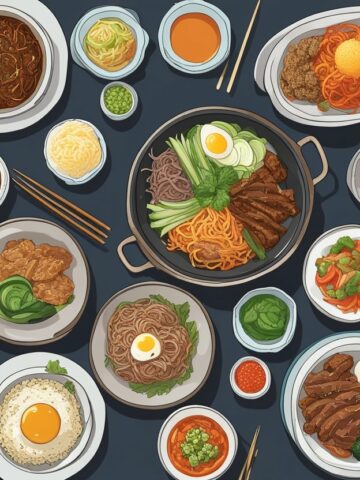
🍚 7. Bibimbap
Bibimbap became globally famous partly because it looks like the perfect “introduction” dish.
It is colorful, balanced, and visually clean. On screen, it reads well immediately. In restaurants abroad, it is easy to explain. It also fits modern health-conscious food culture surprisingly well:
- rice
- vegetables
- protein
- egg
- sauce
- mixed together
That combination made it very export-friendly.
Korean media helped by keeping bibimbap visible as a normal meal rather than a rare specialty, and once global diners started seeing Korean food as something worth exploring, bibimbap became one of the easiest first choices.

🥟 8. Mandu
Mandu spread a little more quietly, but very successfully. Part of the reason is simple: dumplings travel well. They already make sense to people across different food cultures. So once Korean food became more familiar through dramas and K-pop, mandu had a very easy path into:
- Korean restaurants abroad
- freezer aisles
- snack menus
- convenience foods
It may not have had the same dramatic on-screen identity as ramyeon or samgyeopsal, but it benefited from the overall rise of Korean food and the growing comfort people had with Korean flavors.
Mandu is one of those foods that often becomes part of people’s routine before they even realize they are seriously into Korean food.

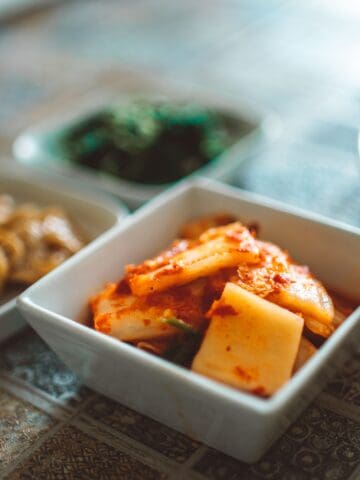
🥬 9. Kimchi
Kimchi is probably the food most strongly tied to Korean identity worldwide.
For a long time, a lot of non-Koreans knew of kimchi before they had actually tried it. K-dramas, food shows, and K-culture content helped change that. Instead of feeling abstract or intimidating, kimchi started appearing as a normal part of meals, side dishes, home cooking, and everyday life.
That repeated exposure helped move people from:
“What is that?” to “Oh, that is the thing they always eat with meals.”
Once kimchi became more recognizable, it became easier for people to try it in restaurants, buy it in stores, and eventually keep it at home.
It also helped that kimchi came to represent not just flavor, but Koreanness itself.

🍲 10. Jjajangmyeon
For the final spot, jjajangmyeon deserves it. This dish got a big global boost because K-dramas gave it emotional visibility. It showed up as:
- solo comfort food
- delivery food
- lazy-day food
- Black Day food
- “I need something satisfying right now” food
That kind of screen presence made people curious about a dish they might not have discovered through restaurant menus alone.
It is also visually memorable in its own way. Thick black bean sauce over noodles is unusual enough to stand out, but still easy enough to understand once you see someone eat it. It feels cozy, filling, and very tied to everyday Korean life.
Jjajangmyeon may not be the loudest global Korean food, but it is one of the most culturally sticky ones.

📺 Why Screen Time Matters More Than Advertising
The reason these foods spread so well is that people saw them in emotional use, not just promotional use. Food shown in commercials can make you hungry. Food shown in stories can make you attached. A dish becomes more memorable when it is tied to:
- friendship
- comfort
- romance
- loneliness
- celebration
- exhaustion
- everyday routine
That is exactly what K-dramas and K-pop content did. They made Korean food feel lived-in. So when people later found these foods in restaurants or stores, they were not meeting them cold. They already had a feeling attached to them.
🛒 From Curiosity to Grocery Stores: What Happened Next
Once curiosity was there, retail did the rest. These foods moved from screens into:
- restaurant menus
- frozen aisles
- convenience stores
- meal kits
- sauces and pantry staples
That is how a lot of them became truly global. K-culture sparked interest, but accessibility made the interest stick.
People might first crave kimbap or ramyeon because of a drama scene, but the real shift happens when they can buy it easily near home. That is when Korean food stops being just a fandom curiosity and starts becoming part of regular eating.
💡 What This Says About Korean Food’s Global Image
These ten foods tell an important story, but they are still only part of the bigger picture. What went global first were often the dishes that were:
- visually memorable
- emotionally visible on screen
- easy to understand
- easy to sell abroad
- easy to love quickly
That does not mean they are the whole cuisine. It just means they were the foods best positioned to cross the border first.
In that sense, K-pop and K-dramas did not just popularize Korean food. They shaped which Korean foods the world got to know first.
❓ Frequently Asked Questions
Kimchi probably became one of the earliest widely recognized names, but foods like ramyeon, bulgogi, and Korean fried chicken became huge global favorites through broader K-culture exposure.
Yes, though of course not all at the same frequency. That is part of why they spread so well—they already felt like real parts of everyday Korean life.
K-dramas probably did more of the emotional heavy lifting, while K-pop helped reinforce familiarity and keep the foods visible in everyday content.
Possibly more convenience-friendly foods like frozen kimbap, tteokbokki kits, or even more traditional sweets and soups as global curiosity deepens.
Related reading: How to Take a K-Pop Dance Class Online (or in Seoul).


Comments
No Comments