
Seoul's cafe scene stopped being about coffee a while ago, at least as the main draw. What's driving the current boom is concept: a croissant-shaped chair, a dollhouse-pink dining room, a hanok rooftop with a view over a whole neighborhood. Young Koreans will cross the entire city for one specific drink and dessert, photograph it meticulously, and move on, which has turned cafe design into its own hyper-competitive industry.
Café-hopping is really just one stop on a bigger day out. Our guide to spending a full day in Myeongdong covers the shopping and street food side of that same itinerary.
Building a proper crawl around that means treating it less like a coffee run and more like a small self-guided gallery tour, with drinks and dessert as the reward at each stop.
Jump to:
🏙️ Start in Seongsu
Seongsu-dong has become the unofficial capital of Seoul's cafe-hopping culture, often described as the city's answer to Brooklyn: converted warehouses, industrial-chic interiors, and a density of concept cafes that makes it possible to hit three or four spots without leaving a few blocks. It's the natural starting point for a crawl, since almost nothing here requires much of a detour to reach the next stop.
🥐 Theme Cafes Are the Main Event
The cafes actually driving the current Pinterest and Instagram wave tend to commit fully to a single concept rather than splitting the difference. A croissant-themed space with pastry-shaped furniture. A dreamy, dollhouse-pink room built around a single signature dessert. A multi-story cafe overlooking a hanok village, leaning into wood floors and antique furniture for a completely different mood than the industrial spaces nearby. The appeal isn't the coffee quality specifically, it's walking into a space that looks like nowhere else on the itinerary.
☕ Where Coffee Culture Actually Comes From
It's worth understanding the broader Korean coffee culture this scene grew out of, since Seoul's obsession with cafes didn't start with aesthetics. It started with coffee consumption becoming a genuine daily ritual for a huge share of the population, and the visual side of the culture built on top of that foundation rather than replacing it.
🍧 Dessert Is Half the Reason to Go
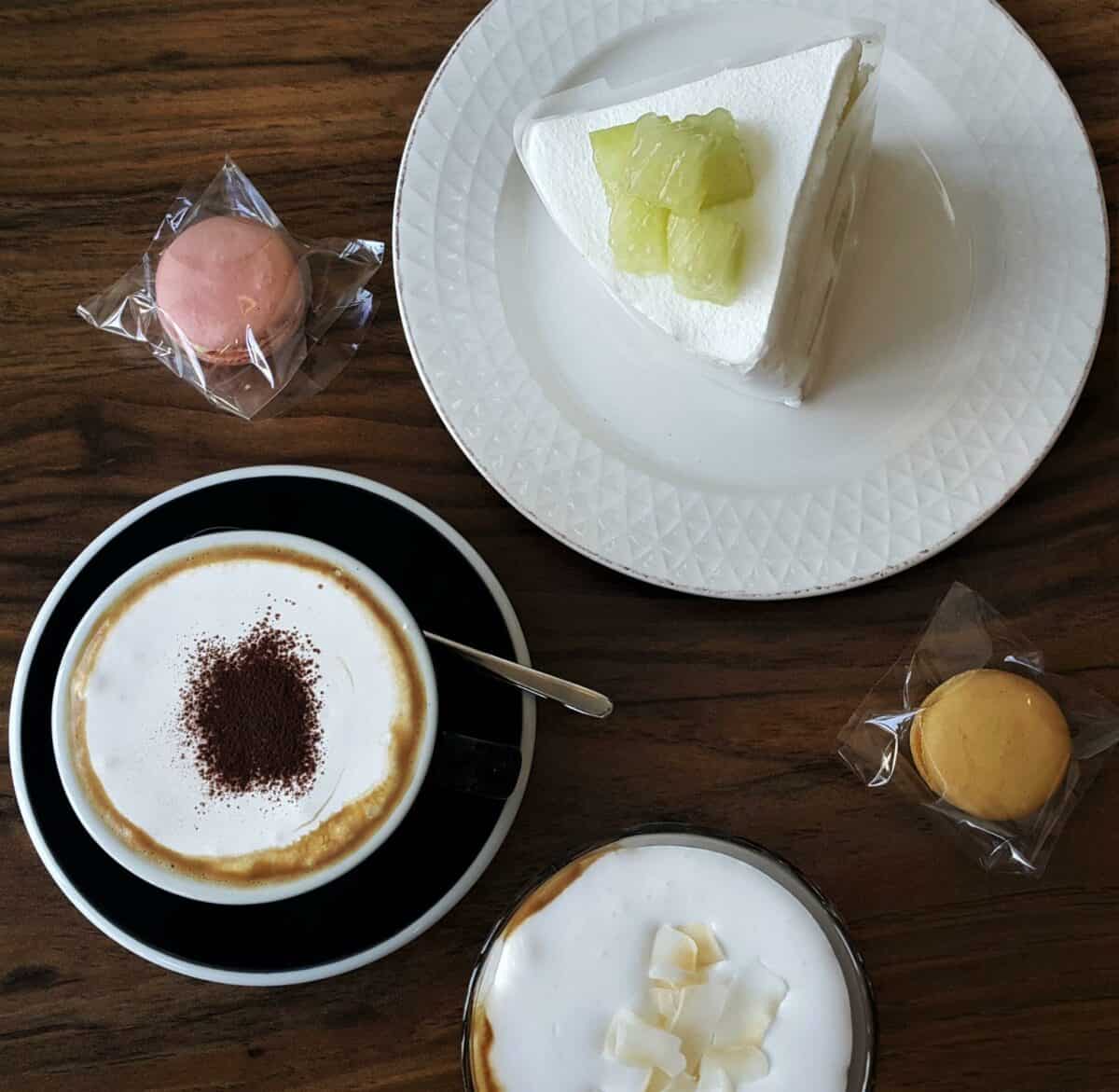
No cafe crawl is complete without stopping for bingsu, Korea's shaved ice dessert, which shows up in an enormous range of versions depending on the cafe: matcha, mango, injeolmi, sometimes built tall enough to share between two or three people. Pairing a crawl stop with bingsu, or with whatever's currently driving Korea's dessert trends, tends to be a better use of a stop than ordering just a drink and moving on.
📸 The Photo Spots Beyond the Cafes
A cafe crawl pairs naturally with a broader hunt for Korea's most photographed spots, since a lot of the same neighborhoods driving the cafe boom (Seongsu especially) are also producing the murals, installations, and pop-up spaces currently circulating online. As one roundup of Seoul's most talked-about cafes put it, the current wave is defined less by any single trend and more by a citywide willingness to treat cafe design as seriously as the menu.
🎒 Practical Notes for Crawling
A few things make the day smoother: expect to pay a bit more than a typical coffee price at concept-heavy cafes, since design and presentation are part of what's being charged for, and expect wait times to run longer on weekends at the most-photographed spots. Comfortable shoes matter more than people plan for too, since a real crawl involves a fair amount of walking between stops even within a single dense neighborhood like Seongsu.
❓ Frequently Asked Questions
Three to four is usually the sweet spot, especially in a dense neighborhood like Seongsu where the walk between spots is short. Trying to hit more than that tends to turn into rushing rather than actually enjoying each stop.
Some of the most talked-about spots do get lines, especially on weekends. Checking wait times or reservation policies in advance saves a lot of standing around.
No, but it's the most concentrated. Other neighborhoods have standout individual cafes, they're just more spread out, which makes Seongsu the more efficient starting point for a single-day crawl.
Late morning through mid-afternoon tends to work best, both for lighting (a real factor for the photo-focused spots) and for avoiding the longest lines, which build later in the afternoon.

Comments
No Comments