
A few years ago, a big weekend in Seoul meant brunch, a Han River picnic, maybe a hike up Bukhansan if the weather cooperated. Now it increasingly means none of those things happen in Seoul at all. Friday evening KTX trains to Gangneung and Yeosu sell out weeks in advance, small-city guesthouses are booking up for two-night stints, and "48-hour trip" has become its own search category on Korean travel apps. The weekend escape isn't a niche habit anymore. It's the default plan.
Jump to:
🚄 Why Everyone's Suddenly Leaving Seoul on Fridays
The math changed. KTX and SRT expansions over the past few years cut travel times to the coast and countryside down to something that fits inside a normal Friday evening, and a four-day workweek push at some companies (plus more flexible remote-Friday policies) gave people an actual window to use it. Add a generation of workers who've decided rest needs to be scheduled rather than hoped for, and a two-hour train ride out of the city stopped feeling like a luxury and started feeling like maintenance.
There's also a simpler explanation: Seoul is loud, dense, and always on. A short reset somewhere with a horizon line and no subway announcements has become one of the most reliable ways to actually recover before Monday, instead of spending the weekend still half-tethered to the city.
🏔️ The Short List: Where People Are Actually Going
A handful of cities keep showing up in every "where did you go this weekend" conversation:
- Gangneung — coffee shops on the coast, Anmok Beach, and a train ride short enough to leave after work on Friday and still catch the sunset.
- Sokcho — Seoraksan for anyone who wants a hike attached to their beach trip, plus abai sundae and squid dishes worth the detour alone.
- Yeosu — the night-view cable car and harbor lights that made "Yeosu Night Sea" a song title for a reason.
- Chuncheon — close enough for a genuine day trip, but most people stay over anyway for dakgalbi and the lake.
- Jeonju — hanok village, market food, and a walkable old town that rewards a slow two days more than a rushed one.
These aren't obscure picks. What's changed is the frequency, not the destination list, since Korea's most underrated towns have quietly become regular rotation instead of once-a-year detours.
🎒 The 48-Hour Playbook
The trips that actually happen (versus the ones that stay a Notes app idea) tend to follow the same loose shape: leave right after work Friday, arrive by dinner, spend Saturday doing the one big thing the trip was built around, and use Sunday morning for something slow before the train back. Packing light matters more than it sounds like it should, since a full weekend with one bag beats a half-packed suitcase that never gets used.
The trips that fall apart are almost always the ones with too much on the itinerary. One city, one or two must-do spots, and enough unplanned time to just sit somewhere is consistently what people describe as "worth it" after the fact.
💰 Why It's Cheaper Than It Looks
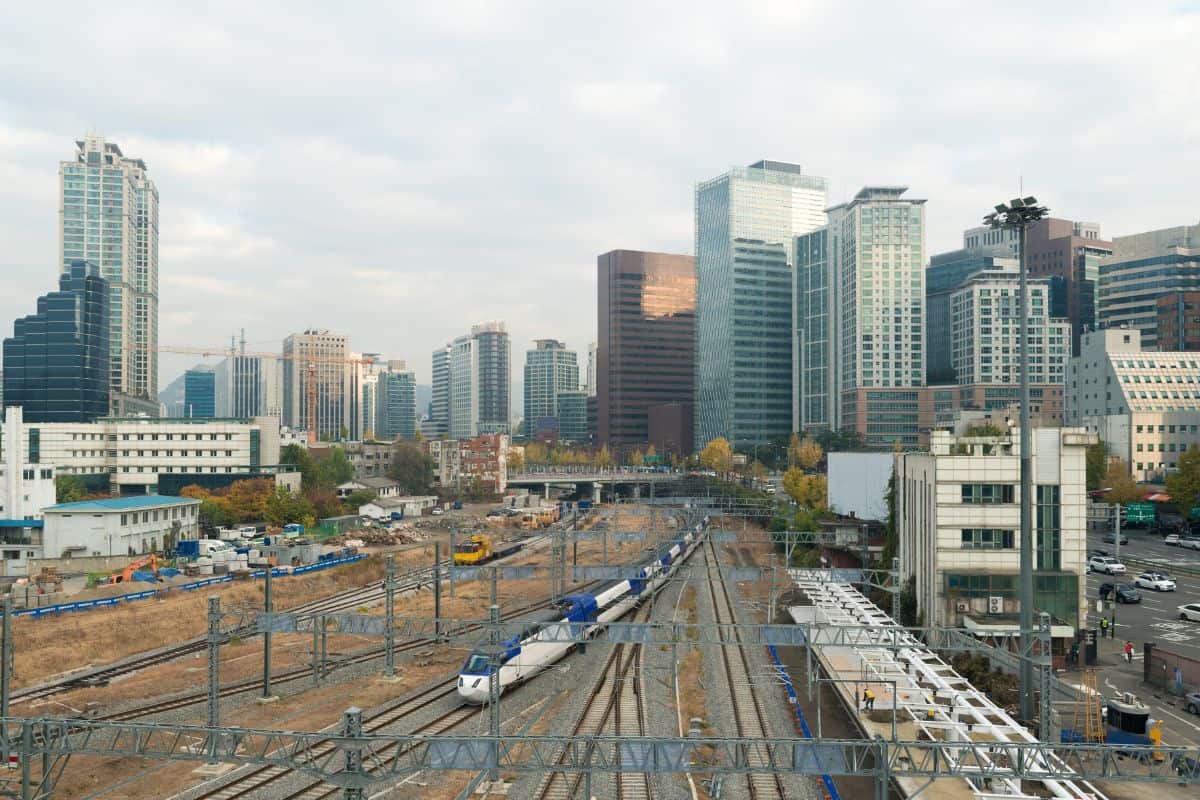
A round-trip KTX ticket to most of these cities runs somewhere between ₩40,000 and ₩80,000 depending on the route and how far ahead it's booked, and a night in a well-reviewed guesthouse or mid-range hotel outside Seoul is often noticeably cheaper than a comparable room in the city. Add regional food that tends to run cheaper than Seoul's restaurant scene, and a full weekend away can land close to what a single big night out in the city would cost.
The bigger saving is time, not money. A trip that's over in two days doesn't need vacation days, which is a big part of why it's become the default instead of the occasional splurge.
📱 The Social Media Effect
Coffee-shop-with-a-view photos from Gangneung and night-cable-car shots from Yeosu circulate constantly, and that visibility does real work. Seeing a friend's weekend feed turns "I should do that sometime" into "I could do that this Friday," and travel apps have picked up on the pattern, pushing more short-trip packages and train-plus-stay bundles built specifically around a two-day window instead of the longer domestic trips they used to default to.
It's also shifted what counts as a good trip. A well-spent 48 hours somewhere quiet now photographs and reads as just as worthwhile as a longer, more elaborate one, which lowers the bar for actually going.
✈️ Can Visitors Do This Too?
Yes, and it might be one of the more underused moves for anyone spending more than a few days in Korea. A trip built entirely around Seoul misses a version of the country that shows up fastest outside it, and the KTX network that makes weekend escapes so easy for residents works exactly the same way for a visitor with a few extra days on the calendar. A short add-on to Gangneung or Jeonju pairs naturally with a longer Seoul stay, and it's a lighter lift than most people expect, since Korean fall day trips and similar routes are already built with exactly this kind of trip in mind.
Booking ahead matters more for visitors, since the Friday trains out of Seoul are the same ones locals are racing to book, but the payoff is the same: a version of Korea that a Seoul-only itinerary never quite reaches.
❓ Frequently Asked Questions
For popular routes like Gangneung and Yeosu, booking KTX or SRT tickets at least a week ahead is a good habit, and two weeks out is safer around holidays or festival dates. Same goes for guesthouses in smaller cities, which fill up fast on weekends.
Yes. Major routes and stations have English signage, and train booking apps offer English interfaces. Smaller-city restaurants may not have English menus, but translation apps and photo menus generally close that gap.
Gangneung is one of the most forgiving options: a short train ride, an easy-to-navigate downtown, and enough coffee shops and coastline to fill two days without much planning.



Comments
No Comments