
Korean food is no longer sitting in one small “international foods” corner of the supermarket. It is showing up in freezer aisles, snack shelves, instant noodle sections, and refrigerated grab-and-go cases in a much more obvious way now. That shift is not just about one viral product.
It is about a handful of Korean food brands becoming familiar enough, convenient enough, and strong enough in distribution that they are starting to feel like regular grocery-store brands instead of niche finds. South Korea’s food and agriculture-related exports hit a record $13.62 billion in 2025, driven in part by the growing global popularity of ramyeon, sauces, and other K-food products.
That bigger backdrop helps explain why names like Buldak, Bibigo, Nongshim, Orion, Ottogi, and Pulmuone keep turning up where ordinary shoppers already buy food. They are not just riding attention. They are building habits.
Jump to:
- 🛒 Why Korean Food Brands Are Everywhere Right Now
- 🍜 1. Buldak (Samyang)
- 🥟 2. Bibigo
- 🍜 3. Nongshim
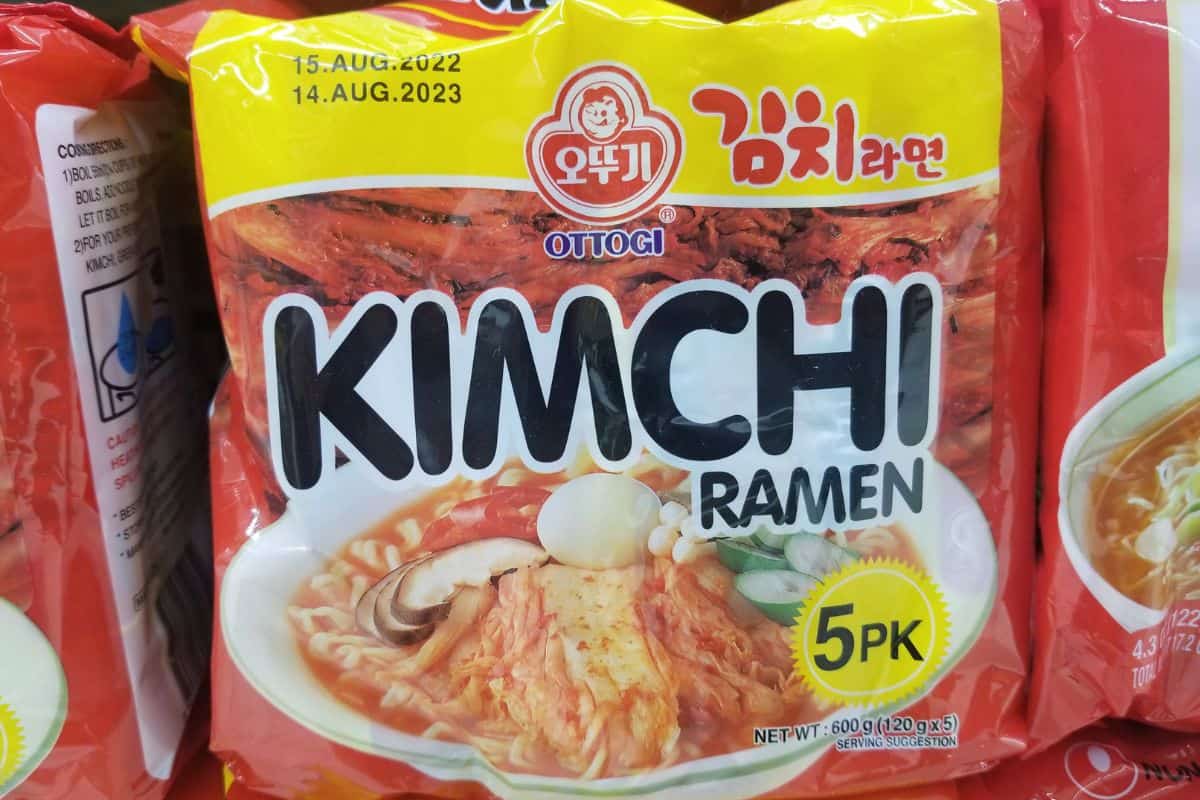
- 🫙 4. Ottogi
- 🍘 5. Orion
- 🍙 6. Pulmuone
- 🌍 Why These Brands Work So Well Outside Korea
- 📱 How Social Media Helped, but Grocery Stores Closed the Deal
- 🧊 What These Brands Say About How Korean Food Is Changing
- ❓ Frequently Asked Questions
- 💬 Comments
🛒 Why Korean Food Brands Are Everywhere Right Now
A few things are happening at once.
First, Korean food is easier to understand globally than it used to be. People already recognize instant noodles, dumplings, sauces, frozen snacks, and packaged sweets. Second, Korean brands are getting better at translating their products into formats that work well in mainstream retail.
And third, global demand is now strong enough that companies are expanding production and distribution specifically for overseas markets. CJ CheilJedang, for example, said in late 2024 that it was building a new food factory in Hungary to produce bibigo dumplings for Europe beginning in the second half of 2026.
That kind of investment tells you this is no longer just a trend story. It is an aisle-space story.
🍜 1. Buldak (Samyang)
Buldak is probably the loudest Korean grocery success story right now.
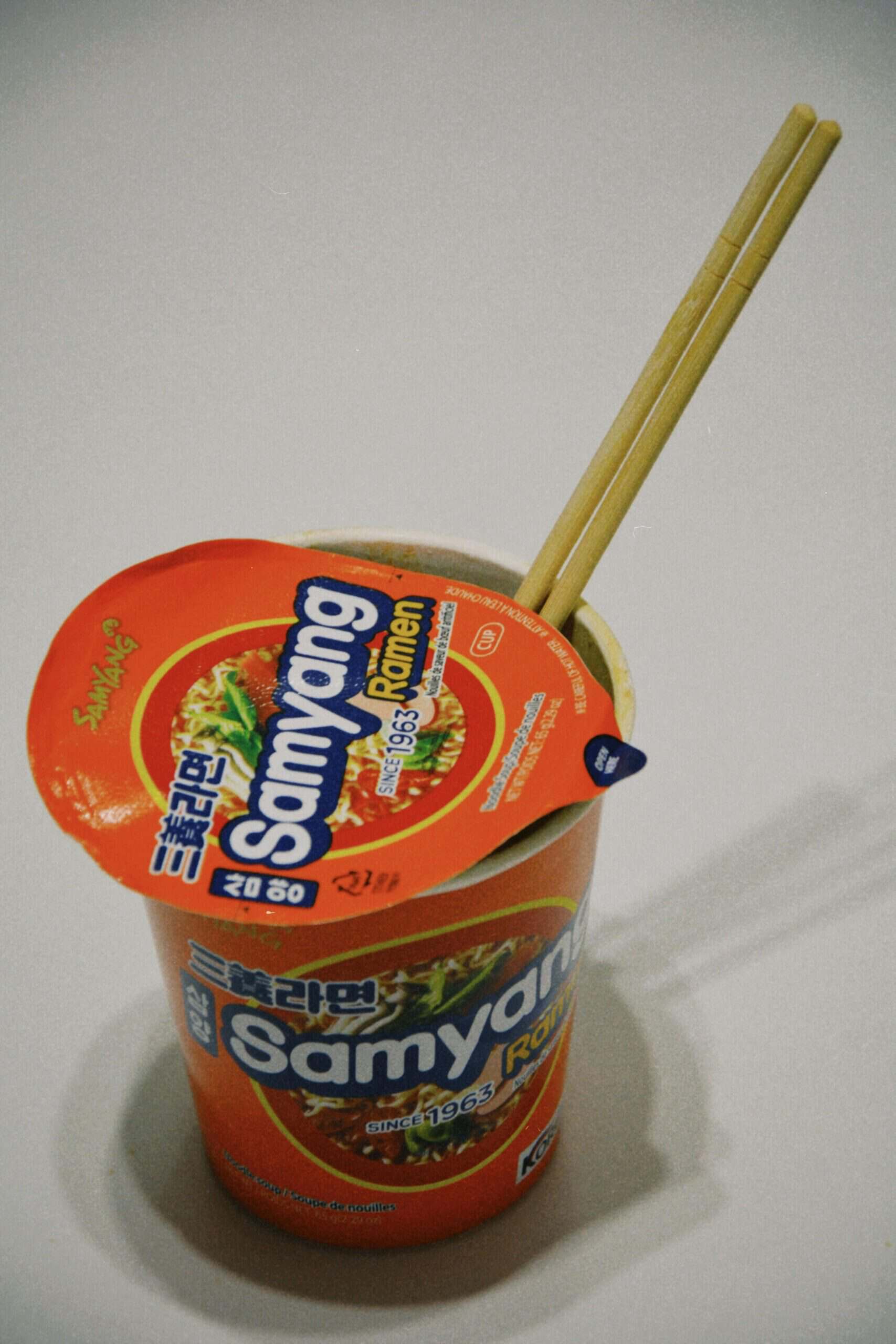
What started as a super-spicy noodle challenge product has turned into one of the most recognizable Korean food brands in the world. Samyang Foods said its annual sales passed 2 trillion won for the first time in 2025, reaching 2.35 trillion won, driven by strong global demand for the Buldak series. Yonhap described the brand as the company’s core growth engine.
Food & Wine reported in late 2025 that Samyang had sold 8 billion Buldak units in the first half of 2025 alone, which helps explain why the brand keeps showing up not just in Asian markets, but in collaborations, big-box stores, and mainstream grocery chains too.
Buldak works because it is instantly identifiable. It has heat, challenge culture, flavor spin-offs, and strong packaging. But it also works because once people get past the “viral spicy noodle” reputation, it is still a repeat-buy instant noodle brand.
🥟 2. Bibigo
Bibigo might be the clearest example of Korean food going fully mainstream in the freezer aisle.
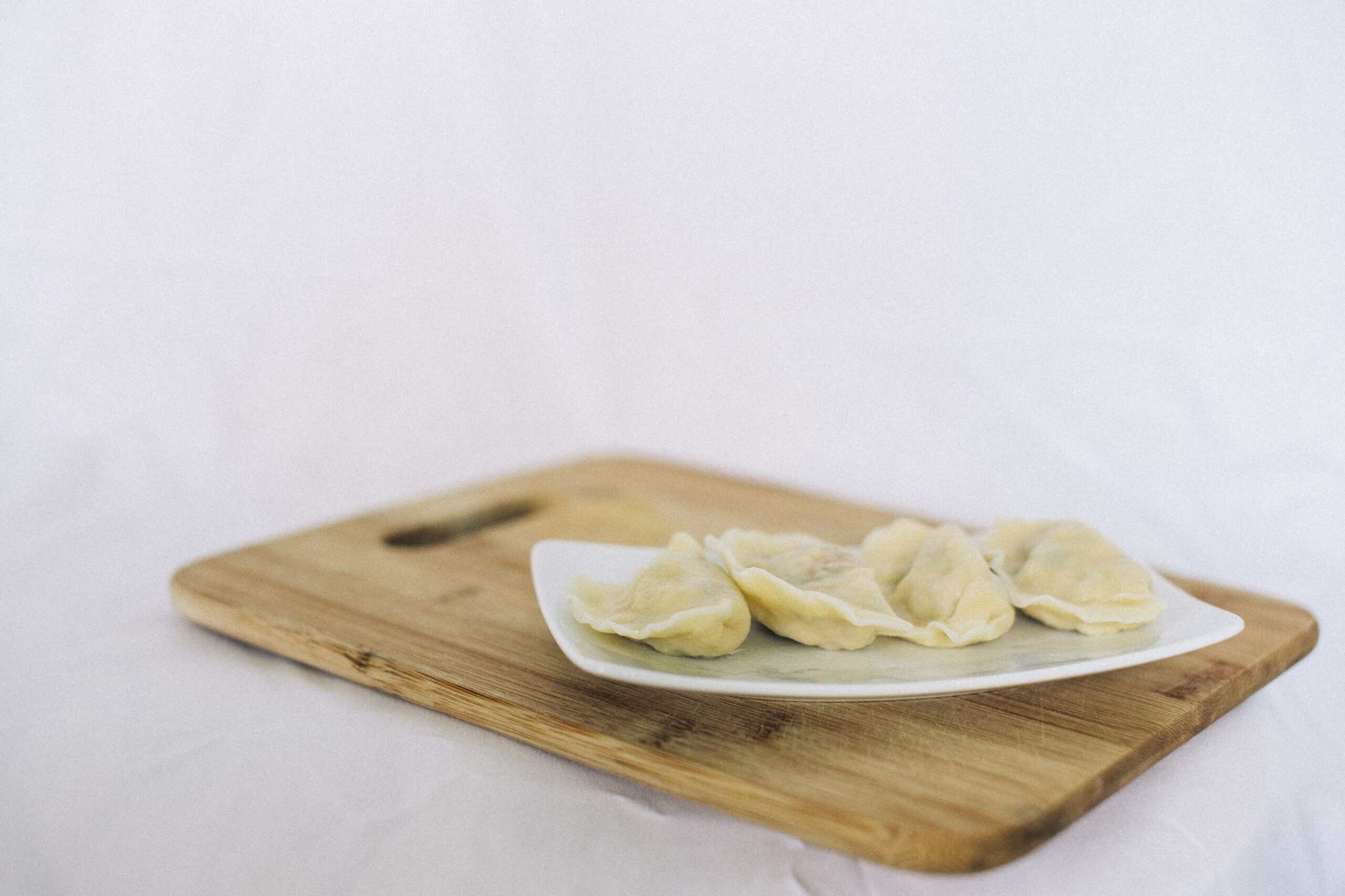
The brand has become strongly associated with dumplings, but it has expanded far beyond that into sauces, rice products, seaweed, and other ready-to-eat or ready-to-cook Korean foods. CJ CheilJedang’s late-2024 announcement about its new Hungary plant specifically centered bibigo dumplings, showing how central the brand is to the company’s international strategy.
Recent trade coverage also shows Bibigo expanding in places like Vietnam and Australia, where the brand is being pushed through mainstream retail channels instead of only specialty stores.
Bibigo matters because it helped make Korean frozen food feel normal. For a lot of shoppers, it is the brand that made “Korean dumplings in the freezer” stop feeling like a specialty purchase and start feeling like an easy weeknight buy.
🍜 3. Nongshim
If Buldak is the viral brand, Nongshim is one of the long-game brands.
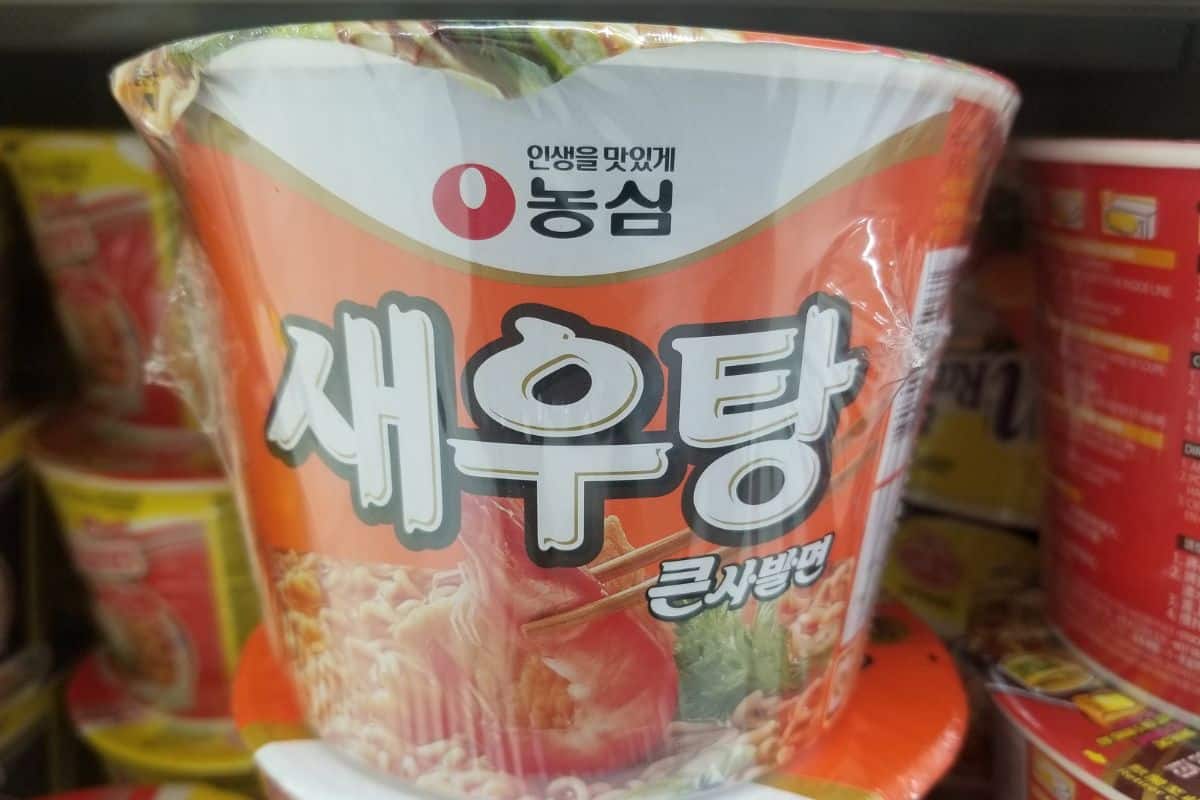
Shin Ramyun is still one of the most globally recognized Korean noodle products, and Nongshim has been expanding overseas as Korean noodles become more established outside Korea. The Financial Times reported in 2024 that Nongshim’s Shin Ramyun reached record sales of 1.2 trillion won in 2023, with nearly 60% of that coming from abroad, and that the company was actively pushing expansion in the U.S. and Europe.
That matters because Nongshim shows the broader arc of Korean grocery success. It is not just about one viral spike. It is about staying power. Shin Ramyun has become one of the most dependable “starter” Korean grocery items for shoppers who may not know much else yet.
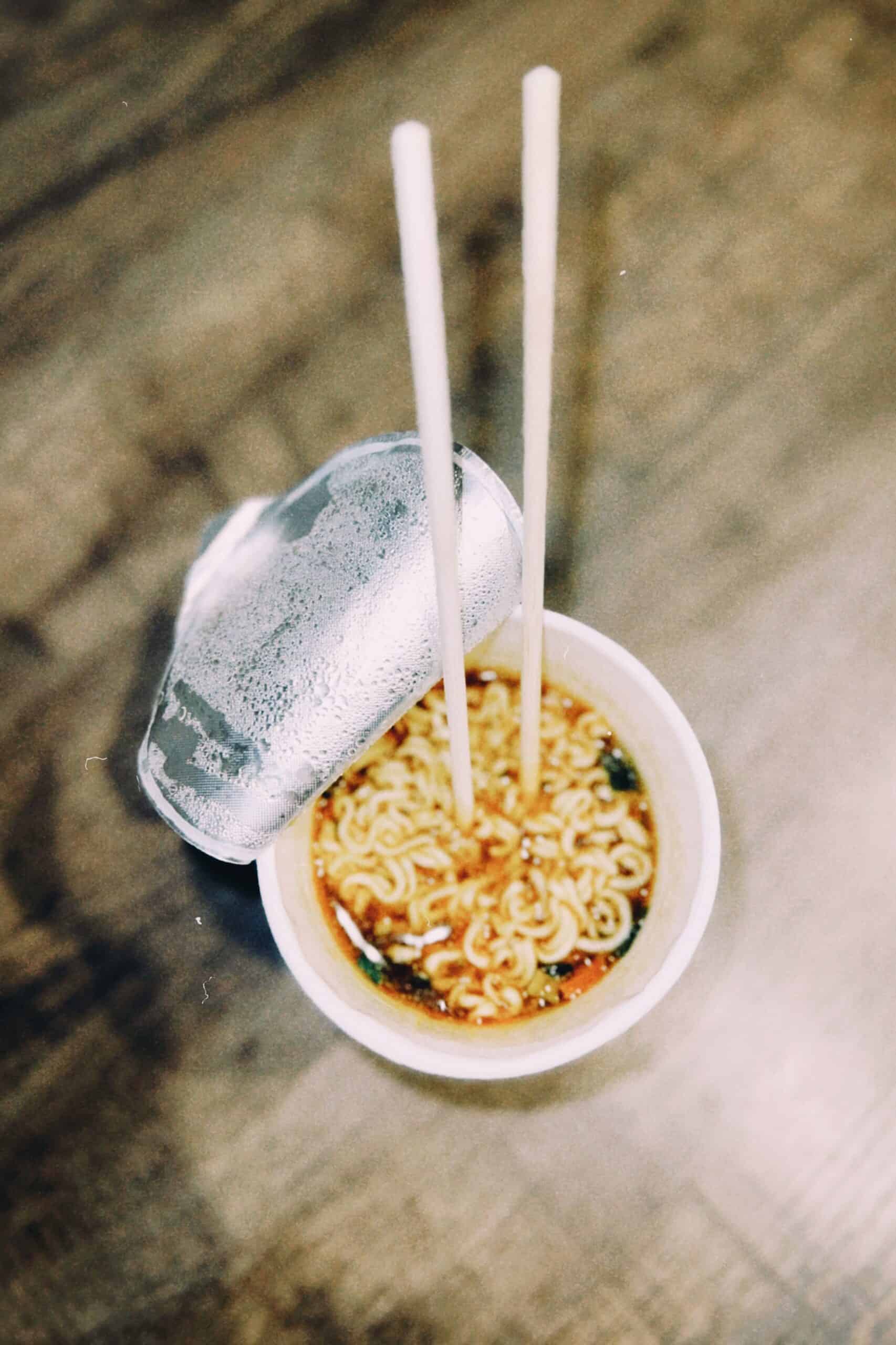
🫙 4. Ottogi
Ottogi does not always get the same flashy international attention as Buldak or Bibigo, but it is one of the most important Korean pantry brands in actual everyday cooking.
This is the kind of brand that matters because it helps normalize Korean food at home. Ottogi is associated with sauces, curry, instant foods, pantry basics, and other products that do not always go viral but do make Korean cooking more accessible in ordinary kitchens.
In the context of Korea’s record K-food exports, pantry categories like sauces and packaged staples are part of what keeps Korean food visible beyond the restaurant space.
Ottogi’s importance is less about one headline product and more about the fact that brands like this help Korean food move from “occasionally tried” to “regularly stocked.”
🍘 5. Orion
Orion proves that Korean grocery success is not only about noodles and freezer foods.
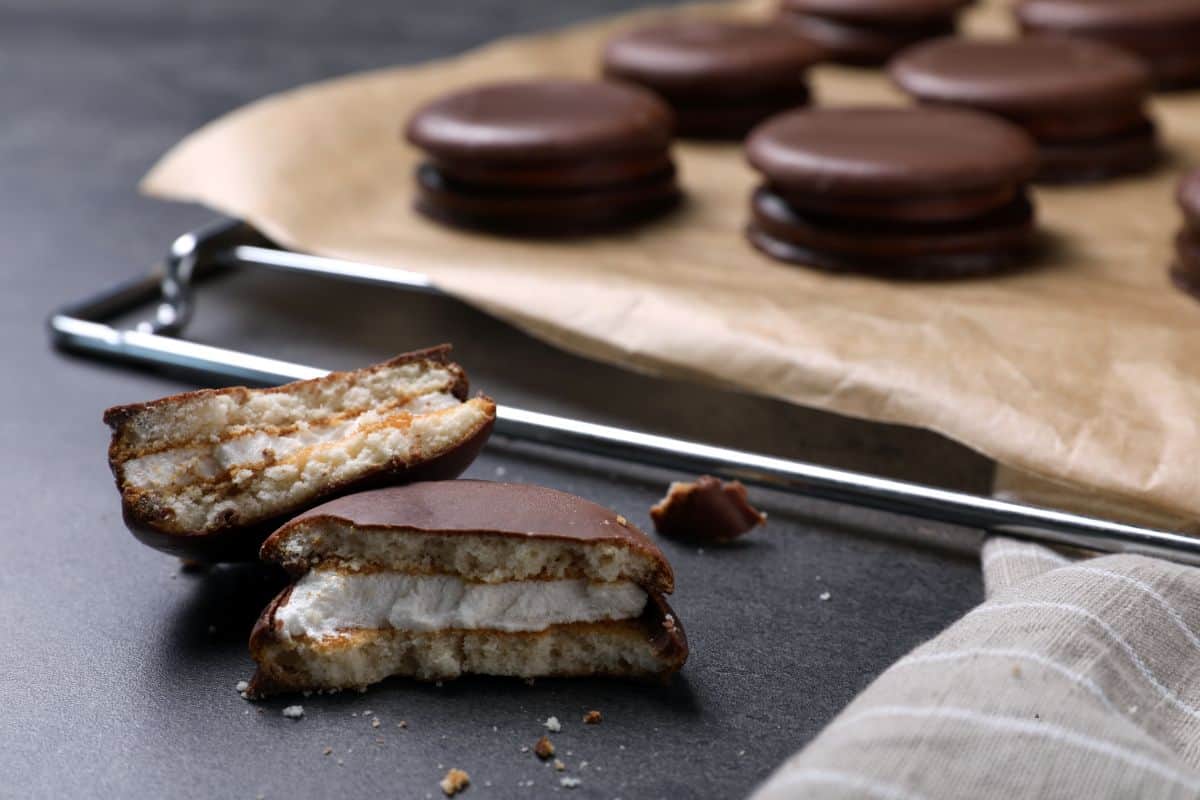
Its flagship Choco Pie remains one of the biggest Korean snack exports around. Orion said Choco Pie sold more than 4 billion units in 2024, and more recent 2026 reporting says the snack’s sales in Russia alone surpassed $136 million in 2025.
That kind of scale matters because it shows how Korean brands can win the snack aisle, not just the “ethnic meal solution” space. Choco Pie is easy to understand, easy to repeat-buy, and familiar enough to live comfortably among mainstream packaged snacks. Orion is also investing heavily in production capacity, which further suggests that overseas snack demand is not slowing down.
🍙 6. Pulmuone
Pulmuone is a good example of the quieter side of Korean grocery expansion.
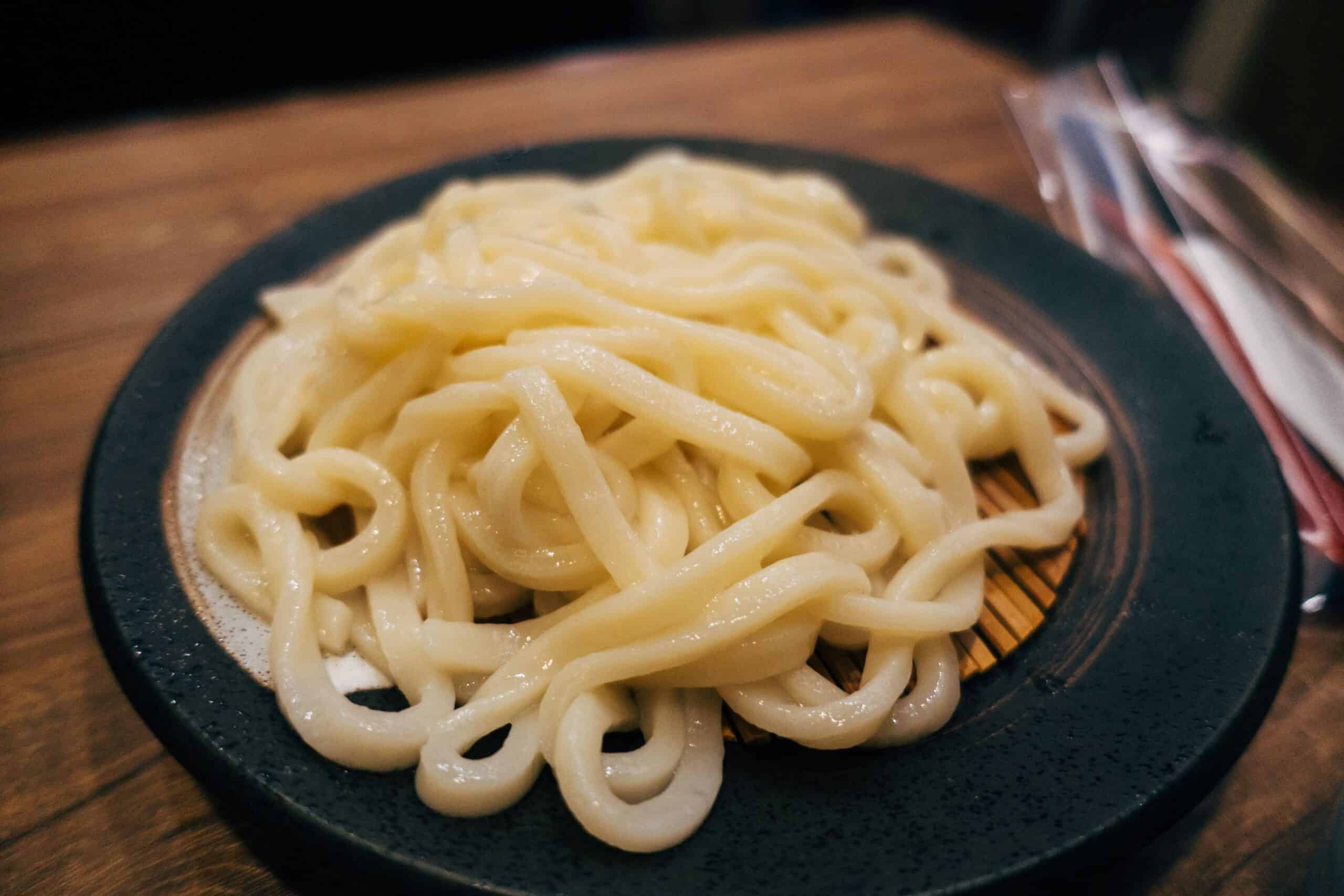
The company has been growing internationally through tofu, noodles, plant-based products, and Korean-inspired convenience foods that fit current grocery trends very well. In 2026, Pulmuone said its Expo West lineup would spotlight protein-forward noodles, wraps, and convenient plant-based meals, while Korean media reported continued U.S. growth tied to tofu and Asian noodles. Pulmuone is just one name in a wider wave of plant-based Korean brands expanding into global grocery aisles.
That makes Pulmuone especially interesting because it sits at the overlap of Korean food, plant-based food, and convenience. It is not always the brand people mention first, but it fits exactly the kind of grocery logic that helps Korean food become more everyday.
🌍 Why These Brands Work So Well Outside Korea
These brands travel well because their strongest categories already fit global shopping habits.
The products that keep winning tend to be:
- instant noodles
- frozen dumplings
- pantry sauces
- snack cakes
- plant-based convenience foods
- easy meal starters
Those are all categories that shoppers already understand. Korean brands do not need to invent new grocery behavior. They just need to plug into behavior that already exists, then offer stronger flavors, better convenience, or a little more cultural curiosity.
That is also why recent government and industry reporting keeps emphasizing “convenient and trendy food products reflecting modern lifestyles” as a major driver of K-food export growth.
📱 How Social Media Helped, but Grocery Stores Closed the Deal
Social media absolutely helped, especially for brands like Buldak.
Viral noodle challenges, mukbangs, influencer taste tests, and K-culture exposure all made Korean brands more visible. But visibility is not the same as repeat purchase. Grocery stores are what turned awareness into habit.
A shopper may first hear about Buldak through TikTok or a spicy challenge video, but what makes the brand really matter is seeing it again in a regular grocery aisle, then buying it again because it is easy to find. The same goes for Bibigo dumplings or Choco Pie. Online hype opens the door. Shelf space makes the brand stick.
🧊 What These Brands Say About How Korean Food Is Changing
The bigger shift here is that Korean food abroad is becoming more pantry-first, freezer-first, and snack-first.
That means Korean food is no longer depending only on restaurants to define it. It is increasingly being learned through:
- the noodle shelf
- the freezer aisle
- the snack section
- the convenience-food fridge
That is a major cultural change. It means Korean food is moving into everyday shopping routines, which is usually when a cuisine or brand category stops feeling trendy and starts feeling established.
❓ Frequently Asked Questions
It depends on the category, but Bibigo, Buldak/Samyang, and Nongshim are among the clearest global grocery leaders right now.
Yes, probably. It still has the strongest “internet-famous” identity, and Samyang’s recent sales growth suggests that viral attention has translated into major real-world demand.
Because its products fit mainstream grocery logic really well. Dumplings, sauces, and easy frozen foods are all categories that scale effectively outside Korea.
They are moving well beyond niche, especially in noodles, frozen foods, snacks, and pantry items. Korea’s record export numbers support that bigger shift.
Bibigo and Nongshim are probably the easiest starting points, since dumplings and instant noodles are familiar categories for most shoppers.


Comments
No Comments