
Korean temple food has been quietly perfected inside monastery kitchens for roughly 1,700 years, since Buddhism first took root on the peninsula. It was never designed to trend. It was designed to sustain monks through a life of discipline and meditation, using nothing that would cloud the mind or disrupt the body.
Temple food isn't the only place fermentation and tradition meet on a Korean menu. Our guide to reading a Korean menu without speaking Korean and our deep dive into Korean comfort foods beyond kimchi both cover ground that overlaps with temple cooking's reliance on fermented staples.
That's exactly why wellness blogs have latched onto it now. A cuisine built entirely around fermentation, seasonality, and minimal processing looks remarkably like what modern nutrition advice has been circling back to for years. If you'd rather experience it in person than just read about it, our guide to temple food and tea house experiences in Korea covers where to actually go.
Jump to:
🙏 What Makes Temple Food 'Temple Food'
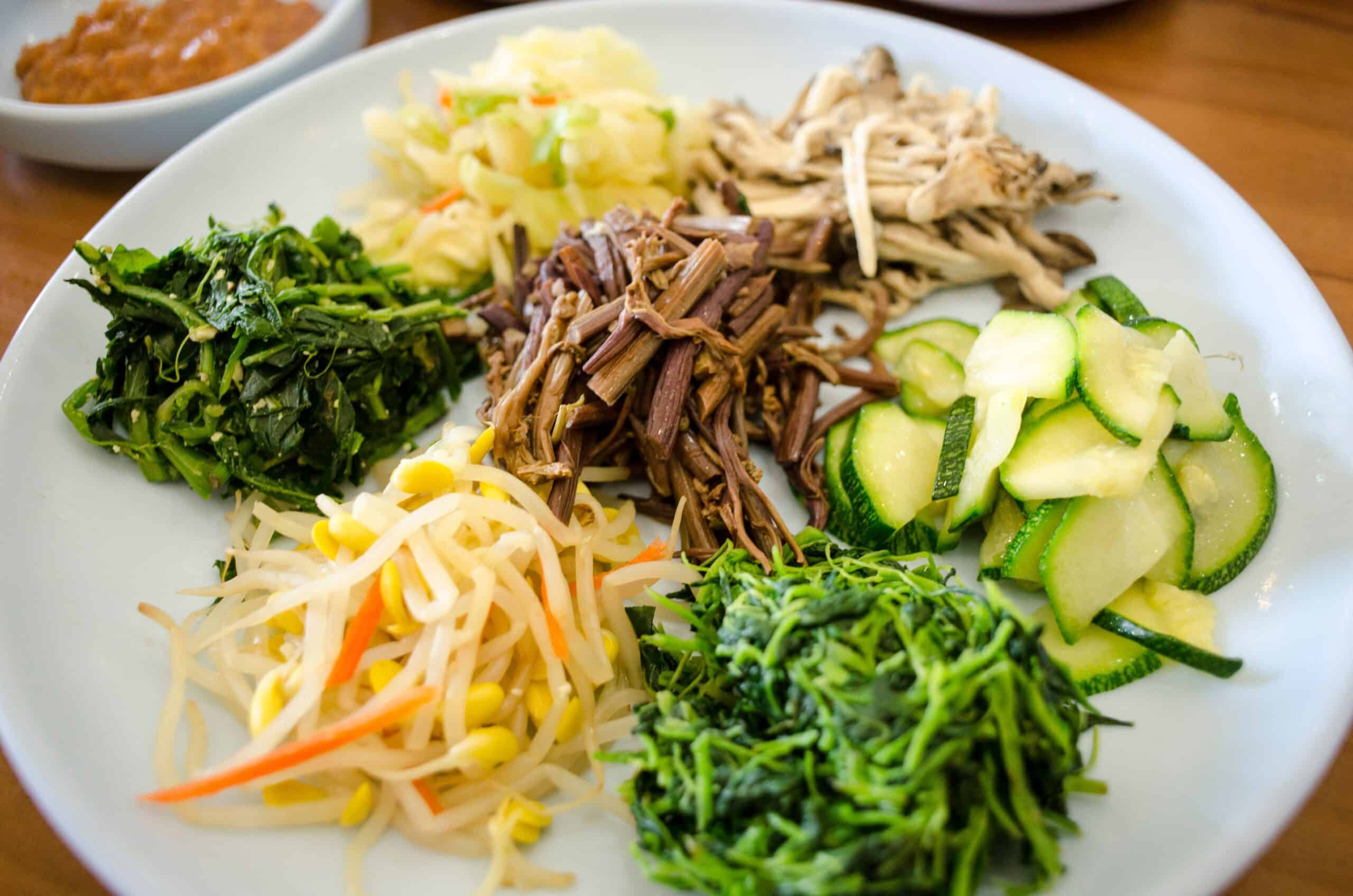
Temple food is Buddhist monastic cuisine, cooked according to rules that go well beyond "no meat." It excludes any ingredient believed to overstimulate the senses or the body, which rules out much more than most people expect.
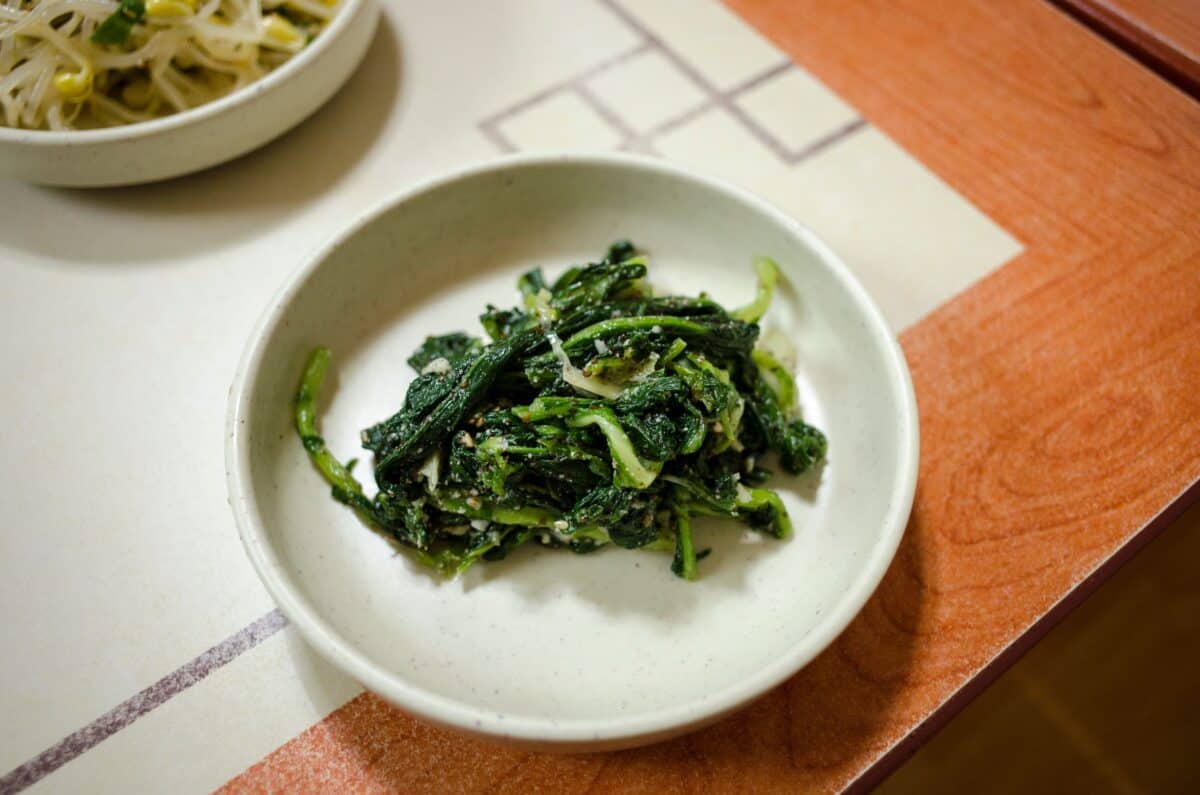
Meals are built around vegetables, wild greens, mushrooms, and fermented staples like doenjang, prepared simply enough that the ingredient itself, not the seasoning, is the point.
🧅 The Five Pungent Vegetables You Won't Find
One of the more surprising rules for newcomers: temple food avoids the "five pungent vegetables" — garlic, onion, scallion, chives, and leeks. In Buddhist teaching, these are believed to increase aggression when eaten cooked and increase desire when eaten raw, both of which work against a meditative state.
Cooks compensate with technique instead, leaning on fermentation, mushrooms, and slow-cooked broths to build the depth of flavor that garlic and onion usually provide in Korean cooking.
🫙 Fermentation at the Center of Everything

Nothing in temple cuisine goes to waste, and very little goes uneaten fresh. Vegetables are salted, dried, or fermented to last through the winter, which is part of why so many temple dishes double as some of Korea's oldest fermented preparations.
It's also why the wellness crossover makes sense. Fermented foods are tied to gut health benefits that modern research keeps circling back to, and temple kitchens have been doing it as a matter of necessity for well over a millennium.
📜 A Cuisine Now Officially Recognized as Heritage
In May 2025, Korea's Heritage Service formally designated Buddhist temple food as National Intangible Cultural Heritage, citing its role in preserving both a spiritual practice and a fermentation-based food tradition passed down communally by monks. Coverage of the designation specifically pointed to its reliance on mushrooms, soybean paste, and leafy greens as reasons the tradition was worth formally protecting.
That kind of recognition rarely happens for a cuisine that's still considered niche. It's a sign temple food has moved from a monastery-only practice to something Korea sees as worth preserving and sharing more broadly, and it's part of why more visitors are adding Korea's most notable temples to their itinerary specifically for the food, not just the architecture.
🌱 Why Wellness Bloggers Caught On
Plant-forward, minimally processed, and fermentation-heavy checks nearly every box wellness content has been chasing for the past several years. Temple food didn't rebrand to fit the trend — the trend eventually caught up to what temple kitchens were already doing.
If the ingredient list looks familiar, it should. A lot of it overlaps with what's already showing up in Korean porridge (juk) and other simple, restorative home dishes that share the same "let the ingredient speak" philosophy, just without the monastic rules attached.
❓ Frequently Asked Questions
Yes. It excludes all meat, fish, and animal products, along with garlic, onion, and other 'pungent' vegetables, making it one of the strictest plant-based cuisines in the world.
Buddhist teaching holds that the five pungent vegetables (garlic, onion, scallion, chives, and leeks) overstimulate the body and mind, working against the calm, focused state monastic life is meant to cultivate.
Yes, through temple stay programs and a small number of dedicated restaurants, many run by current or former monks. It's not something you'll stumble into at a regular restaurant, so it usually takes a bit of planning.
Not quite. Regular Korean vegetarian cooking still uses garlic and onion freely. Temple food follows stricter monastic rules that exclude those ingredients entirely, which changes how dishes are built and flavored.


Comments
No Comments