
Mukbang started as a strange internet curiosity to a lot of outsiders. Watching someone sit in front of a camera and eat huge amounts of food seemed niche, excessive, or just plain bizarre.
But that framing misses what made mukbang powerful in the first place.
Mukbang was never only about food. It was about comfort, spectacle, intimacy, routine, and craving. It turned eating into a kind of performance, but also into a habit-forming media format. And once it found global audiences, it became one of the most effective unofficial marketing engines Korean food had ever seen.
That is a big part of why Buldak ramen became more than just another spicy noodle. It became a visual event, a challenge, a reaction clip, a grocery-store obsession, and eventually a global product people were not just watching, but buying.
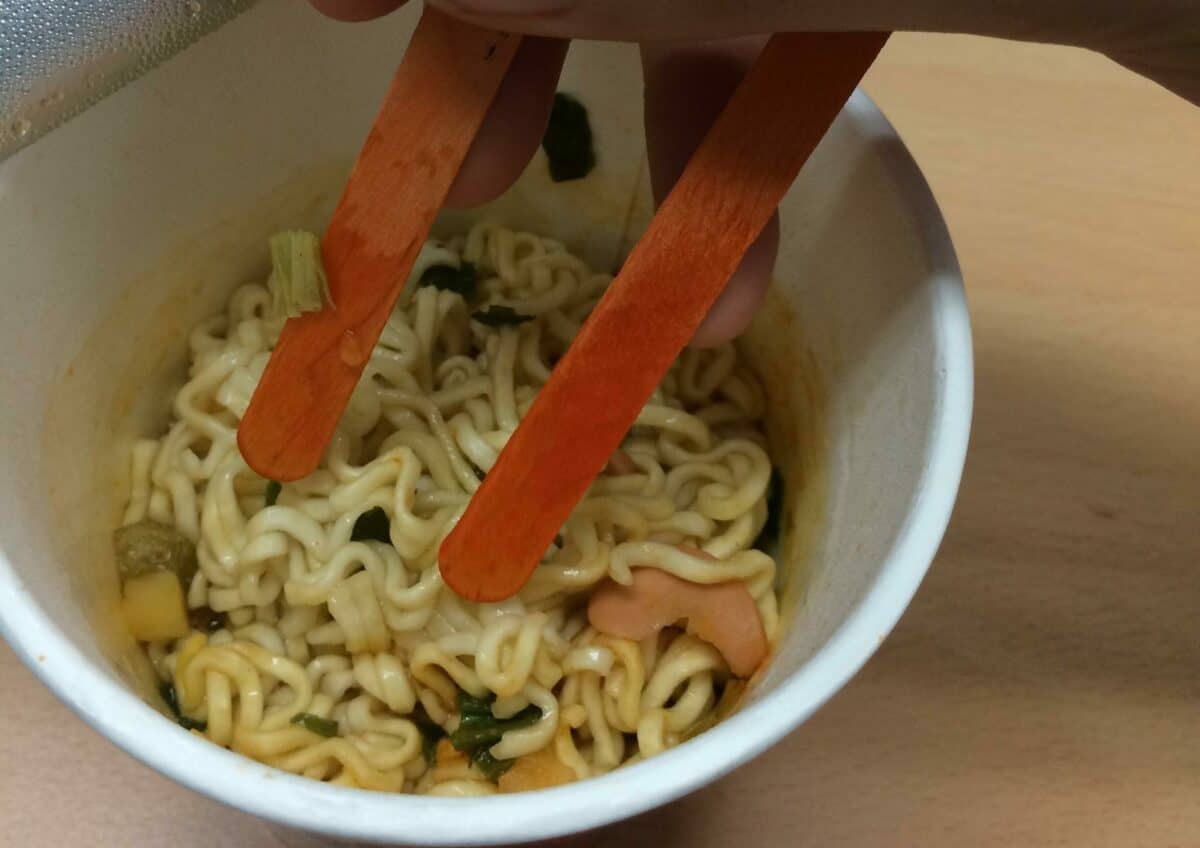
📱 Why Mukbang Became Bigger Than Just a Weird Internet Trend
Mukbang grew because it hit multiple needs at once. For some viewers, it felt entertaining. For others, it felt comforting. For others, it felt strangely social, especially when watching someone eat and talk alone late at night. It also worked extremely well online because food is already visual, repetitive, and easy to turn into habit-driven content.
That made mukbang bigger than a passing Korean internet trend. It became part of a broader food-media system where watching could lead directly to craving, and craving could lead directly to buying. Once that happened, mukbang stopped being just a format. It became infrastructure.
🍜 How Mukbang Changed the Way People Discover Korean Food
Mukbang did not simply show people Korean food. It taught them how to want it. That is what made it so commercially powerful.
Instead of being introduced to Korean food through a formal article, a travel guide, or a restaurant menu, people were seeing it in action:
- steaming
- stretching
- sizzling
- dripping with sauce
- eaten with visible pleasure or pain
- turned into a challenge or a ritual
That changed the discovery process. People were not learning food categories first. They were learning appetite first.
And once appetite came first, highly visual foods had a huge advantage.
🌶️ Why Buldak Was Built for Mukbang
Buldak was almost perfectly suited to mukbang culture.
It had everything that works on camera:
- aggressive spice
- bold red sauce
- instant emotional reaction
- challenge value
- memorable branding
- easy preparation
- global shelf life
It also had something even more important: replay value.
A lot of foods look good once. Buldak created repeatable content. People could film the first bite, the regret, the challenge, the comparison between flavors, the reaction from a friend, or the attempt to finish a whole bowl without stopping. That made it a content machine, not just a noodle product.
And once people started associating Buldak with online food performance, the product became bigger than the category it came from.
🔥 From Spicy Noodle Challenge to Grocery Staple
One of the most interesting things about Buldak is that it did not stay trapped in “viral challenge food.”
That usually happens with extreme products. They get one big wave of attention, then fade because people enjoy watching them more than eating them.
Buldak managed to escape that.
It started with spectacle, but then moved into habit. People bought it for the challenge, then kept buying it because they liked the flavor, the variety, the convenience, or the identity attached to it. The carbonara version helped a lot with that shift, because it softened the brand just enough to widen the audience without losing the heat-driven reputation.
That is how a food moves from screen culture into grocery culture. It stops being only something people perform and becomes something people keep in the pantry.
🎥 Why Watching People Eat Still Sells Better Than Traditional Ads
Traditional ads tell you something tastes good. Mukbang makes you watch someone prove it. That difference matters. Watching someone eat creates:
- tension
- anticipation
- sensory imagination
- emotional reaction
- stronger memory
It also feels less like formal selling, even when it clearly influences buying behavior. That is why creator-led food content can be more persuasive than a polished campaign. It feels like discovery, even when it is quietly functioning like marketing.
With Buldak, that effect is especially strong because the product does not need subtlety. It is hot, visible, dramatic, and instantly legible. The person eating it becomes part of the ad, whether the clip is sponsored or not.
🛒 How Mukbang Turns Viewers Into Grocery Shoppers
The pipeline is actually pretty simple.
First, someone sees the product online.
Then they get curious.
Then they crave it.
Then they notice it in a store.
Then they buy it “just once.”
Then it becomes familiar enough to buy again.
That is the part people often miss when they think of mukbang as just entertainment. Mukbang is not powerful only because it gets views. It is powerful because it lowers the gap between seeing and buying.
A spicy noodle that once looked like a weird internet thing starts looking like something normal enough to throw into the cart.
And once enough people do that, the product stops being niche.
🍽️ Why Buldak Is Not the Only Winner
Buldak may be the clearest example, but it is not the only Korean food that benefited from mukbang culture.
Other categories that do especially well in mukbang and related food content include:
- ramyeon more broadly
- tteokbokki
- convenience-store foods
- dumplings
- Korean fried chicken
- late-night comfort foods
- frozen snacks
- sauce-heavy street foods
What these foods have in common is not just that they taste good. It is that they perform well on screen. They are visual, emotional, and easy to narrate through reaction.
Mukbang did not just help one brand. It helped create a broader appetite for Korean packaged and convenience-friendly food.
🌍 How Korea’s Food Content Industry Helped Globalize Grocery Brands
The bigger story here is that Korean food media and Korean food exports now reinforce each other.
A product gets attention online. That attention creates curiosity. Grocery stores respond to the demand. The product becomes easier to buy. More people try it. More creators make content about it. The cycle repeats.
That system works especially well for Korean food because so many of the strongest products are:
- shelf-stable
- easy to cook
- strongly branded
- visually distinctive
- convenient for repeat purchase
So while mukbang may seem like a media trend, it has real economic effects. It helps turn brands into habits and habits into global sales.
⚖️ Is Mukbang Still a Powerhouse or Already Past Its Peak?
Mukbang may not feel as novel as it once did, but that does not mean its influence is gone.
What has changed is the format. It has spread out.
Instead of always looking like one creator eating an enormous meal on camera, mukbang influence now shows up across:
- short-form spicy challenges
- convenience-store hauls
- creator taste tests
- ASMR food clips
- livestream eating content
- reaction-based food videos
So even if “classic mukbang” feels less dominant than before, the core mechanism is still very active. People are still watching food for emotion, stimulation, comfort, and craving. And products like Buldak are still benefiting from that. The shape evolves. The appetite logic stays.
❓ Frequently Asked Questions
Yes. It was not the only factor, but it was one of the biggest accelerants because the product was so visually and emotionally suited to the format.
Because it creates visible reaction. Pain, surprise, challenge, pride, and failure all read well on camera.
It is one of the biggest, especially in global internet food culture. Few Korean grocery products have matched its combination of challenge appeal and repeat-buy success.
Yes, even if they do not think of it that way. A lot of online food content still shapes what viewers notice, want, and eventually buy.
Buldak is one of the clearest examples, but other noodle brands, convenience foods, and highly visual Korean snack products have also gained from the same content ecosystem.
Fried chicken remains one of the most mukbang-friendly foods in Korea, and the category has recently leveled up — see how in our piece on Korean fried chicken's premium upgrade.

Comments
No Comments