
Gut health is still one of the biggest wellness themes in 2026, but the conversation has shifted. It is no longer just about supplements, powders, or probiotic branding.
Food-trend reporting this year points to a broader move toward digestive wellness through everyday eating, with fermentation, fiber, and culturally rooted foods getting more attention.
Whole Foods Market’s 2026 trend predictions specifically call out fermented ingredients as part of the year’s food direction, while Mintel says digestive wellness has entered a more open, mainstream phase.
That is a big reason Korean fermented foods feel especially relevant right now. They sit at the intersection of flavor, tradition, pantry practicality, and the current wellness mood. They do not feel like “wellness products.” They feel like real food, which is exactly why they fit the moment so well.
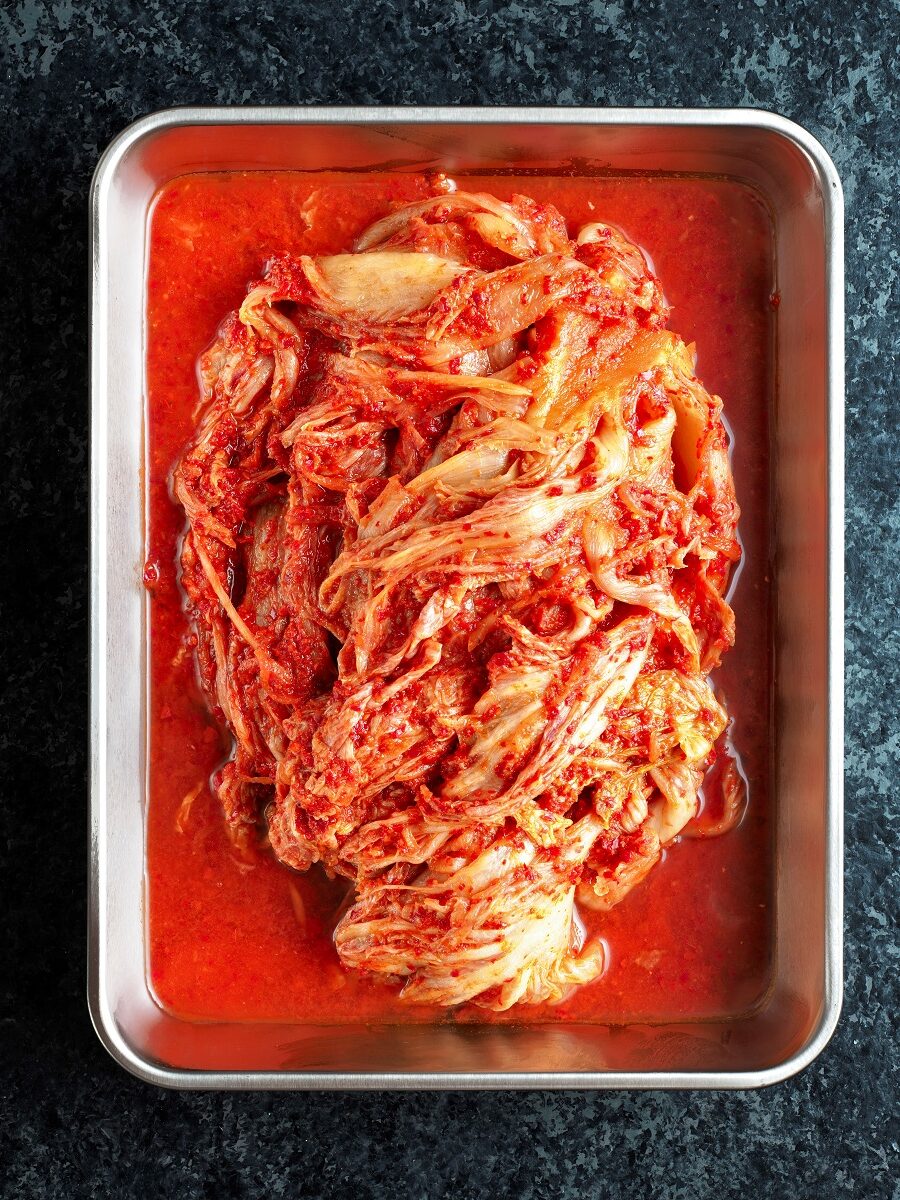
Jump to:
- 🥬 Why Gut Health Is Still a Huge Wellness Focus in 2026
- 🫙 What Counts as Korean Fermented Food
- 🦠 Why Fermented Foods Keep Showing Up in Gut Health Conversations
- 🌶️ Why Korean Fermented Foods Feel Especially Relevant Right Now
- 🥢 Kimchi Is the Gateway, but It Is Not the Whole Story
- 🍲 How People Are Actually Eating These Foods in 2026
- 📱 Why This Trend Fits the 2026 Wellness Mood
- ⚖️ Healthy Trend or Wellness Hype?
- 🛒 The Best Korean Fermented Foods To Try First
- ❓ Frequently Asked Questions
- 💬 Comments
🥬 Why Gut Health Is Still a Huge Wellness Focus in 2026
Digestive wellness is no longer being treated like a niche concern. Mintel’s 2026 reporting says gut health has moved beyond narrow probiotic language and into a wider cultural conversation, with people more openly discussing digestion and looking for food and drink that support comfort and balance. Whole Foods Market’s 2026 trends also point toward fermentation and fiber continuing to show up as major themes.
What that means in practical terms is simple: people want foods that feel both functional and normal. Not everyone wants another supplement routine. A lot of people would rather eat something flavorful that also fits the bigger digestive-wellness conversation. That is exactly where fermented foods become attractive.
🫙 What Counts as Korean Fermented Food
When most people think of Korean fermented food, they think of kimchi first. That makes sense, but the category is much bigger than that.
Korean fermented foods include:
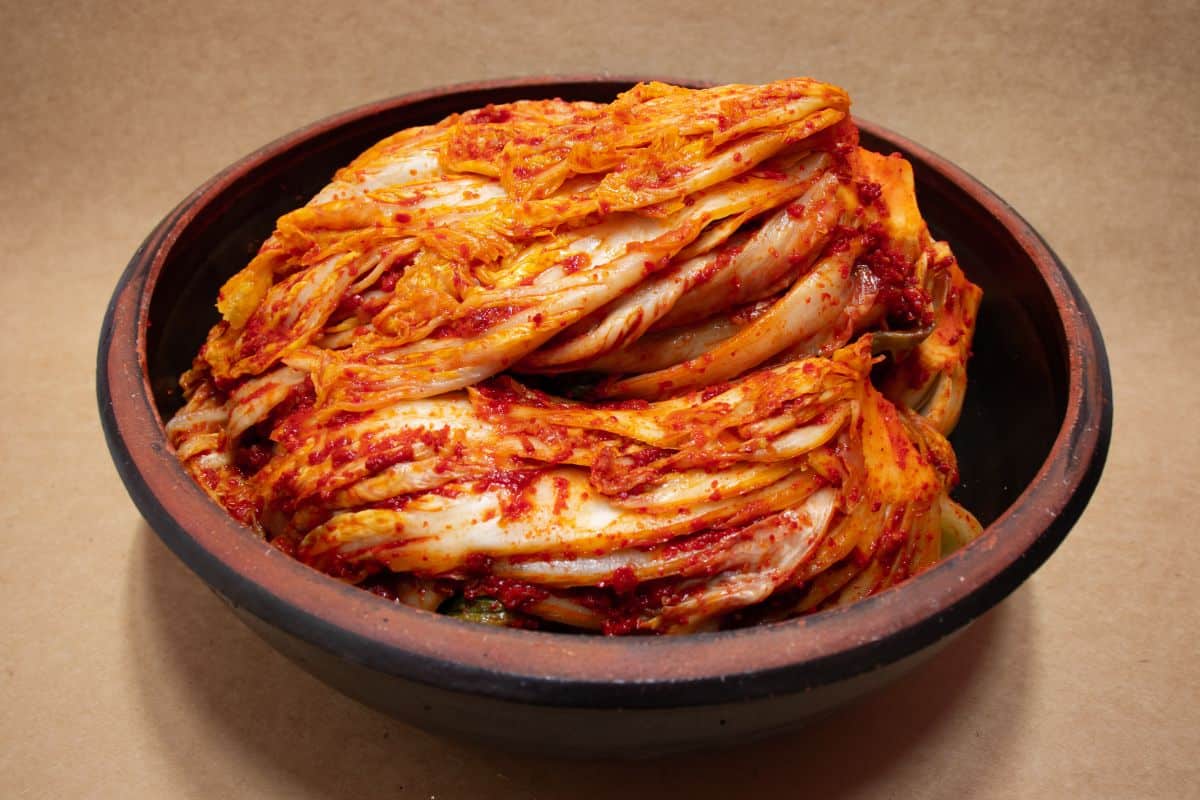
- kimchi
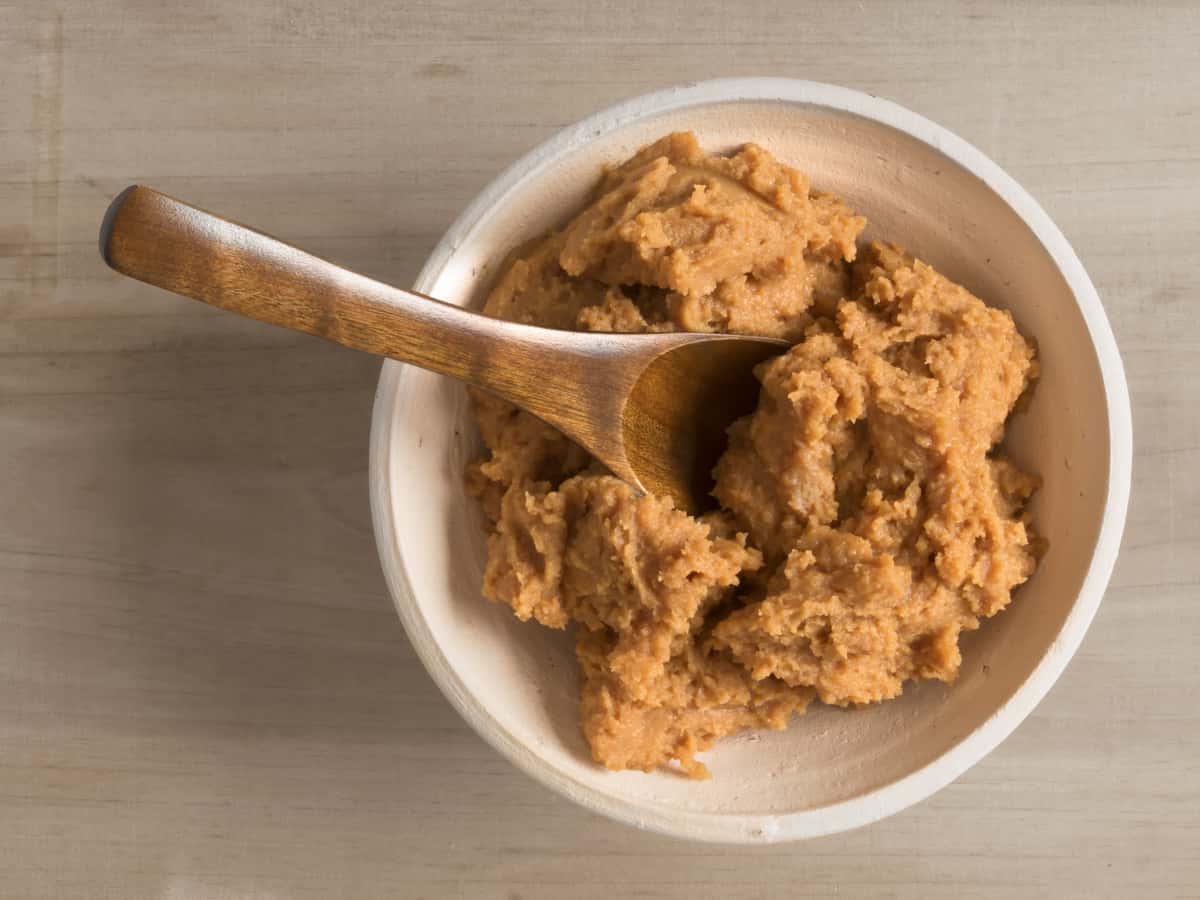
- doenjang (fermented soybean paste)
- gochujang (fermented chili paste)
- ganjang (Korean soy sauce)
- fermented radish and other preserved vegetable side dishes
Some of these are eaten directly, while others work more like flavor-building pantry staples. That is part of what makes Korean fermentation so interesting. It is not only about one finished “health food.” It is woven into cooking itself.
🦠 Why Fermented Foods Keep Showing Up in Gut Health Conversations
Fermented foods come up in gut health conversations because they are often associated with live microbes, digestive support, and microbiome diversity. But it is important to stay precise here. The NIH Office of Dietary Supplements notes that some fermented foods can be sources of live and potentially beneficial microbes, but not all fermented foods consumed contain live cultures, and not all fermented foods automatically count as probiotic foods in the strict scientific sense.
That distinction matters. Fermented foods are interesting from a wellness perspective, but they should not be treated like magic cures. Still, the broader evidence is one reason they stay in the conversation. Reviews published in PMC and PubMed describe fermented foods as having the potential to affect the gut microbiome and support broader health through microbial activity and transformed food substrates.
🌶️ Why Korean Fermented Foods Feel Especially Relevant Right Now
Korean fermented foods feel especially on-trend in 2026 because they solve two problems at once: they offer the flavor intensity modern eaters want, and they fit the “food as daily wellness support” mindset without feeling medicinal.
The prediction say brands are reviving techniques like pickling, drying, and fermenting not only for shelf life or sustainability, but also because those methods align with consumer interest in gut health and culturally rooted food traditions. That frames fermentation as something bigger than a niche wellness fad.
Korean food fits this perfectly because fermentation has always been central to its flavor structure. In other words, Korean fermented foods are not being retrofitted to match a wellness trend. They already belonged to a tradition that 2026 wellness culture is finally paying more attention to.
🥢 Kimchi Is the Gateway, but It Is Not the Whole Story
Kimchi gets most of the global spotlight, and honestly, it makes sense. It is recognizable, visually distinct, strongly flavored, and easy to sell as a symbol of Korean food.
But if the whole conversation begins and ends with kimchi, people miss the bigger point.
Doenjang matters because it brings slow, savory depth to soups and stews. Gochujang matters because it combines heat, sweetness, and fermentation in one pantry staple. Ganjang matters because it shows how fermentation shapes even the more foundational flavors in Korean cooking.
Kimchi may be the gateway, but the real story is that Korean fermentation is not one product. It is a whole food logic.
🍲 How People Are Actually Eating These Foods in 2026
One reason this trend has legs is that Korean fermented foods are easy to work into normal meals.
People are not only eating them in traditional Korean settings. They are using them in:
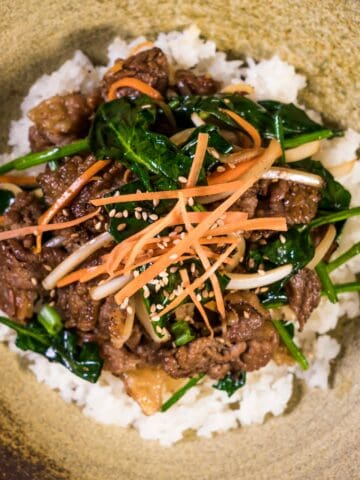
- grain bowls
- soups and stews
- noodle dishes
- sandwiches
- sauces and marinades
- rice bowls
- vegetable sides
That matters because trends last longer when they do not require people to completely change how they eat. Fermented Korean foods fit current eating habits pretty easily. You can have kimchi with eggs, stir doenjang into soup, use gochujang in a dressing or glaze, or build a bowl around rice, vegetables, and fermented toppings.
That kind of flexibility is a huge part of why the category feels bigger in 2026 than it did a few years ago.
📱 Why This Trend Fits the 2026 Wellness Mood
The wellness mood in 2026 is less about perfection and more about integration. People want foods that feel useful, flavorful, and culturally grounded, not just clinically marketed.
Digestive wellness is entering a “new cultural phase,” where the category feels more normalized and openly discussed. That shift helps explain why fermented foods feel timely. They sit comfortably inside the idea of everyday support rather than dramatic transformation.
Korean fermented foods fit that mood especially well because they are:
- flavor-forward
- rooted in tradition
- easy to use in normal meals
- more interesting than generic “gut health” branding
That combination is very 2026.
⚖️ Healthy Trend or Wellness Hype?
The answer is a bit of both, depending on how the conversation is framed.
It is fair to say fermented foods can be part of a gut-friendly diet. There is a growing body of literature suggesting they may support microbiome diversity and broader health. But it is not fair to imply that any one fermented food will “fix” digestion on its own, or that all fermented foods affect every person the same way.
It is also worth remembering that some people do not tolerate fermented foods especially well. Gut-friendly for one person is not automatically gut-friendly for everyone. That is why the most honest framing is this: Korean fermented foods are a compelling part of the 2026 wellness conversation, but they are still food, not miracle products.
🛒 The Best Korean Fermented Foods To Try First
If you are new to Korean fermented foods, the easiest place to start is usually:
- kimchi if you want the classic entry point
- gochujang if you want something pantry-friendly and easy to cook with
- doenjang if you like soups and savory comfort food
- ganjang if you want a milder introduction to fermentation in everyday cooking
If strong fermented flavors make you nervous, start with smaller amounts inside cooked dishes rather than diving straight into the boldest versions. That usually makes the transition easier and more enjoyable.
❓ Frequently Asked Questions
They can be part of a gut-friendly diet, and some fermented foods may provide live microbes and other benefits, but not all fermented foods have the same properties or effects.
Kimchi is a great entry point, but it is only one part of Korean fermentation culture. The broader category includes ingredients like doenjang, gochujang, and ganjang too.
Kimchi is the most recognizable, but gochujang can actually be easier for some people because it works inside familiar meals and sauces.
Yes, they can be. Taste and tolerance vary, which is why it helps to start small and see what feels good for you.
Because digestive wellness is still growing, but the conversation is moving away from supplement-only thinking and toward foods that feel flavorful, traditional, and naturally integrated into real meals.
The same wellness thinking is now showing up in packaged products headed overseas, which is the story behind how functional foods are becoming one of Korea's biggest exports.


Comments
No Comments