
Korea welcomed 10.71 million foreign visitors between January and June 2026 alone, and the country is on pace for around 22 million arrivals by year's end, a 16.2% jump from 2025. But the more interesting story isn't the number of visitors, it's what they're actually doing once they land. Travel in 2026 has shifted from simple sightseeing toward what the industry is calling "immersive living," and Korea has become one of the clearest examples of the trend in action.
Jump to:
🏘️ Seoul Is Endorsing Neighborhoods, Not Just Landmarks
Seoul's city government has started leaning into this shift directly, selecting 18 properties as officially endorsed "Outstanding Seoul Stay" accommodations, homestays and guesthouses embedded in real residential neighborhoods rather than tourist districts. The subsidies and official backing behind these properties signal that this isn't a niche booking trend, it's becoming part of the city's actual tourism strategy.
🧳 Long-Term "Living Travel" Is Spiking
Alongside short stays, Seoul and Busan have emerged as top destinations for month-long "living travel" packages, which typically bundle local cooking classes, weekend market visits, and community volunteering programs into a single extended trip. Demand for these longer, slower visits has spiked noticeably as travelers trade a packed five-day itinerary for something closer to temporarily living like a local.
🏔️ Hanok Stays and Temple Stays Over Hotel Chains
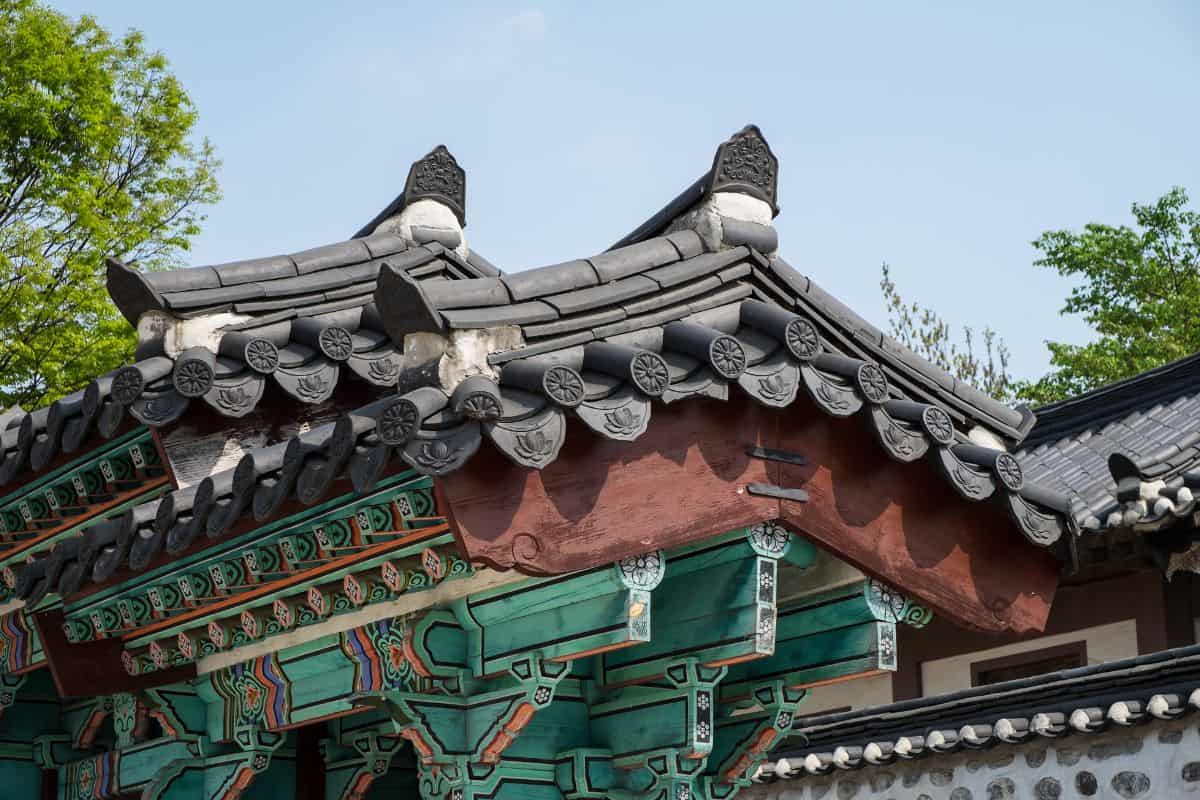
Traditional accommodation formats, hanok stays and temple stays in particular, have become a core part of this shift, giving visitors direct exposure to Korean daily rhythms rather than a hotel experience that could exist anywhere. It's the same instinct driving interest in Korea's weekend escape boom, where visitors increasingly choose quieter, slower destinations over another lap through Seoul's biggest attractions.
🗺️ Secondary Cities Are Getting Real Attention
Immersive travel has also pushed more visitors toward secondary destinations like Gyeongju and Seoraksan, cities and regions that were previously treated as day-trip add-ons rather than primary destinations. That pattern tracks closely with what's driving interest in Korea's most underrated towns, where the appeal is specifically about avoiding the most-photographed spots in favor of something that feels less packaged.
💳 The Spending Numbers Back Up the Shift
This isn't just a lifestyle trend without financial weight behind it. Foreign tourist card spending hit a record 10.03 trillion won ($6.84 billion) in the first half of 2026, reaching that milestone three months faster than the year before. Immersive, longer-format travel tends to generate more local spending than a rushed landmark tour, which is part of why Korean tourism boards have been actively encouraging it.
❓ Frequently Asked Questions
It generally means prioritizing extended stays, local neighborhoods, and everyday activities like cooking classes or markets over a tightly packed schedule of major tourist attractions.
Not necessarily. While there are official long-term "living travel" packages, simply choosing a hanok stay, a residential neighborhood guesthouse, or a slower itinerary in a secondary city achieves a similar effect.
It depends on the format. Longer stays can lower the average daily cost even though total spending is higher, since travelers often cook some meals locally and use extended-stay accommodation rates.
Busan has emerged alongside Seoul as a top destination for long-term living travel, and secondary destinations like Gyeongju and Seoraksan are increasingly treated as standalone trips rather than day trips.

Comments
No Comments