
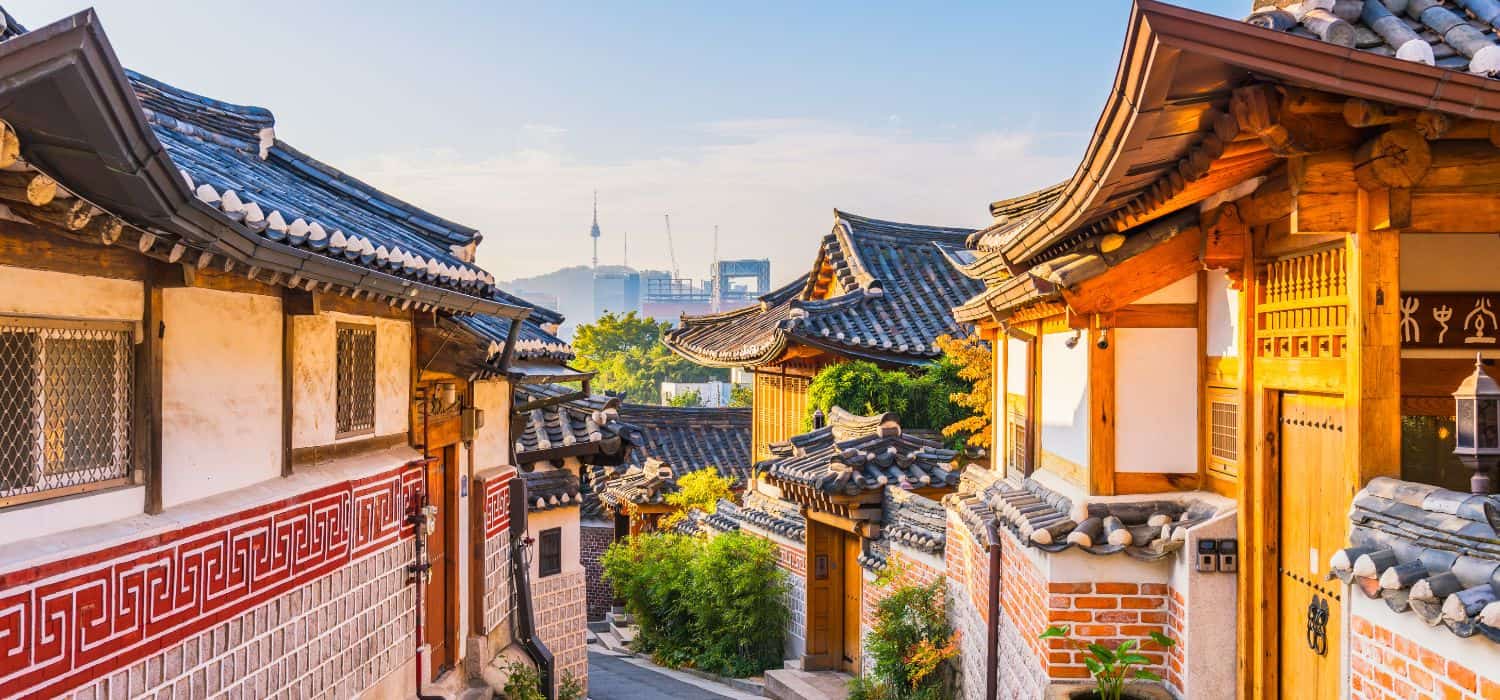
Most first-time itineraries treat Korea as Seoul plus a day trip, maybe two if there's time for Busan. It's an understandable default, but it also means most visitors leave having seen exactly one version of the country: dense, fast, and urban. The towns outside that loop tell a different story, one built around hanok villages, quiet mountain terrain, and a pace of life that doesn't exist in a city of ten million people.
A quiet shift has been building in how people travel through Korea, with a noticeable move away from city-only itineraries and toward smaller, slower destinations, helped along by tourism boards actively investing in restoring rural hanok villages and traditional craft towns. These are a few of the towns worth building a few extra days around.
Jump to:
🏘️ Jeonju: Korea's Food Capital, Minus the Crowds
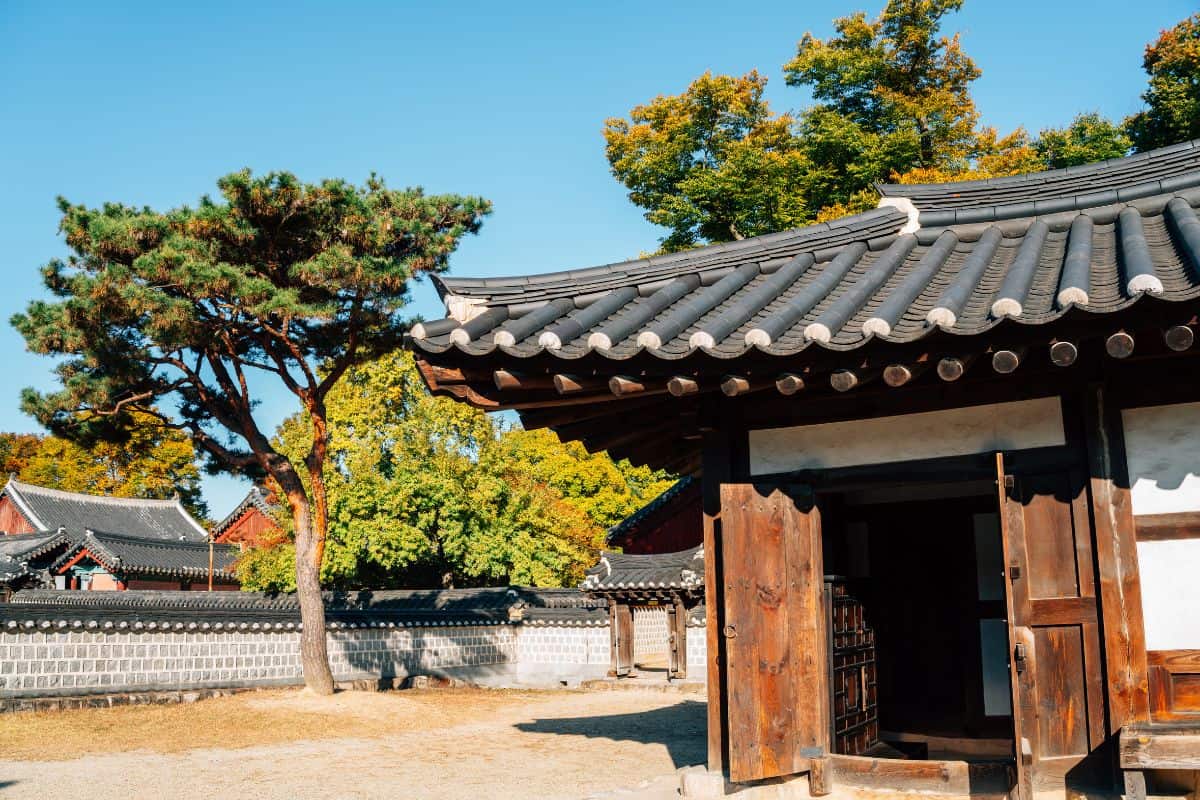
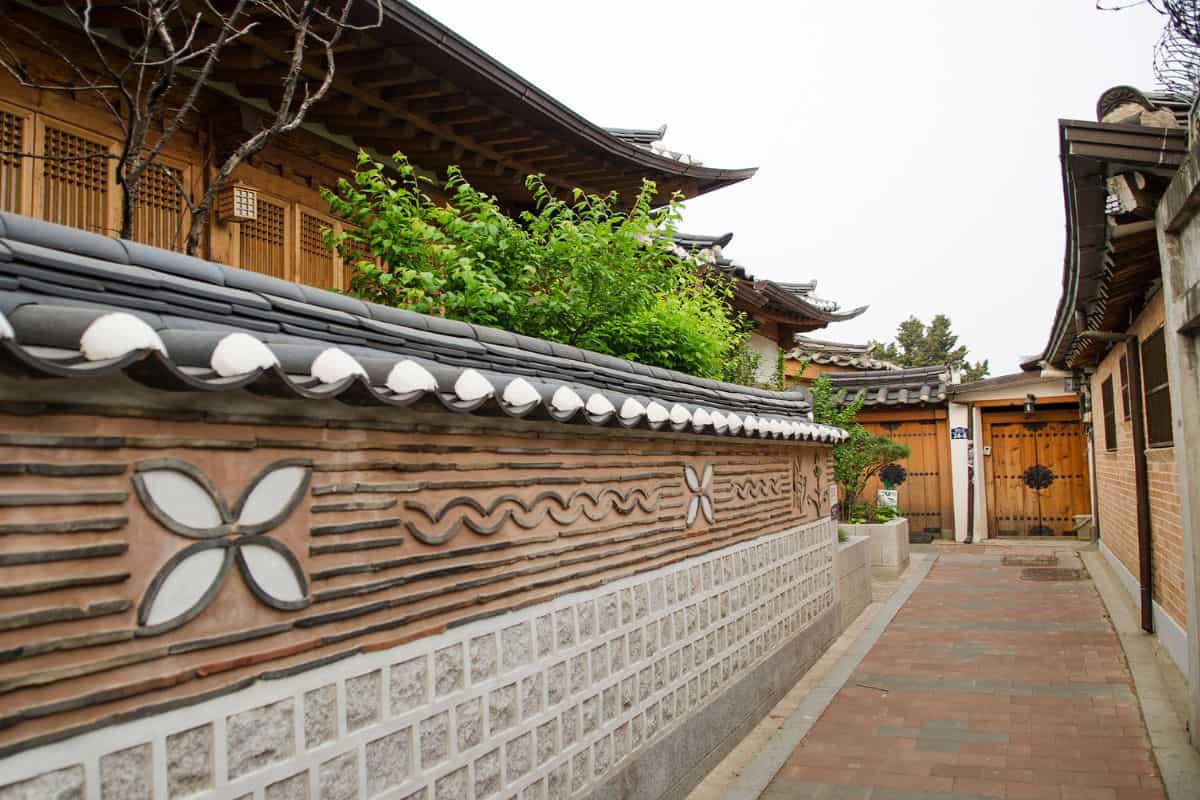
Jeonju gets mentioned more than most towns on this list, but it's still wildly underrated relative to how good it actually is. It's known as one of Korea's food capital cities, and Jeonju Hanok Village is one of the best-preserved traditional neighborhoods in the country, with centuries-old tiled-roof houses that are still lived in, not just staged for tourists. Between the food scene and the hanok stays, it's an easy two days that most itineraries compress into an afternoon.
⛰️ Danyang: Mountains Without the Hiking Crowds
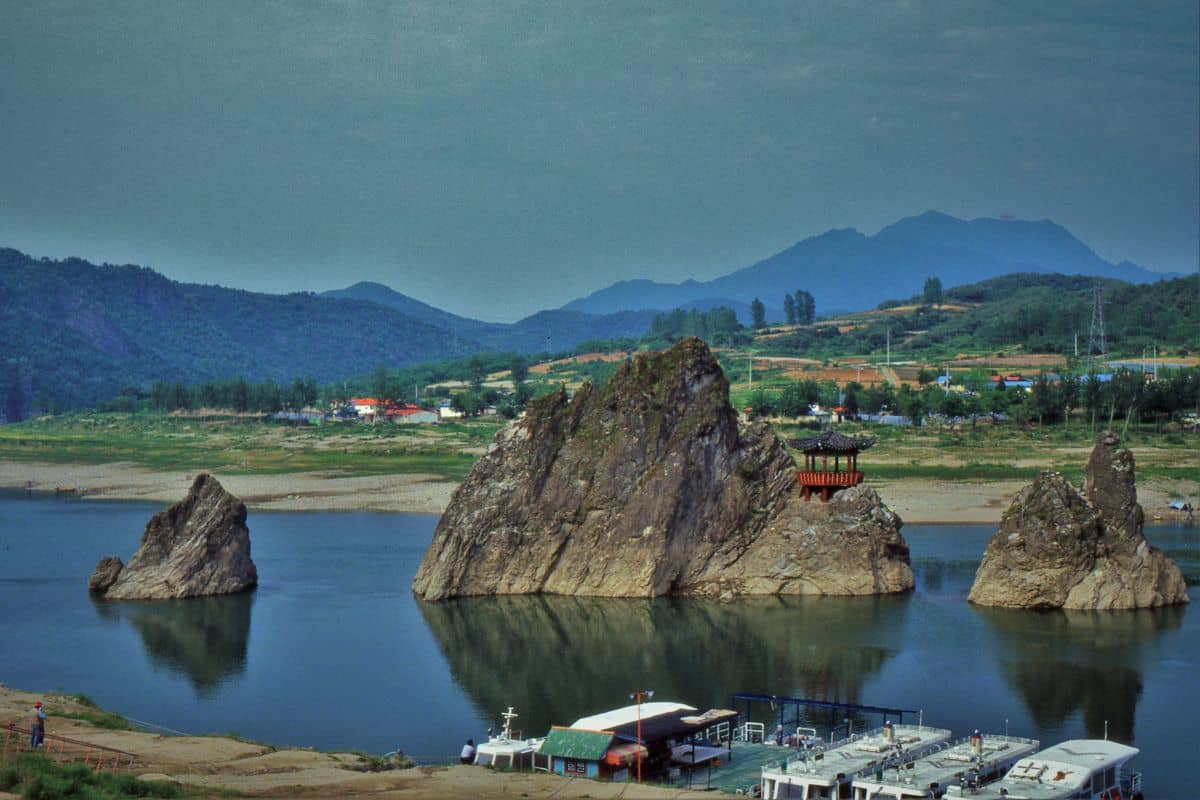
Danyang sits in a part of the country most visitors never route through, which is exactly why it's worth the detour. It's built around dramatic limestone terrain, river valleys, and a scale of nature that Seoul simply doesn't have room for. If things to do in Danyang aren't already on a Korea itinerary, they're worth adding for anyone who wants their trip to include actual quiet, not just a change of scenery.
🏛️ Gyeongju: The Museum Without Walls
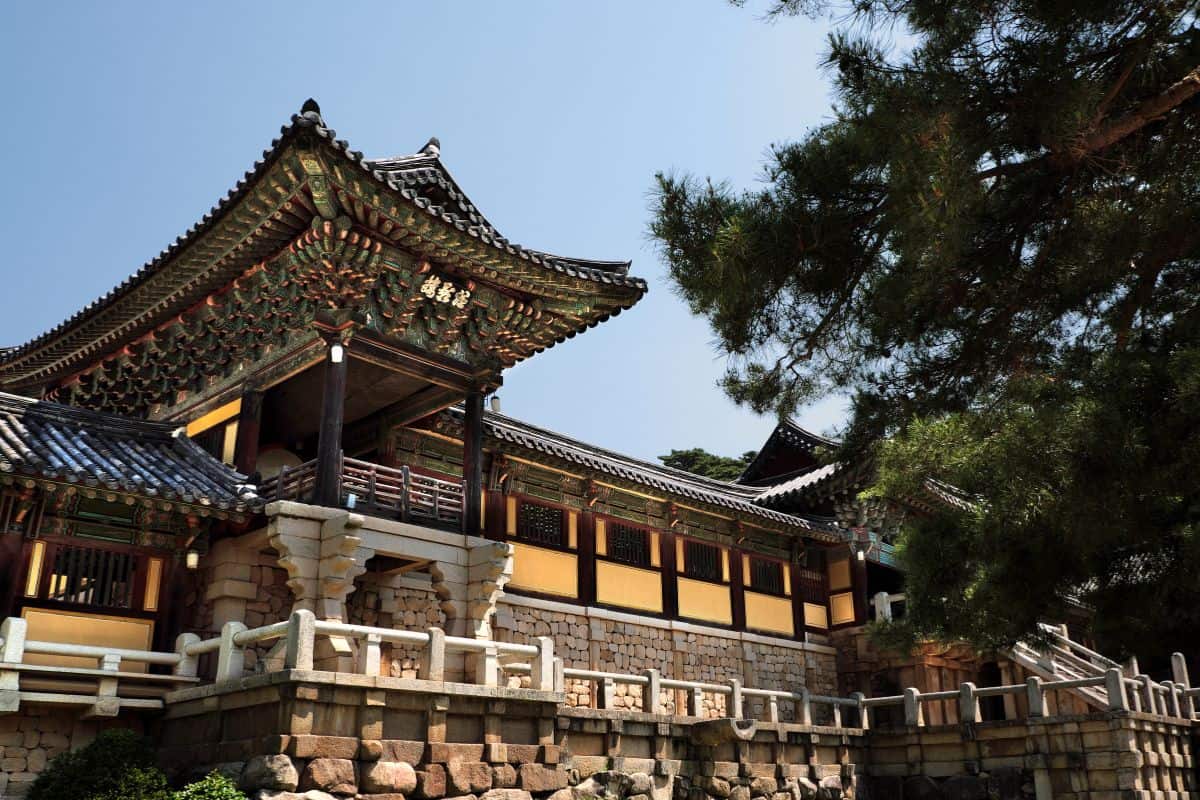
Gyeongju earns its nickname honestly. As the former capital of the Silla Kingdom, the entire city functions like an open-air museum, with royal tombs, temples, and centuries-old sites woven directly into daily life rather than roped off in a separate district. It's a pocket-sized city that rewards slow walking far more than a rushed checklist.
🌊 Sokcho: Where the Mountains Meet the Coast
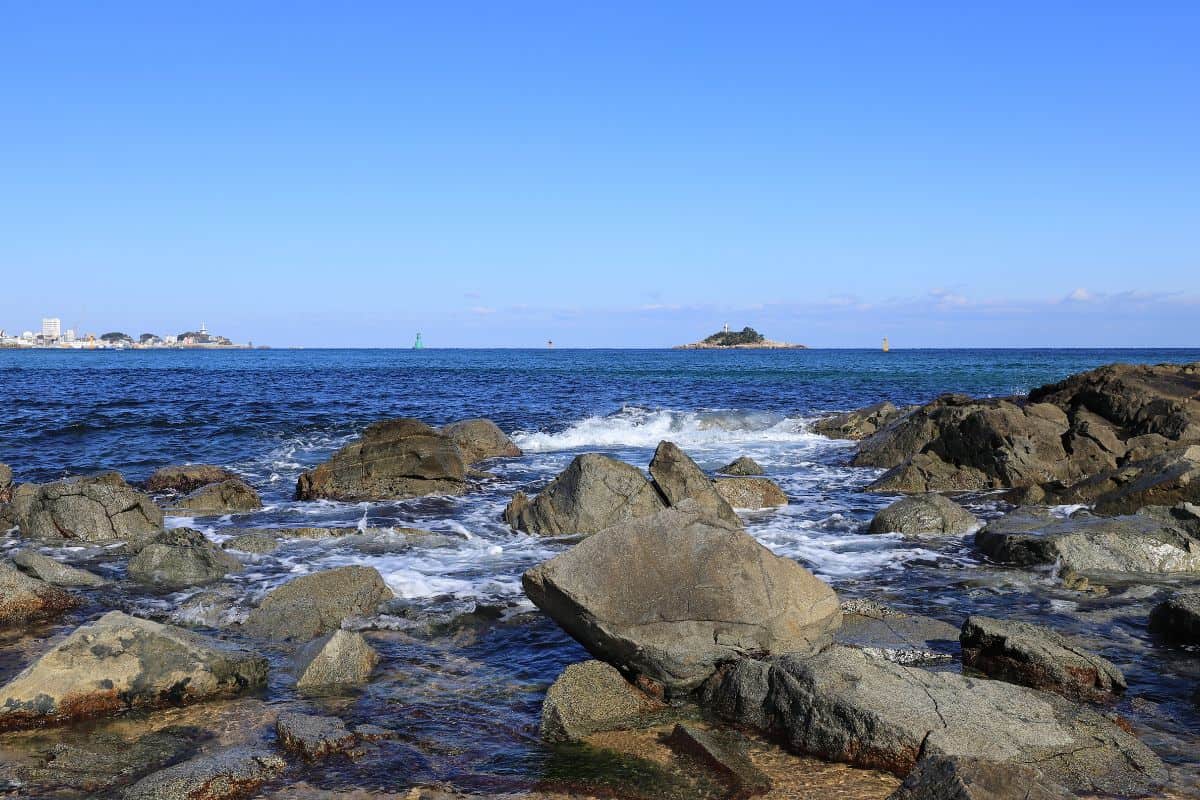
Sokcho is the rare Korean destination that offers both beach and mountain in the same trip, sitting right at the edge of Seoraksan National Park while also facing the East Sea. What to do in Sokcho tends to center on that exact combination: hiking in the morning, seafood and coastline in the afternoon, which is a pairing that's hard to find anywhere else in the country.
🥾 Why This Shift Is Happening Now
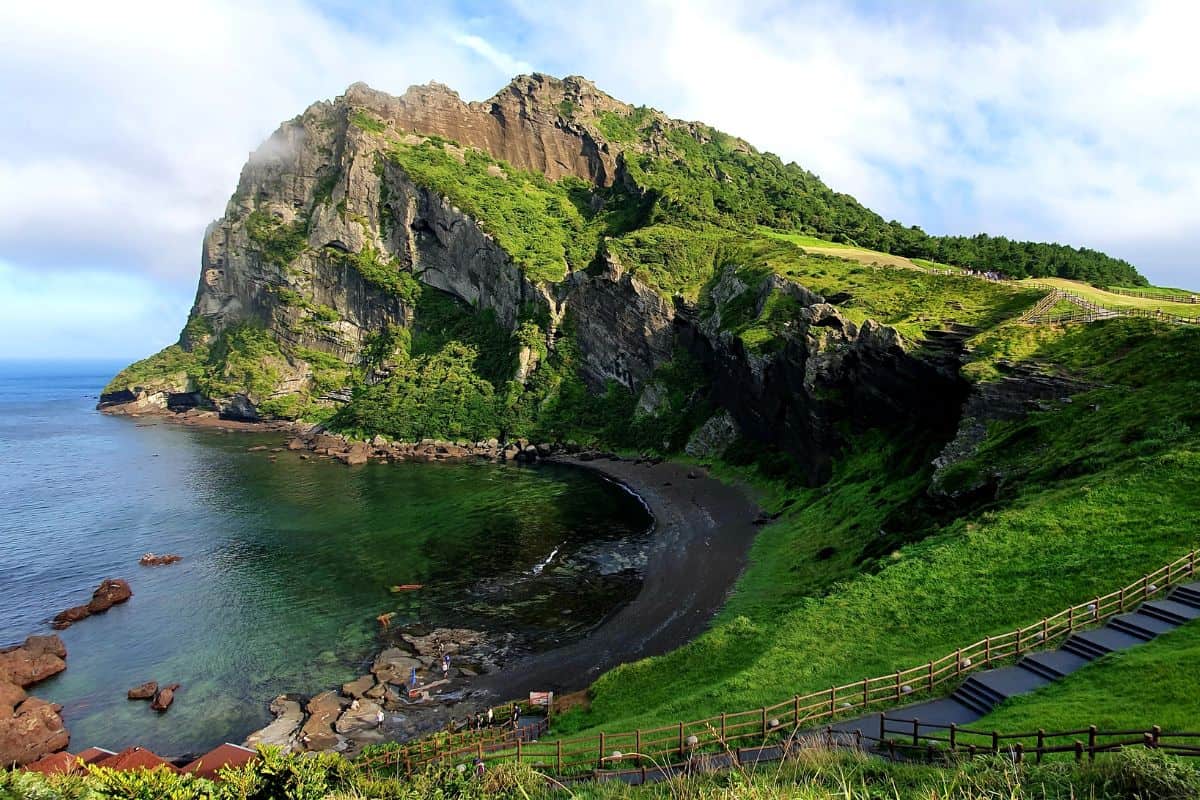
The appeal of these towns isn't just novelty. It's a response to what city travel doesn't offer: real quiet, hiking terrain that isn't shared with a few million other residents, and a version of Korean life that isn't built around a subway map.
As travel coverage on alternative Korean cities has noted, stepping outside Seoul tends to reveal a side of the country that a capital-city itinerary simply doesn't have room to show.
🍜 Food Is the Best Reason to Detour
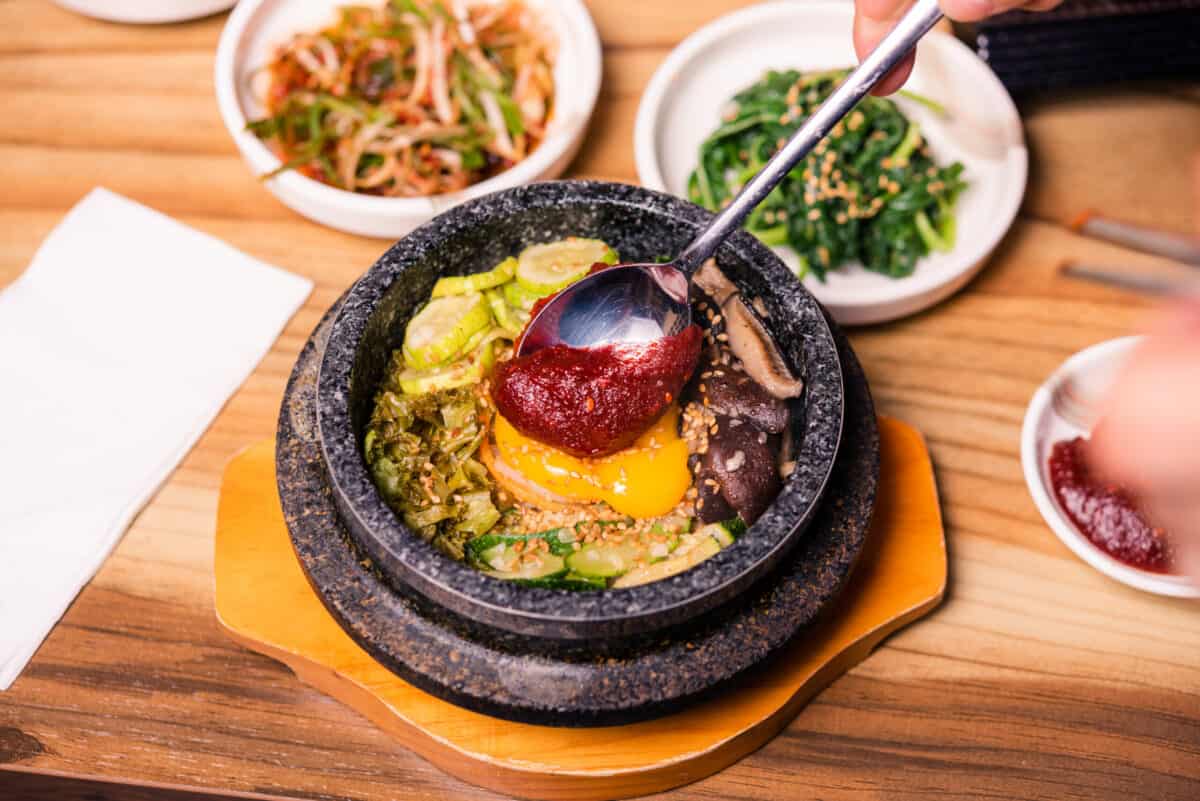
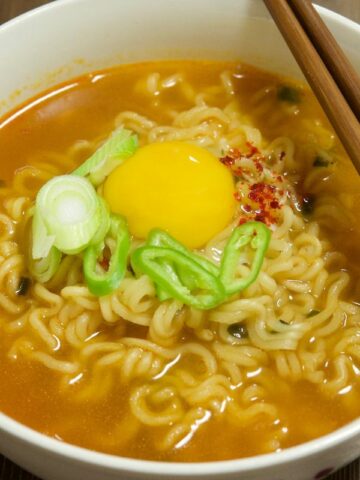
Every one of these towns has a food identity distinct from Seoul's. Jeonju's bibimbap is considered the definitive version by a lot of Koreans, Gyeongju leans on delicate, temple-influenced dishes tied to its royal history, and Sokcho's seafood comes straight off boats that dock a short walk from where it's served.
None of it is hard to find once there, it just isn't available anywhere else, which is reason enough on its own to build a trip around one of these towns rather than treating them as an afterthought.
❓ Frequently Asked Questions
Not usually. Jeonju, Gyeongju, and Sokcho are all reachable by intercity bus or train from Seoul, though a car does make it easier to explore the surrounding countryside once there.
Two to three days is enough to meaningfully experience one or two of these towns without feeling rushed, especially if an overnight hanok stay is part of the plan.
Town centers like Jeonju Hanok Village and central Gyeongju are very walkable. Sokcho and Danyang benefit from a car or local bus for reaching hiking trailheads and coastal areas.
Spring and fall tend to be ideal for all four, with mild temperatures for hiking and clearer visibility for coastal and mountain views. Gyeongju in particular is popular during cherry blossom season.

Comments
No Comments