
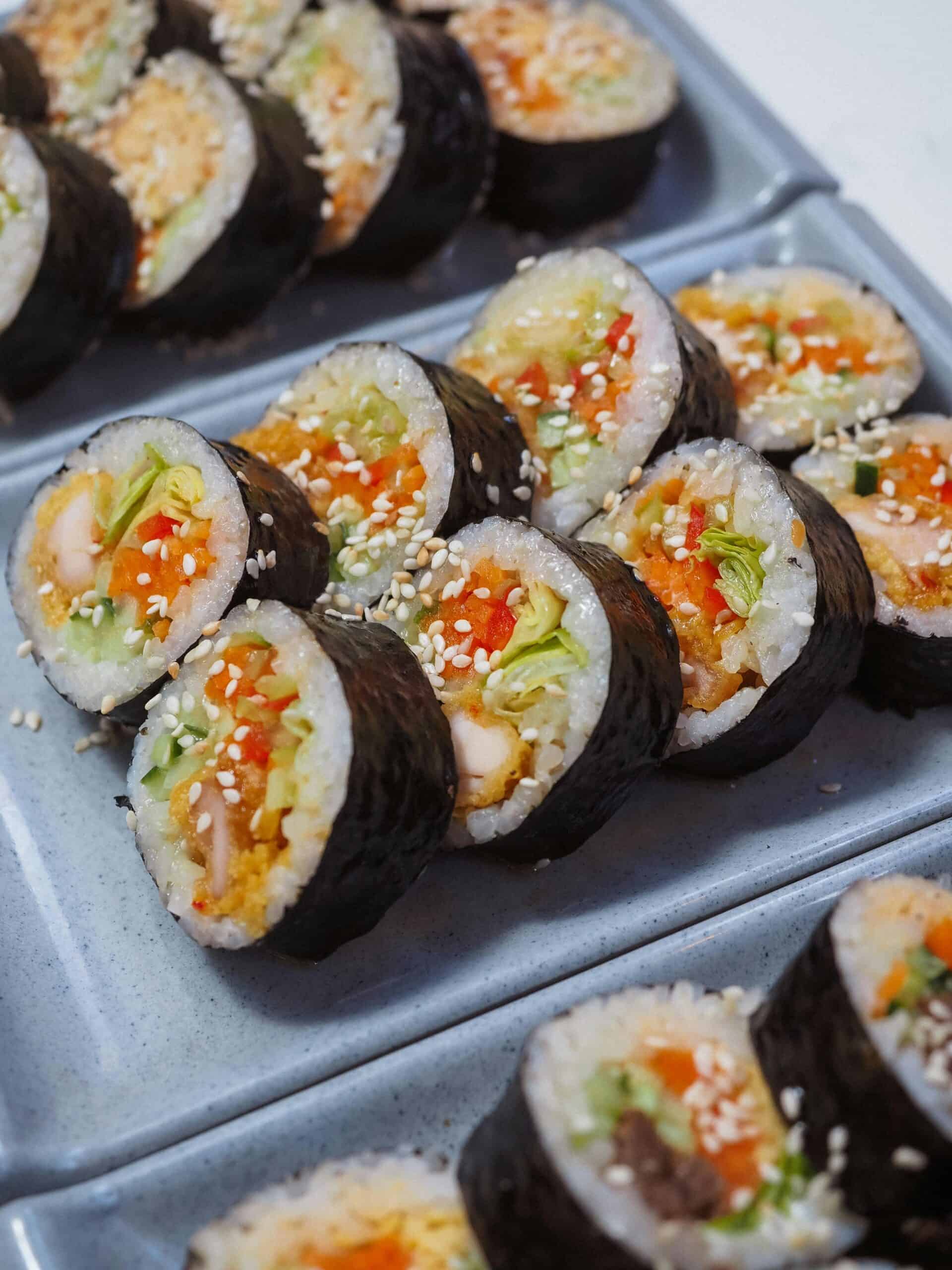
Costco kimbap looks small at first glance. It is just one freezer item in one giant retailer. But that is also exactly why it matters. When a food like kimbap shows up in a place built around bulk groceries, convenience, and weekly routines, it is a sign that Korean food is no longer being treated only as something trendy, restaurant-based, or tied to a fandom moment. It is becoming normal grocery-store food for a much wider public.
That is what makes this a story about the quiet globalization of Korean food. Not the loud version with viral mukbang clips or dramatic celebrity collabs, but the slower version where Korean food starts showing up in freezer aisles, lunchboxes, snack shelves, and weeknight meal plans.
Jump to:
- 🛒 Why Costco Kimbap Became Such a Big Deal
- 🍙 What Kimbap Means in This Conversation
- 🌍 The Quiet Globalization of Korean Food
- 🥟 The Other Korean Foods Quietly Winning Overseas
- 📺 K-Culture Opened the Door, but Convenience Made It Stick
- 🏠 From “Trying Korean Food” to Keeping It at Home
- ⚖️ What Gets Gained and What Gets Lost
- ❓ Frequently Asked Questions
- 💬 Comments
🛒 Why Costco Kimbap Became Such a Big Deal
Part of the buzz came from timing. Frozen kimbap had already become a hot item in the U.S., helped by earlier sellouts at Trader Joe’s and other retailers.
Costco’s own same-day listings now show Korean-made frozen kimbap products like Hanwoomul Fried Tofu & Vegetable Kimbap and Hansik Perilla Leaf & Tuna Mayo Kimbap, both sold in multi-pack freezer formats. That means kimbap is not just appearing as a novelty import. It is being treated as a practical, scalable grocery item.
That shift matters because Costco is not a niche Korean grocery chain. It is a mainstream big-box retailer. When kimbap lands there, it reaches people who may not have gone looking for Korean food in the first place. It starts to look less like “try this Korean thing” and more like “pick this up for lunch.”
🍙 What Kimbap Means in This Conversation
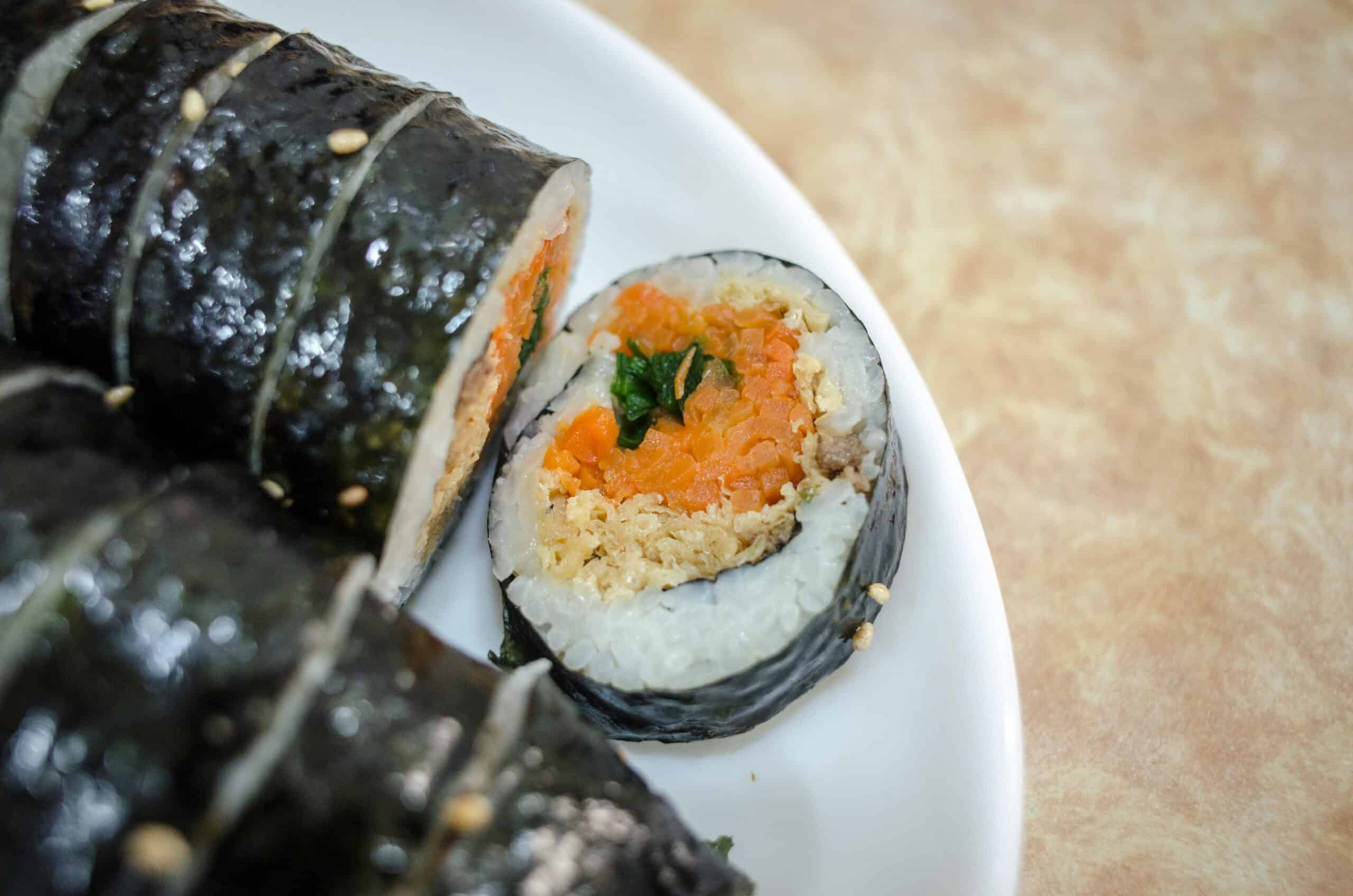
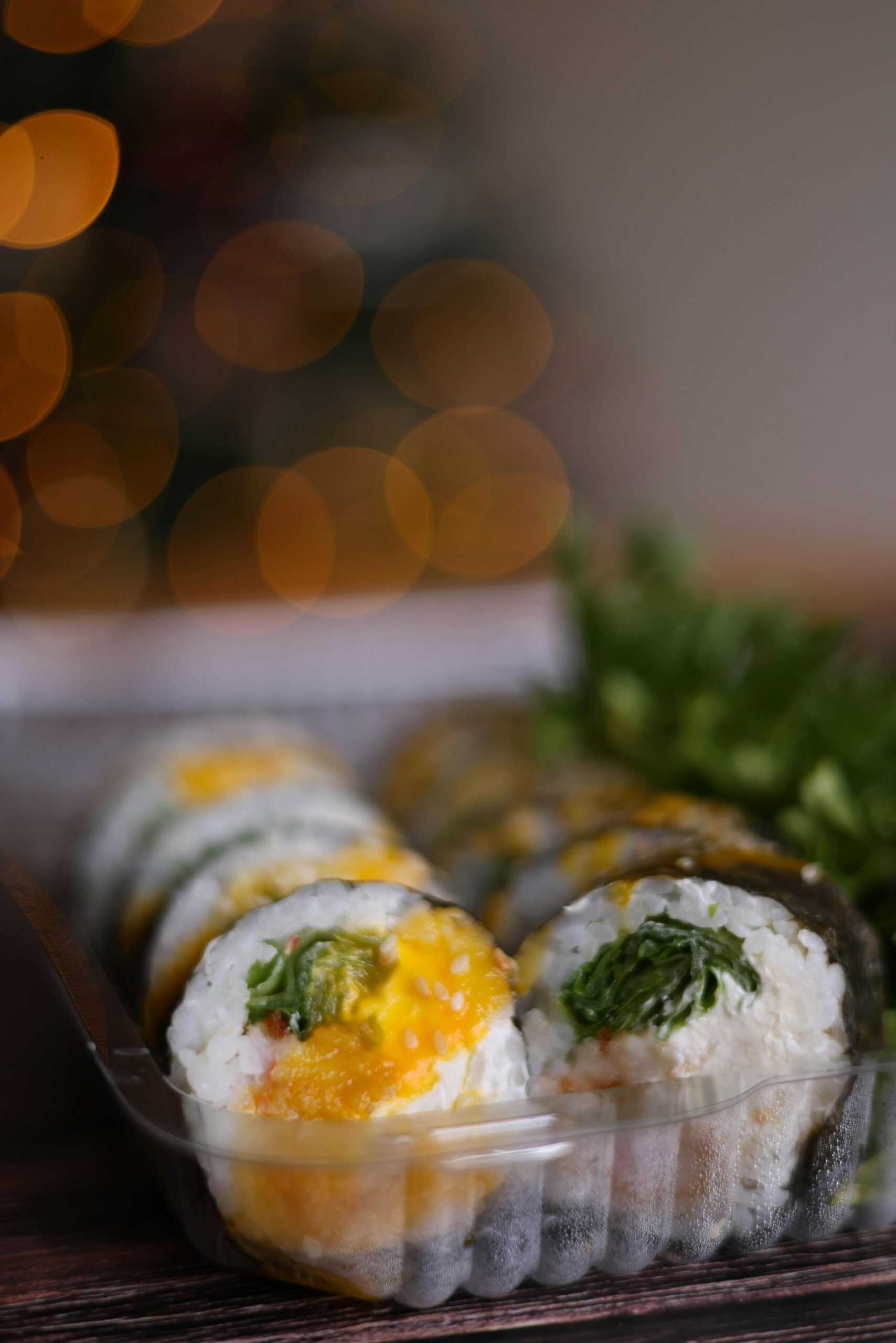
Kimbap is not random. It is one of the easiest Korean foods to understand at a glance: sliced, portable, familiar-looking, and built around rice, seaweed, and fillings. That makes it unusually easy to move across borders and retail systems.
The Washington Post described kimbap’s recent global rise as part comfort food, part cultural symbol, noting how it became more visible internationally through both media exposure and grocery retail.
And unlike some foods that feel locked to restaurant service, kimbap already makes sense as a packed meal, picnic food, or quick lunch. So once frozen formats improved and big retailers started carrying it, the jump into mainstream grocery culture was not as strange as it might seem. It was actually a pretty logical next step.
🌍 The Quiet Globalization of Korean Food
The phrase “quiet globalization” fits because this is not only about one explosive trend. In fact, the frozen gimbap boom already shows what quiet globalization looks like better than a hype cycle does.
Korean frozen gimbap exports to the U.S. surged to $2.2 million in 2024, then dropped to about $440,600 in 2025. On paper, that looks like a fall. But compared with $133,800 in 2023, 2025 was still about 3.3 times higher. In other words, the frenzy cooled, but the baseline stayed much stronger than before.
That is how mainstreaming often works. The first spike is loud. The more important part is what remains after the noise dies down. Costco kimbap matters because it suggests Korean food is not disappearing when the social-media wave softens. It is settling into ordinary retail life.
🥟 The Other Korean Foods Quietly Winning Overseas
Kimbap is just the easy symbol. The bigger story is that Korean food exports as a whole are climbing. South Korea’s food and agriculture-related exports hit a record $13.62 billion in 2025, and the government explicitly tied that growth to the global popularity of Korean foods like ramyeon, sauces, and fruits, along with more convenient and trend-friendly food products.
That is why the broader global Korean pantry now includes things like frozen mandu, tteokbokki kits, gochujang, kimchi, seaweed snacks, and instant noodles. These products work well abroad not just because they are “Korean,” but because they fit how people already shop: freezer-friendly, shelf-stable, easy to cook, and easy to repeat-buy.
📺 K-Culture Opened the Door, but Convenience Made It Stick
K-dramas, K-pop, and Korean media absolutely helped make Korean food feel familiar. Kimbap got a big visibility boost from pop culture, and that kind of exposure made more people curious. But curiosity alone does not build a lasting grocery category. Availability does. Retail convenience is what turns “I want to try that once” into “I keep this in my freezer.”
That is why Costco feels important here. K-culture may have opened the door, but a giant warehouse retailer helps lock the habit in. A frozen roll you can heat in minutes is a much easier bridge from curiosity to routine than a restaurant meal that requires planning.
🏠 From “Trying Korean Food” to Keeping It at Home
This may be the biggest shift of all. Korean food is moving from “something to go out for” to “something to keep at home.” That sounds simple, but it changes everything. Once a cuisine enters people’s regular shopping cycle, it stops depending only on hype. It starts living in family freezers, weekday lunches, and repeat grocery lists.
Costco kimbap is a neat example because it is not trying to be a luxury product or a special event. It is being sold like a normal, useful freezer item. That is a much deeper level of globalization than just having Korean restaurants in big cities or Korean food trending on social media.
⚖️ What Gets Gained and What Gets Lost
There is a lot to like about this shift. More people get access to Korean food. More shoppers get curious. More Korean companies get shelf space abroad. And foods that once felt niche start becoming part of everyday life in other countries.
But there is also a trade-off. When one or two items become the global face of a cuisine, people can start to flatten a much bigger food culture into a few export hits. Kimbap is real Korean food, obviously, but it is still only one small piece of a much larger picture. The quiet globalization of Korean food is good for access, but it can also make the cuisine seem simpler and narrower than it really is.
❓ Frequently Asked Questions
It is better to think of it as a retail version of a real Korean food, not a replacement for every fresh kimbap experience. Costco’s current kimbap listings are Korean-made and clearly positioned as frozen convenience products.
ecause they sit at the sweet spot of curiosity and convenience. They feel a little new, but they are easy to store, easy to heat, and easy to fit into busy routines. That matches what South Korea’s agriculture ministry identified as a major export driver: convenient, trendy food products that fit modern lifestyles.
Both can be true. It helps by making Korean food more visible and more normal in daily life. But it can also flatten the culture if people stop at just a few easy freezer items and assume that is the whole story.


Comments
No Comments