
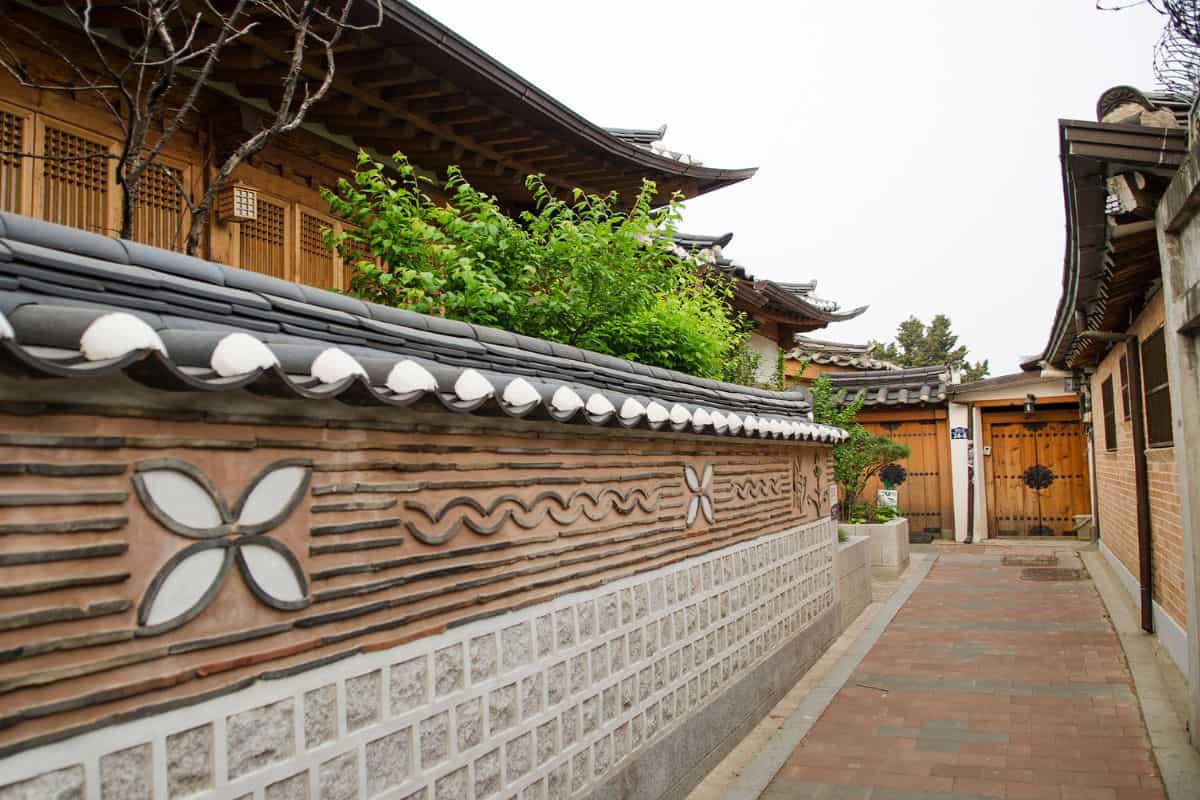
Walk through Ikseon-dong or Eulji-ro in Seoul and you'll see it immediately: hanok rooflines next to vintage-inspired signage, neon tracksuits echoing the 1988 Olympics, cafes that feel plucked from decades ago but are packed with people in their twenties. This is newtro, a blend of "new" and "retro," and in 2026 it shows no sign of being a passing phase.
Jump to:
🕰️ What Newtro Actually Means
Newtro emerged as a South Korean youth-driven trend around 2018 and surged by 2019, defined by the creative fusion of contemporary elements with nostalgic aesthetics pulled primarily from the 1980s and 1990s. It shows up across fashion, media, food and drink, and urban architecture, less a single style than a lens applied across nearly every category of culture at once.
🇰🇷 Why This Generation, Specifically
The MZ generation, millennials and Gen Z together, is the driving force, and their approach to the past is notably unbothered by historical accuracy. Old cultural symbols and styles get reinterpreted freely, turned into sources of modern pride and creative experimentation rather than treated as artifacts to preserve exactly as they were. That freedom is part of what makes newtro feel current instead of like a straightforward retro revival.
📱 A Nostalgia Trend Built for Social Media
Newtro is driven by a real desire for authenticity and simplicity, but its spread has been thoroughly modern. The ability to photograph and share newtro-inspired spaces and outfits has given a genuinely nostalgic movement a distinctly online life, which is part of why neighborhoods built around the aesthetic tend to become Instagram destinations almost immediately.
🏘️ The Neighborhoods Doing the Most Work
Ikseon-dong and Eulji-ro have become the clearest physical expression of newtro, revitalized with hanok-style cafes, vintage-inspired shops, and nostalgic venues that blend traditional Korean architecture with trendy, photo-ready design. It's the same instinct behind Korea's broader wave of aesthetic-driven neighborhoods, similar to what's playing out in the city's other viral photo spots, just filtered through a specifically retro lens rather than a purely contemporary one.
👕 From Tracksuits to Modernized Hanbok
On the fashion side, newtro spans everything from neon Olympic-style tracksuits to modernized hanbok-inspired streetwear, garments that borrow silhouettes or motifs from Korean tradition without functioning as literal historical dress. That same instinct, updating a traditional format with a modern sensibility rather than replacing it outright, shows up clearly in modernized hanbang skincare, where centuries-old ingredients get the same kind of contemporary reinterpretation newtro applies to fashion and interiors.
❓ Frequently Asked Questions
Not exactly. Vintage and retro generally aim to replicate a past style closely, while newtro deliberately blends old aesthetics with modern elements, prioritizing a fresh reinterpretation over historical accuracy.
It emerged as a distinctly South Korean youth movement, gaining momentum around 2018 and surging in visibility by 2019, though it draws on cultural touchpoints from decades earlier.
No. It spans fashion, cafe and interior design, food and drink branding, gaming, and graphic design, making it more of a broad cultural mood than a trend confined to one category.
Ikseon-dong and Eulji-ro are the two most closely associated with newtro, both known for blending hanok-style architecture and vintage-inspired venues with a distinctly modern, social-media-friendly presentation.

Comments
No Comments