
Soju gets most of the attention, especially from first-time visitors, but Korean drink culture is much bigger than that.
There are sweet rice drinks, old-school punches, convenience store favorites, café drinks, gentle teas, and other alcohol options that feel completely different from the standard green bottle people usually associate with Korea. Some are refreshing, some are cozy, some are nostalgic, and some are the kind of thing you try once and immediately want again.
If you want to drink your way through Korea without defaulting to soju every time, these are a great place to start.
Jump to:
🥤 Why Korean Drinks Go Way Beyond Soju
A lot of people talk about Korean food as if the drink side begins and ends with soju. It really does not.
Korea has a strong culture around:
- convenience store drinks
- traditional sweet drinks
- rice-based alcohol
- café beverages
- everyday teas served with meals
That means your options are much more interesting than just “soju or beer.” In fact, some of the most memorable Korean drinks are the non-soju ones, especially if you want something that feels more local, more comforting, or just easier to enjoy on a first try.
🍚 1. Sikhye
Sikhye is one of the easiest traditional Korean drinks to like.
It is a sweet rice drink with a soft malty flavor, usually served cold, sometimes with a few grains of rice floating in it. If you have never had it before, it can feel a little unusual at first, but in a very gentle way. It is not intense. It is just sweet, mellow, and a little nostalgic-feeling.
This is a great first traditional drink if you want something clearly Korean without jumping straight into a stronger herbal or medicinal taste.
🌿 2. Sujeonggwa
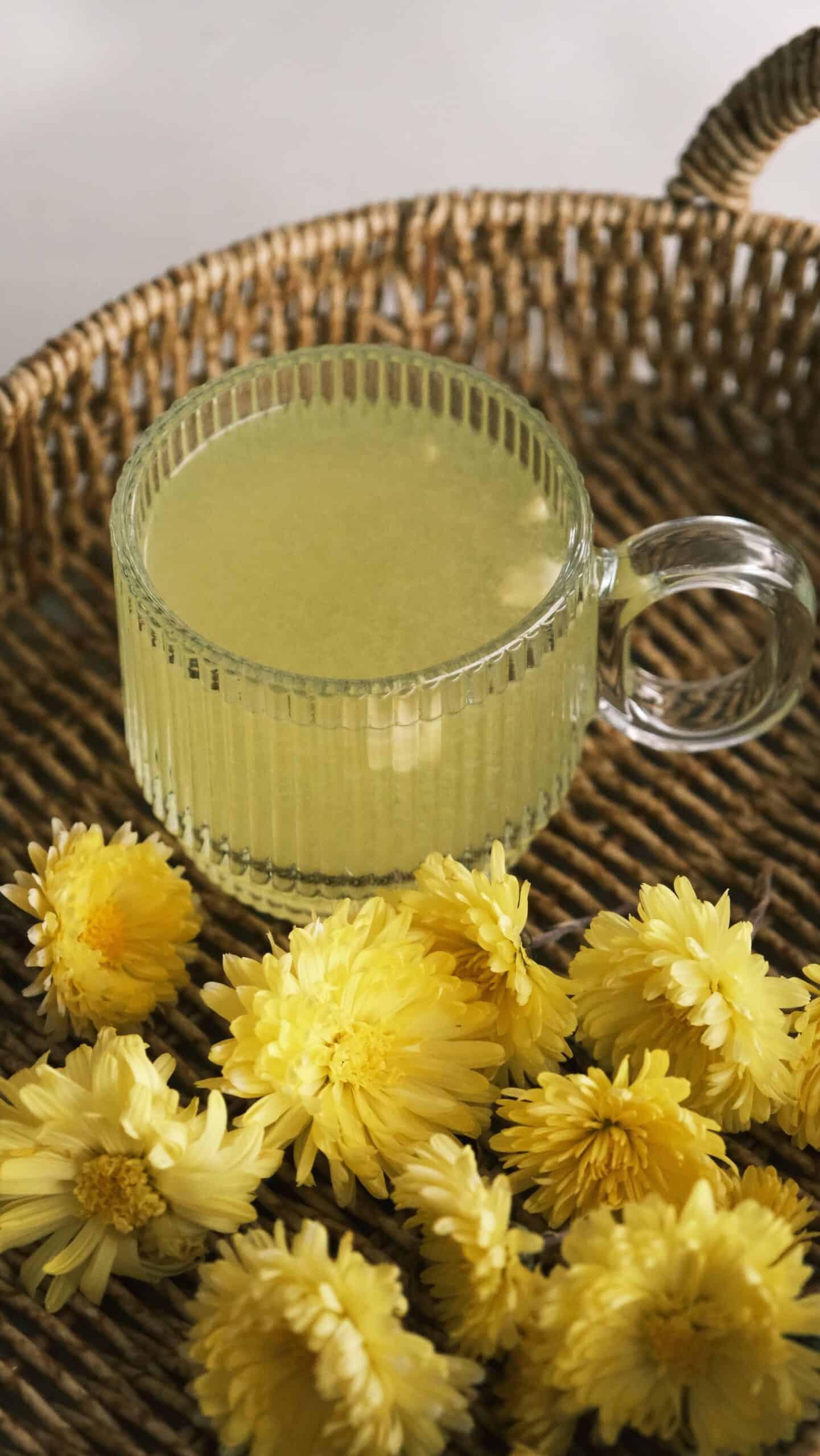
Sujeonggwa feels more old-school and more distinct than sikhye.
It is a traditional punch usually made with cinnamon, ginger, and dried persimmon, and it has a deeper, spiced sweetness to it. If sikhye is soft and easy, sujeonggwa feels more dramatic and seasonal.
This is the kind of drink that works especially well if you like flavors that feel warming, slightly festive, or a little more traditional. It is also one of the Korean drinks that really does not taste like much else.
🍌 3. Banana Milk
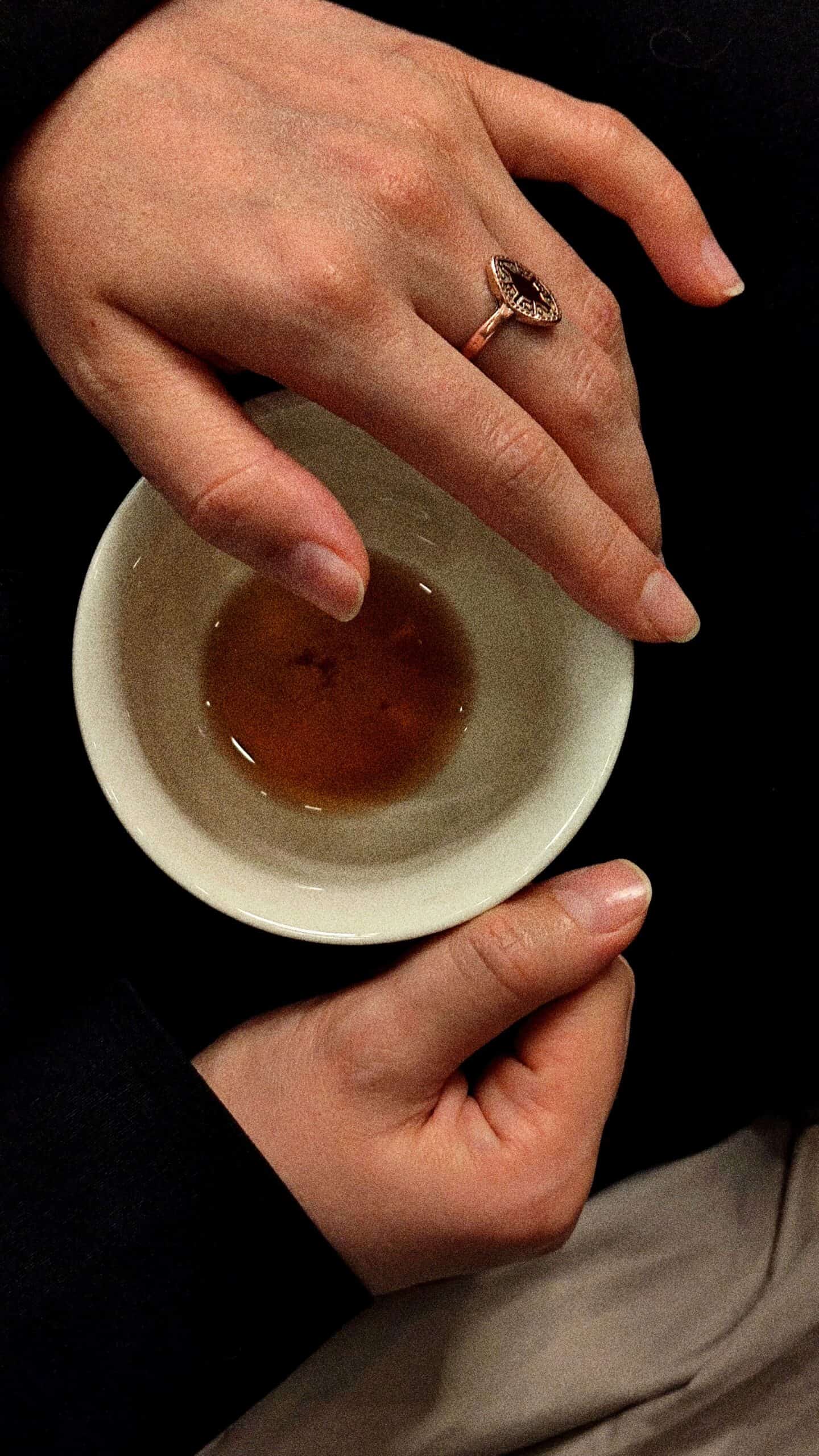
Banana milk is one of the most iconic Korean drinks for a reason.
It is sweet, creamy, easy to find, and very tied to Korean convenience store culture. Even people who are not especially into milk drinks tend to try it at least once because it has become such a classic “you have to get this in Korea” item.
It is also one of the easiest drinks on this list to love immediately. No learning curve, no special context needed. Just cold, sweet, and very snackable.
If you are standing in a convenience store not knowing where to start, banana milk is one of the safest answers.
☕ 4. Dalgona Latte
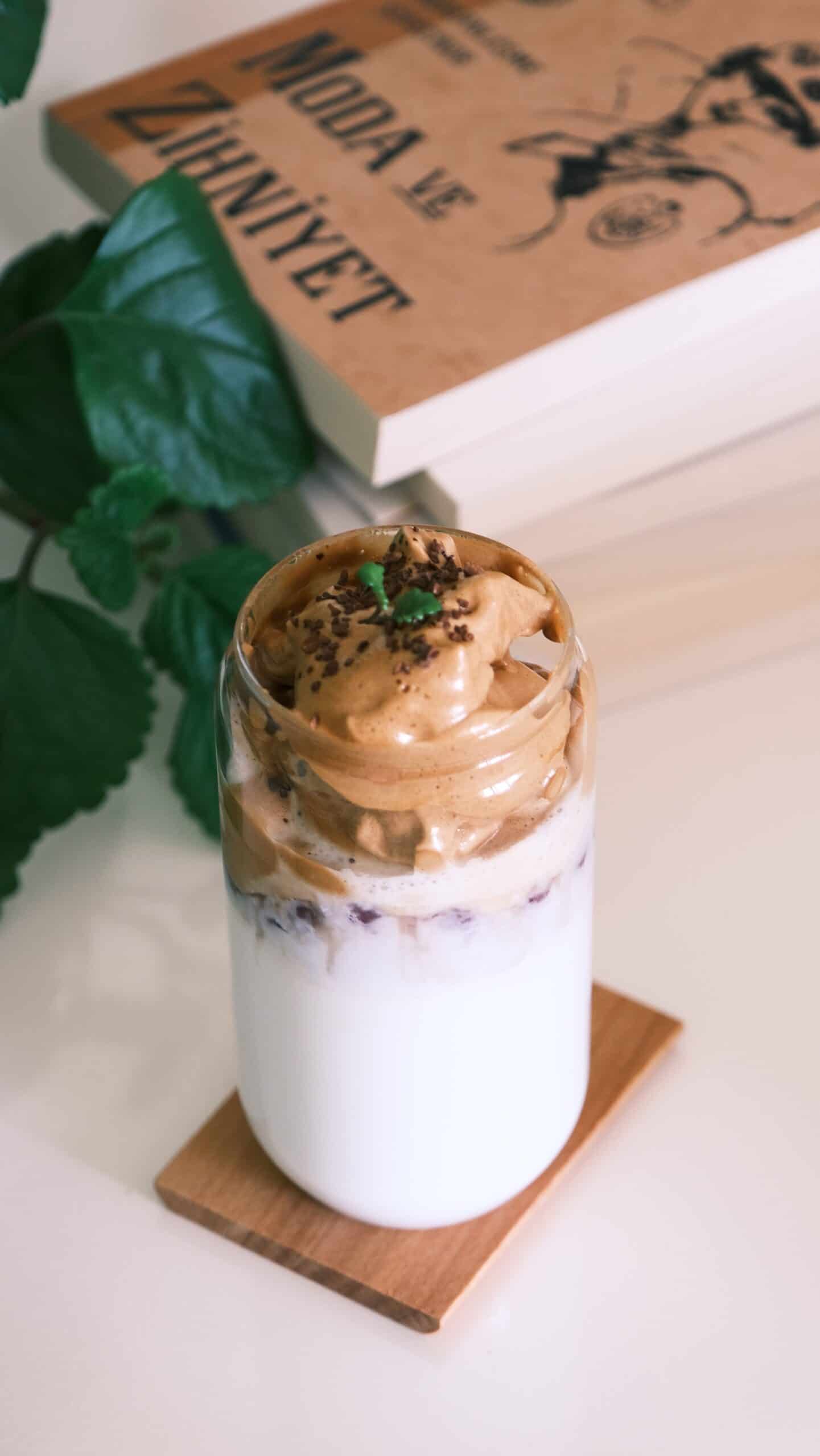
Dalgona coffee got global attention, but in Korea, dalgona-style café drinks fit into a much broader love for photogenic, dessert-like drinks.
A dalgona latte usually gives you that whipped, sweet, slightly bitter coffee layer over milk, and it feels more like a café treat than a pure caffeine necessity. It is the kind of drink that sits right at the intersection of Korean café culture and internet-friendly visuals.
Even if you already tried dalgona coffee elsewhere, having one in Korea still feels like part of the experience because it fits so naturally into the country’s café scene.
🍶 5. Makgeolli
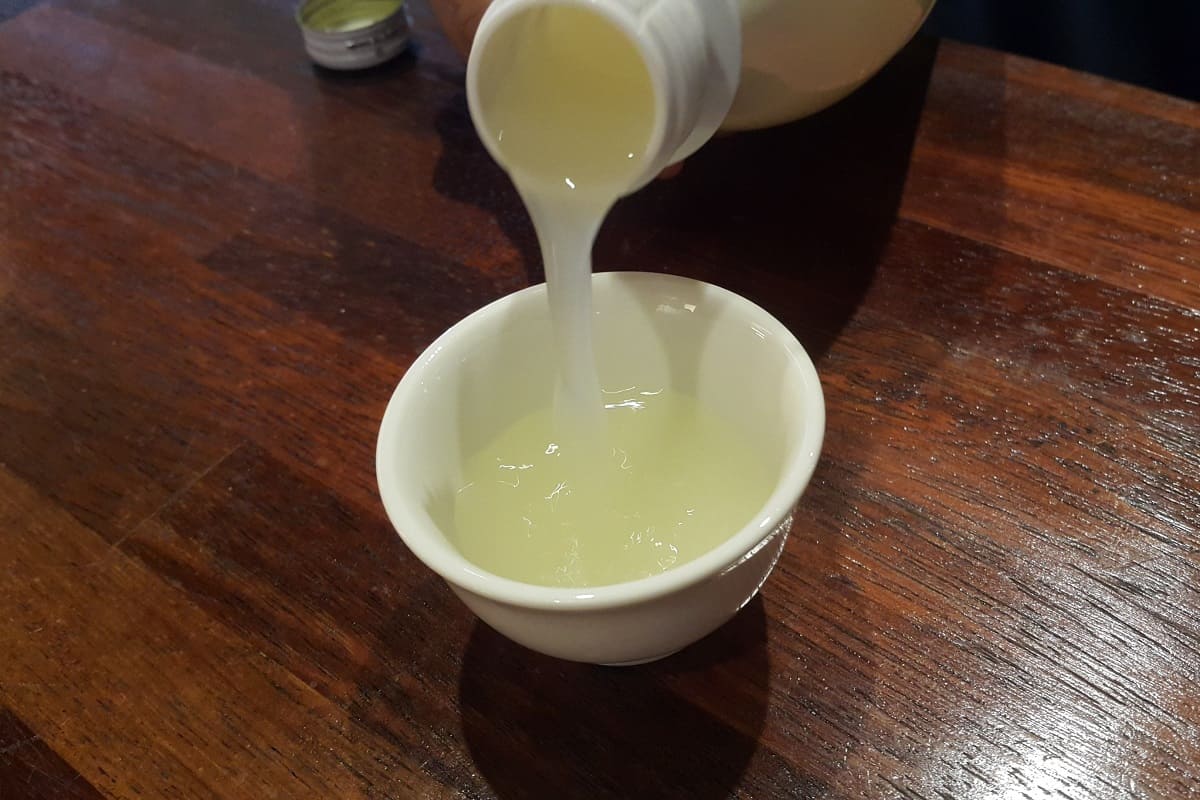
If you want one alcoholic Korean drink on this list that is not soju, make it makgeolli.
Makgeolli is a milky, lightly sparkling rice wine that feels much softer and creamier than a lot of first-timers expect. It is slightly sweet, a little tangy, and usually more relaxed and food-friendly than soju.
This is a good choice if you want to try a traditional Korean alcohol but are not especially excited by strong, sharp spirits. Makgeolli feels more mellow, more rustic, and often more connected to food.
It also pairs beautifully with savory dishes like jeon, which is one reason people get so attached to it.
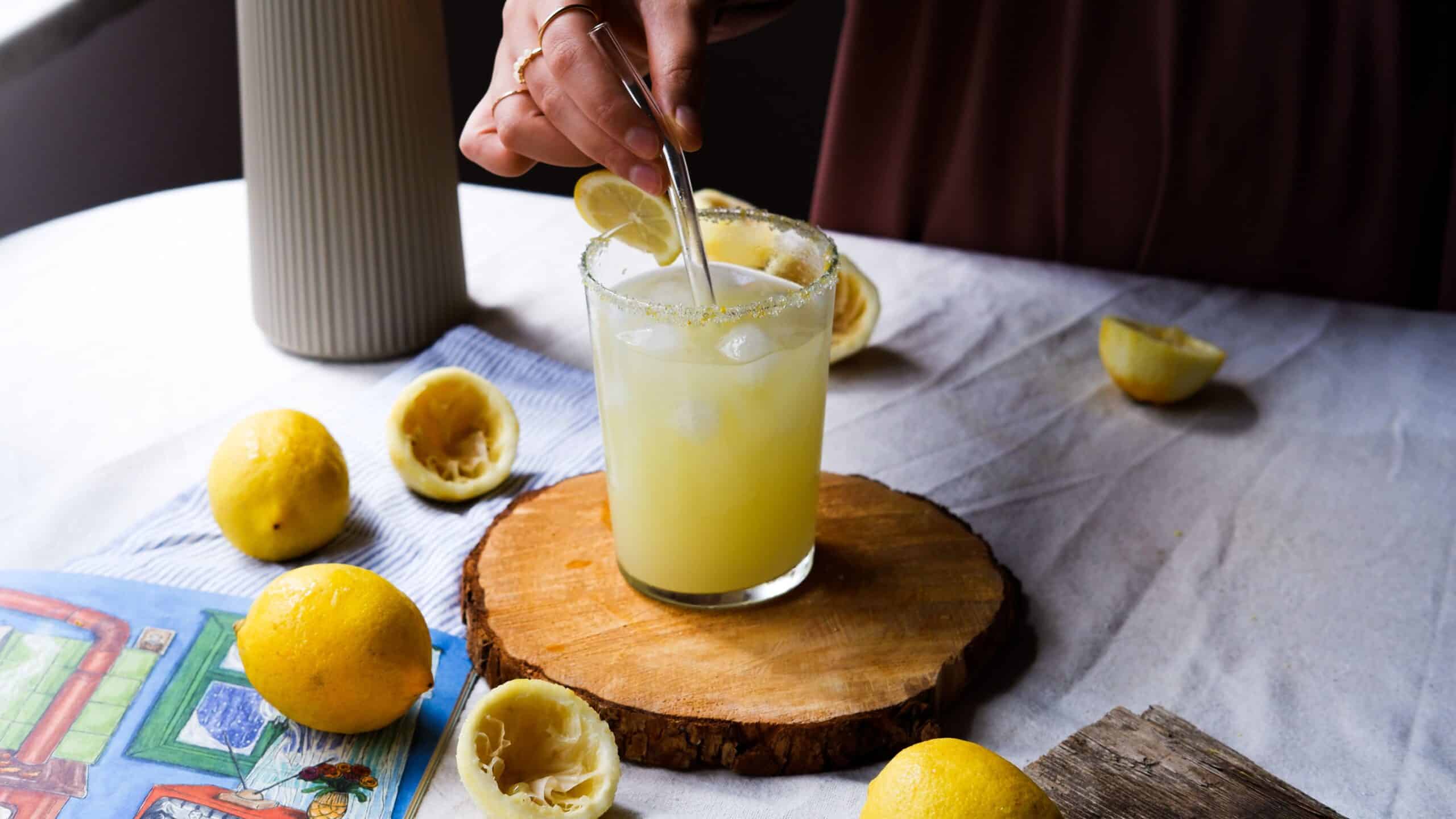
🍹 6. Ade
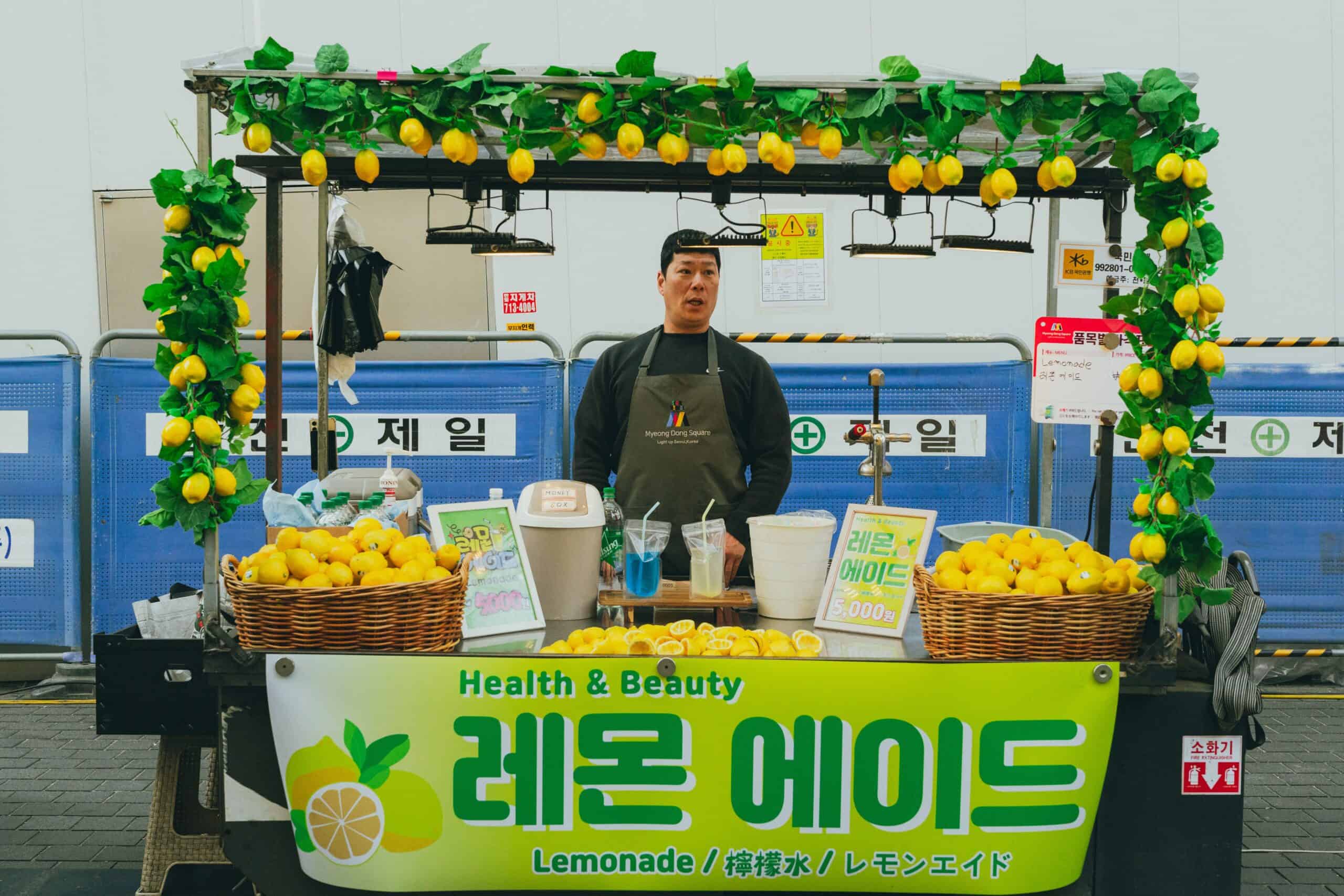
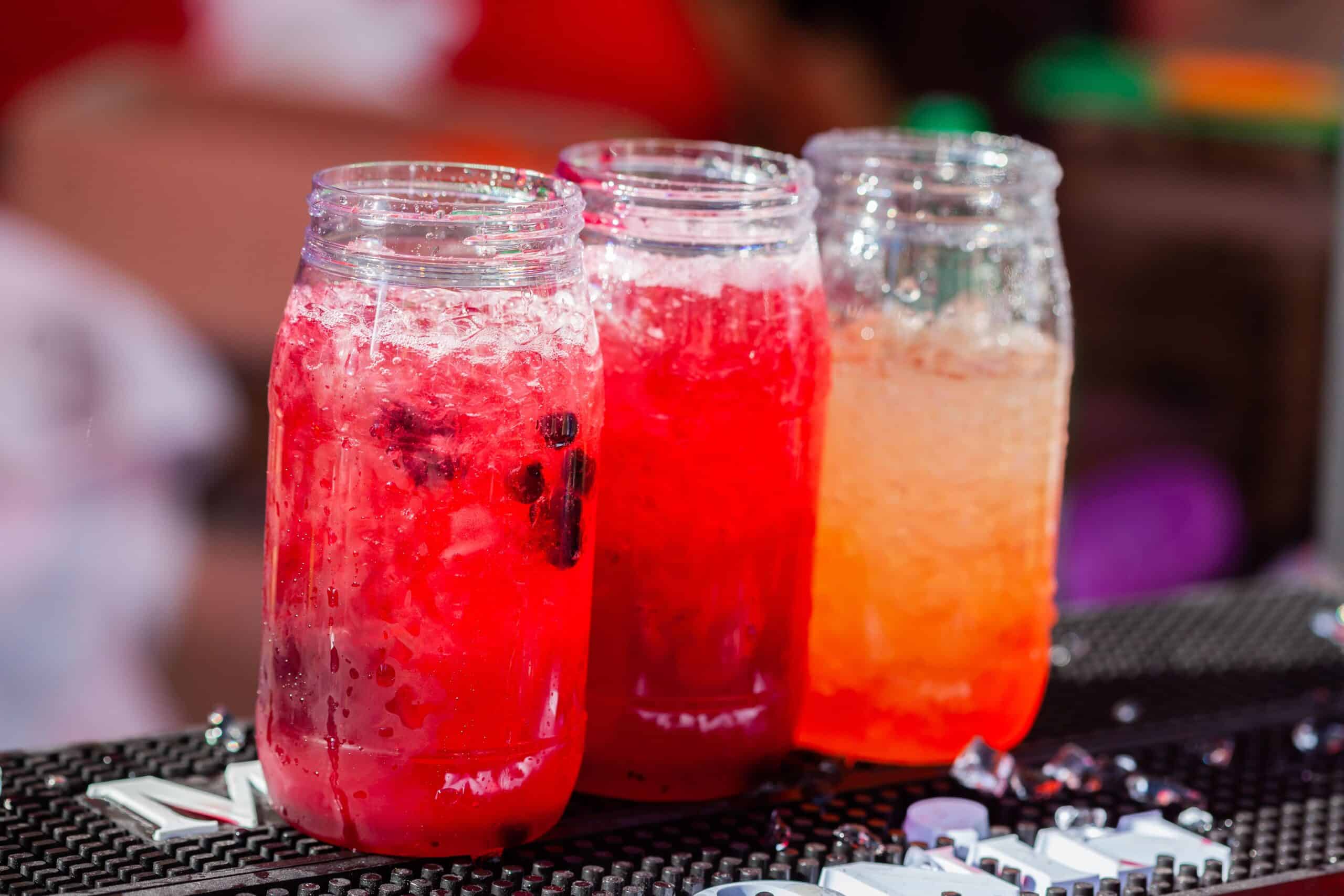
Korean cafés love ades, and if you spend enough time in Seoul, Busan, or honestly almost anywhere with a cute café street, you will notice them fast.
An ade is usually a fruit-based sparkling drink, often lemon, grapefruit, strawberry, or something seasonal. They are colorful, refreshing, and usually built to look as good as they taste.
This part of Korean drink culture is less traditional and more modern café life, but it absolutely deserves a spot because it is such a normal part of what people actually drink when they are out.
If you want something cold, fizzy, and not too heavy, an ade is a very easy win.
🌽 7. Barley Tea
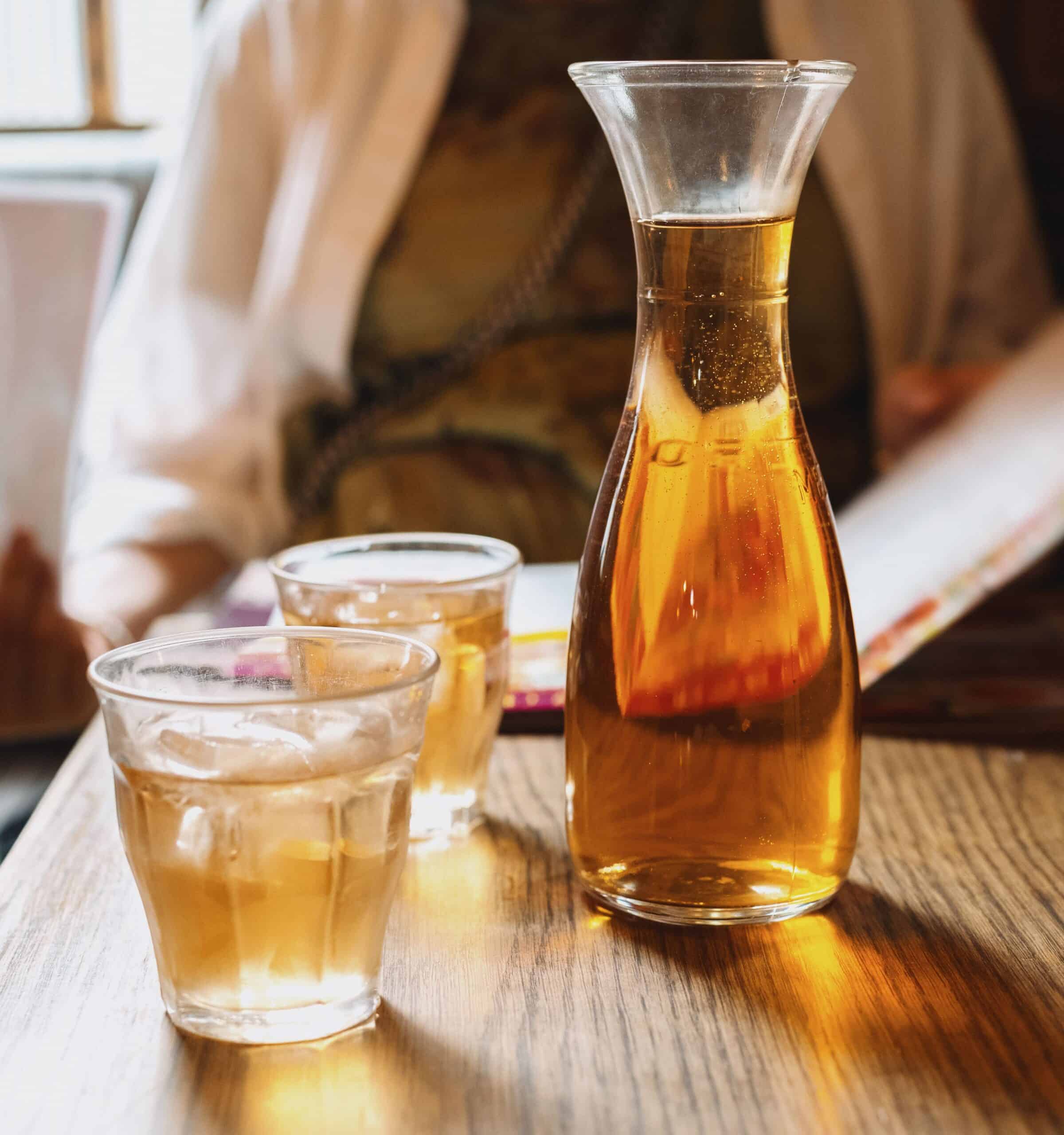
Barley tea is one of the least flashy drinks on this list, but it is also one of the most everyday.
You will often get it with meals, in homes, or as a casual drink without much fanfare. It has a roasted, mild flavor and feels very clean and easy to drink. Some people also try corn silk tea in a similar everyday context, but barley tea is the better-known starting point.
This is one of those drinks that may not feel exciting enough for a viral list, but it matters because it shows the quieter side of Korean drink culture. Not everything is sweet, trendy, or alcohol-based. Some drinks are just built to go naturally with daily life.
🍊 8. Yuja Tea
Yuja tea is one of the most comforting drinks to try in Korea, especially if the weather is cooler.
It is usually made from yuja citron preserve mixed with hot water, so it is sweet, citrusy, and somewhere between tea and fruit marmalade in drink form. It feels soothing very quickly.
This is a great pick if you want something non-alcoholic, distinctly Korean, and easy to enjoy even if you are not an adventurous drinker. It is also one of the best options when you want something that feels calming rather than exciting.
🧊 Where You'll Usually Find These Drinks in Korea
One nice thing about Korean drink culture is that it is spread across everyday places, not hidden away.
You will usually find them in different spots:
- Convenience stores for banana milk, bottled barley tea, and other easy grab-and-go drinks
- Cafés for ades, dalgona-style drinks, and modern seasonal drinks
- Restaurants for barley tea, makgeolli, and traditional meal pairings
- Supermarkets for packaged traditional drinks like sikhye and sujeonggwa
- Traditional markets or specialty spots for a more local or handmade version of some older drinks
So even if you are not doing a “drink tour,” you will naturally run into a lot of these.
💡 Which Korean Drinks Are Best for First-Timers
If you want the easiest starting points, here is the simplest way to think about it:
If you like sweet and easy, start with:
- banana milk
- sikhye
- yuja tea
If you like refreshing café drinks, start with:
- ade
- dalgona latte
If you want something traditional but still approachable, start with:
- sikhye
- makgeolli
If you want something a little more distinctive or old-school, try:
- sujeonggwa
- barley tea
That way, you are picking based on your taste, not just popularity.
❓ Frequently Asked Questions
Banana milk is definitely one of the most recognizable and widely loved, especially among visitors, but in everyday life barley tea and café drinks are also very common.
Some are. Sikhye and sujeonggwa both lean sweet, though in different ways. Yuja tea is also sweet, while barley tea is much milder and less dessert-like.
Banana milk, sikhye, yuja tea, barley tea, and ade are all good places to start.
Banana milk is the easiest first pick. After that, bottled barley tea or packaged sikhye are good next steps.

Comments
No Comments