
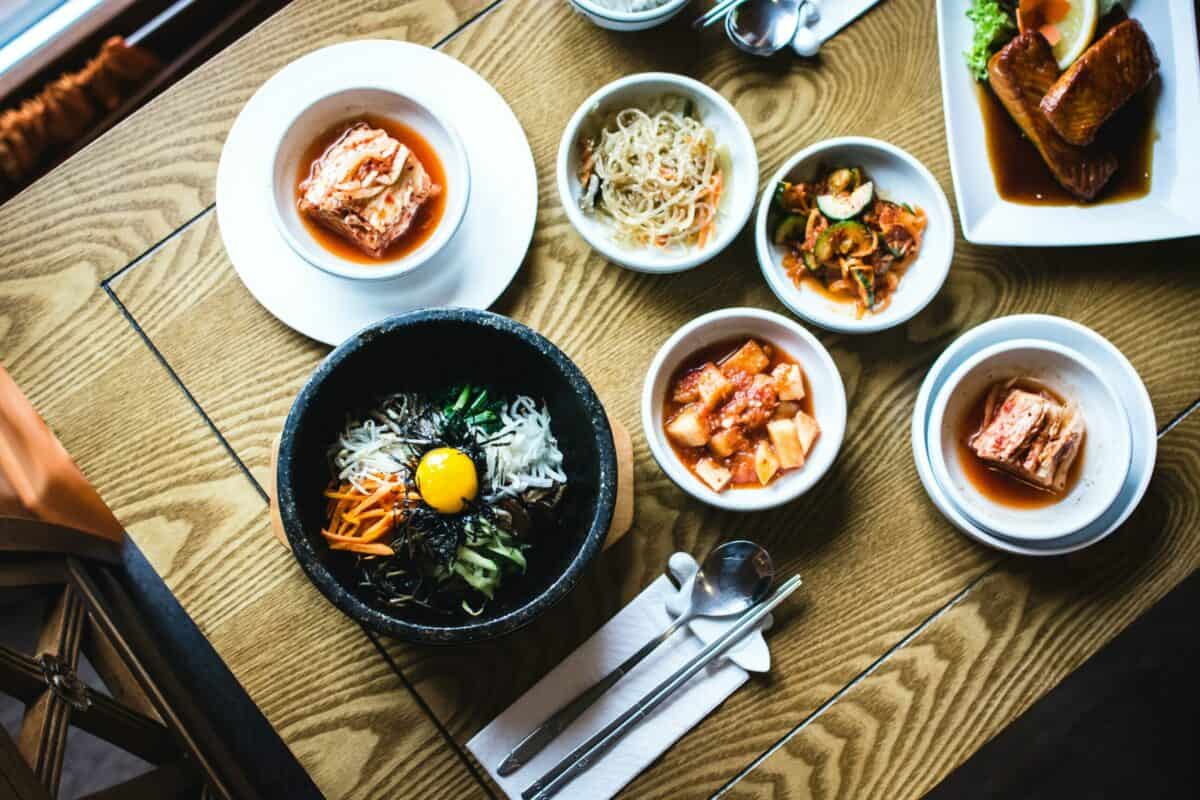
Fusion food is nothing new, but Korean fusion in 2026 feels different from the old “kimchi on anything” phase.
What is changing now is that Korean flavor is moving from novelty into structure. Recent Korean cuisine trend reporting frames 2026 as a year of deeper global integration, with Korean ingredients and techniques showing up in formats that feel more natural, scalable, and commercially viable than gimmicky.
At the same time, broader food coverage suggests Mexican-Asian fusion still has real momentum, while Korean-Italian restaurants are getting more serious critical attention.
That is why Korean-Mexican, Korean-Italian, and Korean-Filipino food all matter right now. They are not random mashups. They are examples of Korean flavor settling into global food culture in a more confident way.
Jump to:
- 🌍 Why Korean Fusion Food Feels Bigger Than Ever in 2026
- 🌮 Korean-Mexican: The Fusion That Still Has Serious Momentum
- 🍝 Korean-Italian: Pasta, Fermentation, and Unexpected Comfort
- 🍛 Korean-Filipino: Shared Comfort, Shared Sweet-Savory Energy
- 🧂 Why Korean Flavors Work So Well in Fusion Food
- 🍽️ The Difference Between Good Fusion and Gimmicky Fusion
- 📱 Why 2026 Fusion Food Trends Spread So Fast
- 🛒 What Korean Fusion Could Look Like Next
- ❓ Frequently Asked Questions
- 💬 Comments
🌍 Why Korean Fusion Food Feels Bigger Than Ever in 2026
Korean food is no longer sitting in the “interesting niche” category. Multiple 2026 trend pieces describe it as moving closer to mainstream, especially because its flavors work well in familiar formats like noodles, dumplings, fried foods, and sauces.
One 2026 food-trends report specifically says Korean cuisine now verges on mainstream with younger consumers, helped by media exposure and its mix of bold flavors with familiar dishes.
That matters for fusion because fusion works best when one side of the equation already feels recognizable. Korean food now has enough familiarity globally that gochujang, kimchi, bulgogi, sesame oil, and Korean fried chicken no longer need heavy explanation before showing up inside tacos, pasta, sandwiches, or rice bowls.
🌮 Korean-Mexican: The Fusion That Still Has Serious Momentum
Korean-Mexican fusion is probably the most proven crossover of the group, and it is still holding up because the logic is strong.
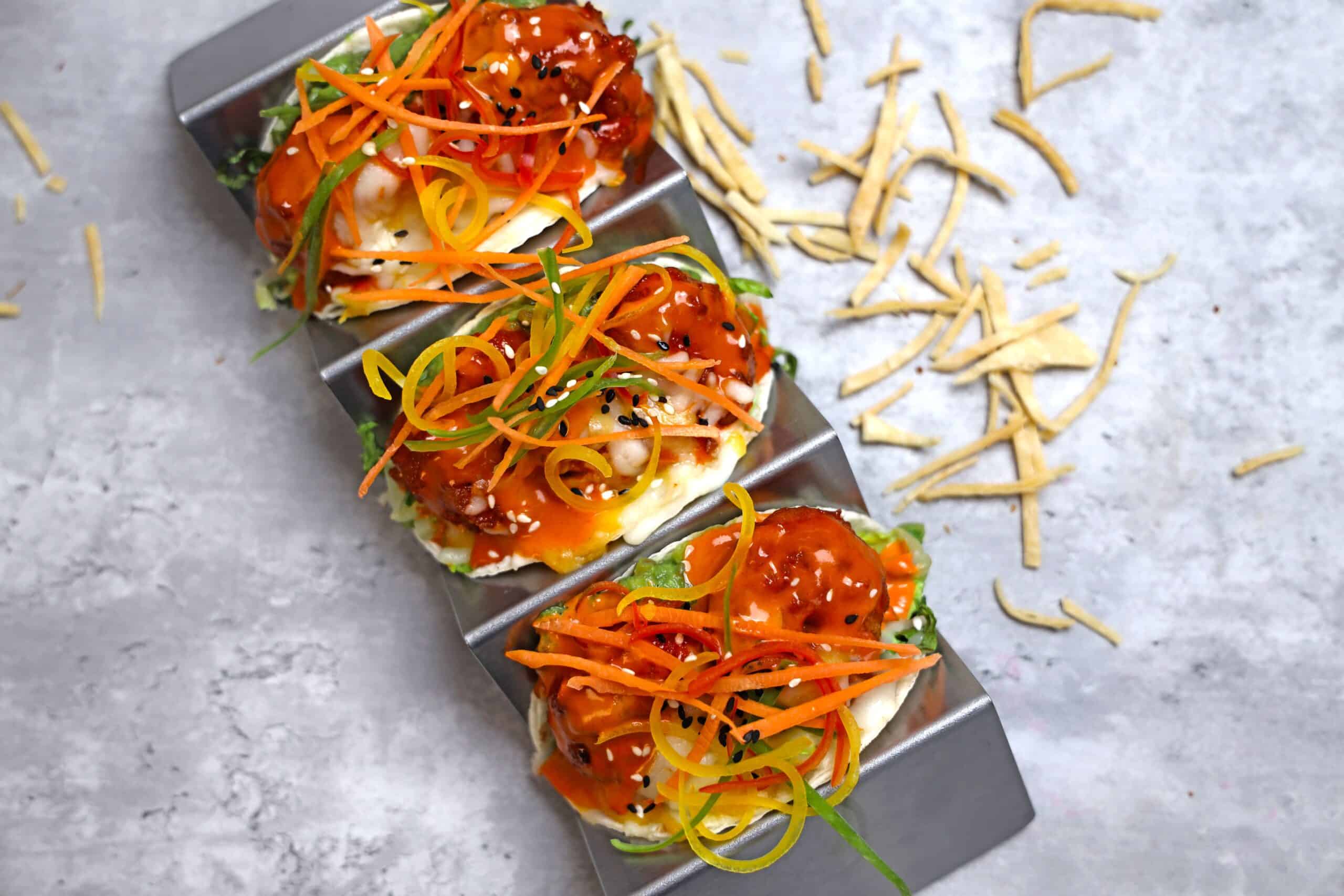
Mexican food already loves grilled meats, layered salsas, acid, heat, pickles, rice, and handheld formats. Korean food brings bulgogi, gochujang, kimchi, ssam-style layering, and sweet-savory marinades. The overlap is obvious. Trend coverage from Eater says Mexican-Asian fusion continues to work especially well, and broader food-trend reporting keeps pointing to multi-ethnic mashups as a durable direction rather than a fading fad.
That is why Korean-Mexican still feels alive in 2026. Bulgogi tacos, kimchi quesadillas, gochujang burritos, and Korean-style carne asada fries all make sense because the flavors reinforce each other instead of fighting. Korean heat is not replacing Mexican flavor. It is joining it.
🍝 Korean-Italian: Pasta, Fermentation, and Unexpected Comfort
Korean-Italian fusion feels especially strong in 2026 because it has moved past shock value.
Recent Korean-Italian restaurant coverage points to pasta bars and crossover menus where kimchi, gochujang, and Korean pantry flavors are being used in ways that feel thoughtful rather than forced. Eater LA’s review of Lapaba describes a Korean-Italian pasta bar where dishes like kimchi-and-Spam supplì and Korean-inflected pasta feel natural and well executed rather than gimmicky. Other 2026 coverage also points to similar Korean-Italian menus expanding in different cities.
What makes this fusion work is comfort. Italian food already has deep sauce culture, starch, richness, and emotional familiarity. Korean food brings fermentation, spice, umami, and pantry depth. So things like kimchi cream pasta, gochujang rosé sauce, or jjajang-inflected noodle formats feel surprisingly coherent once they are done well. The best versions are not trying to be weird. They are trying to be satisfying.
🍛 Korean-Filipino: Shared Comfort, Shared Sweet-Savory Energy
Korean-Filipino fusion gets less mainstream press than Korean-Mexican or Korean-Italian, but it might be one of the most natural combinations of the three.
The reason is not trendiness. It is overlap. Both food cultures love rice, bold marinades, grilled meats, comfort stews, strong pantry flavors, and sweet-savory balance. That means Korean-Filipino fusion often feels less like invention and more like cousins meeting in the middle.
Think about the shared logic:
- rice-based meals as a daily default
- strong garlic, soy, vinegar, and marinade culture
- grilled and braised meats
- foods that are built for comfort more than delicacy
That is exactly why Korean-Filipino fusion feels like a strong 2026 direction even without one single viral flagship restaurant defining it yet. Trend reporting around Korean food’s wider integration supports this idea: Korean flavor is now spreading not just as “Korean dishes,” but as a usable flavor system in broader global cooking.
🧂 Why Korean Flavors Work So Well in Fusion Food
Korean food is unusually fusion-friendly because its flavor base is so adaptable.
A lot of the core pantry pieces already do multiple jobs:
- gochujang adds heat, sweetness, and body
- kimchi adds acid, funk, crunch, and salt
- sesame oil adds aroma fast
- soy and garlic create easy savory depth
- fermented pastes create long-cooked flavor even in shorter dishes
That makes Korean ingredients very easy to slide into tacos, pasta, rice bowls, fried foods, sandwiches, and sauces. 2026 trend reporting specifically describes Korean cuisine as increasingly translatable into broader commercial and culinary formats, which is a huge part of why fusion now feels more stable than experimental.
🍽️ The Difference Between Good Fusion and Gimmicky Fusion
Good fusion has flavor logic. Bad fusion has only headlines.
The strongest Korean fusion dishes usually do one of two things well: they either respect the structure of both cuisines, or they use one cuisine’s format to highlight the other cuisine’s flavors in a way that still feels edible in real life.
That is why Korean-Italian works better when it understands pasta and sauce, not just when it throws kimchi into cream. It is why Korean-Mexican works when the grilled meats, spice, acid, and texture all line up. And it is why Korean-Filipino has so much potential: the base habits of the cuisines already fit.
Critics are not praising newer Korean fusion restaurants because they are random. They are praising them because the combinations feel natural and controlled.
📱 Why 2026 Fusion Food Trends Spread So Fast
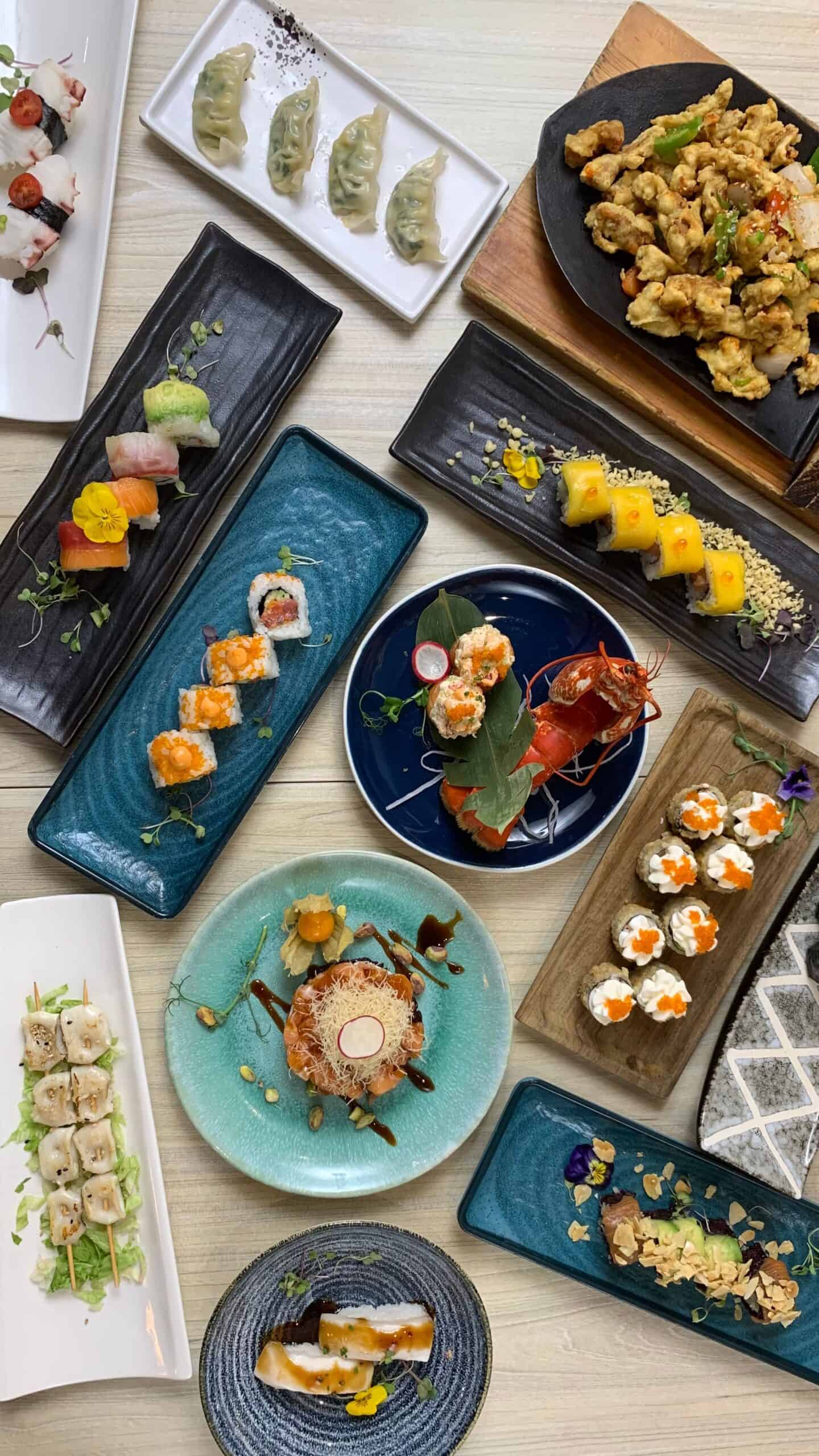
Fusion spreads faster now because it does not depend only on chefs.
A dish can start in a restaurant, then move into pop-ups, recipe videos, grocery products, frozen meals, and social media home cooking. Korean food is especially suited to this because many of its flavors are pantry-friendly and easy to package. The same 2026 Korean cuisine outlook argues that Korean food is becoming easier to scale and translate for global brands, which means fusion does not stay in restaurants for long anymore.
That is also why these trends feel more durable. They are not living only in expensive tasting rooms. They are moving through regular kitchens, packaged foods, and everyday dining.
🛒 What Korean Fusion Could Look Like Next
The next step is probably not just more restaurant mashups. It is Korean flavor spreading deeper into ordinary food categories.
That could mean:
- breakfast sandwiches with Korean sauces
- bakery items with Korean savory-sweet flavor profiles
- convenience meals built around Korean-inspired pasta or taco fillings
- more sauces and pantry kits designed for hybrid home cooking
Trend reporting already points in that direction. Korean food in 2026 is being described less as a niche cuisine to “try once” and more as a flavor system that can plug into mainstream food categories.
❓ Frequently Asked Questions
It is moving toward mainstream. Multiple 2026 sources describe Korean cuisine as increasingly integrated into broader food culture rather than sitting at the edge as a novelty.
Korean-Mexican is probably the easiest entry point because tacos, burritos, grilled meats, and spicy sauces already feel familiar to a lot of people.
Yes, in terms of recognizability and staying power, it still looks like the most established fusion lane. Trend coverage continues to treat Mexican-Asian fusion as a strong match.
Probably more Korean crossover in convenience foods, bakery items, and ready-to-cook sauces, because that is where Korean flavor integration seems to be heading.


Comments
No Comments