
Getting LASIK in Korea can look very appealing from the outside: strong medical-tourism infrastructure, modern eye clinics, and pricing that can be lower than in some other countries. Korea also actively promotes medical travel, and official tourism channels highlight vision correction as one of the services international visitors come for.
But LASIK is still eye surgery. So the smartest approach is not “Where’s the cheapest clinic?” It is “Am I a good candidate, do I understand the recovery, and can I realistically handle the follow-up if I’m flying in from another country?” LASIK is not right for everyone, and professional eye-care sources stress that eligibility, risks, and recovery all need to be assessed carefully before surgery.
Jump to:
- 👀 Why So Many Foreigners Consider LASIK in Korea
- 🔍 LASIK, LASEK, or SMILE? Start by Knowing What You’re Actually Looking At
- 🏥 How To Choose the Right Eye Clinic in Korea
- 📱 Booking as a Foreigner: What the Process Usually Looks Like
- 👁️ What Happens at the Pre-Surgery Consultation
- ⚠️ What Foreigners Should Know Before Saying Yes
- 🗓️ How To Plan LASIK Around Your Travel Schedule
- 💸 What LASIK in Korea Usually Costs and What Can Change the Price
- 😳 What Recovery Usually Feels Like
- 🚨 Red Flags To Watch For Before Booking
- ❓ Frequently Asked Questions
- 💬 Comments
👀 Why So Many Foreigners Consider LASIK in Korea
The appeal is pretty easy to understand. Korea has a strong reputation for ophthalmology and refractive-surgery technology, and official Korea tourism content has featured international patient stories centered on vision correction in Korea. In one VisitKorea interview, the patient specifically said Korean ophthalmology was well known in her home country and that cost and clinic systems were part of the draw.
For travelers, LASIK also feels practical in a way some beauty procedures do not. It is not really about trendiness. It is about trying to reduce dependence on glasses or contacts. Mayo Clinic says LASIK can reduce or remove the need for glasses or contact lenses for many people, but it also stresses that the procedure is elective and not suitable for everyone.
🔍 LASIK, LASEK, or SMILE? Start by Knowing What You’re Actually Looking At
One of the biggest first-time mistakes is treating all vision-correction surgery like it is the same thing. It is not. LASIK usually involves creating a corneal flap and using a laser underneath it. PRK and LASEK do not use the same flap approach, and recovery is generally slower. Mayo Clinic notes that LASIK recovery is usually faster and less uncomfortable than other corneal surgeries, while the American Academy of Ophthalmology explains that PRK has its own recovery pattern and risks.
SMILE is another separate option that many Korea-focused clinics market heavily. Even VisitKorea’s patient interview makes the basic point clearly: not every eye is suited to every procedure, and factors like corneal thickness can rule some options in or out. That is why a proper pre-surgery exam matters more than marketing language.
🏥 How To Choose the Right Eye Clinic in Korea
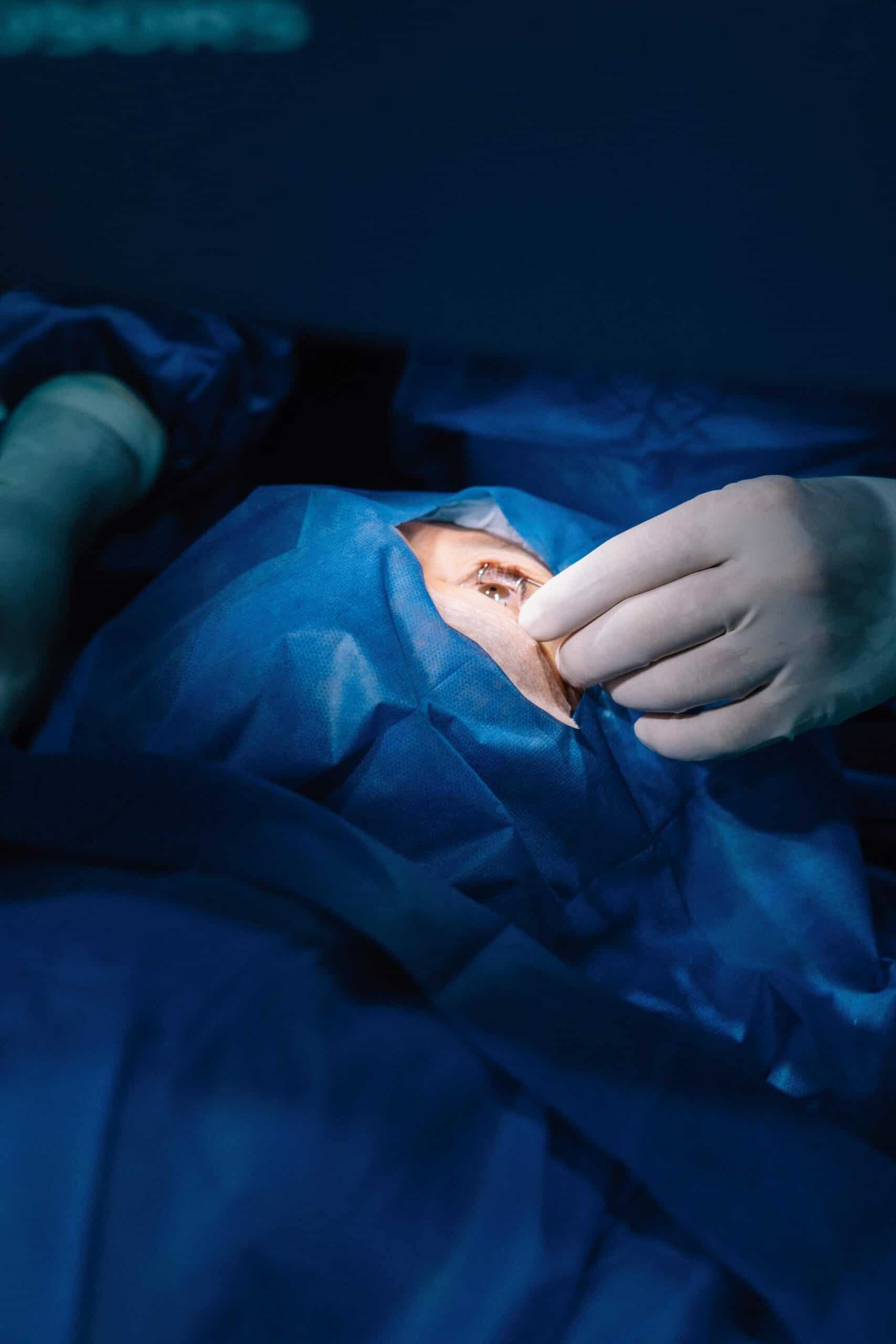
As a foreigner, the right clinic is not just the one with modern machines. It is also the one that can explain things clearly, evaluate you properly, and support you after the surgery.
A good clinic should be able to tell you:
- which procedure you are actually a candidate for
- what risks matter in your case
- what your recovery timeline may look like
- how follow-up works if you are only in Korea briefly
Mayo Clinic says being a good LASIK candidate generally means having healthy eyes, stable vision, and realistic expectations. So if a clinic seems to jump straight into selling surgery without doing a serious exam or discussing candidacy, that is not a reassuring sign.
📱 Booking as a Foreigner: What the Process Usually Looks Like
For foreigners, the booking process often starts online through a clinic website, direct messaging, or a medical-tourism platform. Korea’s official tourism and medical-travel channels clearly show that international patients are an expected part of the system, not an unusual case.
Before you book, try to confirm:
- whether they provide English support
- what the initial consultation includes
- whether surgery can happen the same day or later
- what follow-up visits are expected
- whether the quoted price includes medications and post-op checks
That last point matters because even if surgery itself looks affordable, the full process may include more than one visit. And if you are only in Korea for a few days, you need to know whether that timeline is realistic. Mayo Clinic notes that while visual recovery can be quick, the eyes still need monitoring during healing.
👁️ What Happens at the Pre-Surgery Consultation
This is the part you should take most seriously.
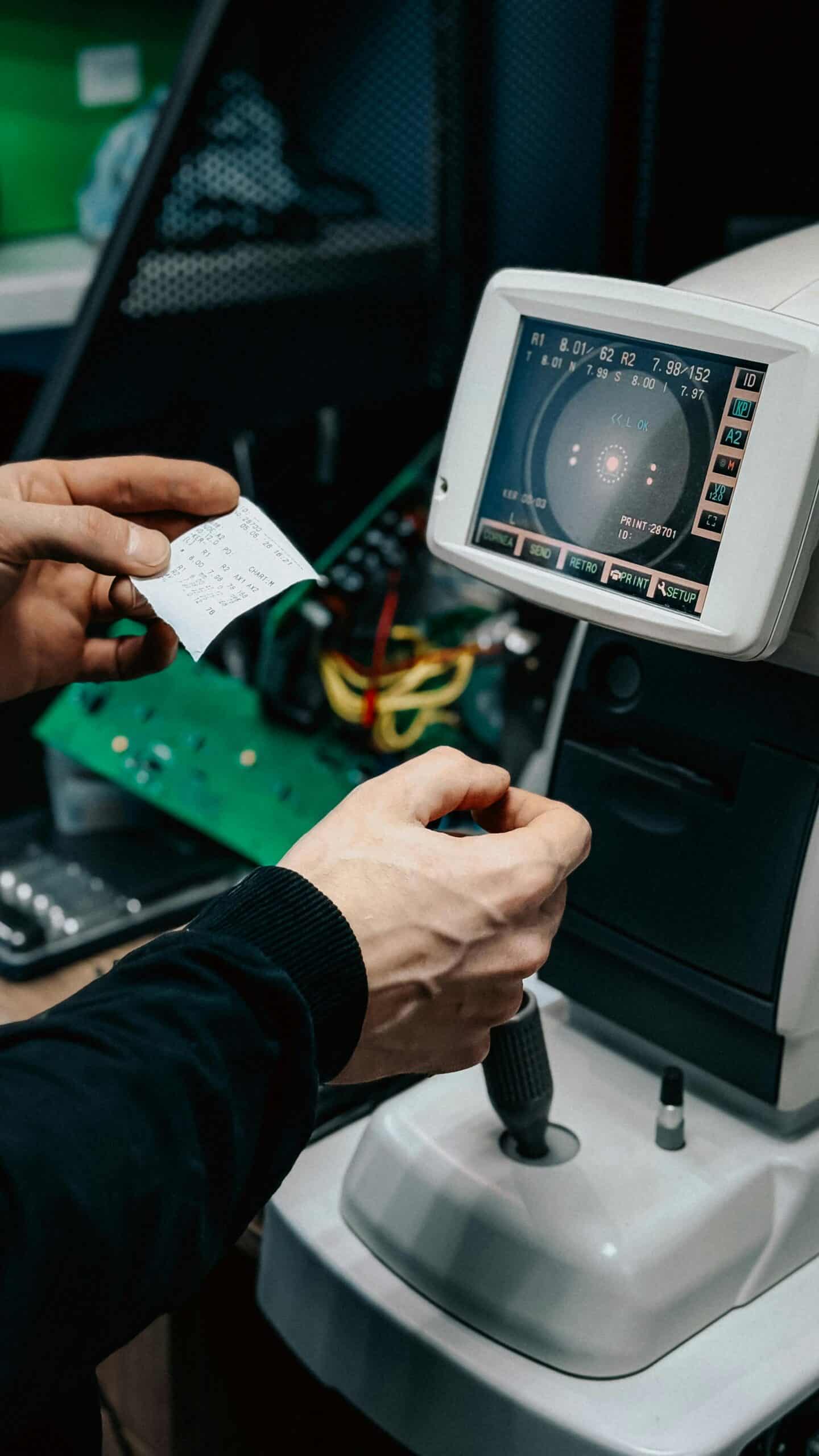
A real LASIK workup is not just a quick vision test. It should include detailed eye measurements, checks on corneal shape and thickness, and a broader assessment of whether surgery is advisable. Mayo Clinic says candidacy depends on things like eye health, refractive error, and whether your prescription is stable.
This is also where some people find out they are not good LASIK candidates. That is not a failure. It is exactly what the consultation is supposed to do. VisitKorea’s patient interview specifically described a case where the patient hoped for LASIK or LASEK but had corneas that were too thin, which led to a different recommendation.
⚠️ What Foreigners Should Know Before Saying Yes
The biggest thing to understand is that LASIK is not just a tourist activity you squeeze between shopping and café hopping. It is surgery on your eyes.
AAO says LASIK risks can include dry eye symptoms, glare, halos, blurry vision, discomfort, and other side effects. Mayo Clinic also says the most common side effect is dry eyes, which can last weeks to months, and that even though serious complications are rare, they can happen.
So before saying yes, think about:
- whether you are okay with the risk profile
- whether you can handle a few quieter recovery days
- whether you have enough time in Korea for appropriate checks
- what happens if you need follow-up after you return home
That last one matters a lot more for foreigners than for local patients.
🗓️ How To Plan LASIK Around Your Travel Schedule
If you are traveling to Korea for LASIK, your schedule should be built around the surgery, not the other way around.
Immediately after LASIK, Mayo Clinic says your eyes may itch, feel gritty, burn, water, and have blurred vision, though pain is usually limited and vision often recovers quickly. But “quickly” does not mean “instantly ready for a full tourist day.”
A realistic plan usually means:
- consultation and testing first
- surgery only after you are confirmed as a candidate
- at least a short buffer for recovery and post-op review
- no intense sightseeing schedule right away
- a plan for eye drops, rest, and reduced screen strain
If your trip is extremely short, it is worth asking whether you are forcing the timeline too hard.
💸 What LASIK in Korea Usually Costs and What Can Change the Price
Prices vary a lot by clinic, procedure type, and technology, so I would be careful about quoting one “standard” number without a live clinic comparison. The reliable thing to say is that costs can change depending on whether you are booking LASIK, LASEK, SMILE, or something like ICL, and whether post-op care and medications are included. VisitKorea’s patient interview also specifically framed cost as one reason people come to Korea for vision correction.
A better budgeting approach is to ask each clinic:
- the procedure cost
- whether the consultation is included
- what follow-up visits are included
- whether medications and eye drops are included
- what happens if you need additional care before flying home
That gives you a more honest comparison than chasing the lowest number in an ad.
😳 What Recovery Usually Feels Like
Recovery is one of the biggest emotional reality checks.
Mayo Clinic says that right after LASIK your eyes may feel gritty, watery, irritated, and blurry, though people often recover vision quickly. AAO also notes risks like dry eye, discomfort, and visual disturbances such as glare and halos.
So what it often feels like is:
- relief that the procedure itself was fast
- surprise that your eyes feel stranger than expected
- a lot of blinking, resting, and eye-drop use
- a weird mix of excitement and “please let this be normal”
That does not mean recovery is bad. It just means eye surgery feels real very quickly.
🚨 Red Flags To Watch For Before Booking
A few warning signs matter a lot here:
- a clinic that seems to promise the same procedure to everyone
- weak explanation of risks
- vague follow-up planning for foreign patients
- pressure to book surgery fast
- poor language support for a procedure that depends on consent and aftercare
LASIK has a strong safety track record overall, but Mayo Clinic and AAO are both clear that risks and side effects exist and candidacy matters. So if a clinic downplays those realities too much, that is not reassuring.
❓ Frequently Asked Questions
Yes, but only if the timeline is realistic and the clinic can assess and follow you properly. Korea actively supports medical tourism, and vision correction is part of that landscape.
It is common enough in foreign-patient-facing clinics to expect it, but not every clinic will be equally strong at it. Confirm before booking.
That depends on the clinic’s protocol and your recovery, but you should leave enough time for post-op review and not assume surgery day is the end of the process.
It can be, and this is one reason some international patients choose Korea, but prices vary enough that you should compare the full package, not just the headline number.
This is one of the most important questions to ask before booking. You need to know what support exists locally in Korea and what you would do once you are back home.




Comments
No Comments