
Korean food gets reduced way too often to a small handful of dishes: Korean BBQ, kimchi, maybe bibimbap, maybe fried chicken if someone is feeling slightly more informed. But once you actually start eating through Korea—or even just eating Korean food seriously—you realize how huge the range is.
There are smoky grilled meats, icy noodle bowls, deep bone broths, bubbling stews, market snacks, temple-style dishes, fermented side dishes, and desserts that deserve way more attention than they usually get.
This list is built for range, not just fame. Some of these are obvious. Some are quieter. Some are instant favorites. Some are more of an acquired taste. All of them tell you something real about Korean food.
Jump to:
- 🍽️ Why Korean Food Feels So Big Once You Start Exploring It
- 🍚 The Iconic Everyday Dishes Everyone Starts With
- 🌶️ Spicy, Saucy, and Deeply Addictive Korean Comfort Foods
- 🍲 Soups, Stews, and Broths That Show Korea’s Depth
- 🍜 Noodles Worth Planning a Whole Trip Around
- 🥩 Grilled, Fried, and Sizzling Dishes for Meat Lovers
- 🐟 Seafood and Fermented Flavors for More Adventurous Eaters
- 🥟 Street Foods, Market Foods, and Snackable Favorites
- 🍱 Rice, Side Dishes, and the Foods That Make a Korean Table Feel Full
- 🍧 Desserts, Drinks, and Sweet Things You Should Not Skip
- 💡 How to Actually Try These 50 Foods Without Burning Out
- ❓ Frequently Asked Questions
- 💬 Comments
🍽️ Why Korean Food Feels So Big Once You Start Exploring It
One of the best things about Korean food is that it rarely comes alone. Even a simple meal often includes rice, soup, kimchi, sauces, greens, or little side dishes that change the whole experience. So learning Korean food is not just about learning “main dishes.” It is about learning the rhythm of the table.
That is why this list moves across categories instead of pretending the cuisine is just grilled meat and spicy red sauce. Korean food is comforting, sharp, rich, fresh, fermented, crispy, soothing, and social all at once.
🍚 The Iconic Everyday Dishes Everyone Starts With
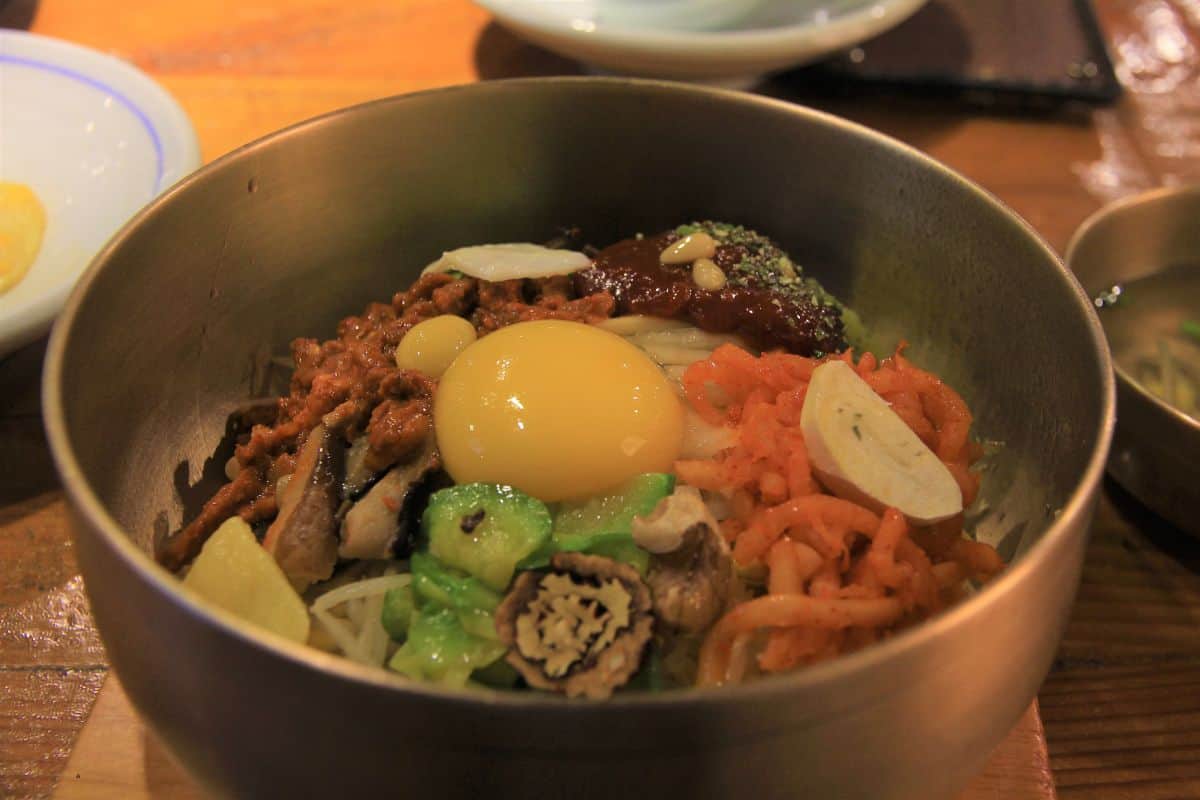
1. Bibimbap
A rice bowl topped with vegetables, meat, egg, and gochujang, all mixed together before eating. It is one of the easiest Korean dishes to love because it gives you balance in one bowl.
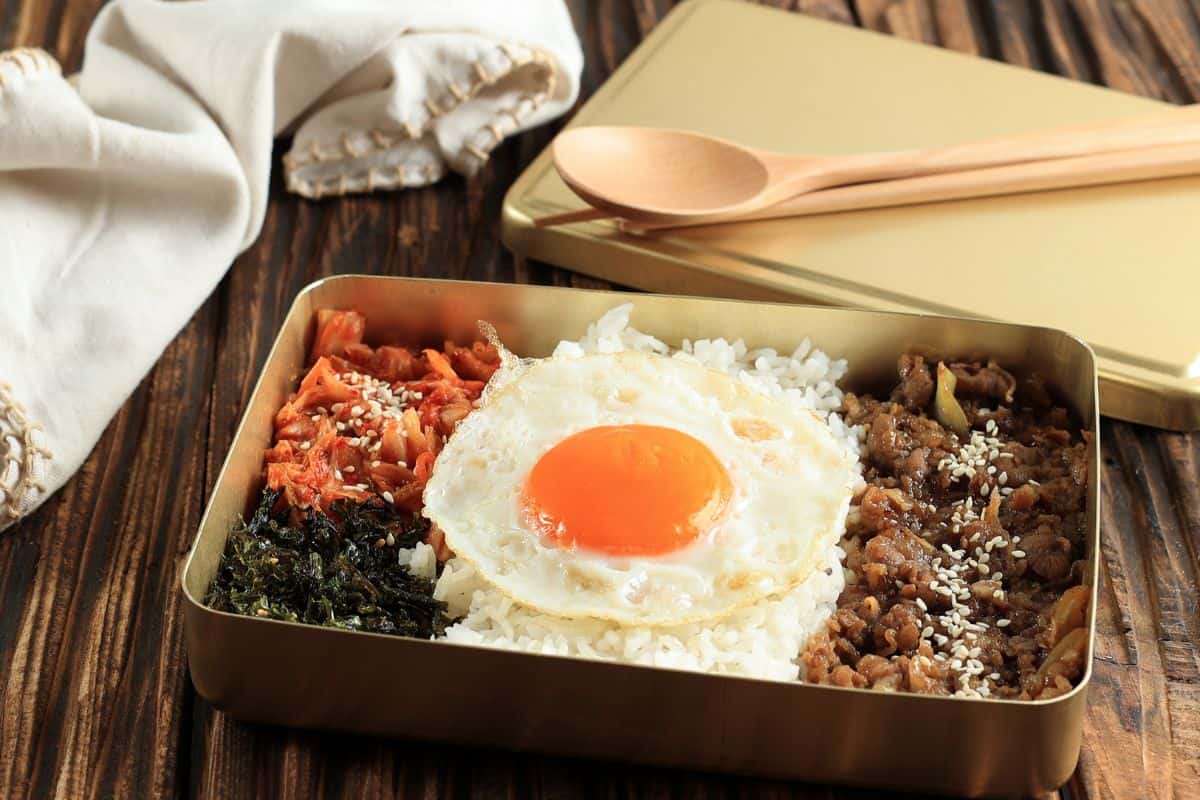
2. Bulgogi
Thin slices of marinated beef, usually sweet-savory and very approachable. This is one of the best starter dishes for anyone new to Korean food.
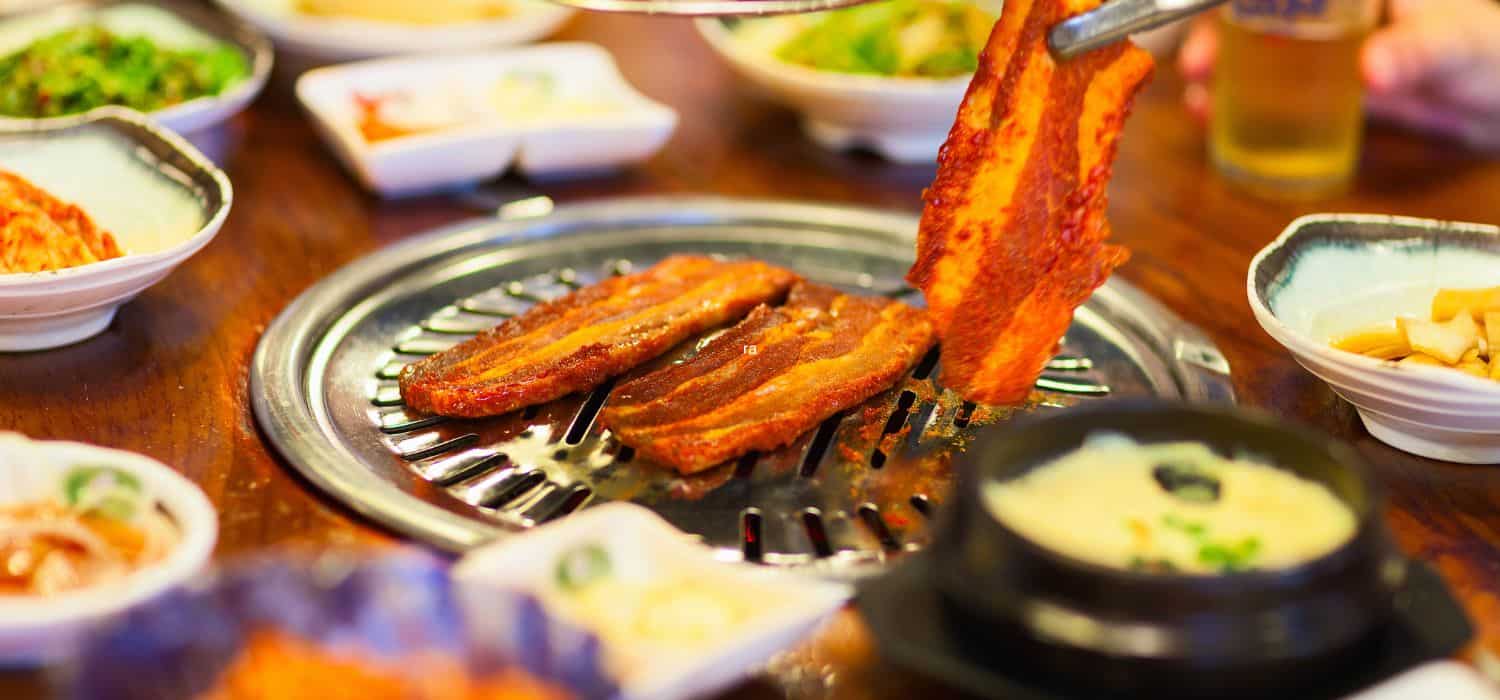
3. Samgyeopsal
Grilled pork belly, usually eaten with lettuce wraps, ssamjang, garlic, and side dishes. Many people swap in or add perilla leaf (kkaennip) for its distinct herbal flavor. It is one of the most social Korean meals.
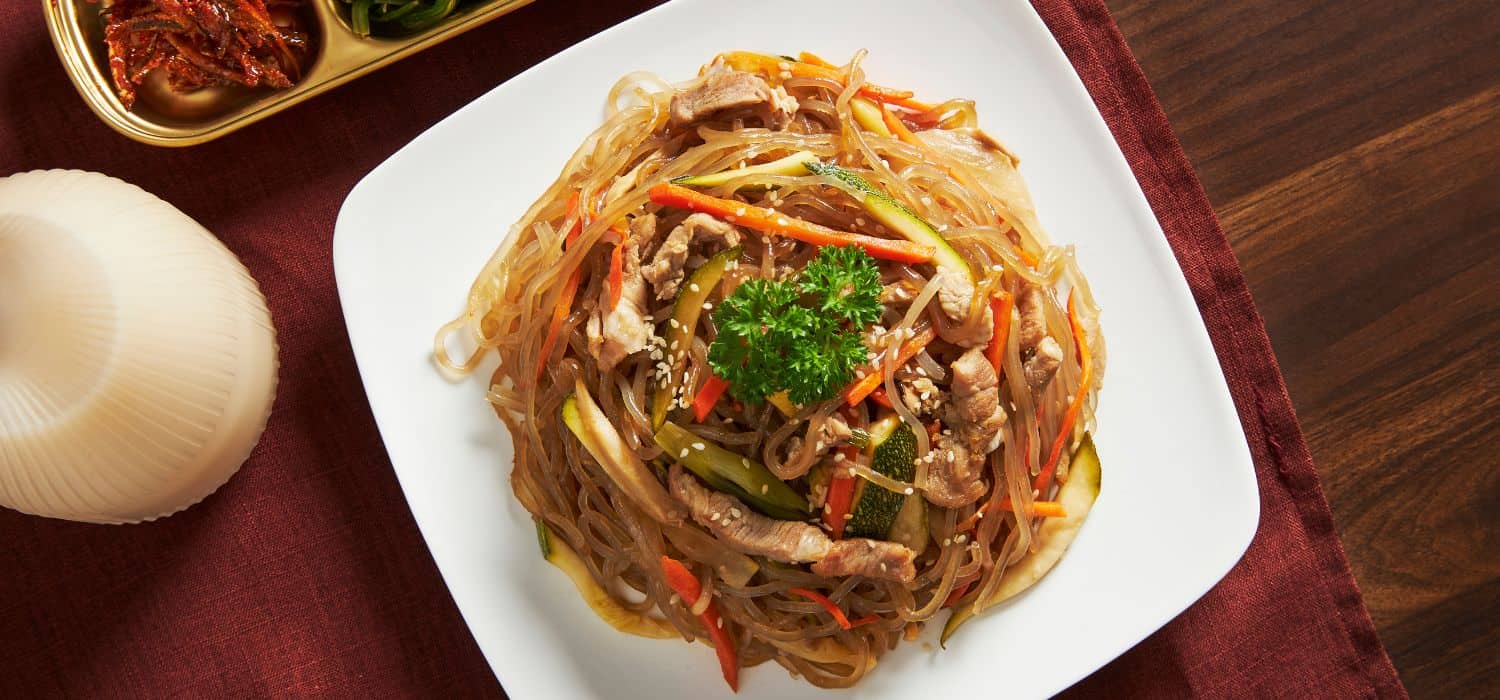
4. Japchae
Glass noodles stir-fried with vegetables, often beef, and sesame oil. Slightly sweet, glossy, and very easy to keep eating.
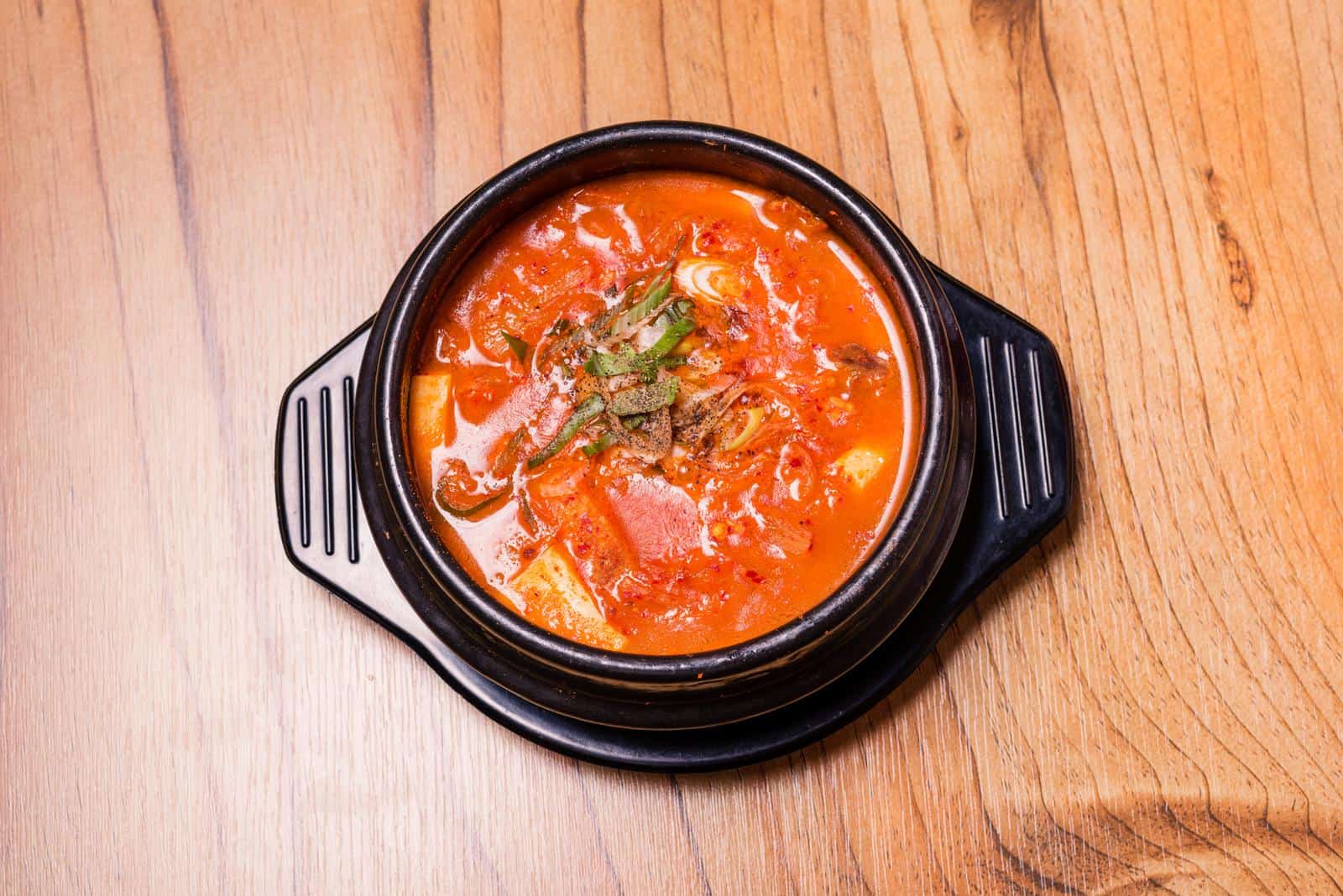
5. Kimchi Jjigae
A kimchi stew that feels like one of the emotional centers of Korean home food. Sour, spicy, rich, and deeply comforting.
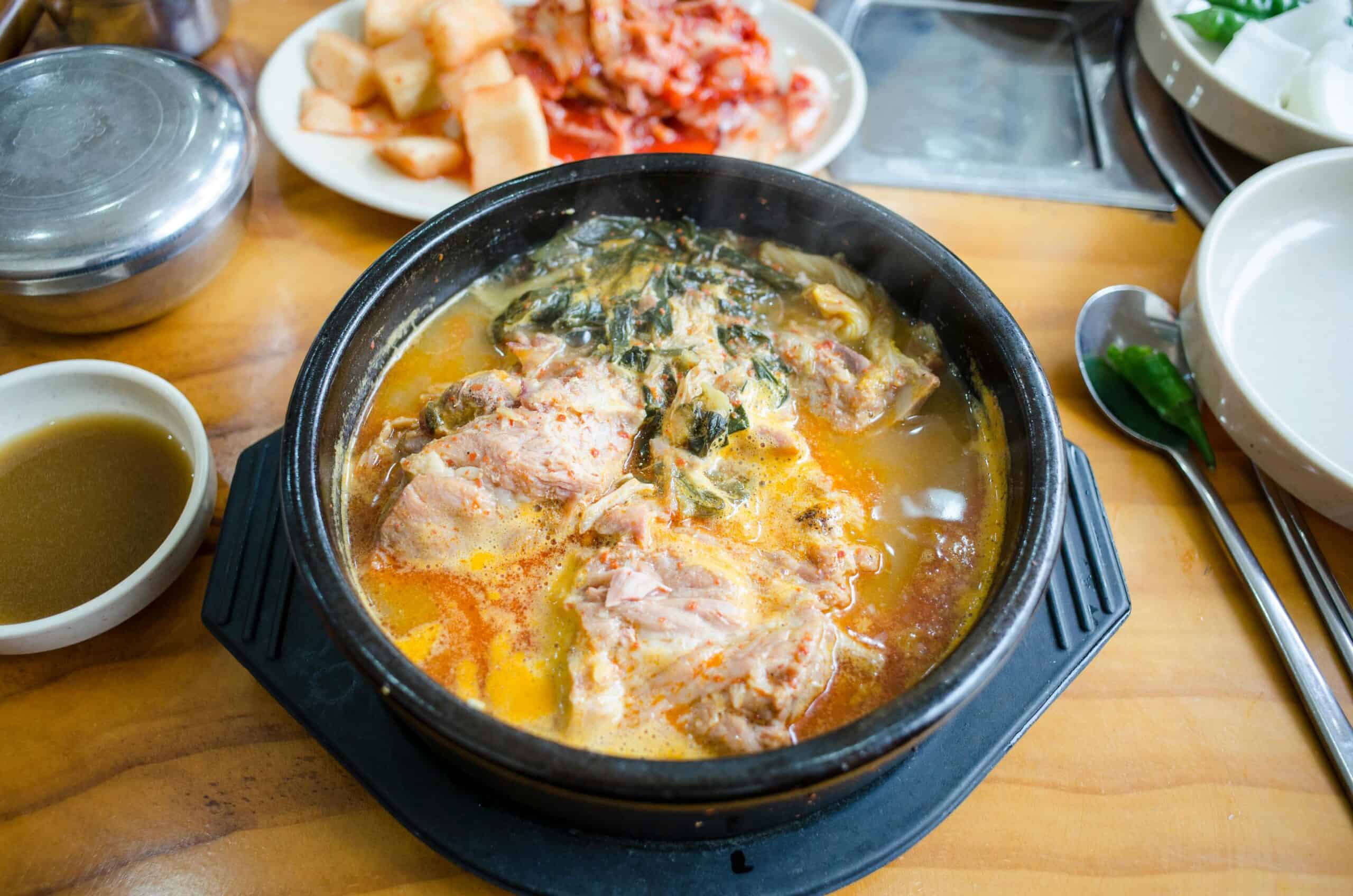
6. Doenjang Jjigae
A soybean paste stew that is earthier and quieter than kimchi jjigae but just as essential. It tastes like depth rather than drama.
🌶️ Spicy, Saucy, and Deeply Addictive Korean Comfort Foods
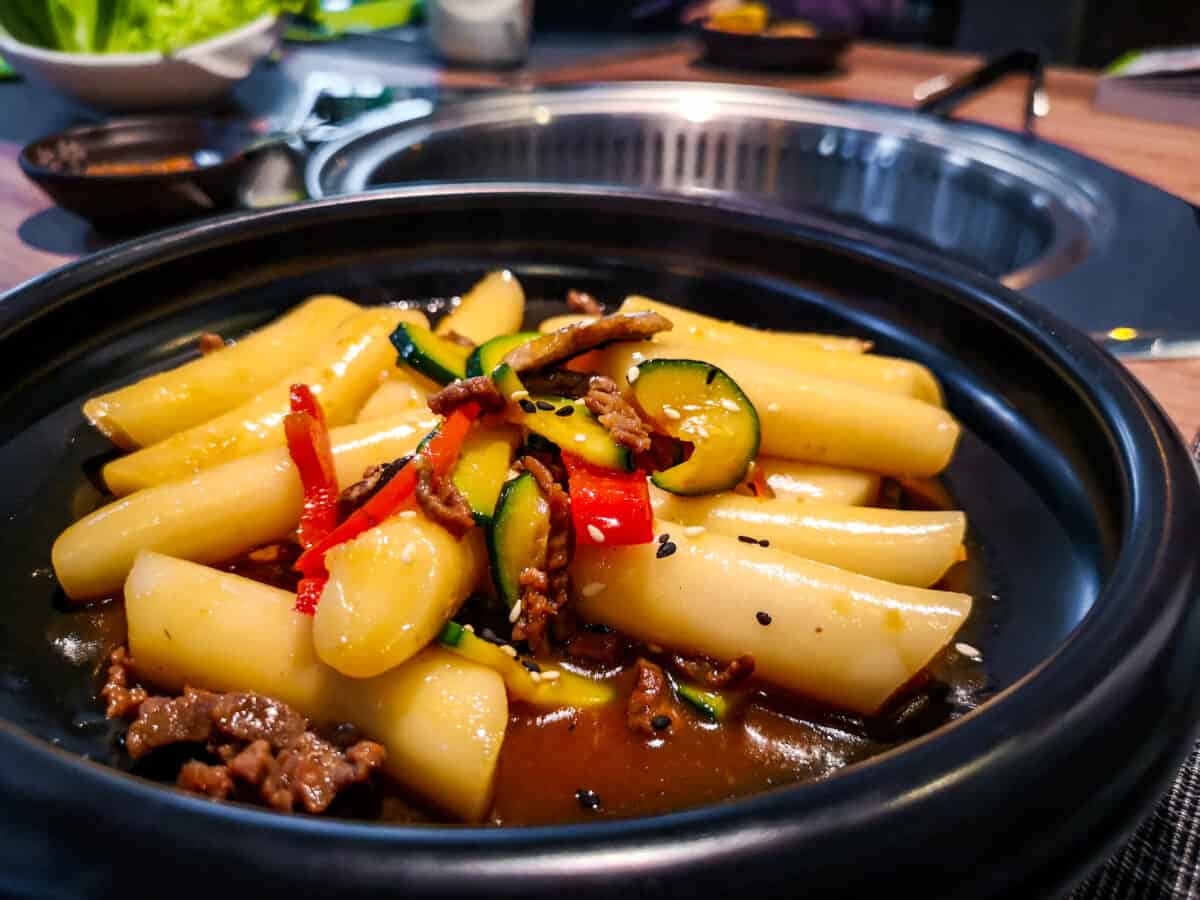
7. Tteokbokki
Chewy rice cakes in a spicy-sweet sauce. Street-food icon, comfort food, chaos food.
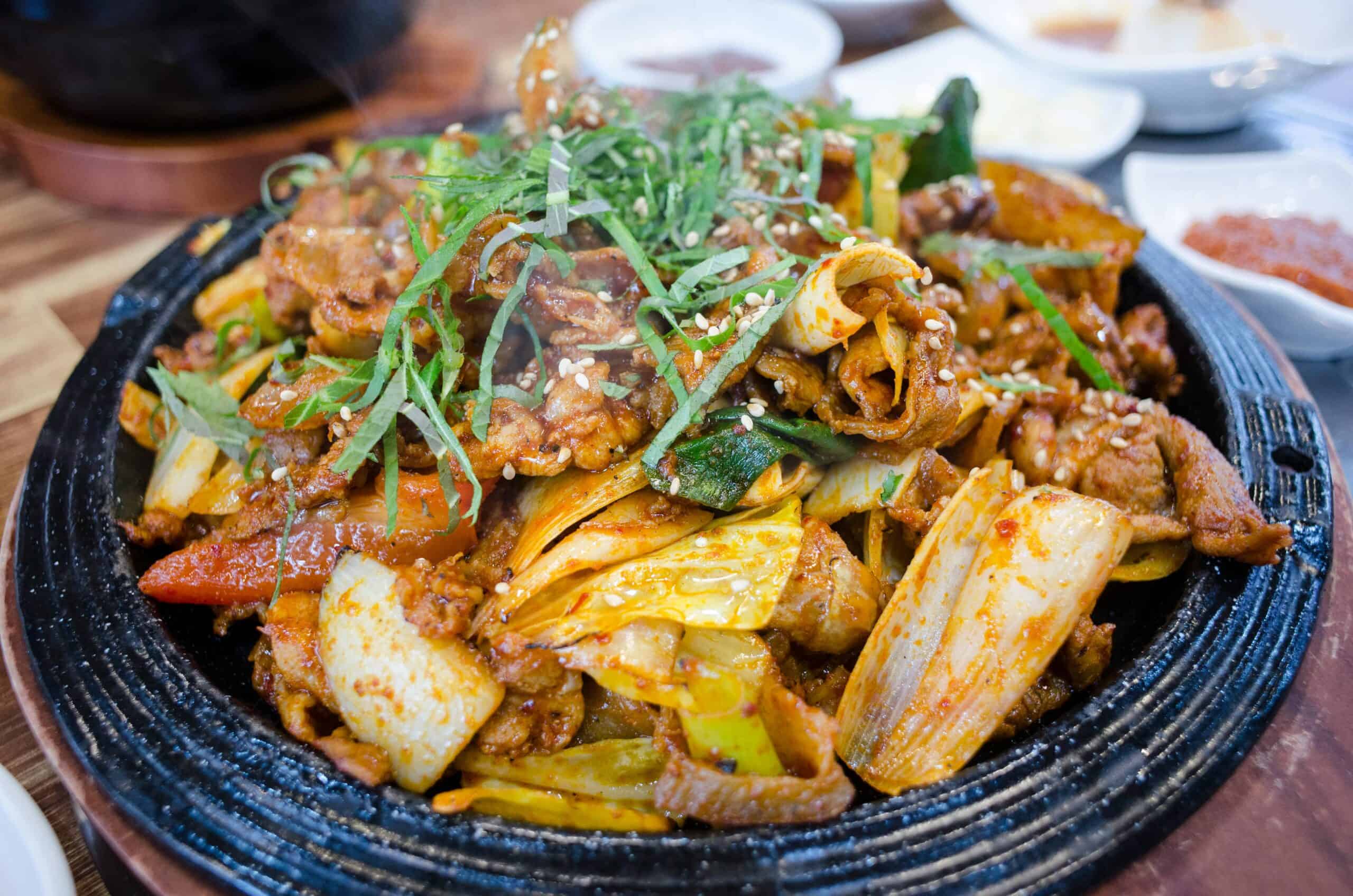
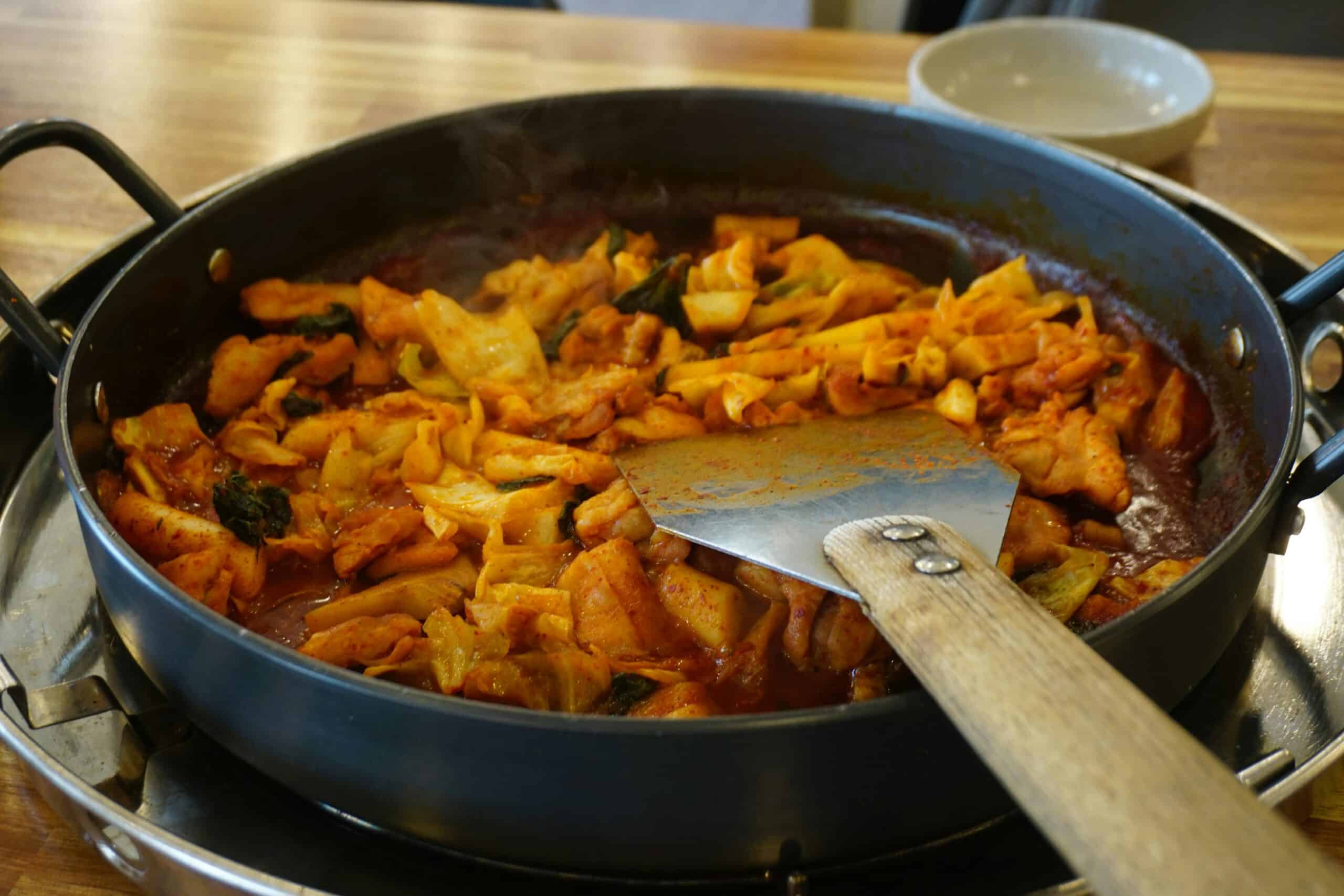
8. Dakgalbi
Spicy stir-fried chicken with vegetables, often cooked at the table. Bold, satisfying, and perfect with rice at the end.
9. Jeyuk Bokkeum
Spicy stir-fried pork that tastes incredible with rice and lettuce wraps. One of those dishes that makes you immediately understand why Korean meals need plain rice.
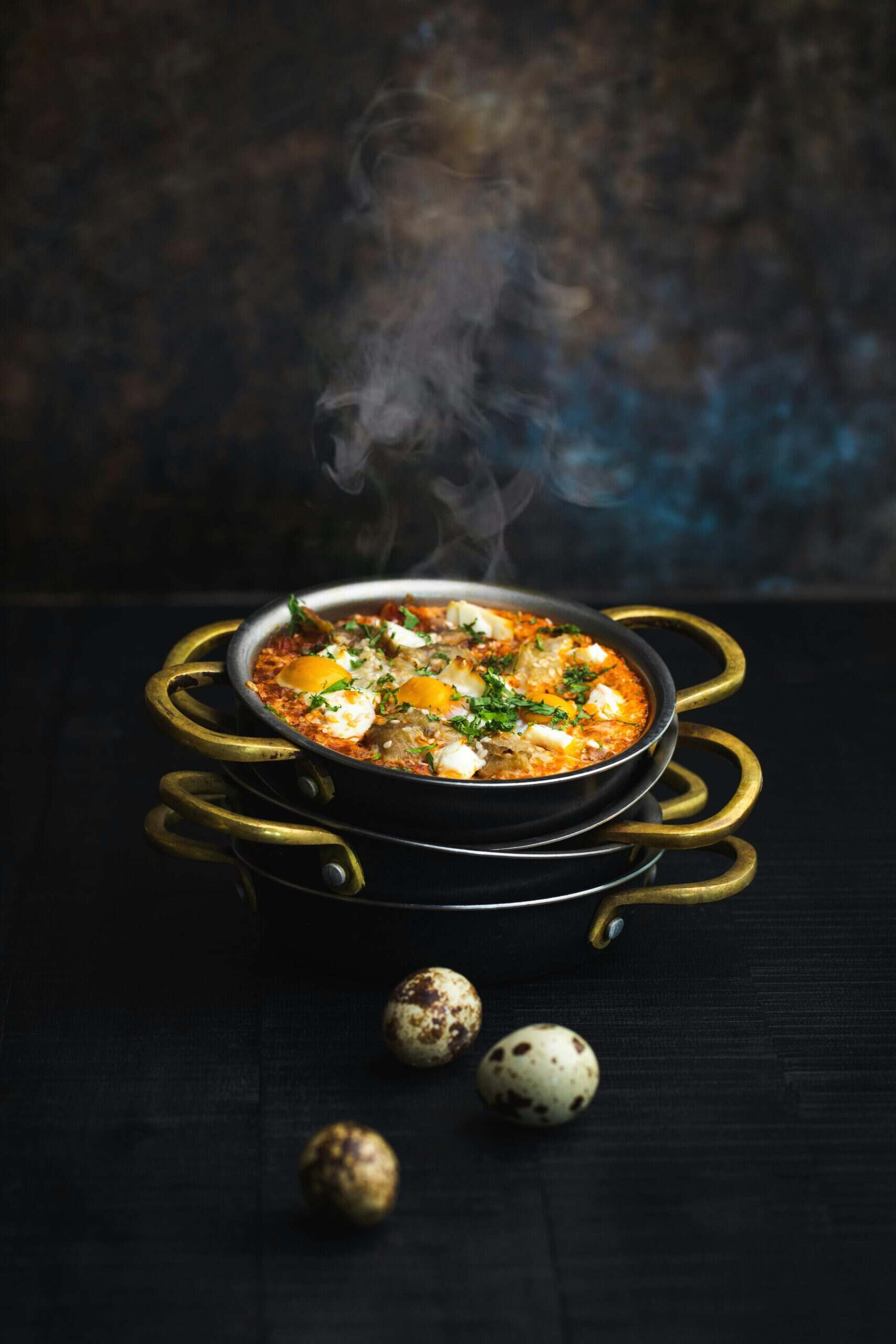
10. Sundubu Jjigae
Soft tofu stew, bubbling hot and often served with egg. Spicy, silky, and one of the best cold-weather foods ever.
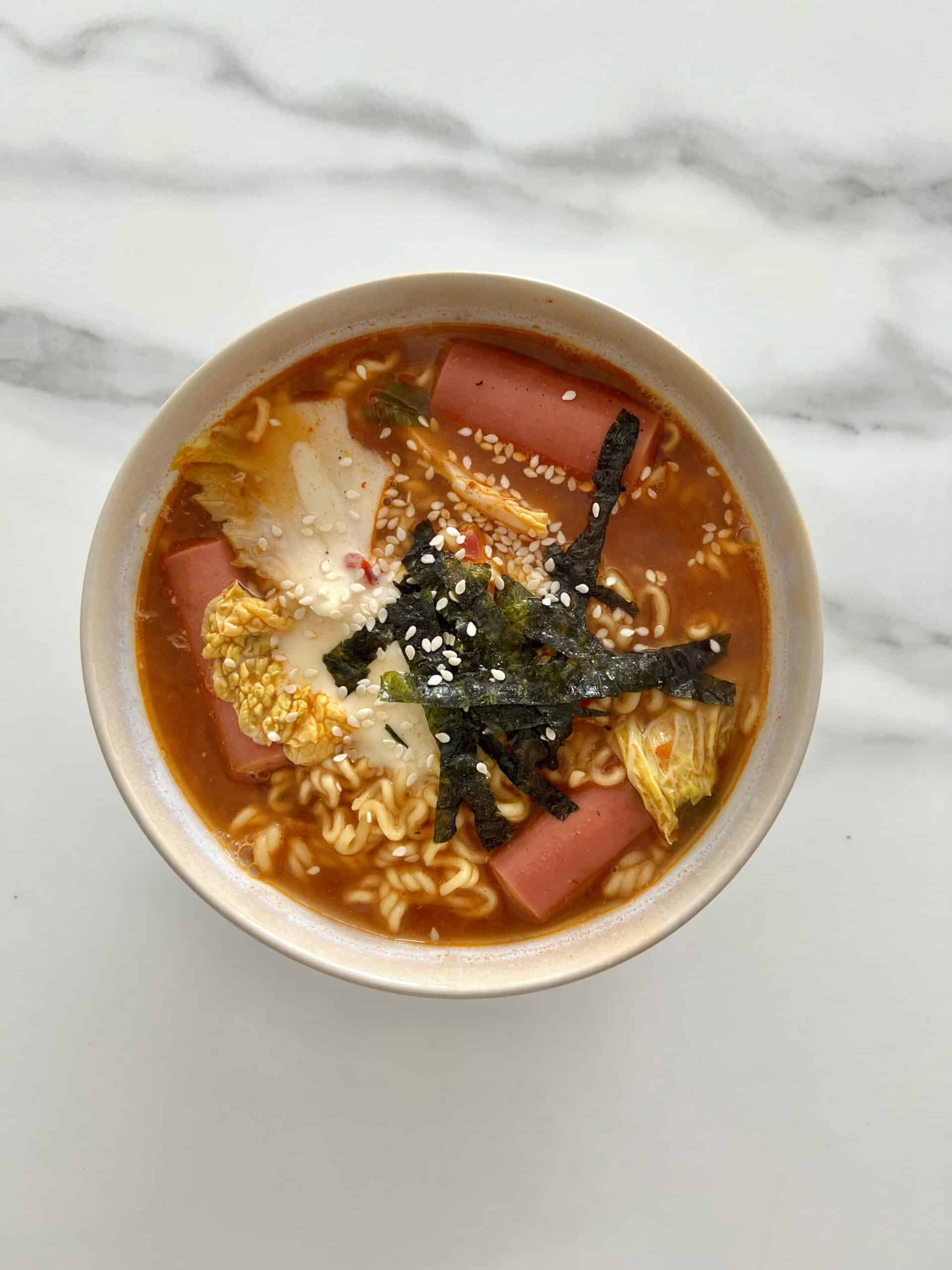
11. Budae Jjigae
“Army stew,” made with processed meats, noodles, cheese, and spicy broth. Messy, historical, weirdly lovable.
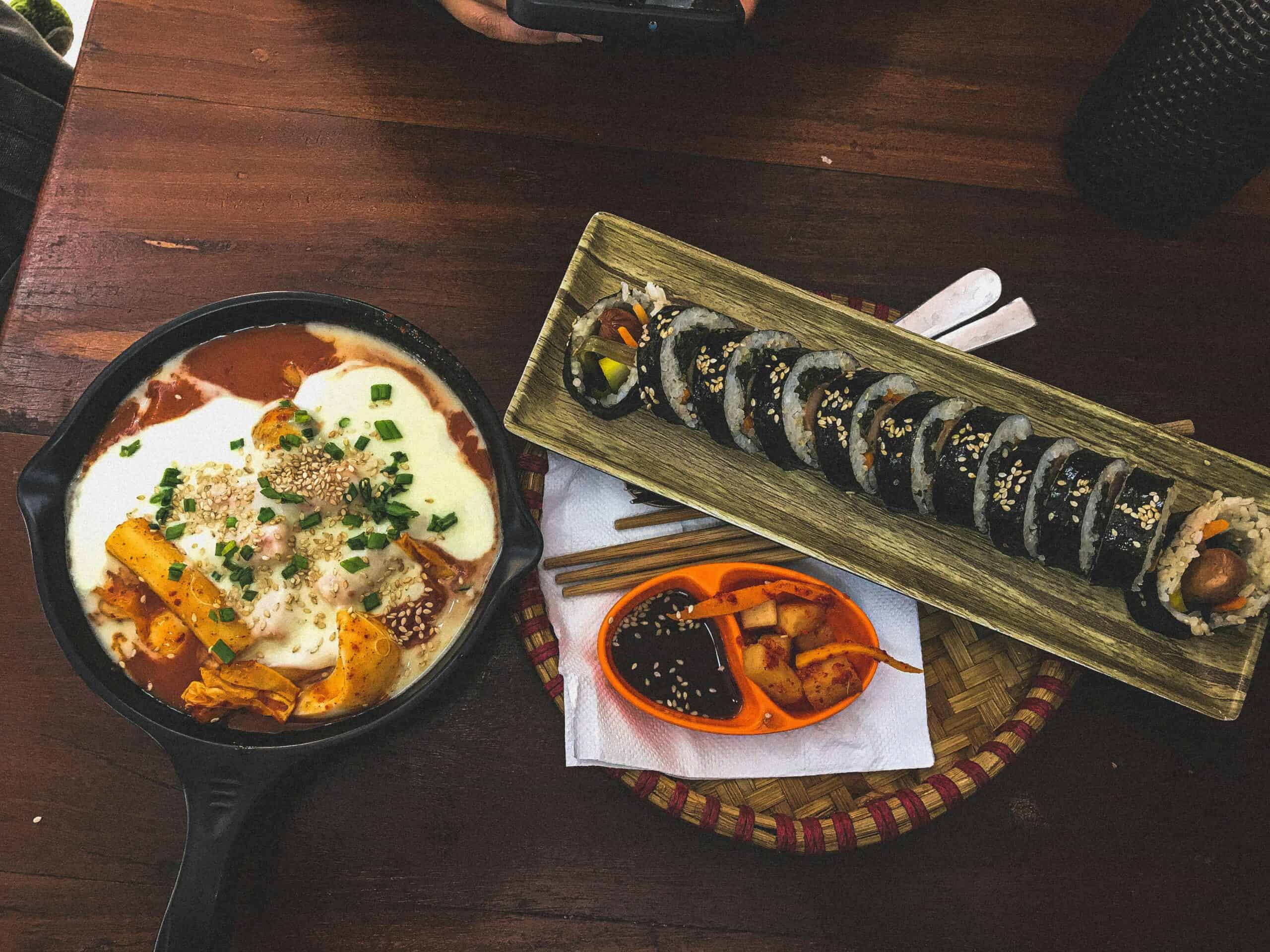
12. Cheese Tteokbokki
Not always the most traditional version, but definitely a modern favorite. The cheese softens the heat and makes it extra addictive.
🍲 Soups, Stews, and Broths That Show Korea’s Depth
13. Seolleongtang
A milky ox-bone soup that looks simple until you taste how deep it is. Usually seasoned to your liking at the table.
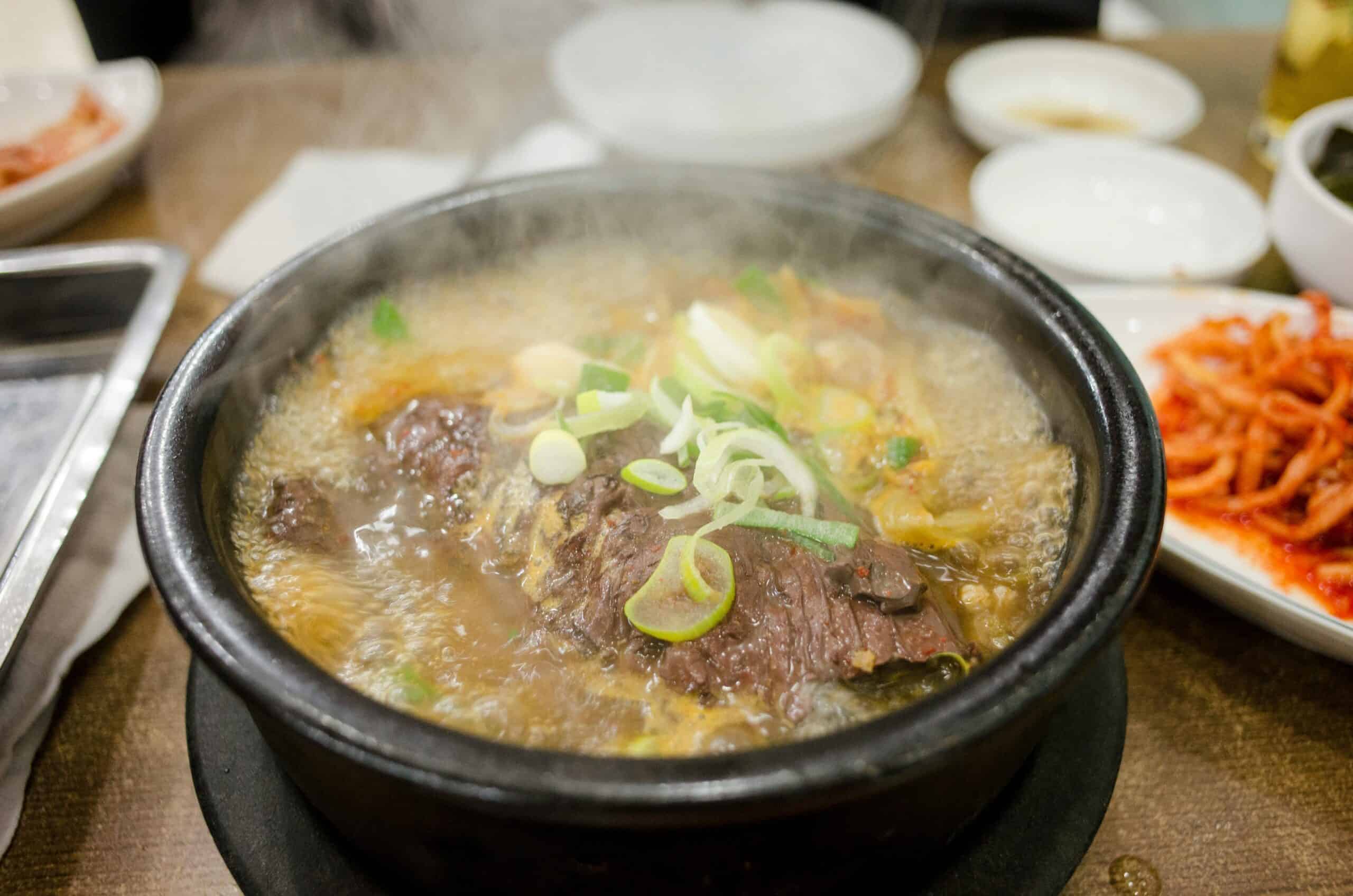
14. Gomtang
A clearer beef soup than seolleongtang, but still deeply comforting. More delicate, less heavy, very soothing.
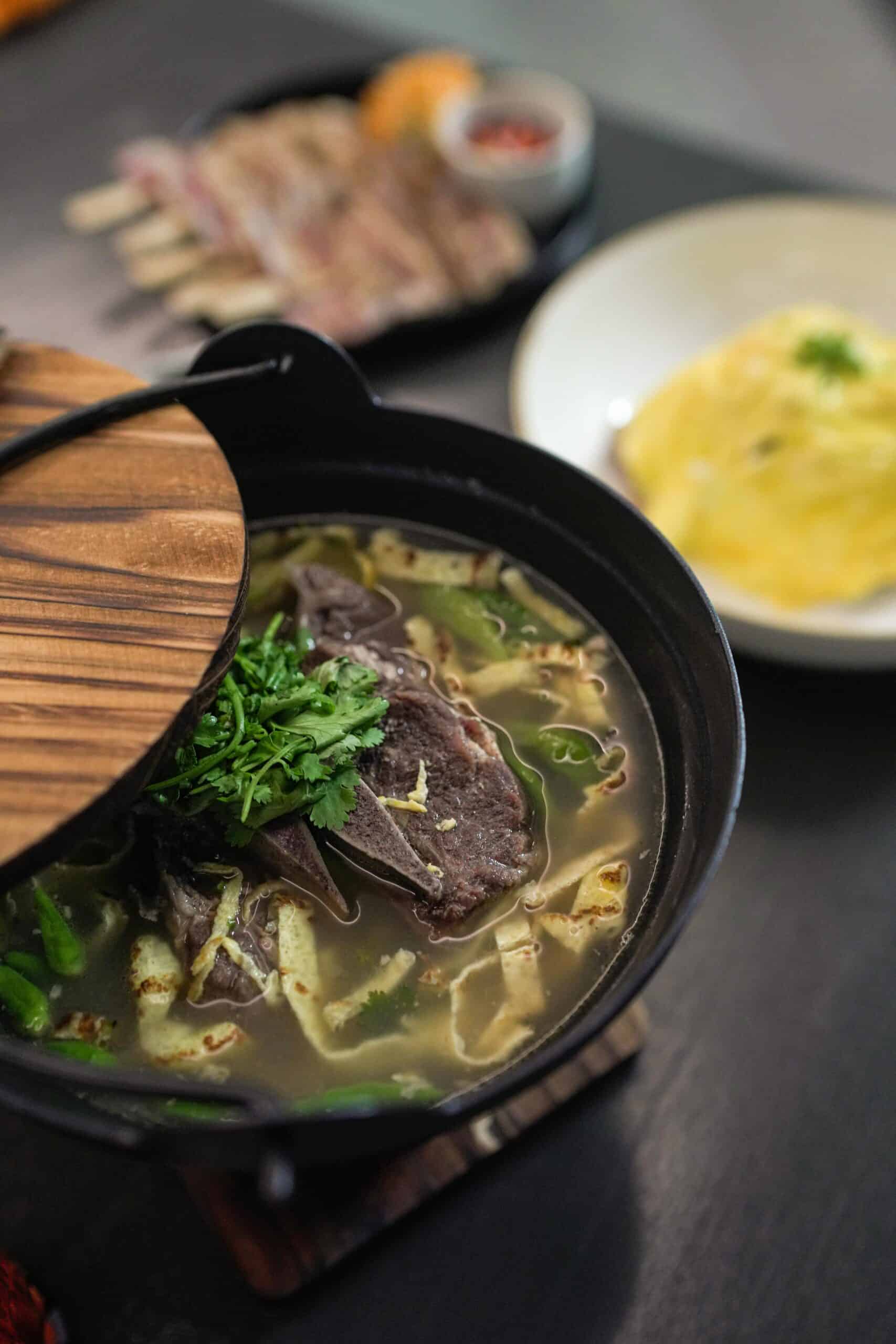
15. Galbitang
Short rib soup with a cleaner broth and tender beef. Feels a little more elegant than your average soup.
16. Gamjatang
Pork bone soup with potatoes, greens, and a rich, spicy broth. Very hearty, very filling, very worth it.
17. Dwaeji Gukbap
Pork soup with rice, especially associated with Busan. Comforting in a very direct, no-nonsense way.
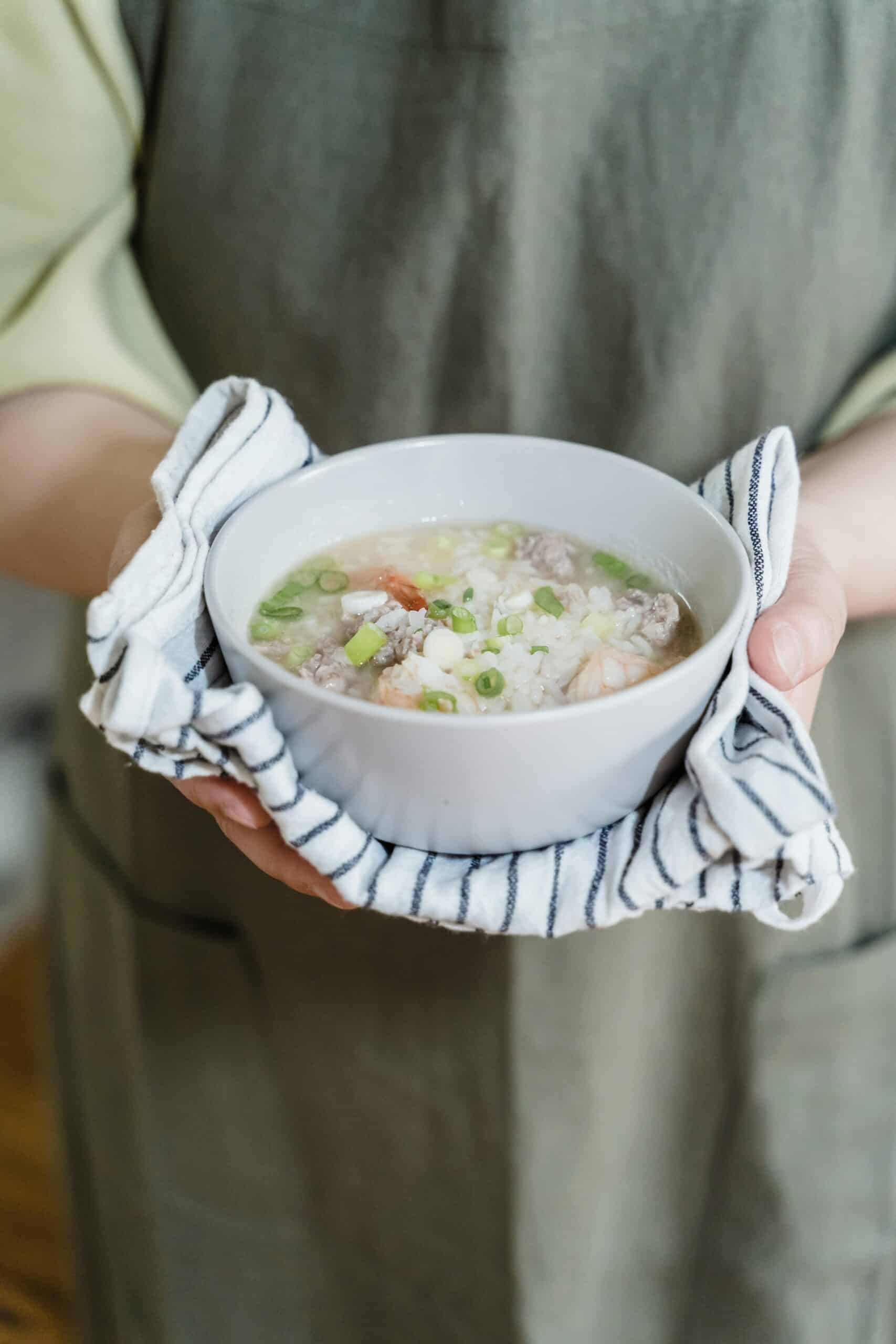
18. Samgyetang
Whole chicken stuffed with glutinous rice, simmered in broth. A classic restorative dish.
19. Kongnamul Gukbap
Rice soup with bean sprouts. Lighter, clean, and often exactly what you want after a heavy day of eating.
🍜 Noodles Worth Planning a Whole Trip Around
20. Naengmyeon
Cold noodles in chilled broth. Extremely refreshing and one of the most distinctive Korean noodle experiences.
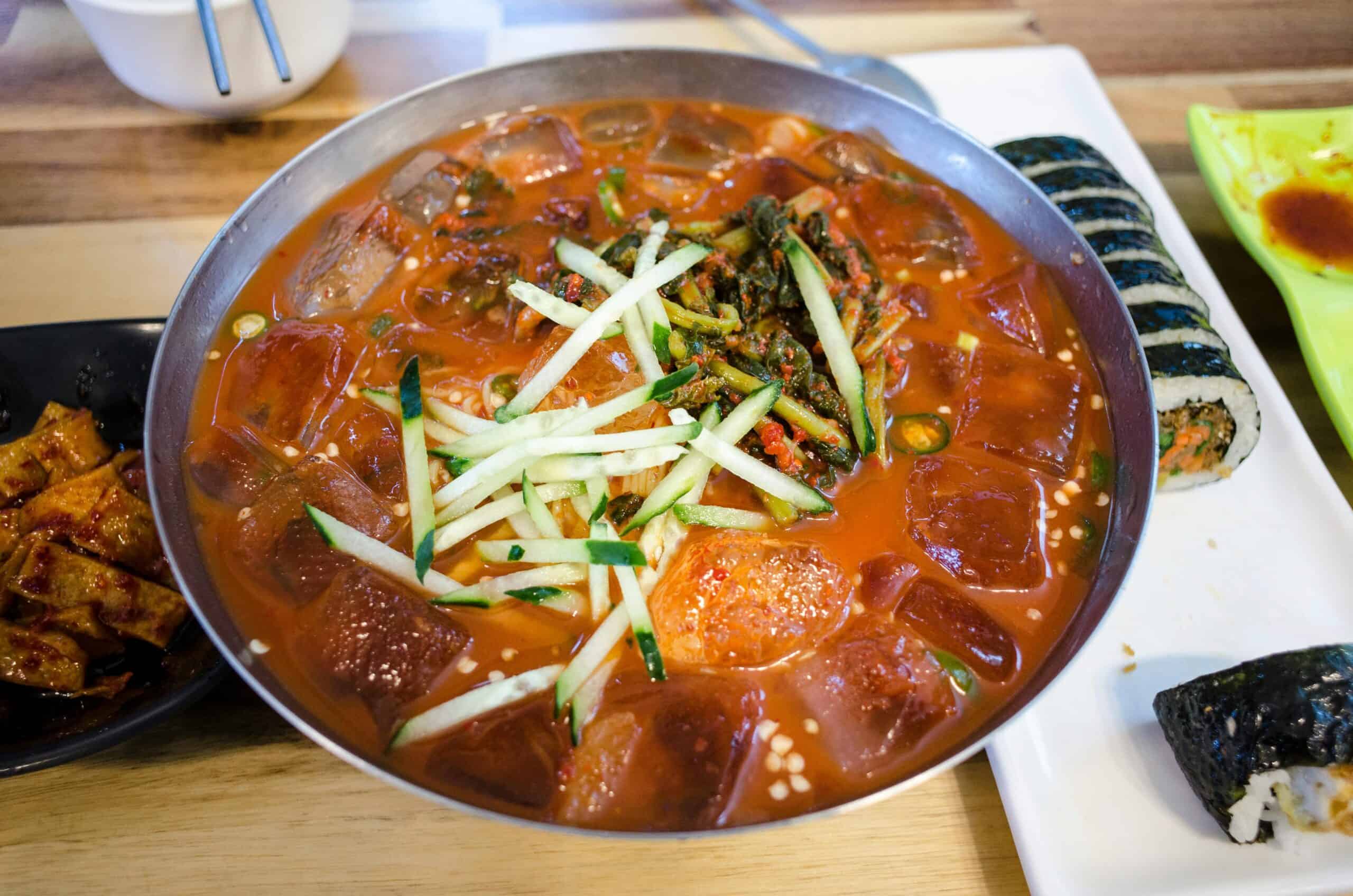
21. Bibim Naengmyeon
A spicier mixed version of cold noodles with bold sauce instead of a clear broth.
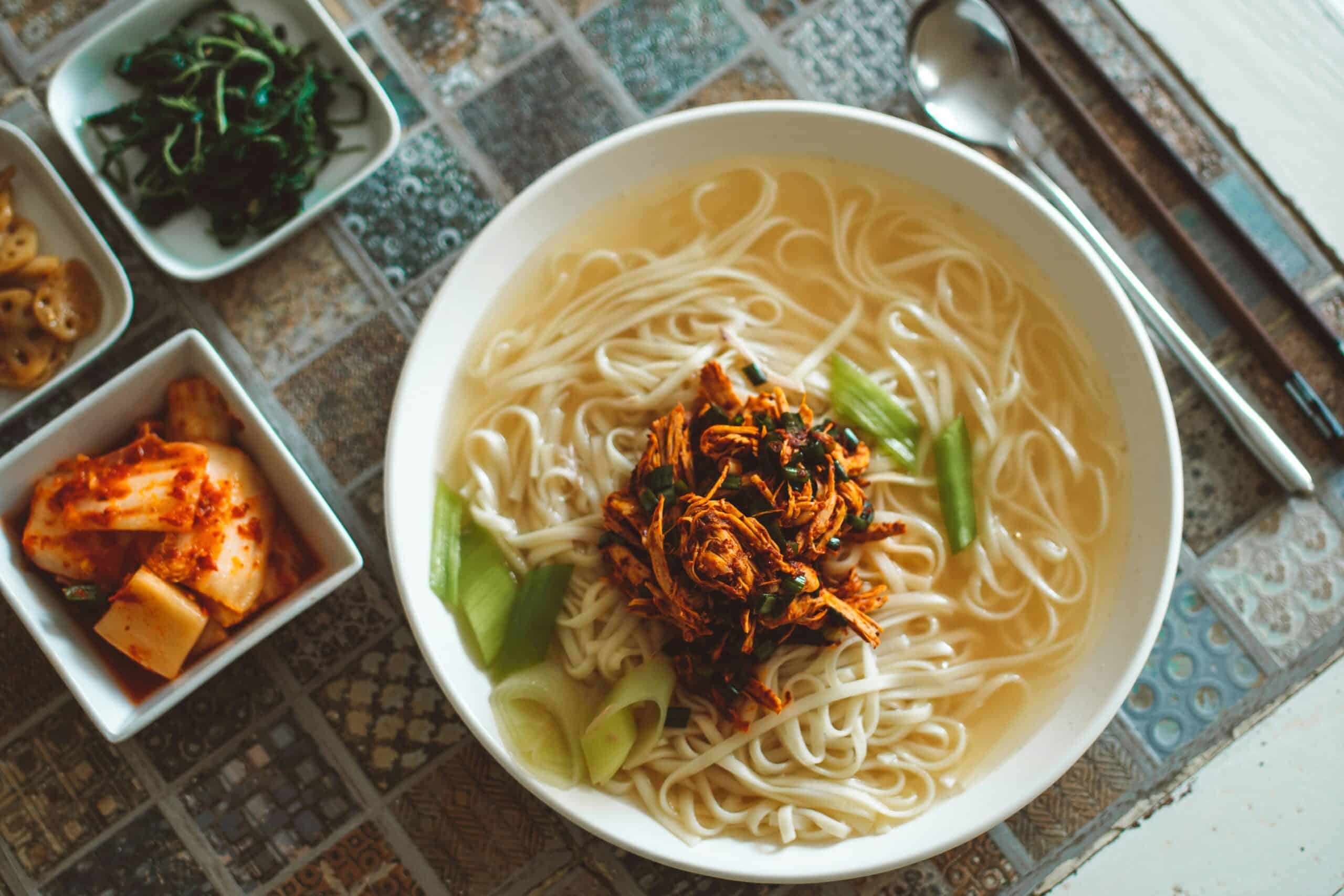
22. Kalguksu
Knife-cut noodle soup, often soft, comforting, and perfect on rainy days.
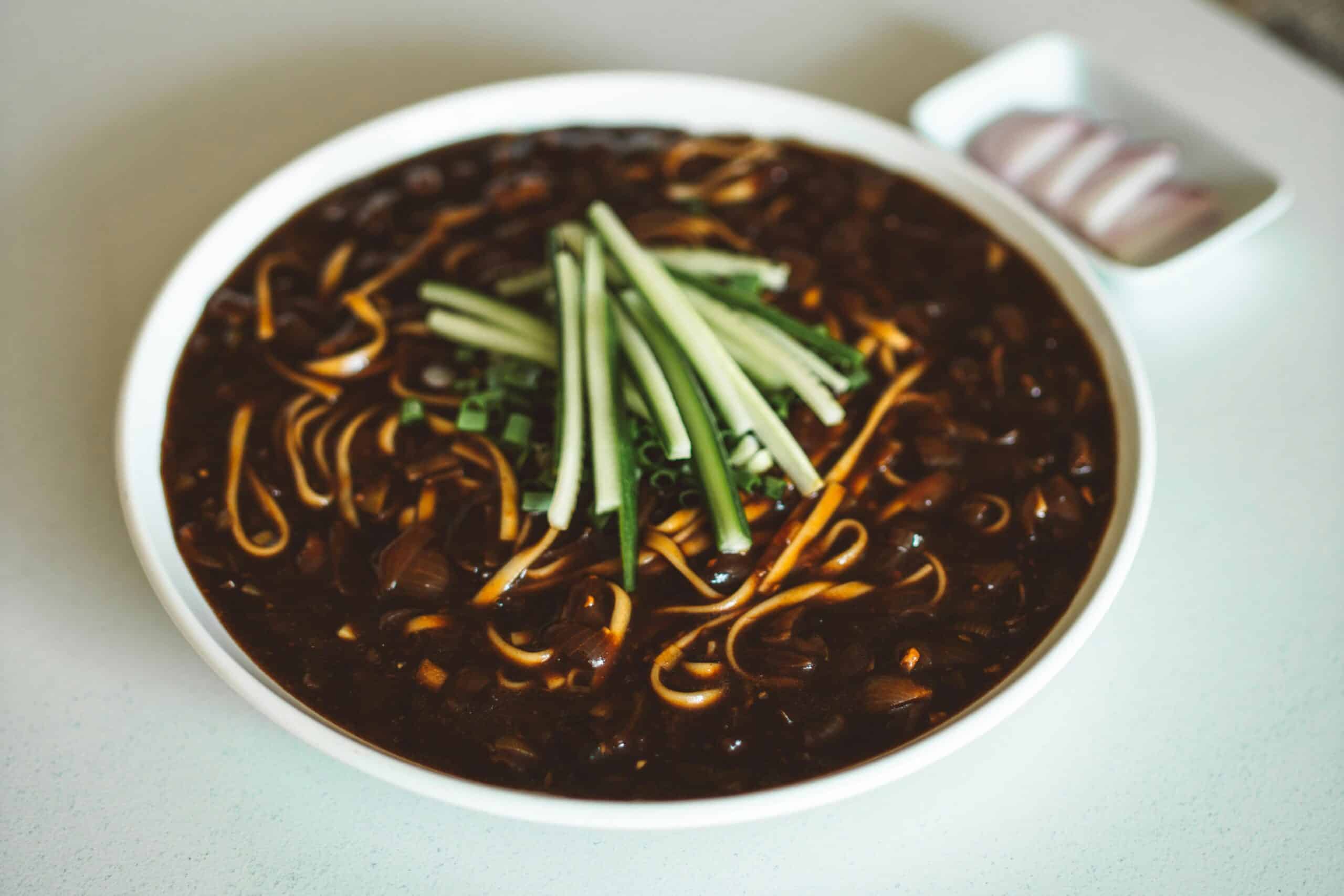
23. Jjajangmyeon
Noodles in black bean sauce. Rich, savory, and one of Korea’s most beloved comfort dishes.
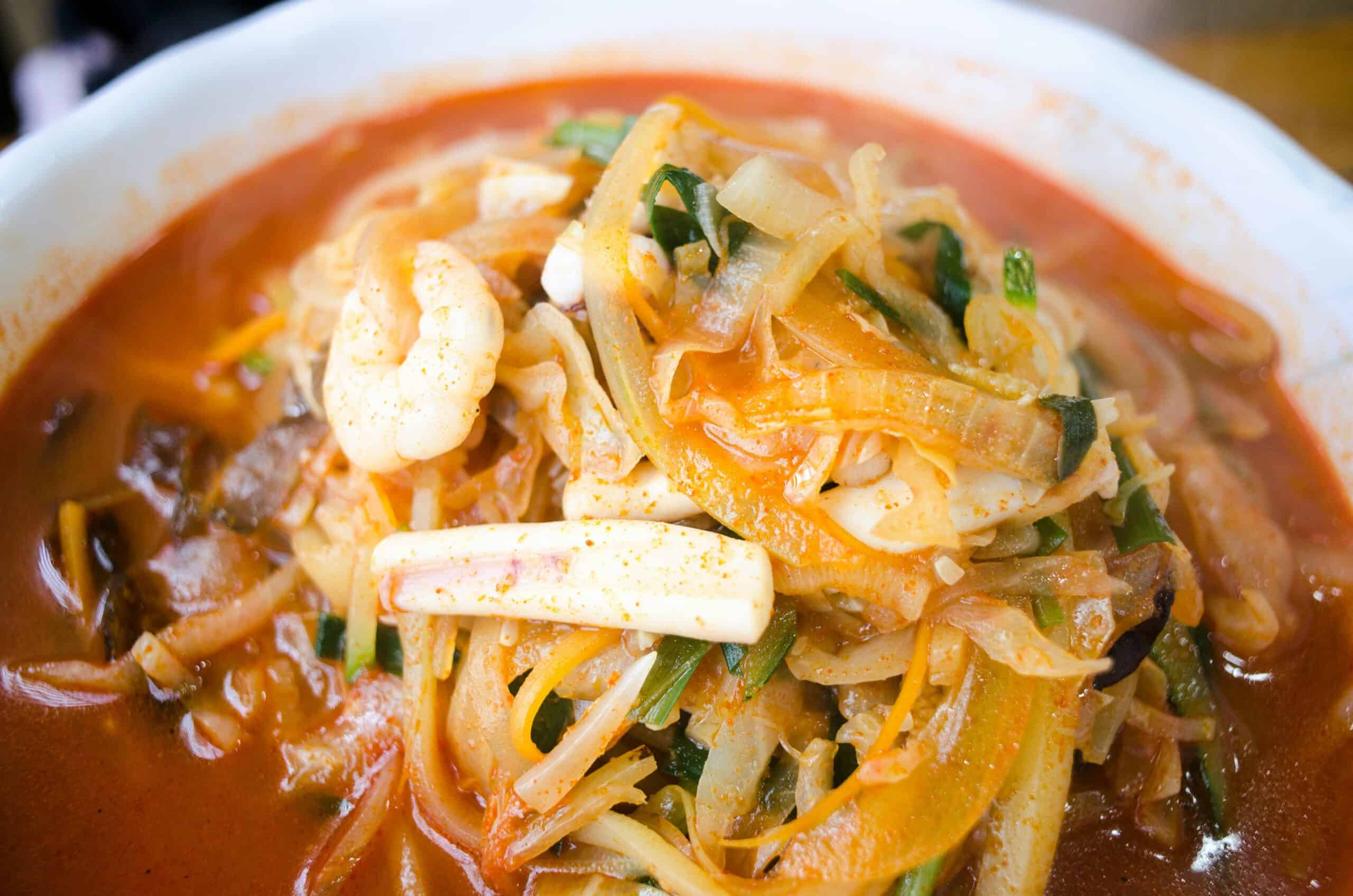
24. Jjamppong
Spicy seafood noodle soup. Loud, red, and deeply satisfying.
25. Makguksu
Buckwheat noodles, often served cold with a spicy or tangy dressing. Great if you like lighter noodle dishes.
🥩 Grilled, Fried, and Sizzling Dishes for Meat Lovers
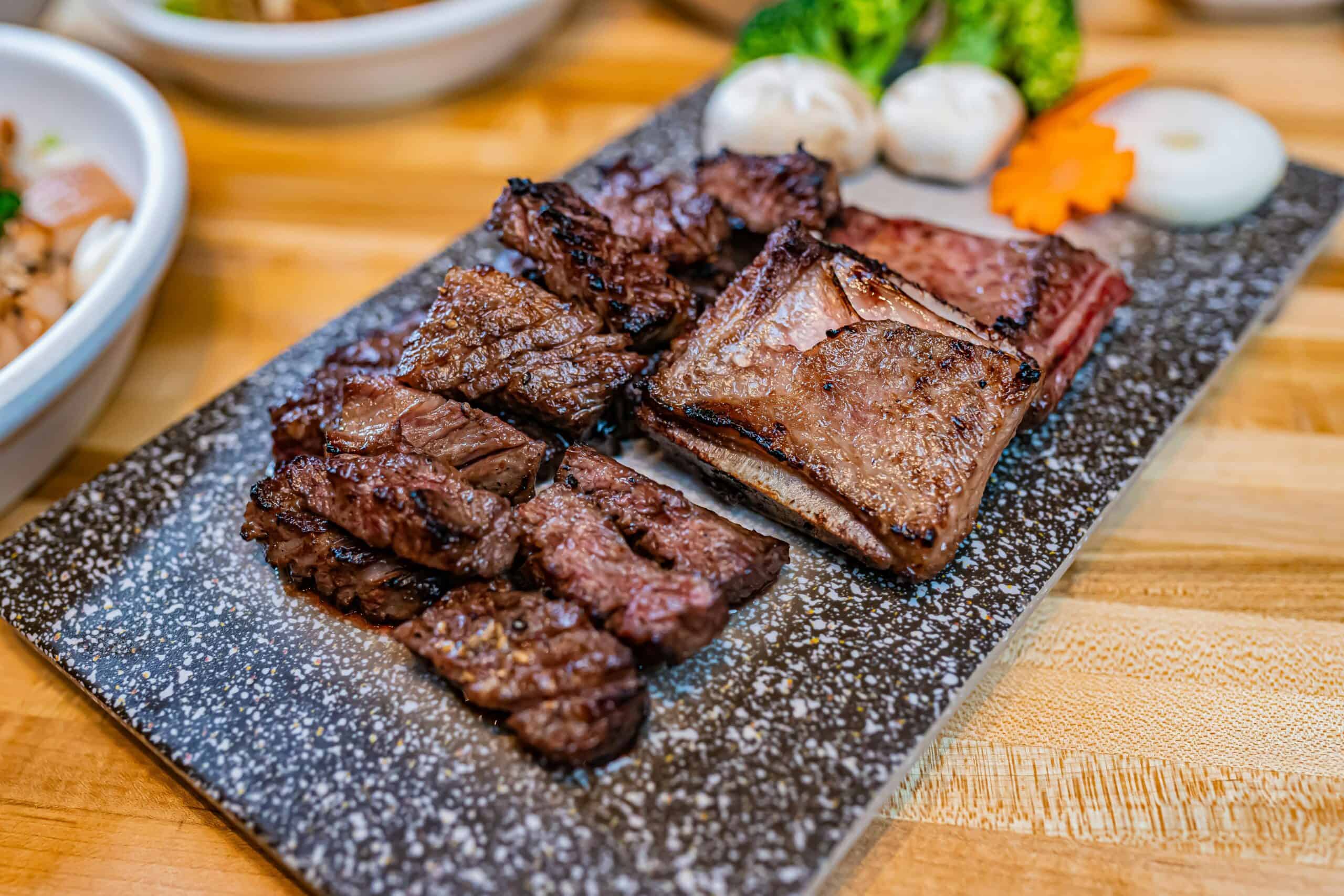
26. Galbi
Marinated ribs, sweet-savory and grilled. A Korean BBQ essential.
27. Dakgalbi
Yes, it belongs here too. It is saucy comfort food, but also one of the great sizzling tabletop dishes.
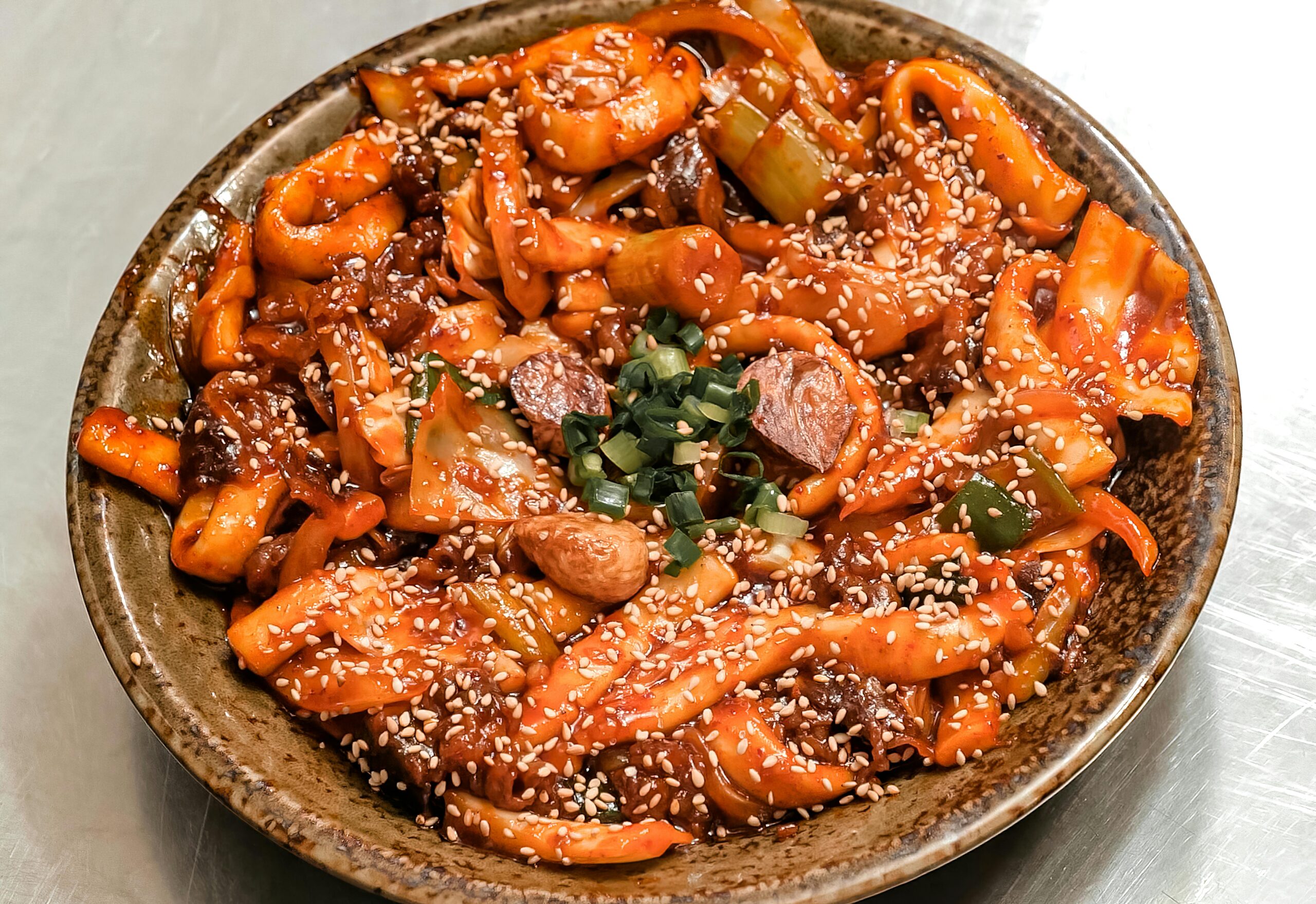
28. Bossam
Boiled pork slices served with wraps, kimchi, and condiments. Softer and more delicate than Korean BBQ.
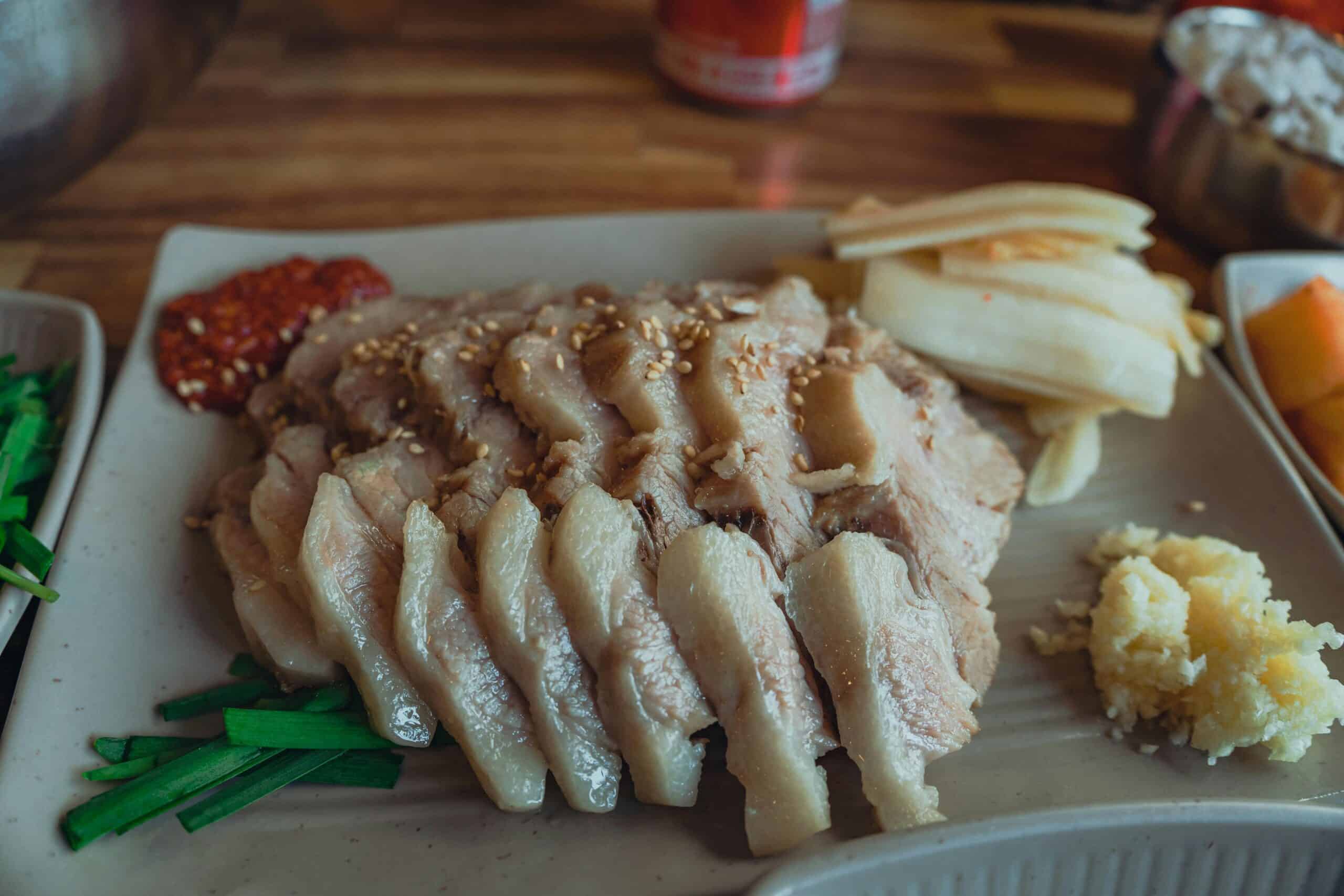
29. Jokbal
Braised pig’s feet, sliced and served with sauces. Rich, gelatinous, and more delicious than some people expect.
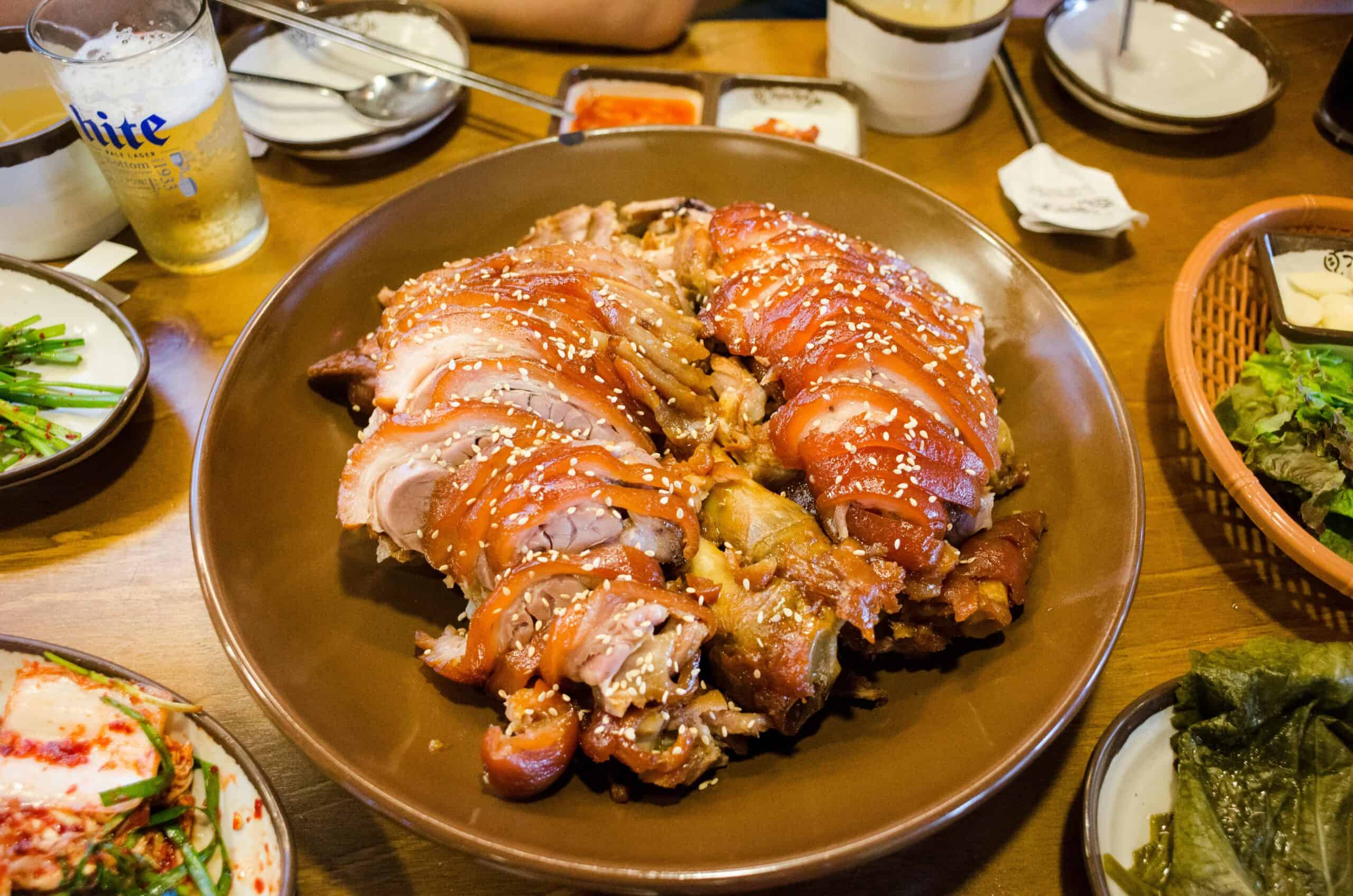
30. Korean Fried Chicken
Ultra-crispy and usually glazed or seasoned. A global icon for a reason.
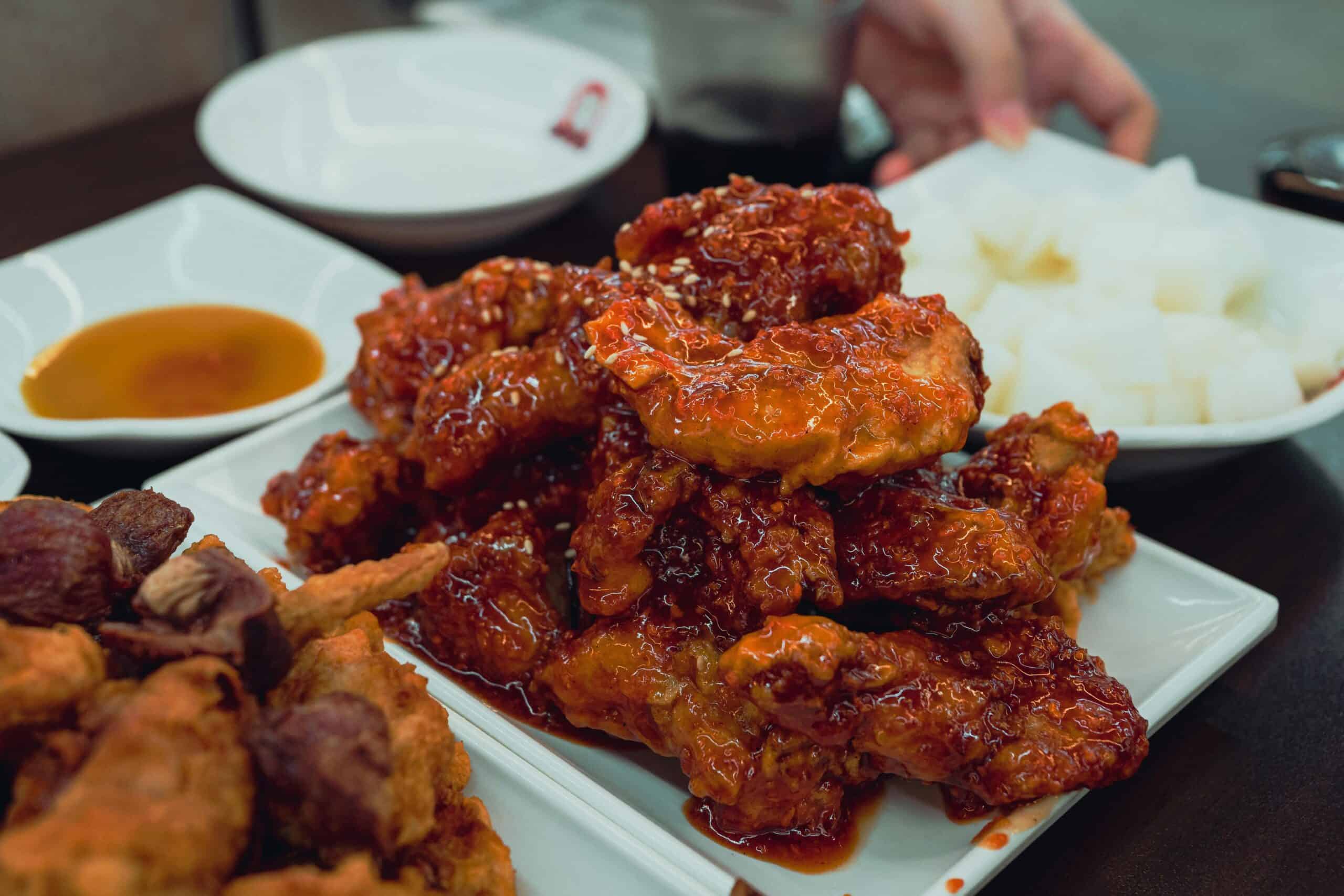
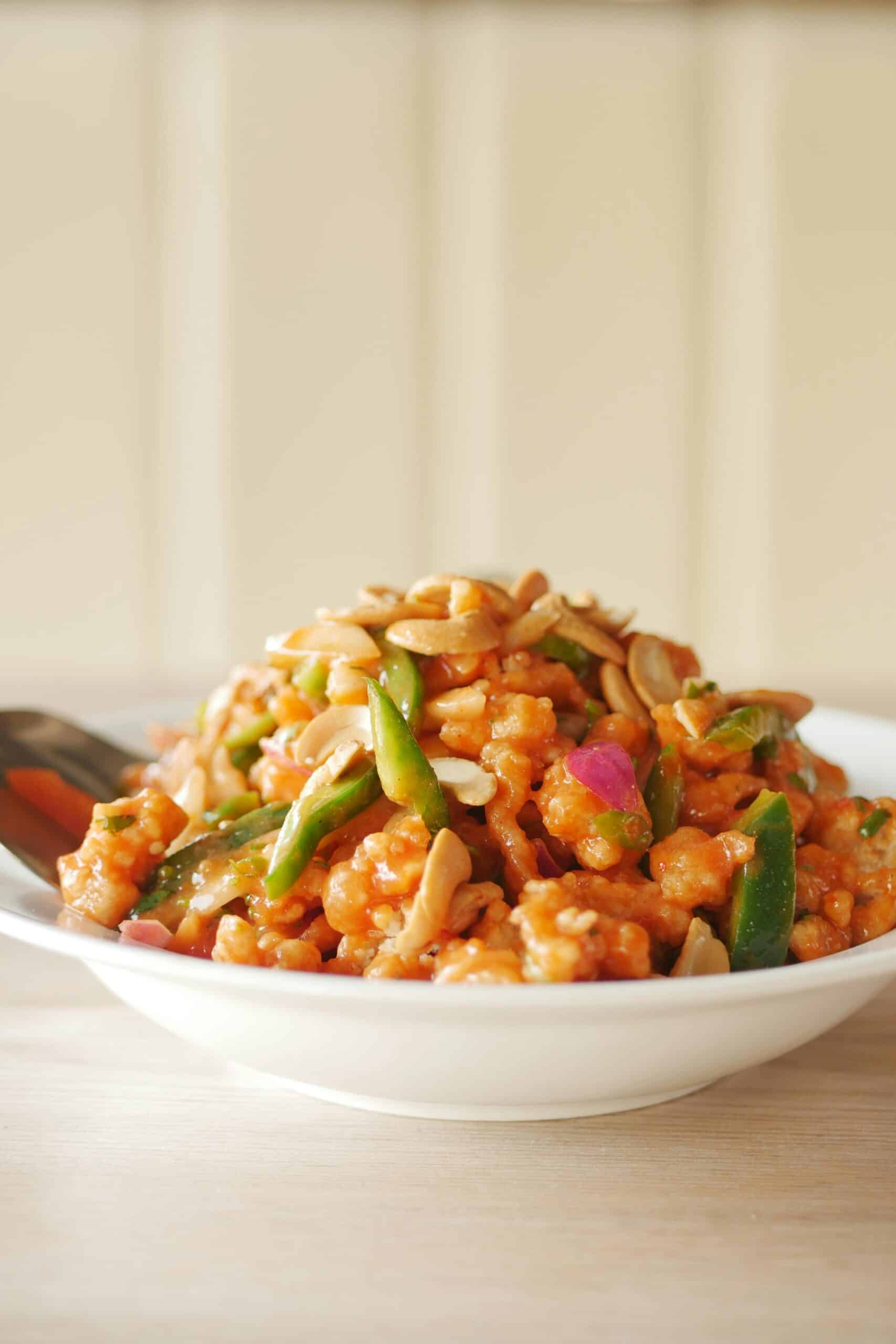
31. Tangsuyuk
Korean Chinese sweet-and-sour fried pork. Crispy, glossy, and very fun to eat.
🐟 Seafood and Fermented Flavors for More Adventurous Eaters
32. Ganjang Gejang
Raw crab marinated in soy sauce. Salty, rich, and one of those dishes people either become obsessed with or approach with caution.
33. Yangnyeom Gejang
Spicy marinated crab. Messier, louder, and equally intense.
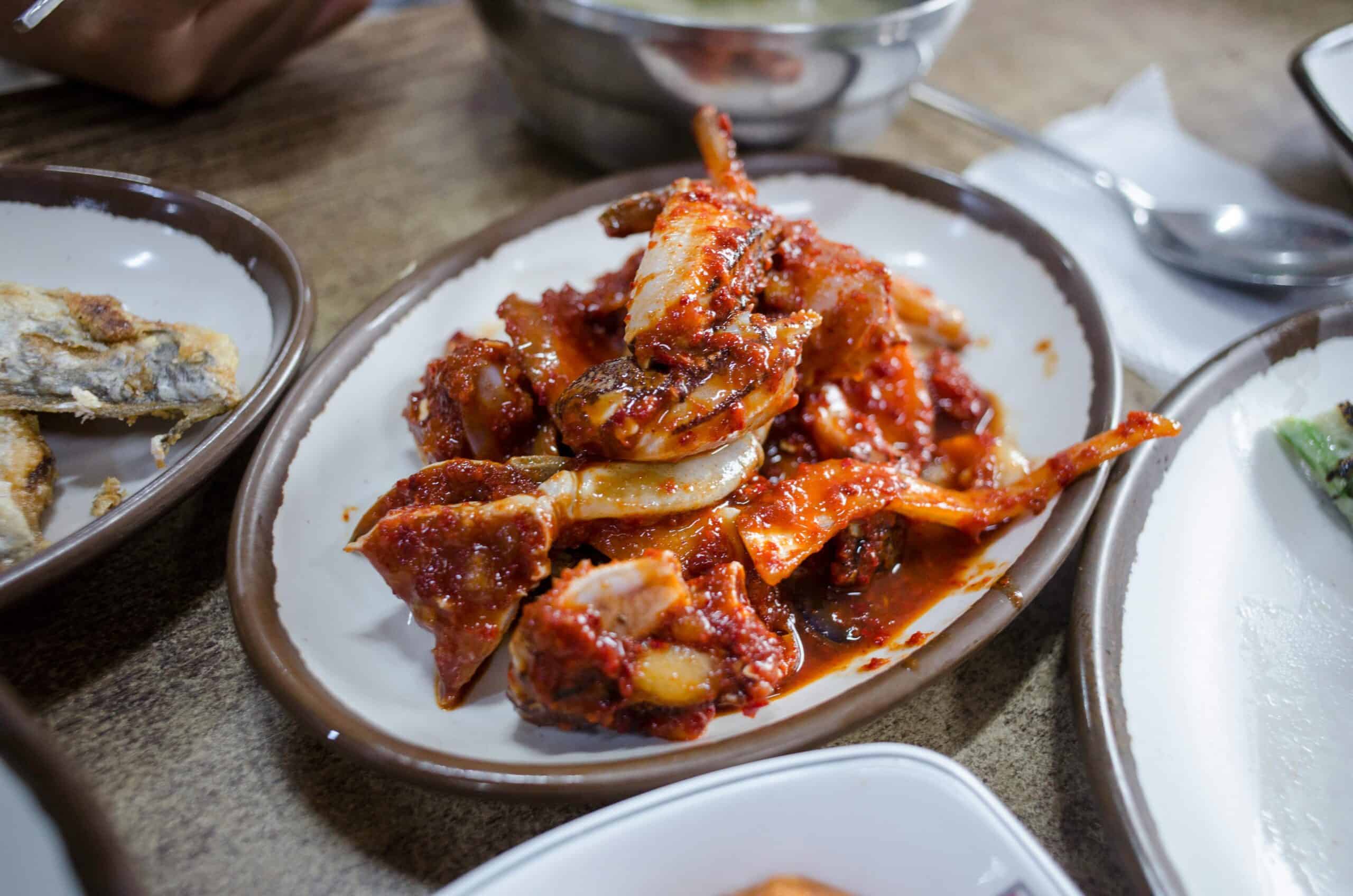
34. Hoe
Raw fish, Korean-style. Cleaner and often leaner than people expect if they only know sushi.
35. Agujjim
Spicy braised monkfish with bean sprouts. Bold and deeply savory.
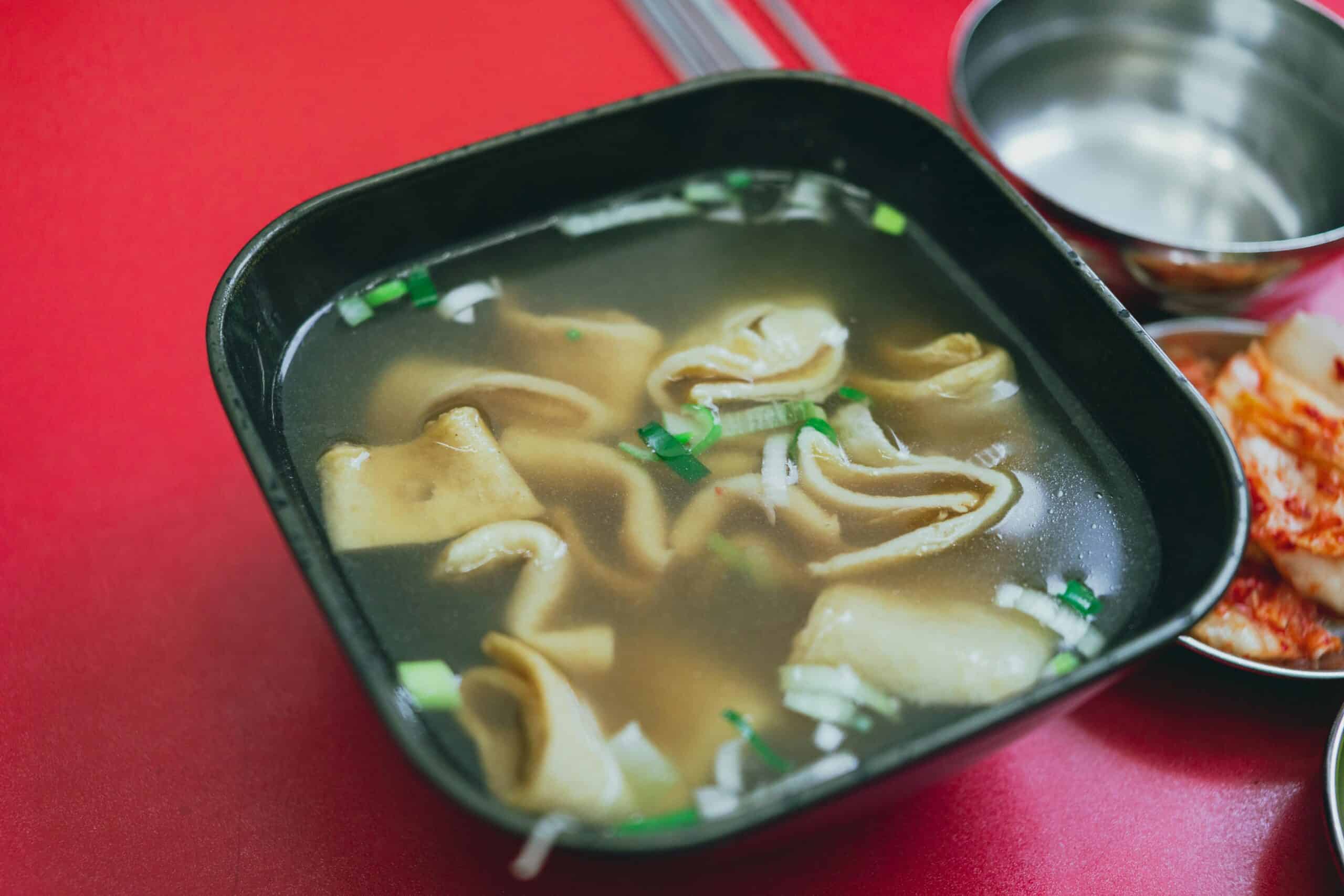
36. Eomuk탕 / Odeng
Fish cake soup or skewered fish cakes in broth. A street-food and winter favorite.
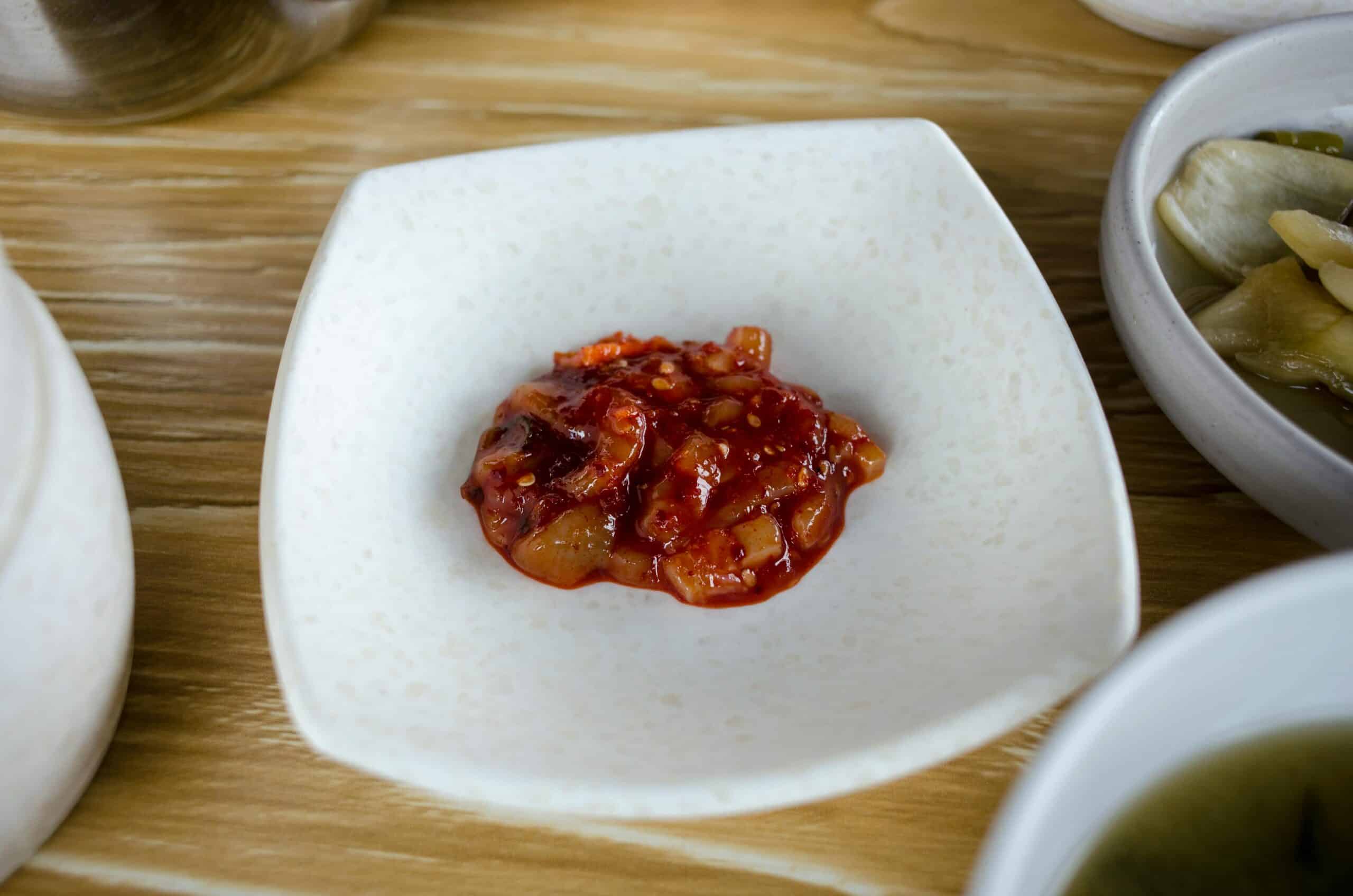
37. Jeotgal
Salted fermented seafood, often used in small amounts. More of a flavor world than a standalone beginner dish, but important.
🥟 Street Foods, Market Foods, and Snackable Favorites
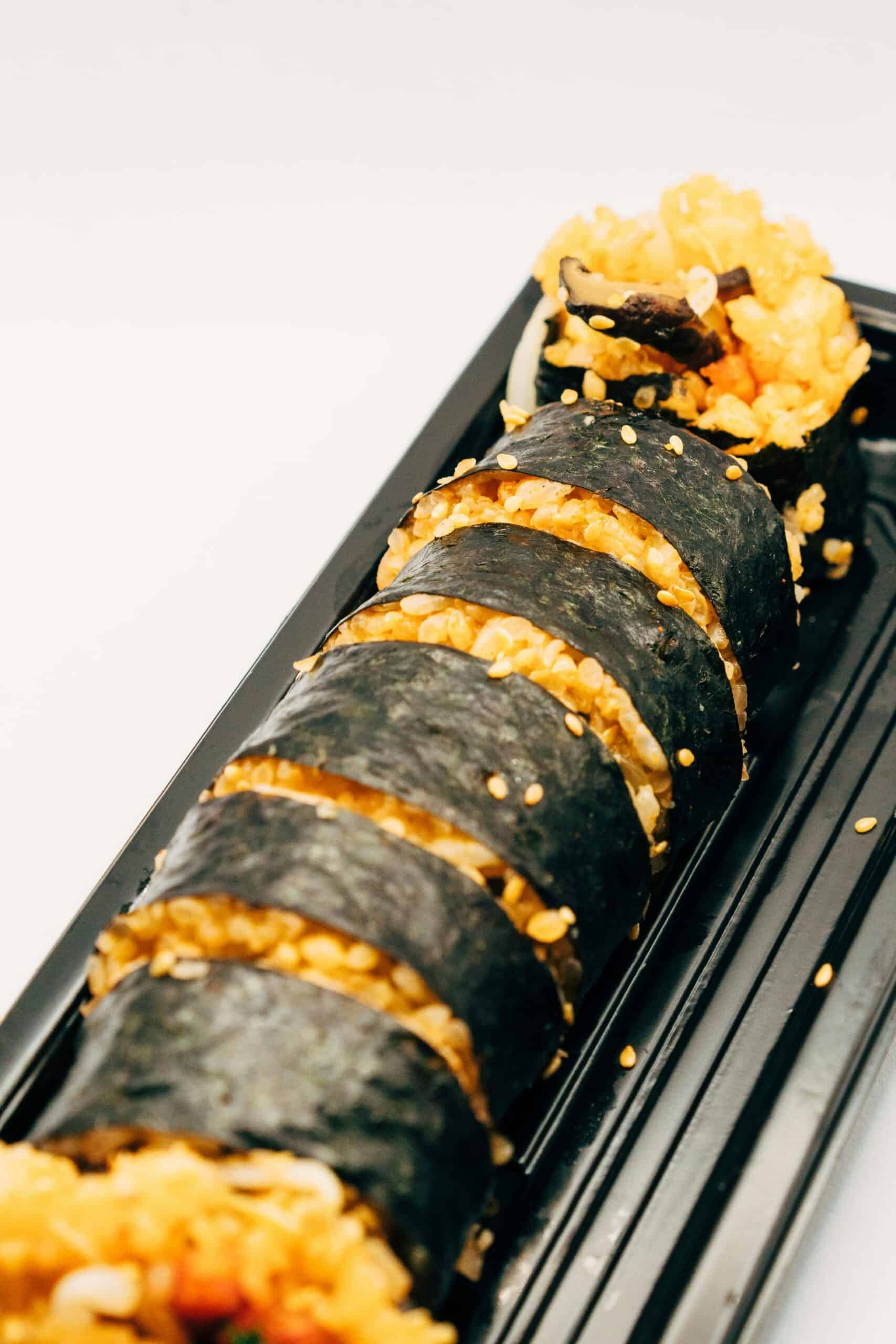
38. Kimbap
Rice rolls with fillings like egg, vegetables, meat, tuna, or kimchi. Portable, practical, and way more varied than non-Koreans often realize.
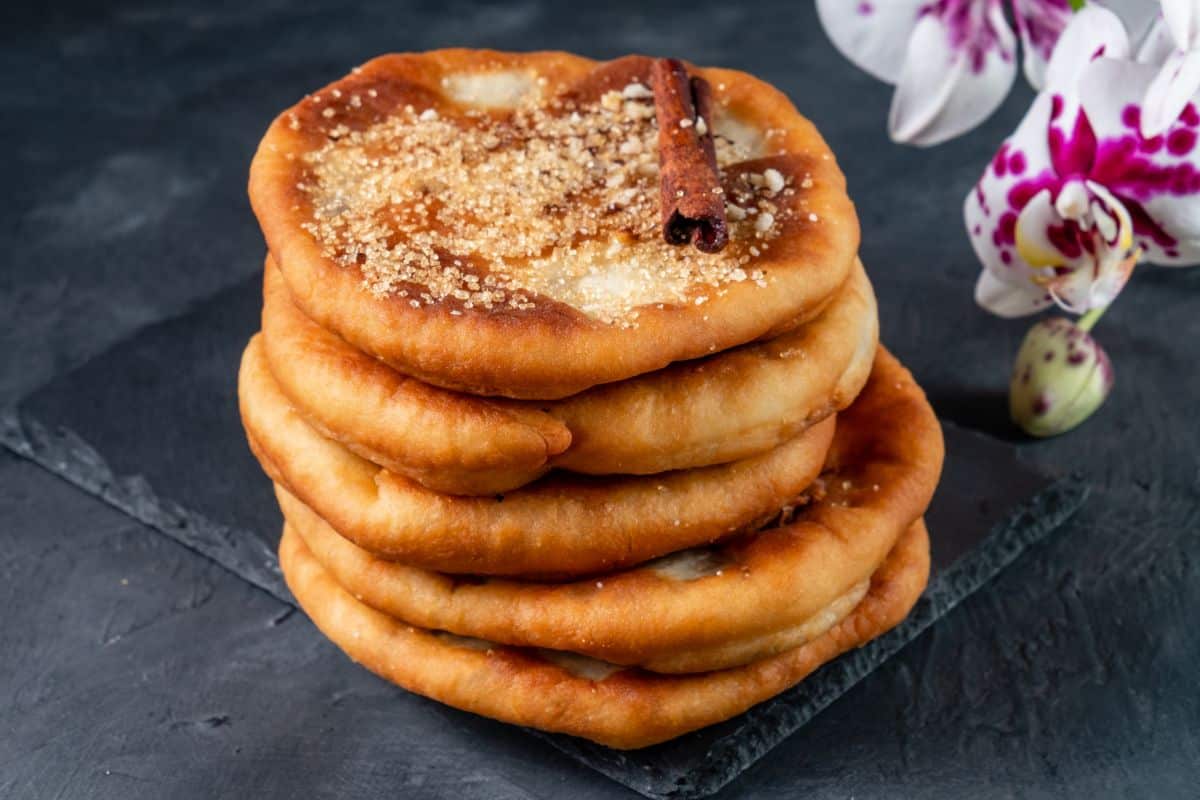
39. Hotteok
Sweet filled pancake, often with brown sugar, nuts, or seeds. Winter street-food perfection.
40. Sundae
Korean blood sausage, usually sold with liver and lung in market settings. More of an acquired taste, but absolutely iconic.
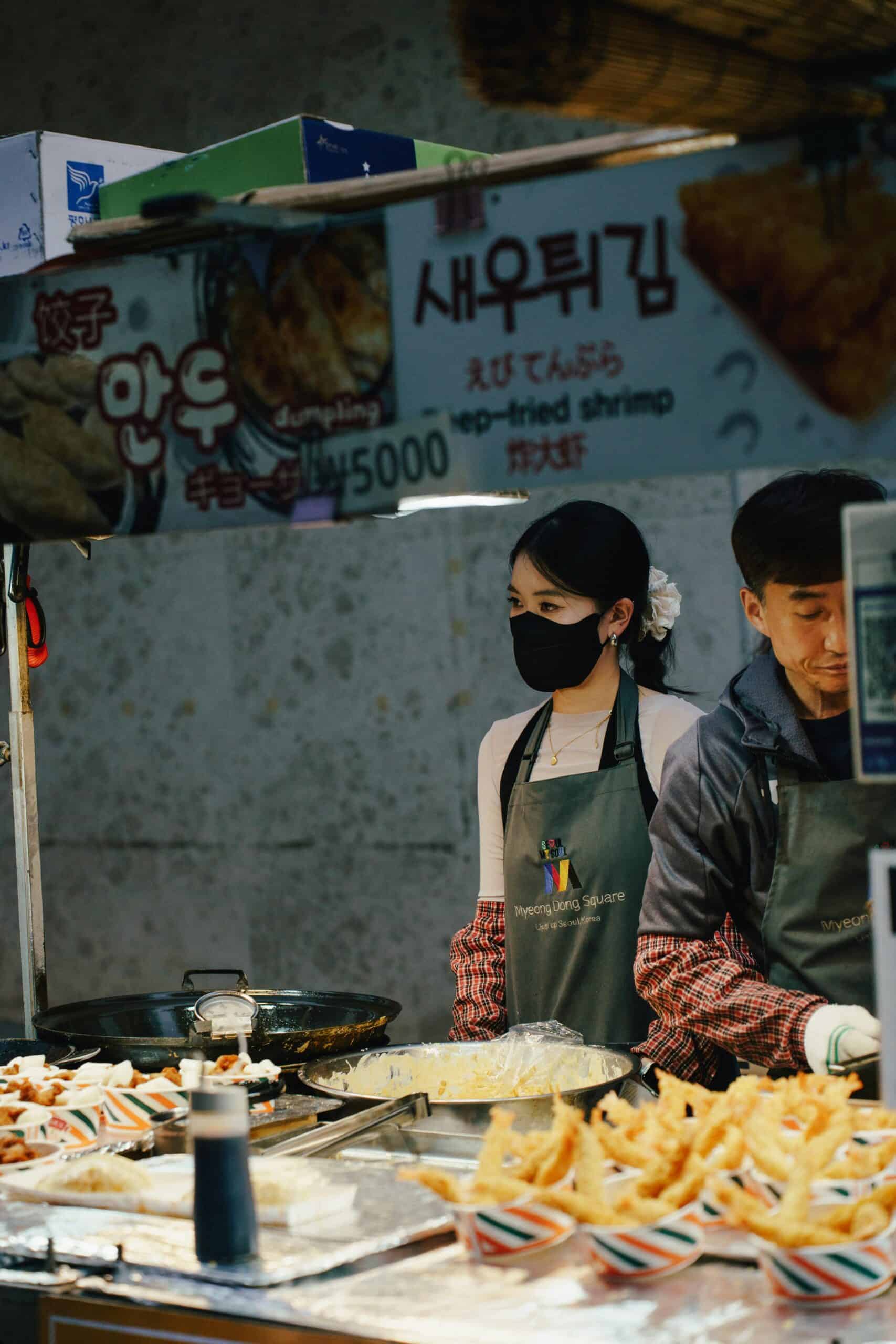
41. Twigim
Assorted fried snacks, often eaten with tteokbokki. Crispy chaos in the best way.
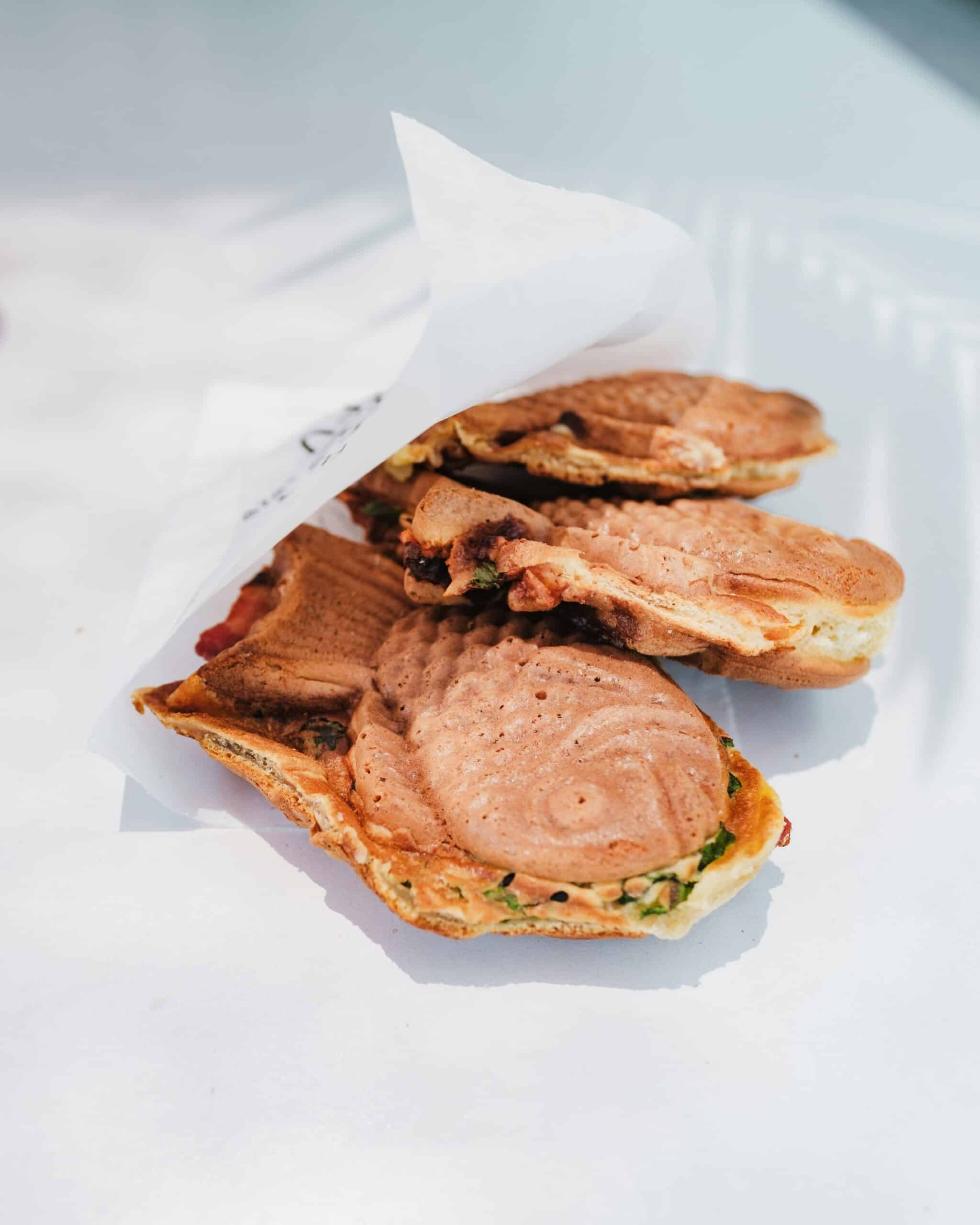
42. Bungeoppang
Fish-shaped pastry usually filled with red bean or custard. Cute, warm, and easy to love.
43. Gukhwappang
Flower-shaped little cakes, usually sweet. Less internationally famous, still worth trying.
🍱 Rice, Side Dishes, and the Foods That Make a Korean Table Feel Full
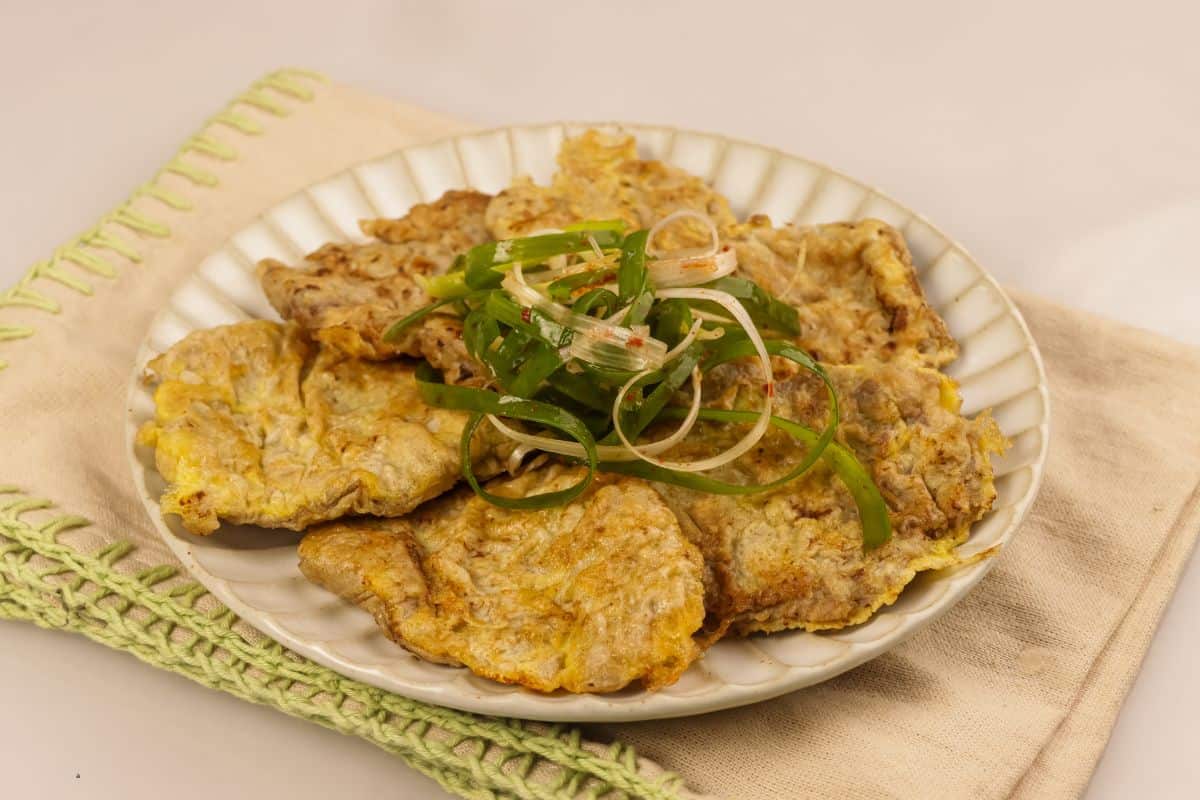
44. Jeon
Savory pancakes made with vegetables, seafood, kimchi, or meat. Excellent with drinks, also excellent without them.
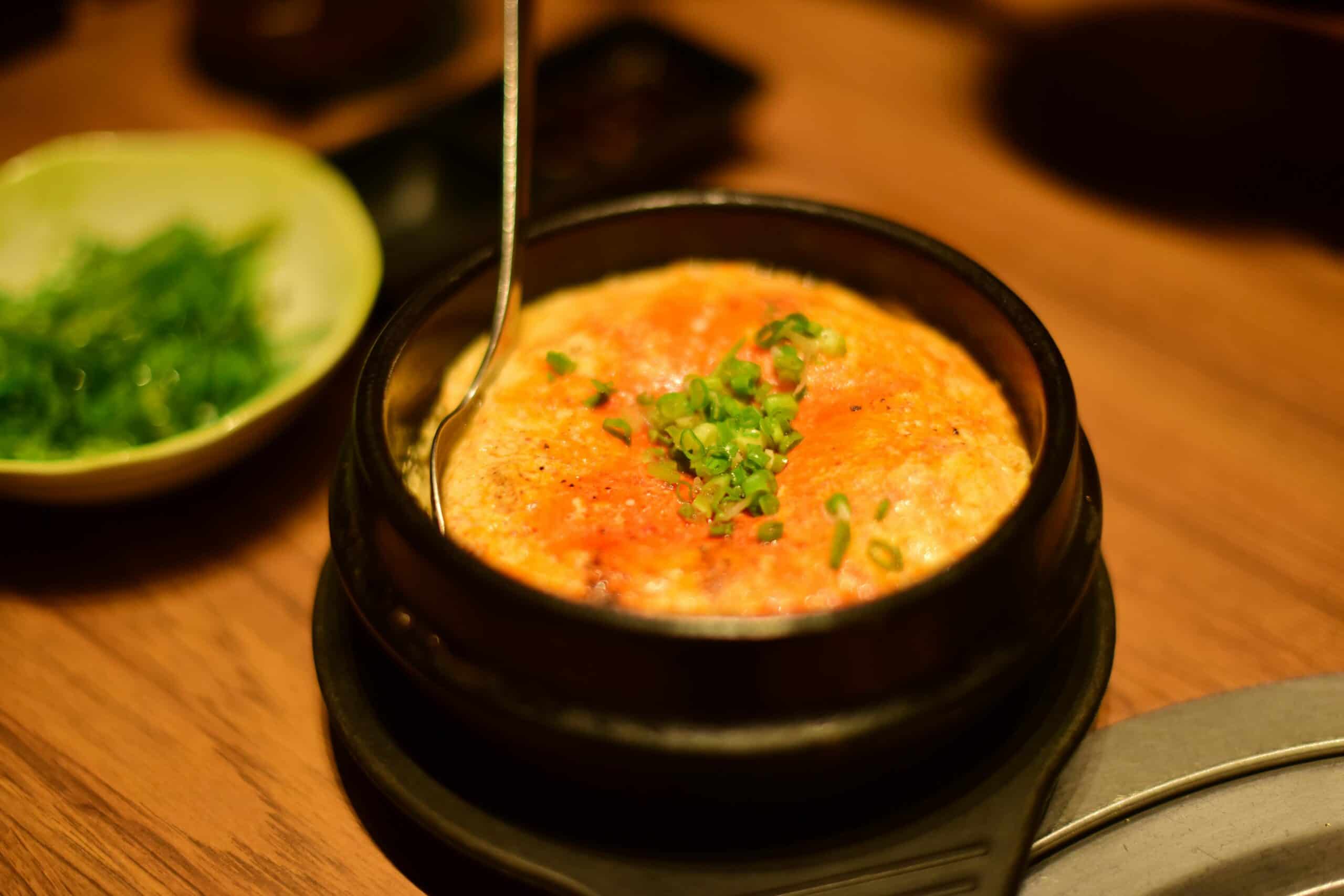
45. Gyeran-jjim
Steamed egg, soft and fluffy and quietly perfect.
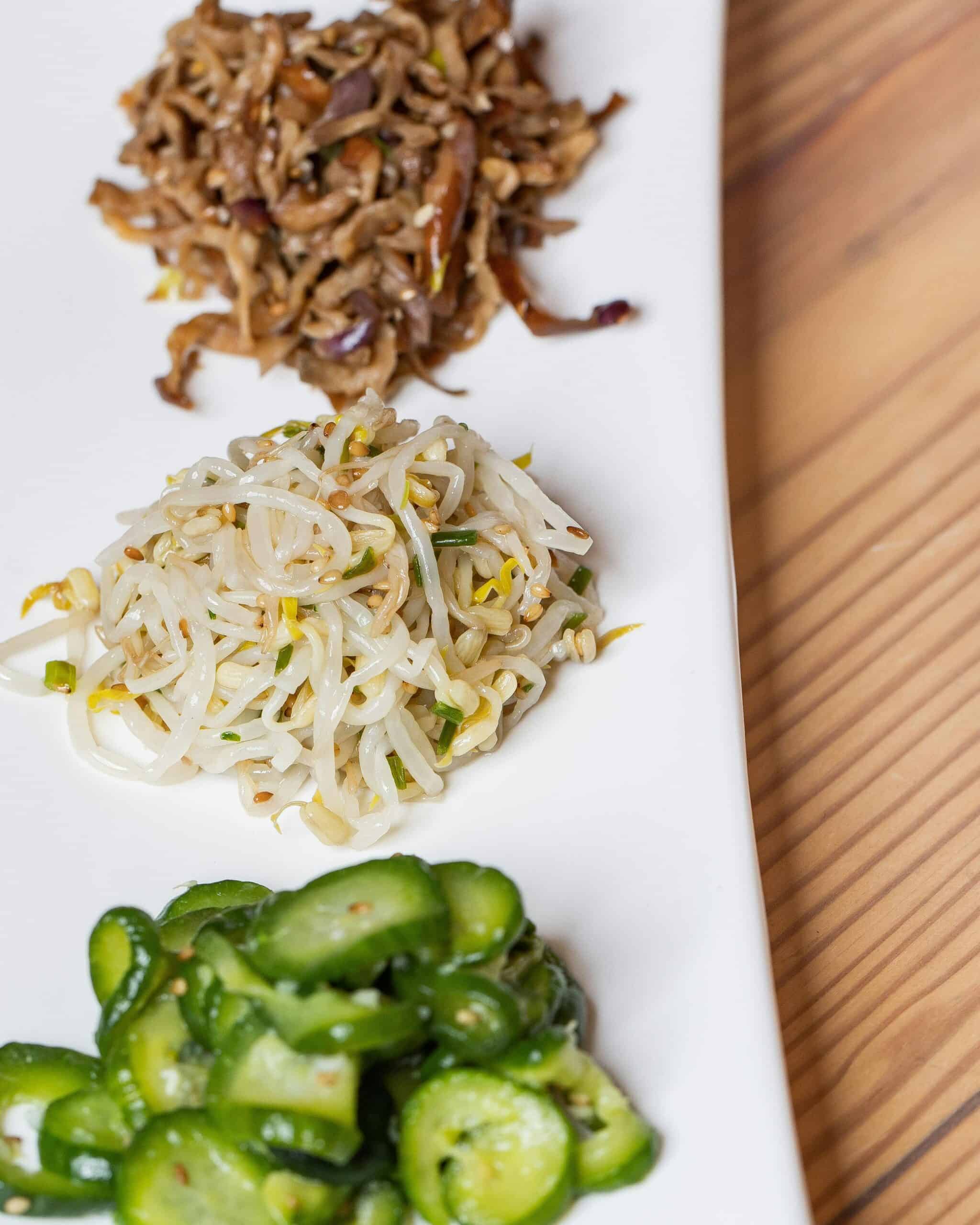
46. Namul
Seasoned vegetable side dishes. Simple on paper, but they are part of what makes Korean meals feel complete.
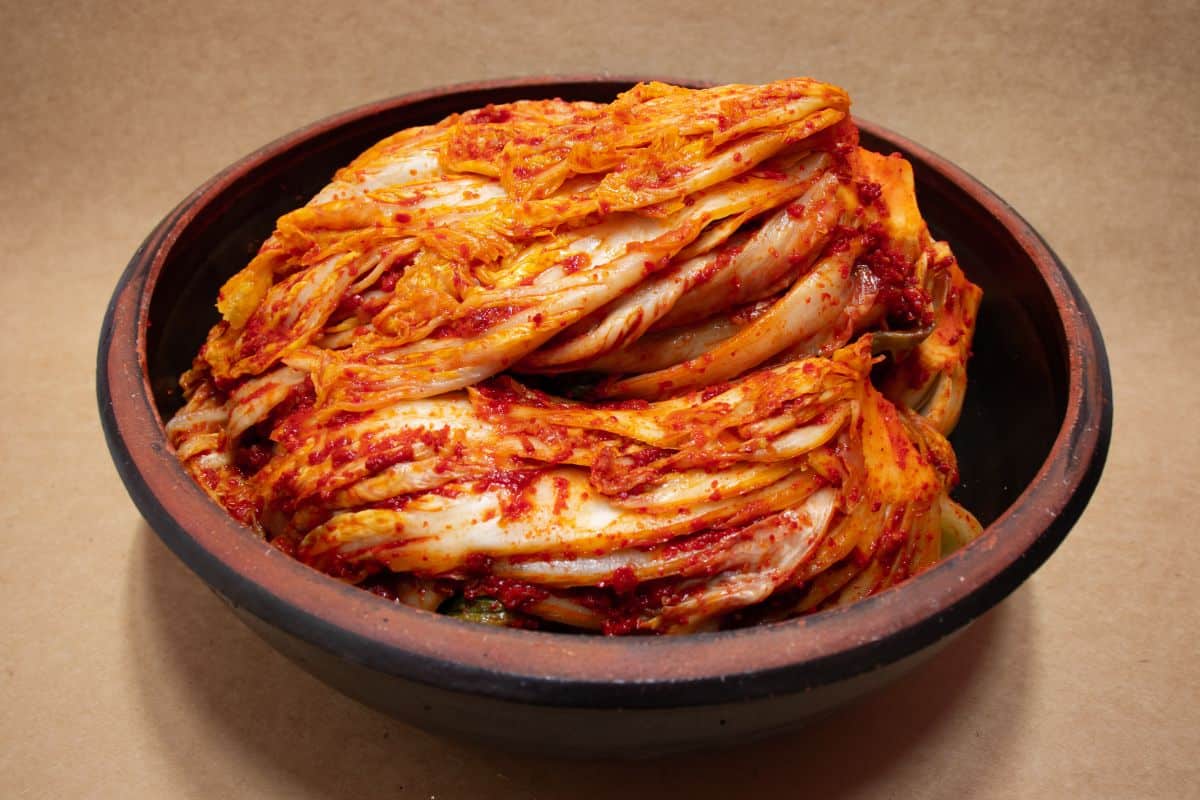
47. Kimchi
Yes, obviously. But it deserves to be here because kimchi is not one thing. There are many types, and it changes how almost everything else tastes.
🍧 Desserts, Drinks, and Sweet Things You Should Not Skip
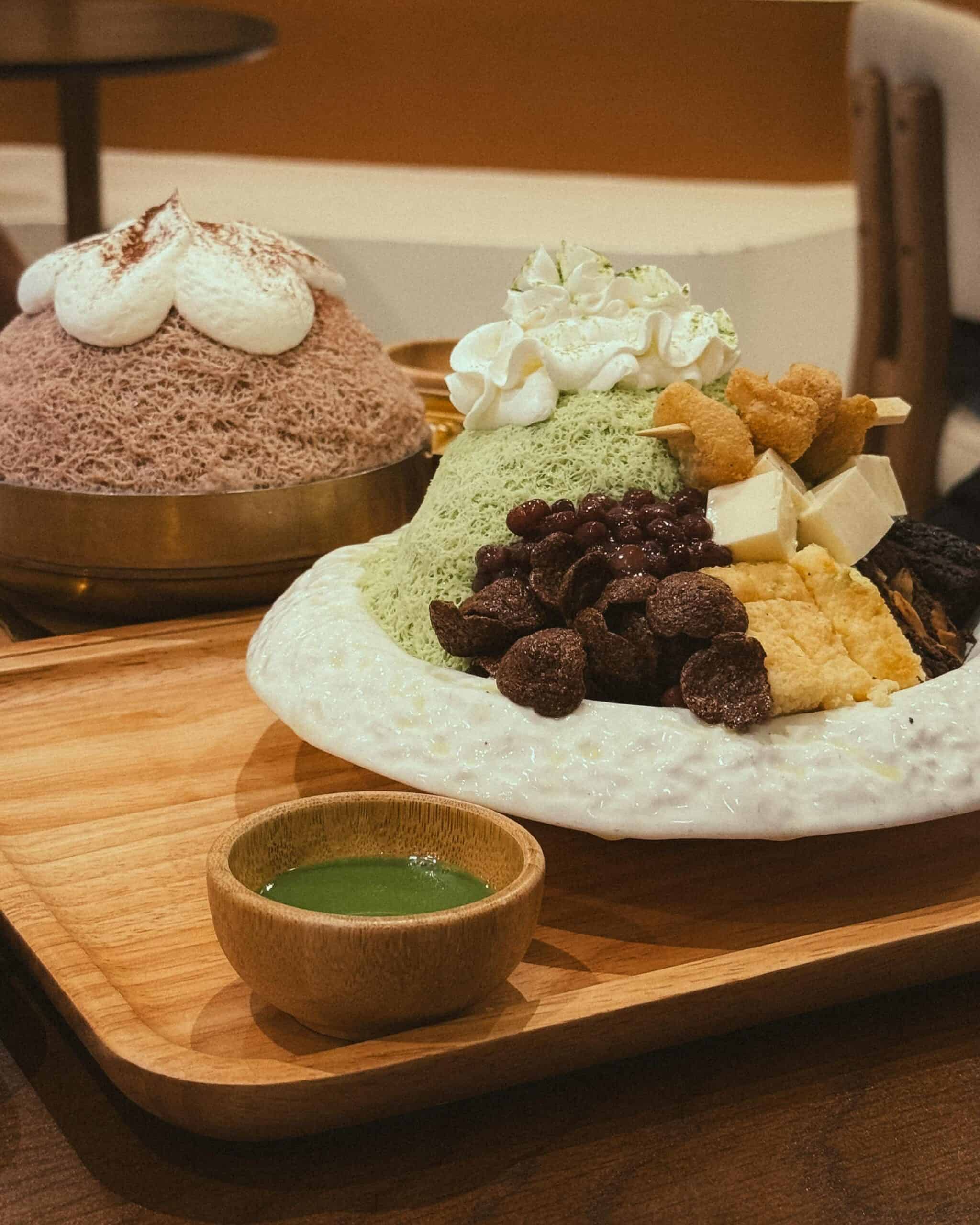
48. Bingsu
Shaved ice dessert, often with red beans, fruit, condensed milk, or modern toppings. A summer essential, with seasonal fruit like Hallabong oranges and bokbunja making regular appearances on top.
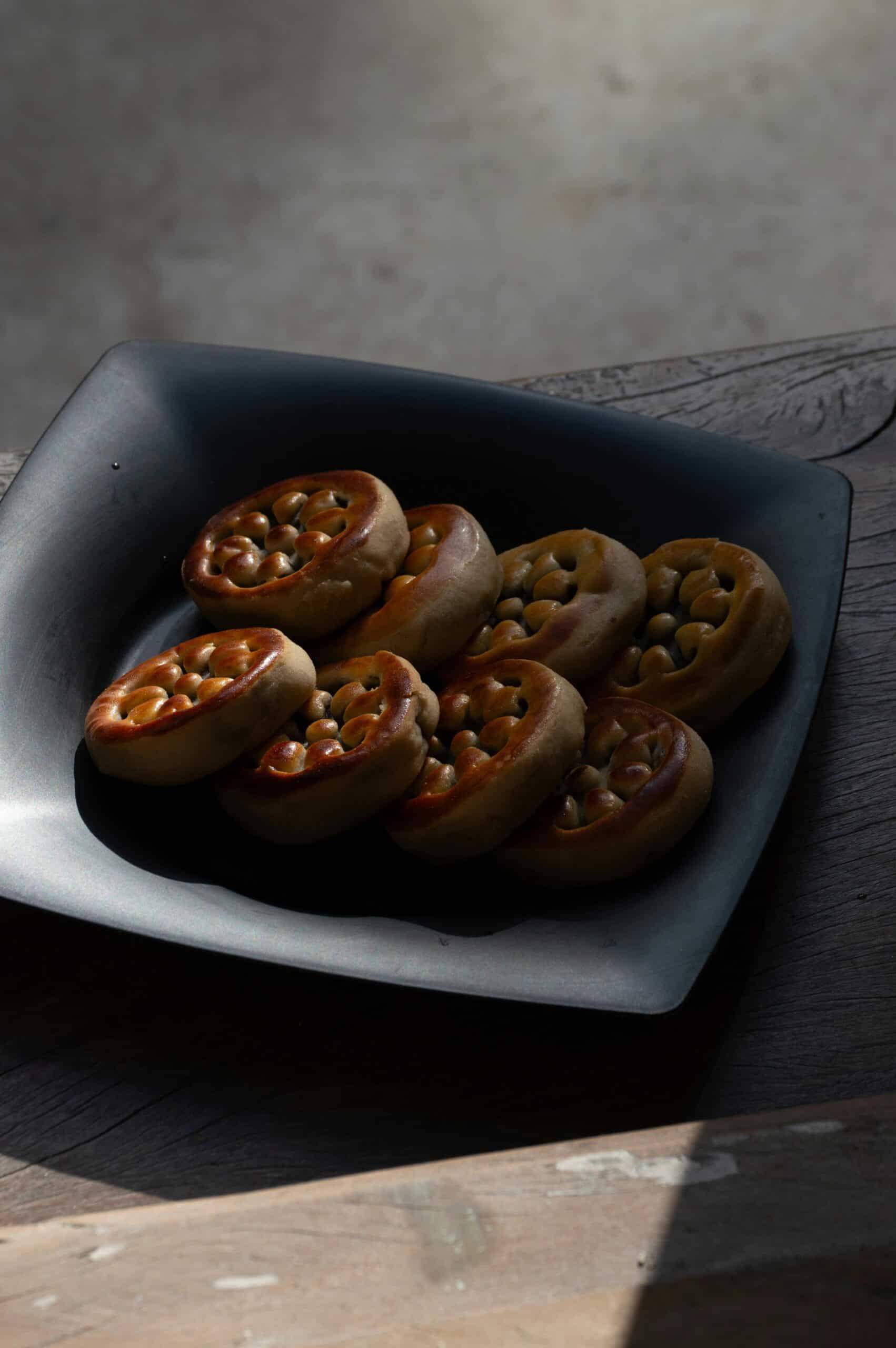
49. Yakgwa
Traditional honey cookie-like sweet, dense and syrupy. Old-school and now having a big comeback.
50. Sikhye
Sweet rice drink with a soft malted flavor. One of those things that tastes more interesting the more you drink it.
💡 How to Actually Try These 50 Foods Without Burning Out
Do not try to speedrun this list in three days.
A smarter way:
- one soup or stew meal
- one grilled or fried meal
- one noodle dish
- one market snack or dessert
- then repeat that pattern over time
This keeps the trip fun and helps you actually remember what you ate. Korean food is rich in flavor, but it is also rich in repetition if you let yourself keep ordering the same three things. Push a little wider than your comfort zone.
❓ Frequently Asked Questions
You can still eat very well. Bulgogi, galbitang, seolleongtang, bossam, kimbap, japchae, and many jeon dishes are good starting points.
Focus on beef soups, bulgogi, some bibimbap variations, japchae, gyeran-jjim, vegetable jeon, and more temple-style or plant-based places.
Bulgogi, bibimbap, japchae, kalguksu, samgyeopsal, galbitang, and Korean fried chicken.


Comments
No Comments