
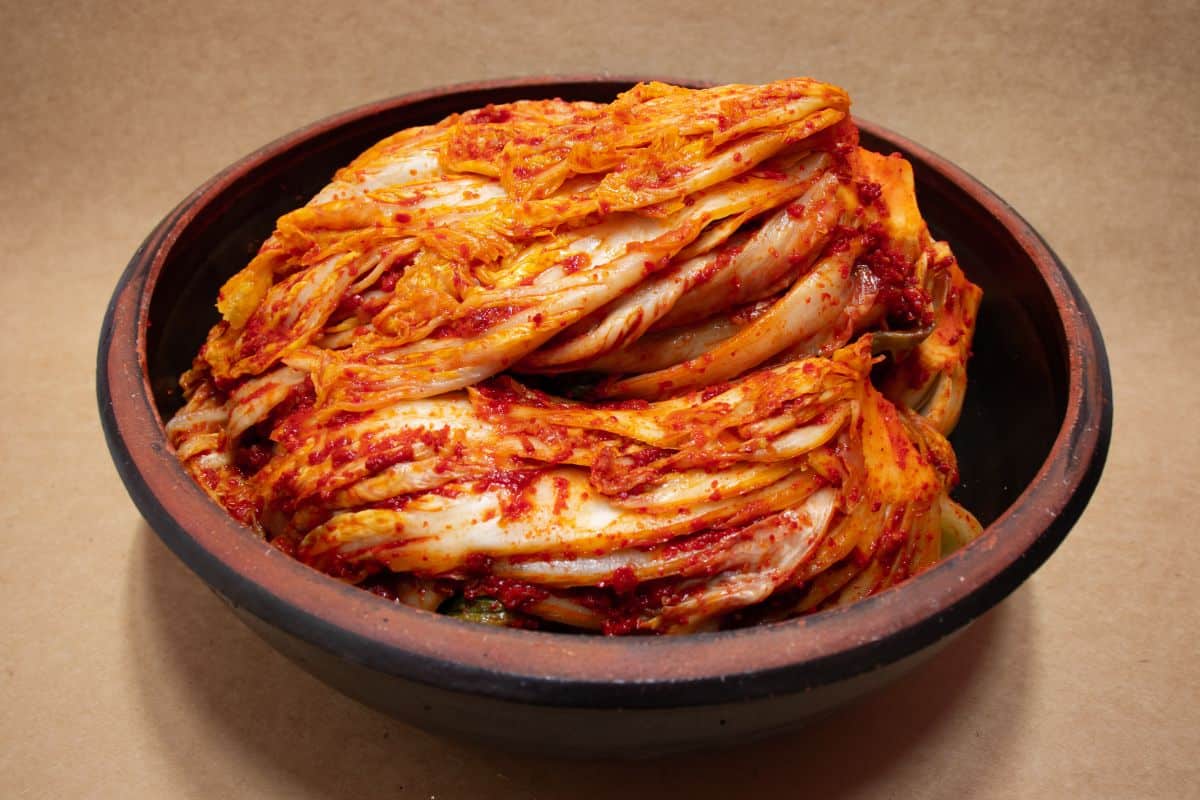
Kimchi is the dish everyone learns first, and for good reason. It's the one jar in every Korean fridge, the side dish on every table, and usually the first word people associate with Korean food. But kimchi is a supporting player more often than it's the main event, and the dishes that actually get cooked on a rainy Tuesday or a bad-day-at-work night rarely make it onto the "essential Korean foods" lists tourists see first.
If you're stocking up on fermented staples beyond just kimchi, our guide to Korea's gut-health grocery haul covers what else is worth grabbing for a genuinely fermentation-forward pantry.
That's the gap this list is for. These are the dishes Koreans reach for when they want something warm, familiar, and a little bit like being taken care of, the kind of food that shows up over and over in Korean side dishes but rarely gets its own spotlight.
🍲 Doenjang Jjigae: The Stew Everyone's Grandmother Makes
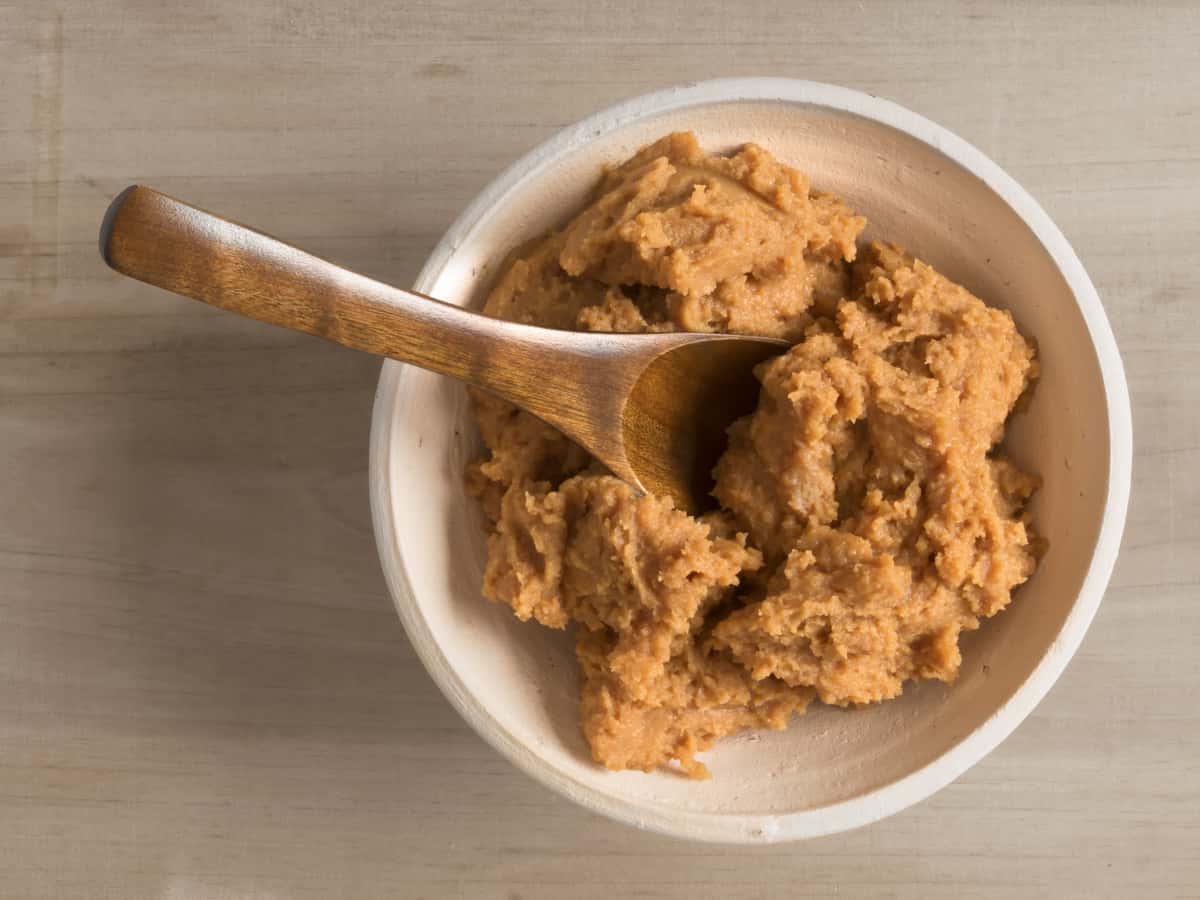
If there's a single dish that represents Korean comfort food, it's doenjang jjigae. Built on fermented soybean paste, it's earthy, funky, and deeply savory in a way that mellow miso soup doesn't quite capture. Zucchini, potatoes, tofu, and mushrooms go into the pot along with whatever vegetables happen to be in the fridge, and the whole thing simmers until it tastes like it's been made a thousand times before, because in most households, it has.
The fermented soybean paste that gives the stew its backbone is the same base ingredient behind a lot of Korean cooking, and understanding what doenjang actually is makes a lot of other dishes click into place too.
🍚 Juk: Porridge as an Act of Care
Juk, Korean rice porridge, is what gets made when someone is sick, tired, or just needs something gentle. It's rice cooked low and slow with water or broth until it breaks down into something closer to a thick, savory oatmeal, and it can be dressed up with abalone, pumpkin, red beans, or nothing at all.
There's no seasoning aggression here. The point is that it asks nothing of you to digest it, which is exactly why it's the dish people cook for someone they're worried about.
🍜 Kimchi Fried Rice, Reframed
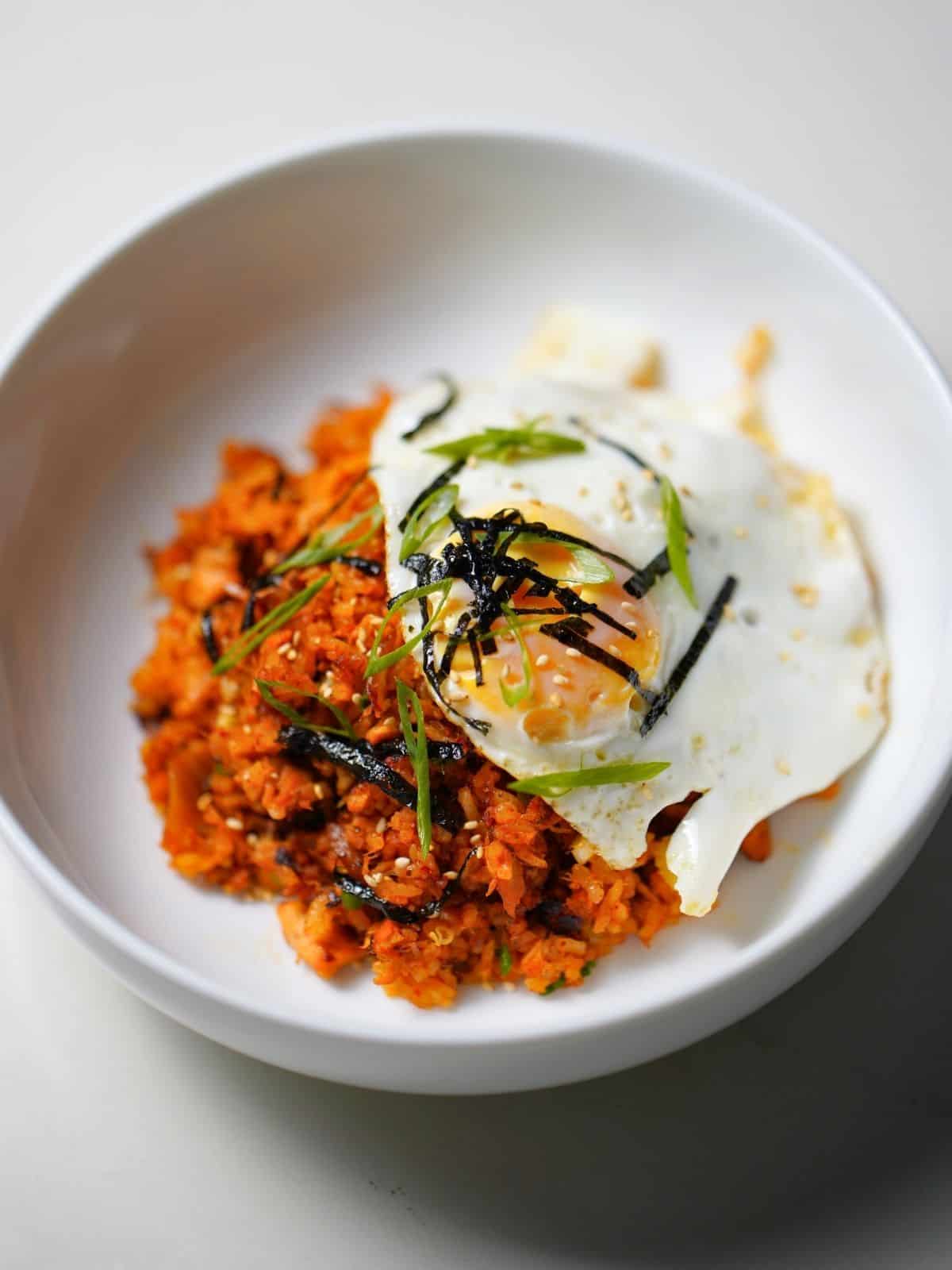
Kimchi does show up in comfort food, just not in the way most people expect. Kimchi bokkeumbap takes leftover rice, aged kimchi, and whatever protein is around, and turns them into something crispy on the bottom and tangy throughout. It's less about kimchi as a side dish and more about kimchi as an ingredient that transforms everything it touches, which is a different way of thinking about it than most people arrive with.
🍢 The Convenience Store Version of Comfort
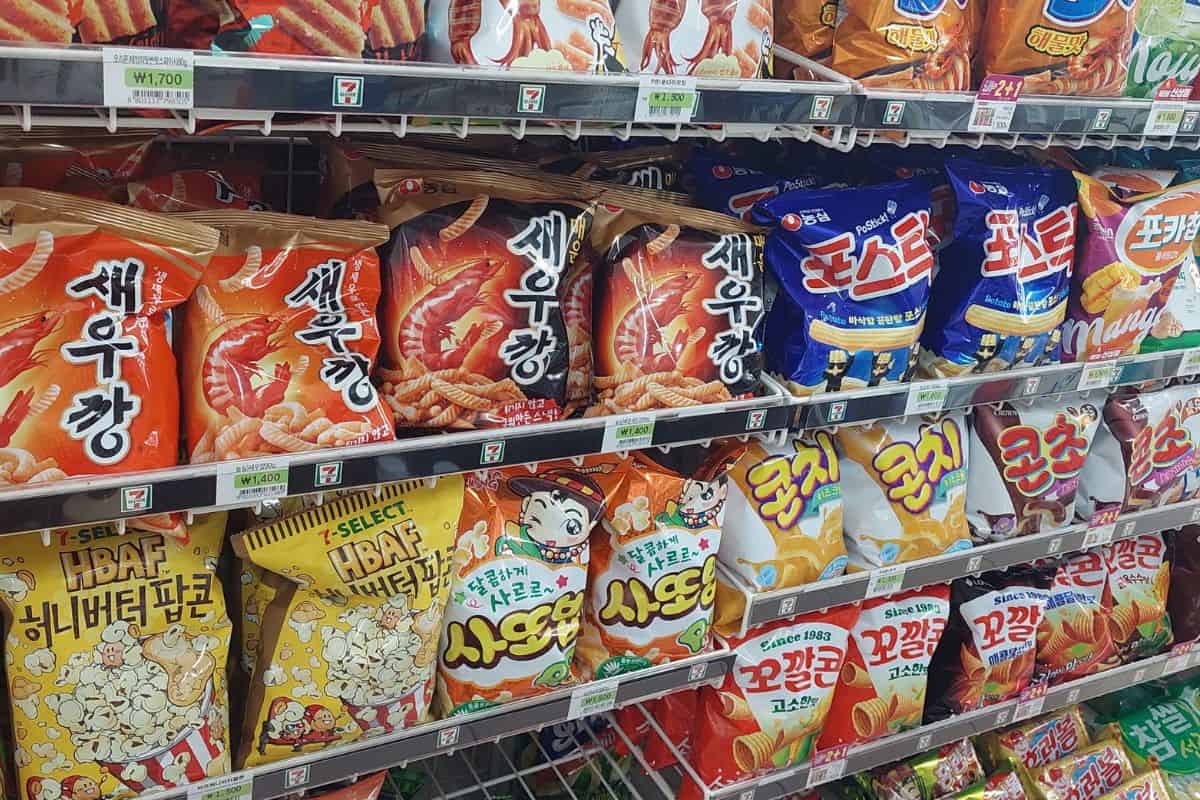
Not all comfort food comes from a home kitchen. A huge amount of it now comes from a 24-hour fridge case. Instant tteokbokki, cup ramyeon, and pre-made banchan have become their own category of late-night comfort, and Korean convenience stores have leaned hard into stocking exactly the dishes people crave when they don't have the energy to cook one from scratch.
🥢 Japchae: The Dish That Started as a Side
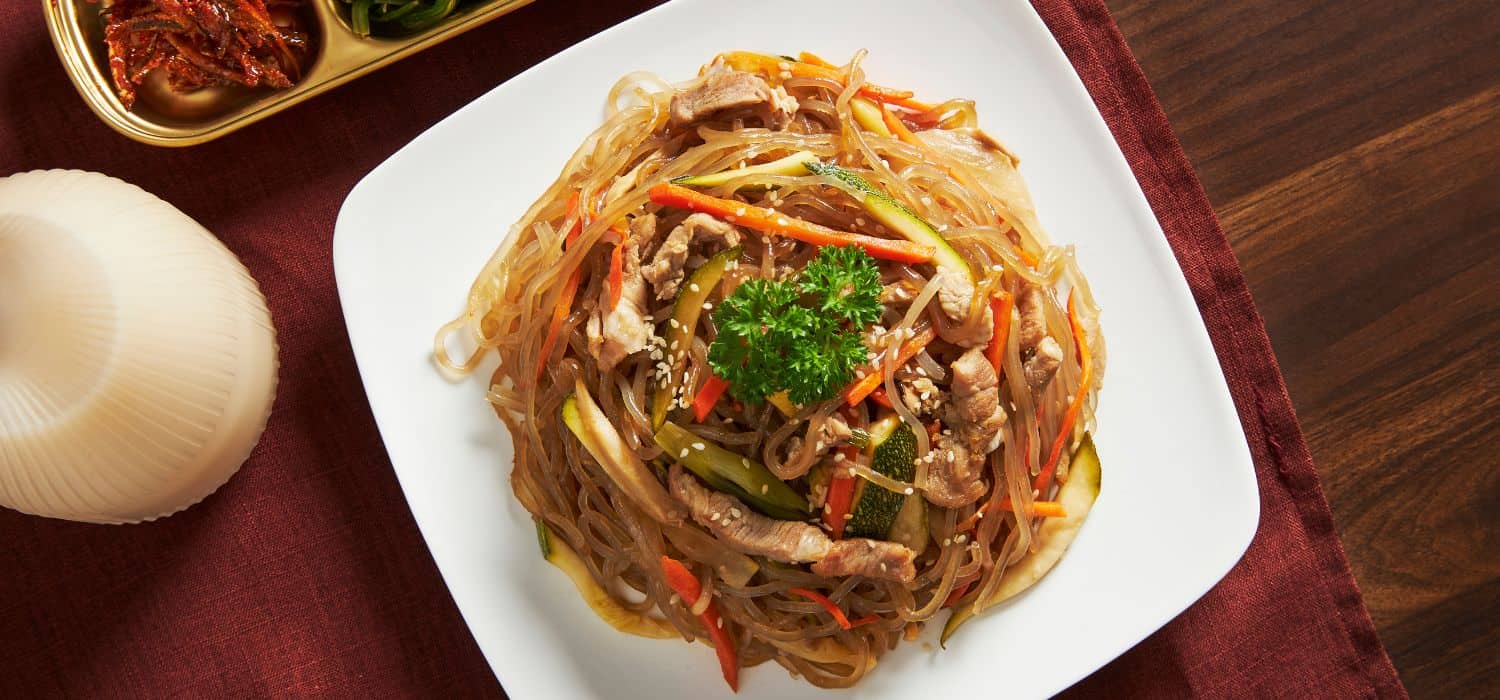
Japchae usually gets filed under "side dish" because that's technically where it started, a banchan made from sweet potato starch noodles tossed with vegetables and marinated beef.
But it's become a comfort food in its own right, the dish people specifically request for birthdays and holidays rather than something that just shows up alongside other Korean side dishes without much fanfare. The chewy-glassy noodle texture is genuinely singular, nothing else in Korean cooking quite replicates it, which is part of why it's held onto its spot for so long.
The glass noodles behind japchae are worth understanding on their own, since they show up in a handful of other dishes too. According to Korean food guides covering dishes beyond the usual kimchi-and-BBQ shortlist, most of what locals actually eat day to day skews toward exactly this kind of low-key, stew-and-rice territory rather than the showier dishes that tend to dominate travel content.
❓ Frequently Asked Questions
Dishes like doenjang jjigae, juk, and kimchi fried rice are what most Koreans would point to first. They're built around fermented staples and rice, and they're meant to be warming and easy to eat rather than impressive to look at.
Yes, but usually as a side dish rather than the main focus of a meal. It accompanies rice and other dishes at nearly every meal, which is part of why it's misunderstood as the whole of Korean food rather than one piece of it.
Doenjang jjigae is a solid entry point. It's savory rather than intensely spicy, and the flavor profile (fermented, umami-forward) tends to translate well for people used to miso or other fermented soybean bases.
Most of them travel well. Doenjang paste, gochugaru, and dried anchovies for stock are increasingly easy to find outside Korea, and none of these dishes require equipment beyond a standard pot and pan.


Comments
No Comments