
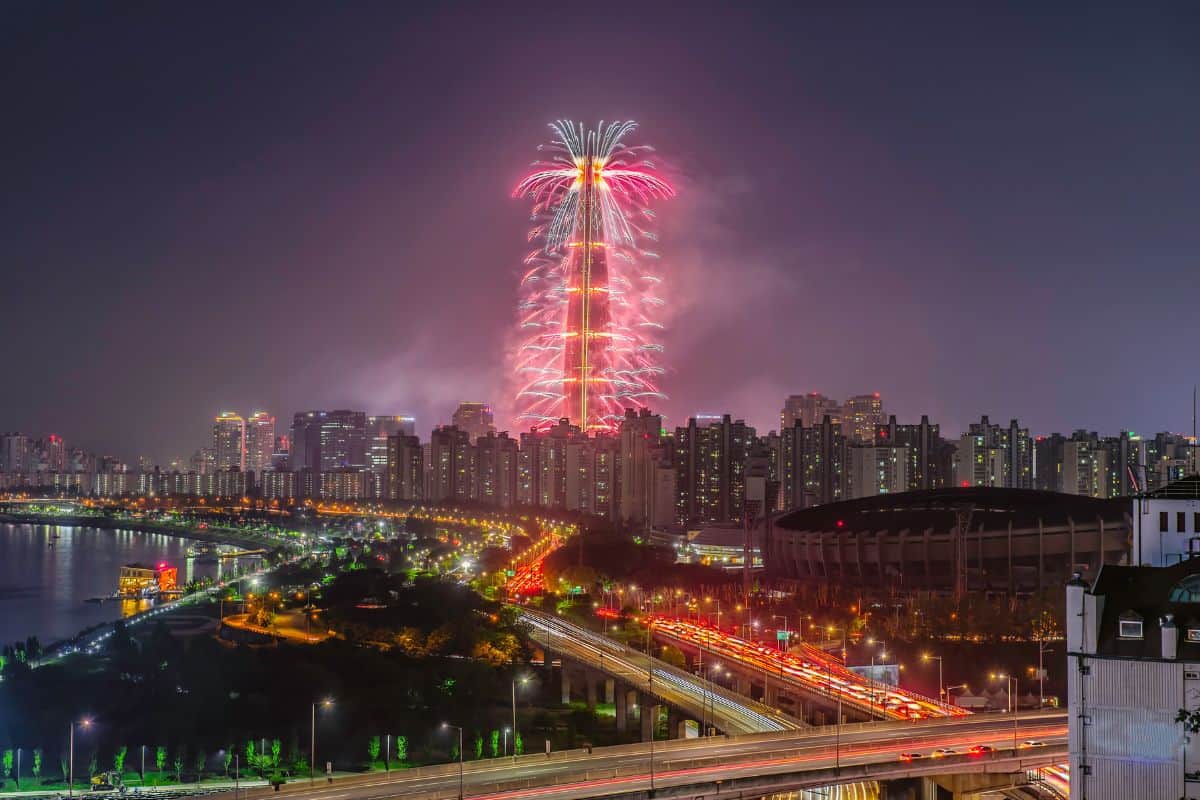
Korea has a festival for almost everything: cherry blossoms, mud, masks, lanterns, kimchi, even frozen trout. Some are centuries old and rooted in ritual, while others are modern events built for visitors. If you're planning a trip, picking the right season can decide which ones you get to see.
Here are ten festivals worth building a trip around, organized by season, with a note on when each one usually takes place. Dates change every year, so treat the timing as a guide and check the official site before you book.
Jump to:
🗓️ How Korea’s Festival Calendar Works
Two kinds of celebrations shape the year. The first are the traditional holidays tied to the lunar calendar, such as Seollal and Chuseok, when families travel home, share meals and honor their ancestors. Our guide to Korean holidays explains the others.
The second are local festivals, usually tied to a season, a crop or a landmark. These are the ones most visitors plan around, and they're listed on the Wikipedia list of Korean traditional festivals and the Korea Tourism Organization's site.
🌸 Spring: Blossoms and Lanterns
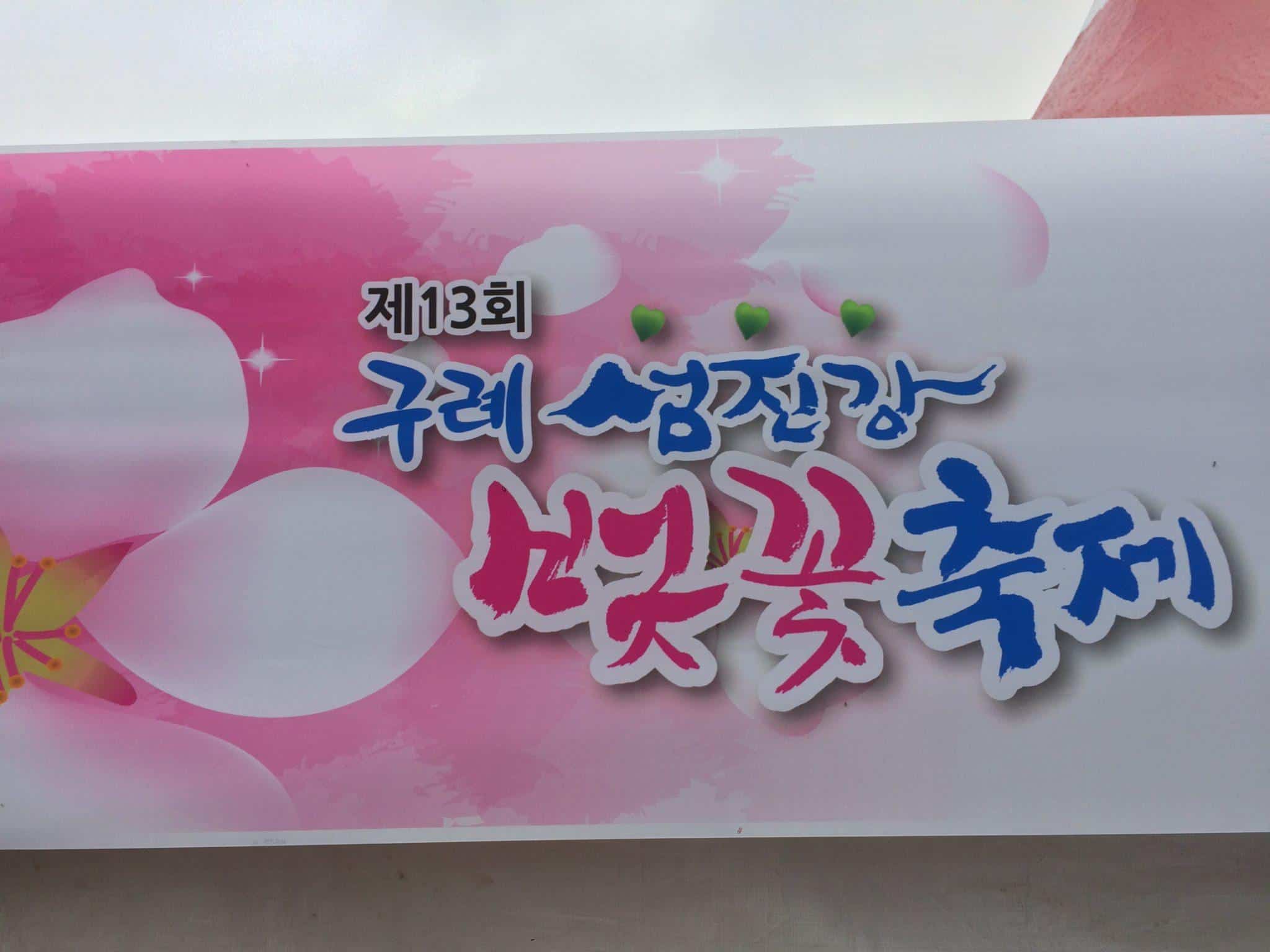
Jinhae Cherry Blossom Festival. Held in the southern port city of Jinhae, usually at the end of March or in early April, this is Korea's most famous blossom event. Streets and a stream called Yeojwacheon turn pink, and the whole city fills with visitors. Our Jinhae guide has timing and crowd tips, and the bloom can change by a week or more from year to year.
Lotus Lantern Festival. Celebrated in Seoul in the weeks before Buddha's Birthday in May, it culminates in a lantern parade through the city's center, with thousands of handmade lanterns and a lively street fair. If you're visiting that month, our Korea in May guide covers the weather and what else is on.
☀️ Summer: Mud and Beaches
Boryeong Mud Festival. Every July, Daecheon Beach turns into a giant mud playground, with mud pools, slides and body painting. It's loud, messy and very popular with international visitors. Wear clothes you don't mind throwing away, and read our Boryeong Mud Festival guide before you go. For more about the season, see Korea in July.
🍂 Autumn: Masks, Lanterns, Film and Kimchi
Andong Mask Dance Festival. In late September or early October, the city of Andong celebrates traditional mask dance dramas, which date back centuries. Performances take place near Hahoe Village, which is part of a UNESCO World Heritage site. It's one of the best places to see living Korean tradition. Read our Andong guide for details.
Busan International Film Festival. Each October, Busan hosts one of Asia's best-known film festivals, with premieres, outdoor screenings and celebrity appearances. You don't need a ticket to enjoy the atmosphere around Haeundae and the Nampo-dong area. See our Busan film festival guide.
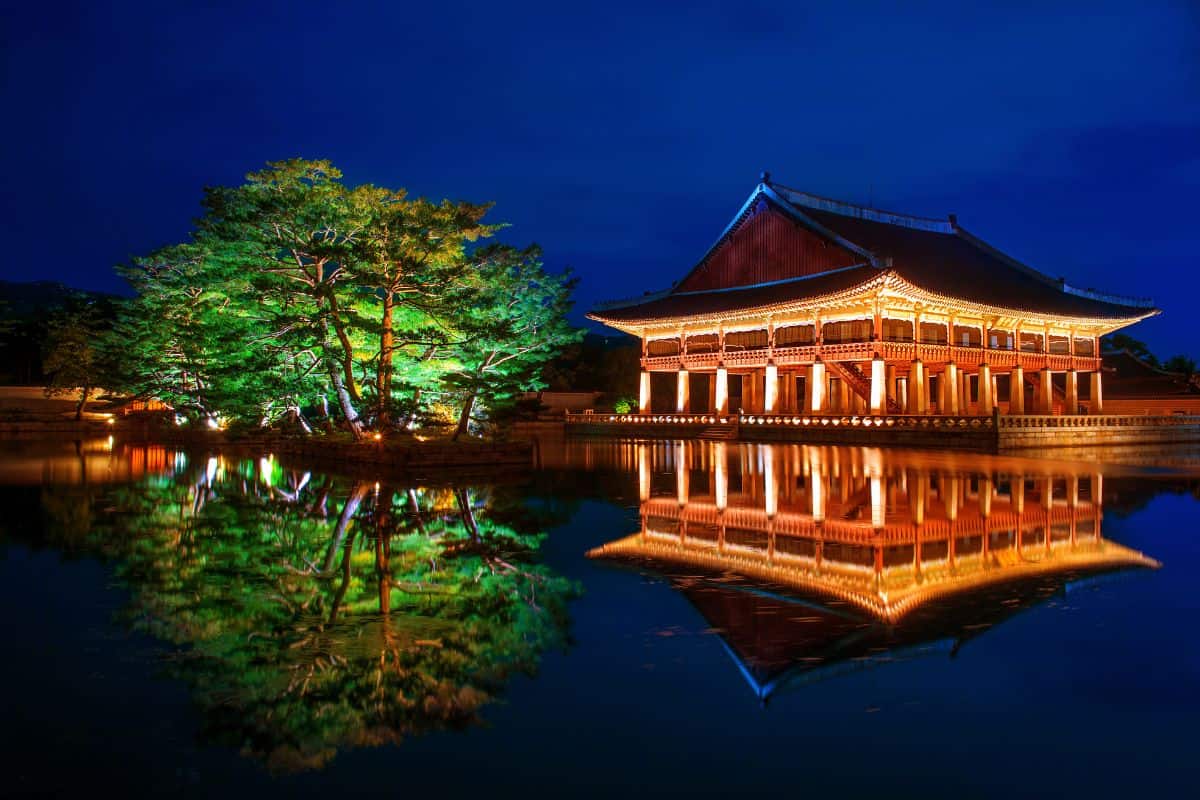
Jinju Lantern Festival. In October, thousands of lanterns light up the Namgang River in Jinju, and the festival has a long history connected to a 16th-century battle. It's best at night. Our Jinju Lantern Festival guide has tips.
Gwangju World Kimchi Culture Festival. Usually held in the fall, this festival celebrates Korea's signature food with tastings, kimchi-making events and exhibits. It fits well with kimjang, the traditional winter kimchi-making season, which we explain in our guide to kimjang. For more, see our Gwangju kimchi festival guide.
❄️ Winter: Ice, Fire and Fish
Hwacheon Sancheoneo Ice Festival. Every January, thousands of people gather on a frozen river in Hwacheon to catch sancheoneo, a mountain trout, through holes in the ice. You can also try catching them by hand and eat them grilled on the spot. It's one of Korea's most popular winter events, and you can read about it in our Hwacheon guide.
Pyeongchang Trout Festival. Held in the mountain town of Pyeongchang in winter, it's similar in spirit, with ice fishing, grilled trout and snow activities for families. Check the dates each year, as the schedule can vary with ice conditions.
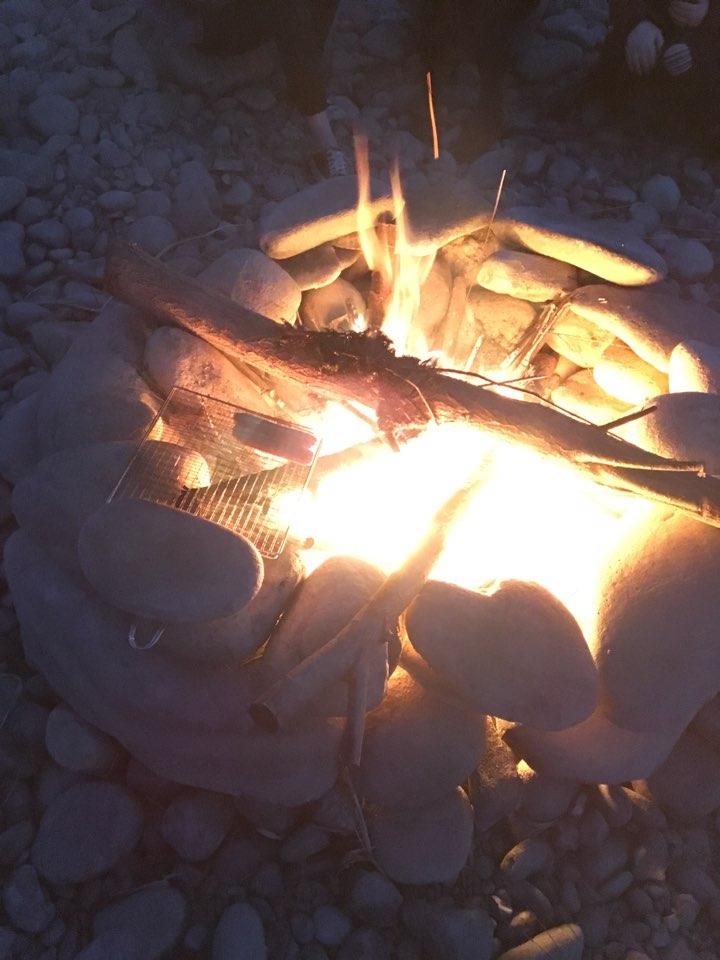
Jeju Fire Festival. Around the first full moon of the lunar new year, usually in February or March, the fields on Jeju Island are set ablaze in a tradition meant to ward off bad luck and welcome a good harvest. Read more in our Jeju Fire Festival guide.
🧭 Tips for Planning Your Festival Trip
Book early. Hotels and trains near the bigger festivals, especially Jinhae and Busan, fill up weeks in advance. Check the dates a few weeks before you travel, since blossoms, ice and lunar dates all move. And if you can, pick one or two festivals rather than trying to see them all, because most are in different parts of the country.
If you're still deciding when to go, our monthly guides, such as Korea in October, Korea in April and Korea in January, cover the weather and the best things to do each month.
❓ Frequently Asked Questions
In terms of national scale, it's Chuseok, the harvest holiday, followed by Seollal (Lunar New Year). Both are family holidays, so they are not tourist festivals in the same way as the ones above. For events built around visitors, the Jinhae Cherry Blossom Festival and the Busan International Film Festival draw some of the biggest crowds.
Spring and autumn have the most events, along with the best weather. Cherry blossoms in late March and early April and the lantern and film festivals in October are the busiest. Summer has the mud festival and beaches, and winter is the time for ice fishing and fire festivals.
Yes. Many festivals follow the lunar calendar or the bloom of the flowers, so dates move from year to year. Always check the official festival website or the Korea Tourism Organization before you book flights or hotels.
They can be, if you plan ahead. Big festivals fill up local hotels and trains quickly, so book early and arrive before the crowds. Smaller festivals like Andong or Hwacheon are easier to enjoy and give you a better sense of local culture.


Comments
No Comments