
Few desserts have moved through Korea as fast as the Dubai chewy cookie. Known as dujjonku, it grew out of the Dubai chocolate wave and became a social media obsession, with long lines, sold-out cafes, and a very real pistachio squeeze. Here is what it is, why it took over, and where the craze stands now.
Jump to:
🍪 What Is a Dujjonku?
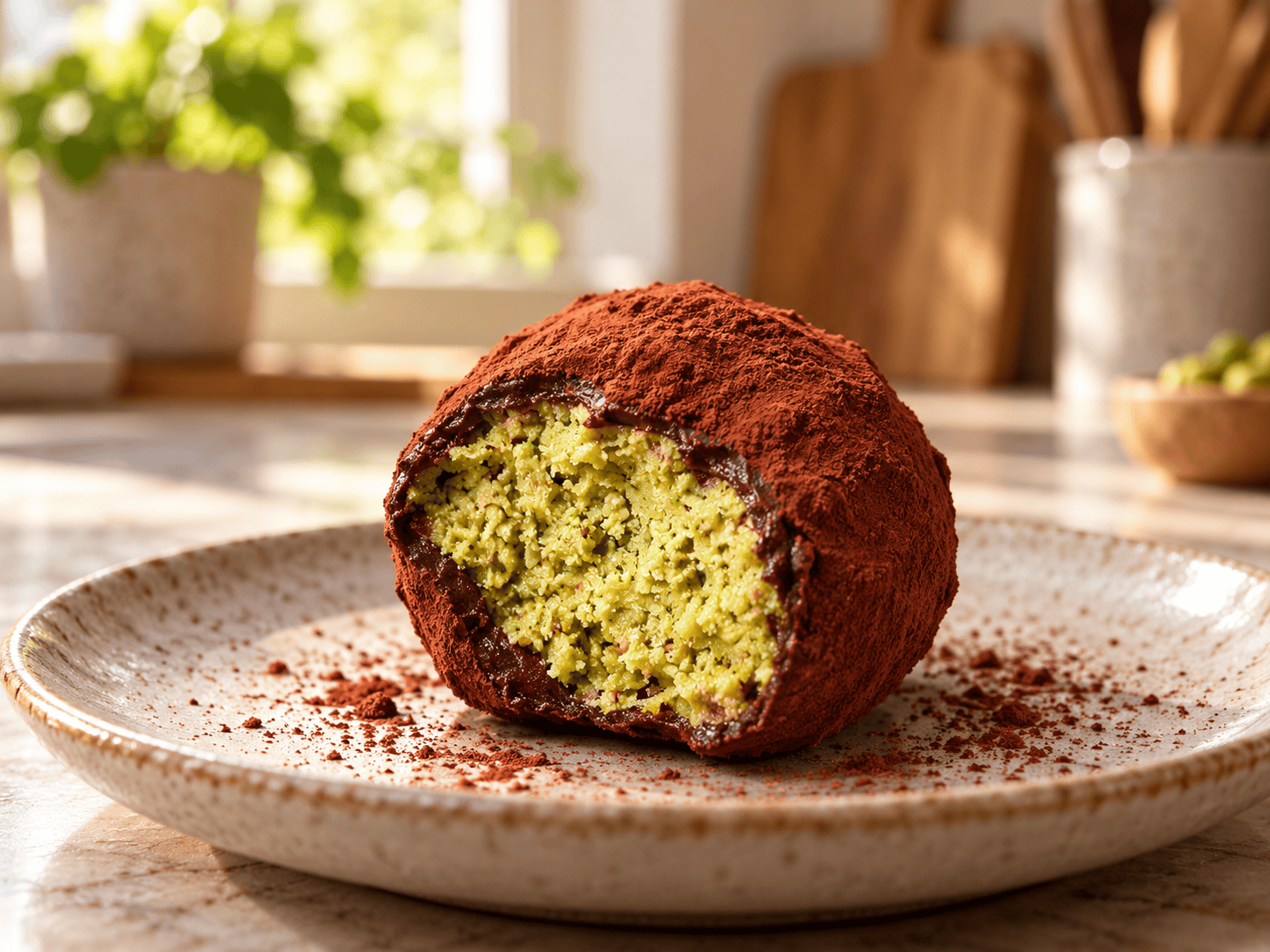
The name blends "Dubai" with the Korean word jjondeuk (chewy) and "cookie." Despite the name, it is not baked. A filling of pistachio cream and kataifi, a shredded pastry that stays crisp, is shaped into rounds and wrapped in a soft marshmallow shell mixed with cocoa powder.
The result is closer to a chewy rice cake than a classic cookie, with a crunchy, nutty center. If you have tried Korea's other chewy sweets, like the butter-baked rice cake, the texture will feel familiar.
📱 How It Went Viral
Dubai chocolate itself came out of the UAE in 2022, and the trend reached Korea in 2024, where local bakers began reworking it. The chewy cookie format started gaining buzz on social media in late 2024, then exploded from late 2025 into January 2026.
The draw was visual. Short videos of the cut-open cookie, showing the bright green filling, spread everywhere, and queues formed before sunrise while stock disappeared within minutes. Convenience store chains launched their own Dubai-style desserts, and restaurants with no bakery background sold the cookie as a promotion on delivery apps.
Prices of 4,000 to 10,000 won per piece were common at cafes and bakeries, and some listings climbed higher. Convenience store versions generally cost less. It fits the pattern of Korea's bakery boom, where one product can fill a shop's counter for weeks.
💸 The Pistachio Squeeze
The rush hit ingredient costs hard. The Korea Herald reported that a kilogram of unshelled pistachios jumped from around 20,000 won to roughly 80,000 won within weeks, and kataifi prices rose sharply as well.
Some shops responded by shrinking portions, raising prices, or limiting how many cookies each customer could buy. It is a clear case of how a single dessert can ripple through the supply chain.
📉 Where the Craze Stands Now
By mid-January 2026, searches for the cookie on Naver had begun to drop, and Korean media described the hype as cooling. That arc is typical of Korea's dessert crazes, which burn bright and then make room for the next one. For more of them, see our look at K-dessert crazes.
The savory side of food trends moves just as quickly. The rose tteokbokki trend is a good example of a familiar dish getting a creamy makeover.
🛍️ Tips If You Want to Try One
Check before you travel. Availability varies by shop, and many places sell out early or have stopped making them. Look at a cafe's recent posts before making a special trip.
Compare prices. Specialty bakeries charge the most, while convenience store versions are the cheaper way to taste the flavor. Expect the texture to be softer and the filling less rich.
Eat it soon. The marshmallow shell hardens as it sits, so a fresh one is chewier than one that has been in the fridge for days.
❓ Frequently Asked Questions
It is the Korean nickname for the Dubai chewy cookie, a no-bake dessert made with pistachio cream and kataifi wrapped in cocoa marshmallow.
No. The marshmallow shell is melted and shaped around the filling, so there is no baking step.
Demand for the cookie surged so fast that suppliers could not keep up, and reports showed pistachio and kataifi costs rising sharply within weeks.
Reports from early 2026 showed searches falling after a mid-January peak. Availability and popularity vary by shop, so check before making a special trip.


Comments
No Comments