
Botox is one of the most common cosmetic treatments in the world, but for first-timers, it can still feel oddly mysterious. A lot of that comes from bad shorthand. People say it “freezes your face,” works instantly, or lasts forever. None of that is really true. Botox is a brand name for botulinum toxin injections, and in cosmetic use it is meant to temporarily relax specific muscles that cause certain lines and wrinkles.
If you are thinking about trying it, the useful question is not “Is Botox good or bad?” It is “What does it actually do, what does a first appointment feel like, and what should I know before I book?” That is the part this guide covers.
Jump to:
- 💉 What Botox Actually Is
- ✨ Why People Get Botox
- 🧠 How Botox Works
- 👩⚕️ Who Is a Good Candidate for Botox
- 📍 Where Botox Is Usually Injected
- 😬 What the Appointment Is Actually Like
- ⏳ When You’ll See Results and How Long They Last
- 💸 How Much Botox Usually Costs
- ⚠️ Possible Side Effects and Risks
- 🚫 What Not To Do Before and After Botox
- 🤔 Botox Myths That Confuse First-Timers
- ❓ Frequently Asked Questions
- 💬 Comments
💉 What Botox Actually Is
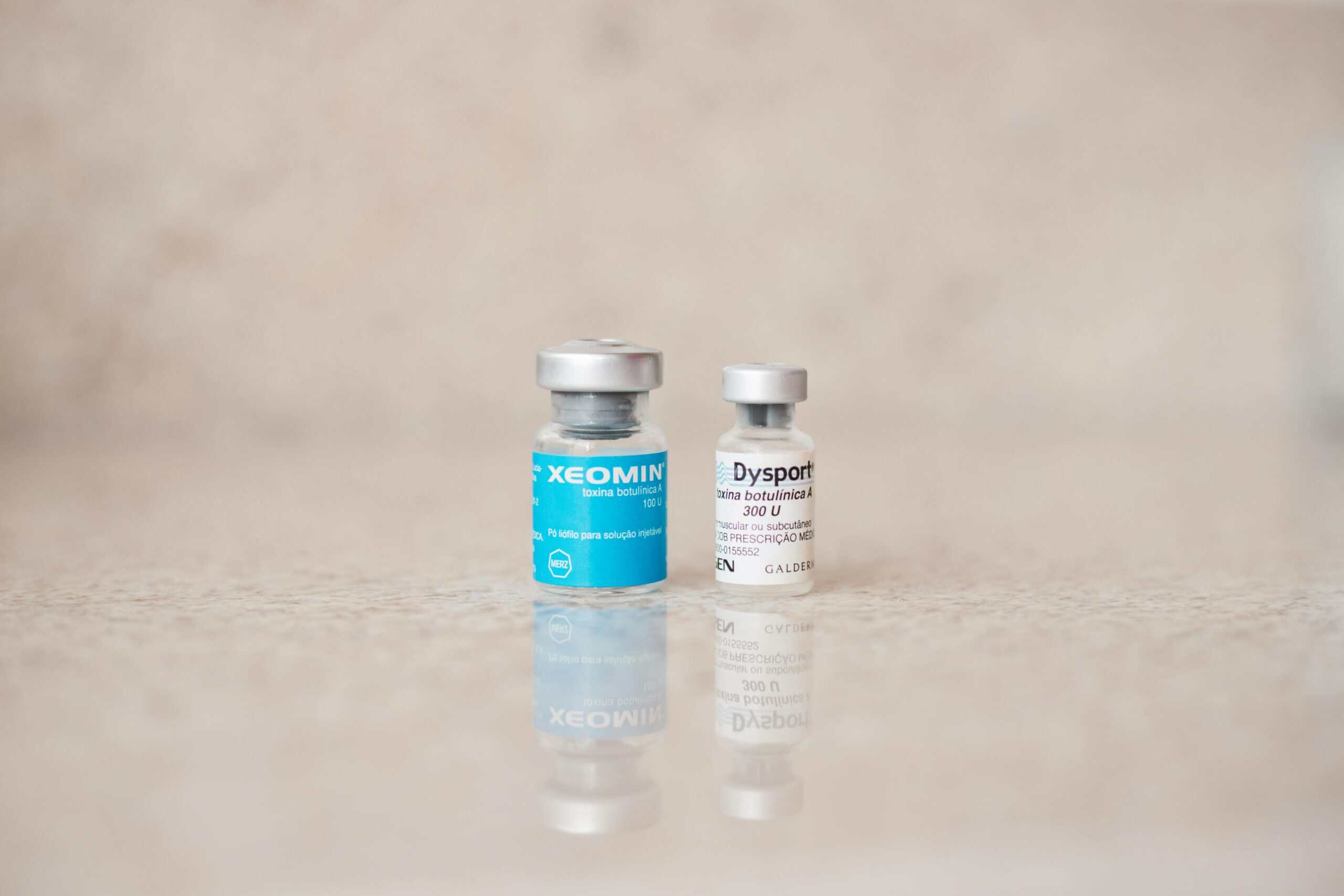
Botox is an injectable treatment made from botulinum toxin. In cosmetic dermatology, it is used in very small amounts to temporarily reduce muscle activity in targeted areas, which can soften lines caused by repeated facial movement. The American Academy of Dermatology and Mayo Clinic both describe it as a temporary treatment, not a permanent change.
That means Botox is not filling anything in. It is also not resurfacing the skin. It works differently from fillers, lasers, or skincare. Its job is to reduce the muscle movement that contributes to certain dynamic wrinkles.
✨ Why People Get Botox
The most common cosmetic reasons people get Botox are to soften frown lines between the eyebrows, crow’s feet, and forehead lines. These are also among the FDA-approved dermatologic uses highlighted by the AAD.
People also get botulinum toxin for medical reasons, not just cosmetic ones. Mayo Clinic notes it is used for conditions including chronic migraine, excessive sweating, neck spasms, and some eye-muscle conditions. So while most first-time readers are thinking about wrinkles, the treatment itself is much broader than that.
🧠 How Botox Works
Botox works by blocking signals from nerves to the muscles being treated. When those muscles cannot contract as strongly, the skin above them moves less, so lines and wrinkles from repeated facial expressions can soften.
It does not work immediately. The AAD says most people start to see results within about 3 to 7 days, and the improvements usually last around 3 to 4 months, sometimes longer. That delayed timeline is one of the first things beginners should know, because it is very normal to leave an appointment looking basically the same at first.
👩⚕️ Who Is a Good Candidate for Botox
A good candidate is usually someone with realistic expectations who wants to soften certain expression lines rather than dramatically change their whole face. The key word here is realistic. Botox improves some lines very well, but it does not fix every kind of wrinkle and it is not the right choice for every concern.
This is also why a proper consultation matters. A qualified provider should look at your muscle movement, your goals, and the specific area you want treated, rather than just giving everyone the same plan.
📍 Where Botox Is Usually Injected
For first-timers, the most common cosmetic treatment areas are:
- the glabella or “11 lines” between the brows
- forehead lines
- crow’s feet around the eyes
Other areas may also be treated depending on the provider and the goal, but those three are the most standard starting points. The exact number of injections and units depends on the size of the area, the strength of your muscles, and the result you are aiming for.
😬 What the Appointment Is Actually Like
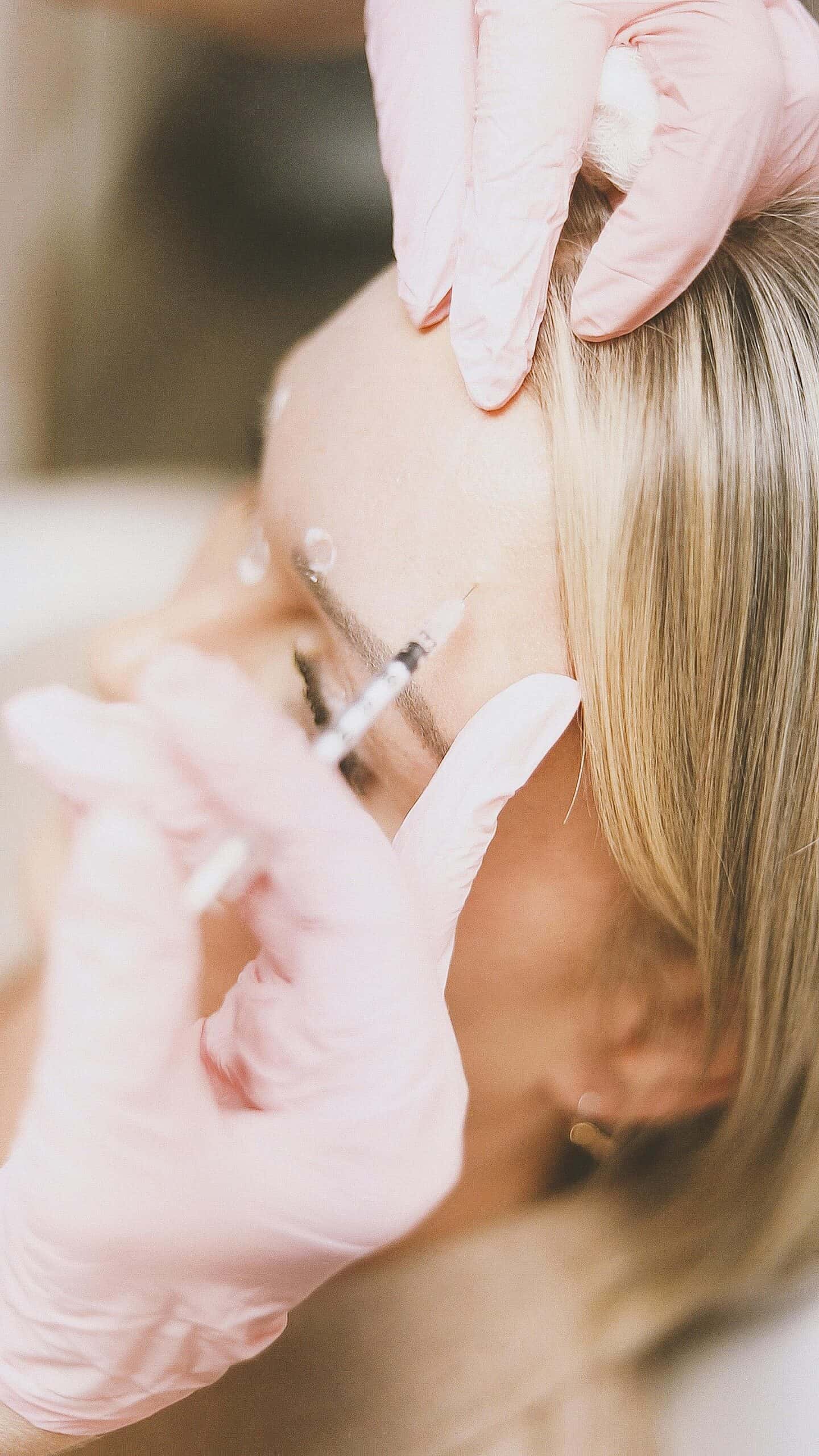
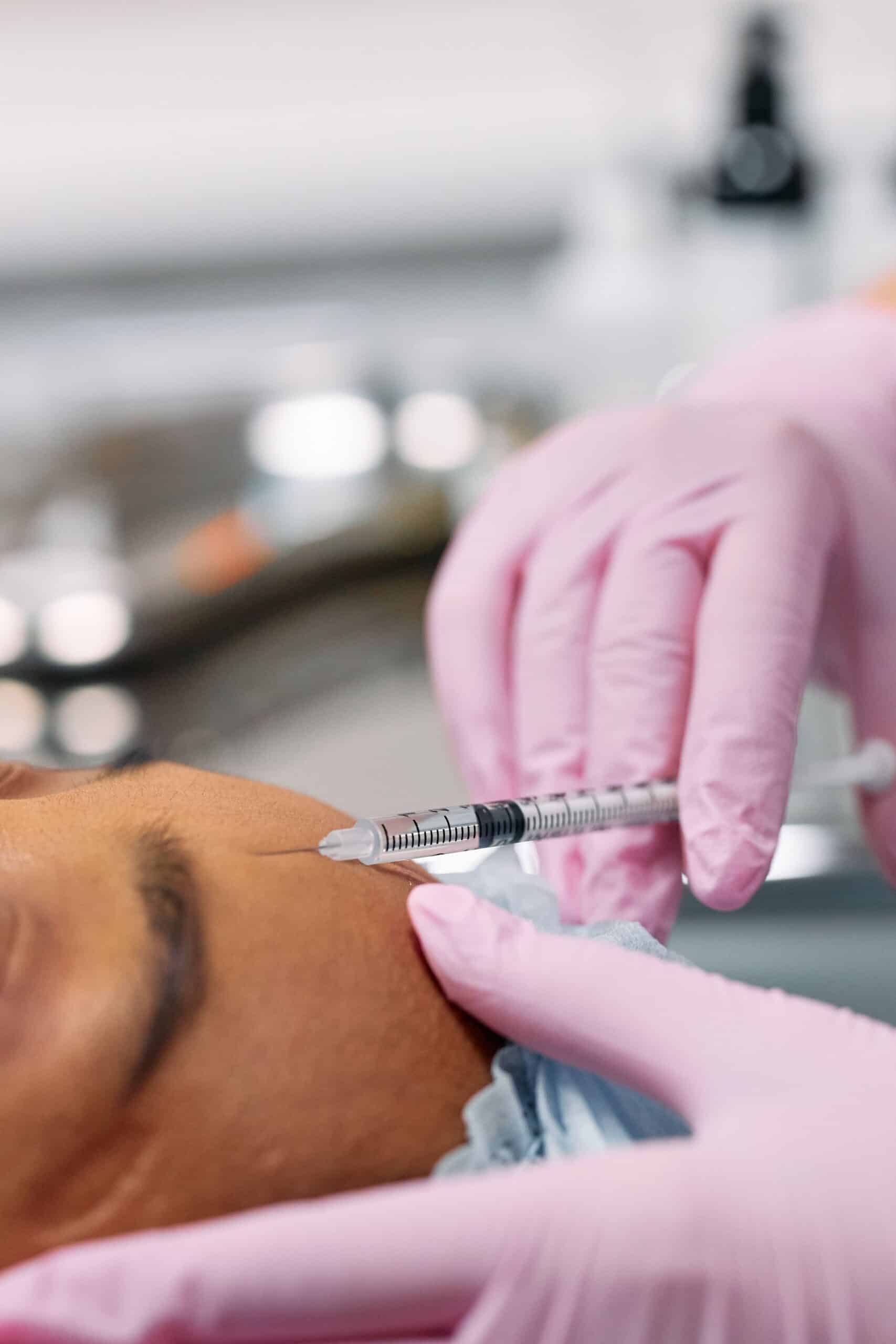
A Botox appointment is usually done in an office visit and is relatively quick. Mayo Clinic says a healthcare professional uses a thin needle to inject small amounts of botulinum toxin into the skin or muscles of the targeted area.
For most people, the appointment itself feels much less dramatic than expected. There is usually a short consultation, marking or assessment of the area, then a series of quick injections. The discomfort is often brief, and many people return to normal daily activities afterward.
⏳ When You’ll See Results and How Long They Last
This is one of the biggest first-timer questions. Results usually start appearing within a few days, with fuller effect showing up over roughly a week. The AAD says many people see results in 3 to 7 days.
The effect is temporary. Both AAD and Mayo Clinic sources indicate results often last about 3 to 4 months, though there can be some variation from person to person. To maintain the effect, repeat treatments are usually needed.
💸 How Much Botox Usually Costs
Cost varies too much by location, provider, and how many units are used to give one honest “standard” number without live local pricing. What is useful to know is that Botox is often priced either by unit or by area, and the total usually depends on how much product you need and who is doing the treatment.
That is why very low advertised prices should not automatically win you over. A better comparison is whether the provider is qualified, whether the plan makes sense for your face, and whether the pricing structure is clearly explained before treatment starts.
⚠️ Possible Side Effects and Risks
Most side effects are mild and temporary. The AAD says the injections themselves tend to cause the most common minor side effects, such as swelling, redness, soreness, bruising, and occasionally a mild headache. Bruising, if it happens, may last about a week.
More serious complications are less common, but this is still a medical treatment, which is why provider skill matters. You want someone who understands facial anatomy and knows how to assess what is appropriate for your face rather than treating it like a casual beauty add-on.
🚫 What Not To Do Before and After Botox
Before treatment, some doctors may advise avoiding things that can increase bruising risk, such as aspirin, some anti-inflammatory drugs, and vitamin E, depending on your situation and only if medically appropriate for you. The AAD notes this specifically in its botulinum toxin guidance for sweating treatment, and the same bruising logic often comes up in cosmetic settings too.
After treatment, follow your injector’s instructions carefully. Since minor swelling, redness, and tenderness can happen, it is a good idea not to improvise or rely on random social posts for aftercare. This is especially important if you are new and not sure what is normal.
🤔 Botox Myths That Confuse First-Timers
One of the biggest myths is that Botox makes everyone expressionless. In reality, the goal of good treatment is usually to soften certain movements, not erase all normal facial expression. Poor results are often what create the stereotype, not the treatment itself.
Other myths are that Botox works instantly, is permanent, or uses the same amount for everyone. None of those are true. Results take a few days to appear, the effect wears off, and the treatment plan should be individualized.
❓ Frequently Asked Questions
Most people describe the injections as quick and manageable. A thin needle is used, and the appointment is usually short.
It is often done in a single office visit, and many people return to normal daily activities afterward.
Usually people are more likely to notice that you look a bit smoother or more rested than to instantly identify Botox, especially when treatment is conservative and well done. This depends heavily on dose, placement, and provider skill.
Botox is temporary, which is one reason many first-timers feel more comfortable trying it. The effect fades over time rather than lasting permanently.
Often every few months if you want to maintain the result, since the effect generally lasts about 3 to 4 months.


Comments
No Comments