
Seoul didn't become a beauty and cosmetic treatment hub overnight, and it didn't happen by accident either. It's the result of decades of investment in dermatology and plastic surgery infrastructure, a domestic culture that treats skincare as routine maintenance rather than indulgence, and pricing that makes procedures accessible to people who'd never consider them at home.
Foreign patient numbers back this up: more than 2 million foreign patients visited Korea for medical care in 2025, with the overwhelming majority landing in Seoul specifically. If you're trying to figure out where to start, our guide on choosing the right clinic as a foreigner covers the practical side. This post is about the bigger picture — why the city ended up here in the first place.
Jump to:
- 💄 A K-Beauty Culture That Never Stopped Innovating
- 🏥 World-Class Dermatology and Plastic Surgery Infrastructure
- 💰 Pricing That's Transparent and Often Dramatically Lower
- 🌍 A Medical Tourism Industry Actually Built for Foreigners
- 🧴 The Ripple Effect: Beyond the Clinic
- ❓ Frequently Asked Questions
- 💬 Comments
💄 A K-Beauty Culture That Never Stopped Innovating
Korea's domestic skincare and beauty industry has spent years competing on innovation — new ingredients, new device technology, new treatment formats — largely because Korean consumers themselves are demanding, well-informed, and willing to try new things. That domestic pressure created an ecosystem of dermatologists, estheticians, and product developers constantly refining what actually works.
Clinics in Seoul benefit directly from that ecosystem. Many offer treatments and technology years before they reach clinics elsewhere, simply because the equipment and techniques were developed or refined in Korea first.
🏥 World-Class Dermatology and Plastic Surgery Infrastructure
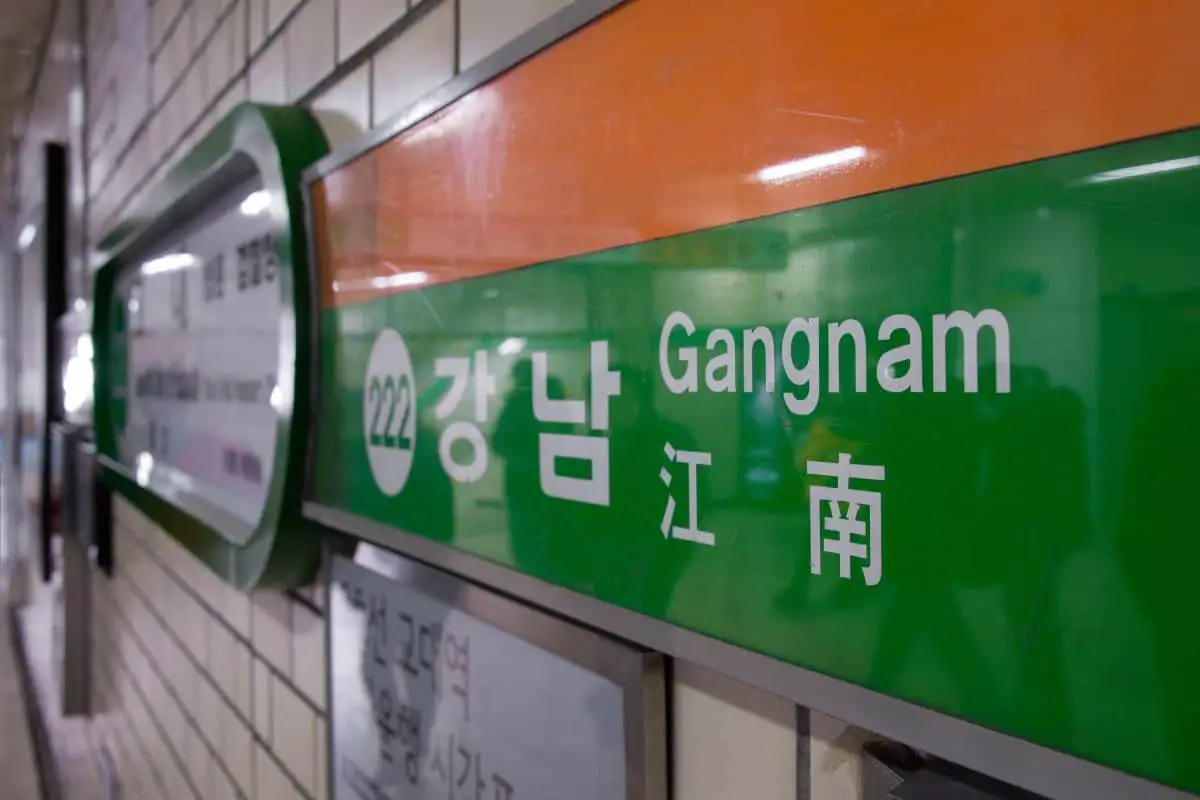
Seoul has an unusually high concentration of dermatology and plastic surgery clinics packed into a small geographic area, most famously around Gangnam. That density means real competition between clinics, which pushes standards up across the board rather than letting a handful of providers dominate without pressure to improve.
It also means specialization. Instead of a single clinic offering everything, you'll find practices that focus specifically on skin resurfacing, others on rhinoplasty, others on non-surgical contouring — each staffed by practitioners who do that one category of procedure constantly rather than occasionally — the same reason something as routine-sounding as getting Botox in Korea tends to involve a much more experienced injector than a first-timer might expect.
💰 Pricing That's Transparent and Often Dramatically Lower
A lot of procedures that cost several times more in the US, UK, or Australia are priced far more accessibly in Seoul, without necessarily sacrificing the quality of the equipment or the practitioner's experience. Our breakdown of what to actually budget for a beauty tourism trip gets into real numbers, but the short version is that the pricing gap is large enough on its own to justify the flight for a lot of visitors.
Clinics that regularly work with foreign patients also tend to post pricing upfront rather than requiring an in-person consultation just to get a quote, which is a meaningful shift from how these procedures are typically priced elsewhere.
🌍 A Medical Tourism Industry Actually Built for Foreigners
This is the part that's easy to underestimate. It's not just that the treatments are good and the prices are lower — Seoul has built the infrastructure around foreign patients specifically: English-speaking coordinators, packages that bundle consultations with translation and aftercare, and clinics accustomed to explaining procedures to people who aren't familiar with the local medical system.
Government data reflects how fast this has scaled. Korea's own reporting on 2025 medical tourism notes dermatology visits alone grew by roughly 86% year over year, largely credited to the continued global reach of K-beauty and K-pop. If you're weighing whether it's worth the trip, our overview of what to expect from beauty tourism in Seoul walks through the logistics in more detail.
🧴 The Ripple Effect: Beyond the Clinic
None of this is contained to operating rooms and treatment chairs. It shows up in skincare exports, in the sheer number of dermatology-adjacent products sold specifically for post-procedure care, and in how casually preventative treatments get discussed. Lighter, non-invasive options — the kind covered in our guide to light cosmetic treatments for foreigners — have become a normal part of a Seoul trip for plenty of visitors who never planned on surgery at all.
That normalization is arguably the real reason Seoul's reputation keeps growing. It's not one flagship procedure people fly in for — it's an entire culture built around skin and appearance maintenance that visitors get a firsthand look at, then want to participate in themselves.
❓ Frequently Asked Questions
Generally, yes, especially at clinics with an established track record of treating international patients. It's still worth researching a specific clinic and practitioner rather than assuming any clinic in a beauty-heavy neighborhood is automatically reputable.
Gangnam has one of the highest concentrations of dermatology and plastic surgery clinics in the world, which has made it the default destination for both domestic and international patients seeking these treatments.
For most procedures, yes, often significantly so, even after factoring in flights and accommodation. Pricing also tends to be more transparent upfront compared to many Western clinics.
No. Clinics that regularly see foreign patients typically have English-speaking staff or dedicated coordinators, and many packages include translation support as standard.

Comments
No Comments