
Korean snacks are not living only in Korean grocery stores anymore. They are turning up in mainstream places people already shop, from Costco freezer cases to Trader Joe’s shelves.
Costco currently lists multiple Korean-style frozen kimbap options on its same-day platform, while Food & Wine’s roundup of Trader Joe’s Korean products highlights items like tteokbokki, jumeokbap, hotteok, japchae, and kimbap as easy entry points for regular shoppers.
That does not mean every item is the “best possible” version. It does mean Korean snack culture is becoming easier to try without a special trip to a specialty market. Here are seven Korean snacks or snack-style foods worth trying first.

Jump to:
- 🛒 Why Korean snacks are showing up in mainstream stores
- 🍙 1. Kimbap
- 🌶️ 2. Tteokbokki
- 🧂 3. Roasted Seaweed Snacks
- 🍘 4. Jumeokbap
- 🥟 5. Mandu
- 🍯 6. Hotteok
- 🍜 7. Ramyeon Cups and Convenience-Store Noodle Snacks
- 🧭 Which store is best for what
- 💡 What to try first if you’re new to Korean snacks
- ❓ Frequently Asked Questions
- 💬 Comments
🛒 Why Korean snacks are showing up in mainstream stores
A big reason is convenience. Korean foods that travel well in freezer, pantry, or grab-and-go formats are much easier for big retailers to carry than restaurant-only dishes.
That is why products like frozen kimbap, mandu, seaweed snacks, and sweet pancakes make sense in places like Costco and Trader Joe’s. Costco’s current listings include frozen kimbap, multiple Korean-style dumplings, and roasted seaweed snacks, while Trader Joe’s Korean lineup highlighted by Food & Wine leans heavily into similarly easy formats.
The other reason is familiarity. Once shoppers recognize a food from K-dramas, K-pop content, or social media, it becomes much easier to throw it into the cart when they see it in a normal store. That is especially true for foods that look approachable right away, like rice rolls, dumplings, noodles, and sweet stuffed pancakes.
🍙 1. Kimbap
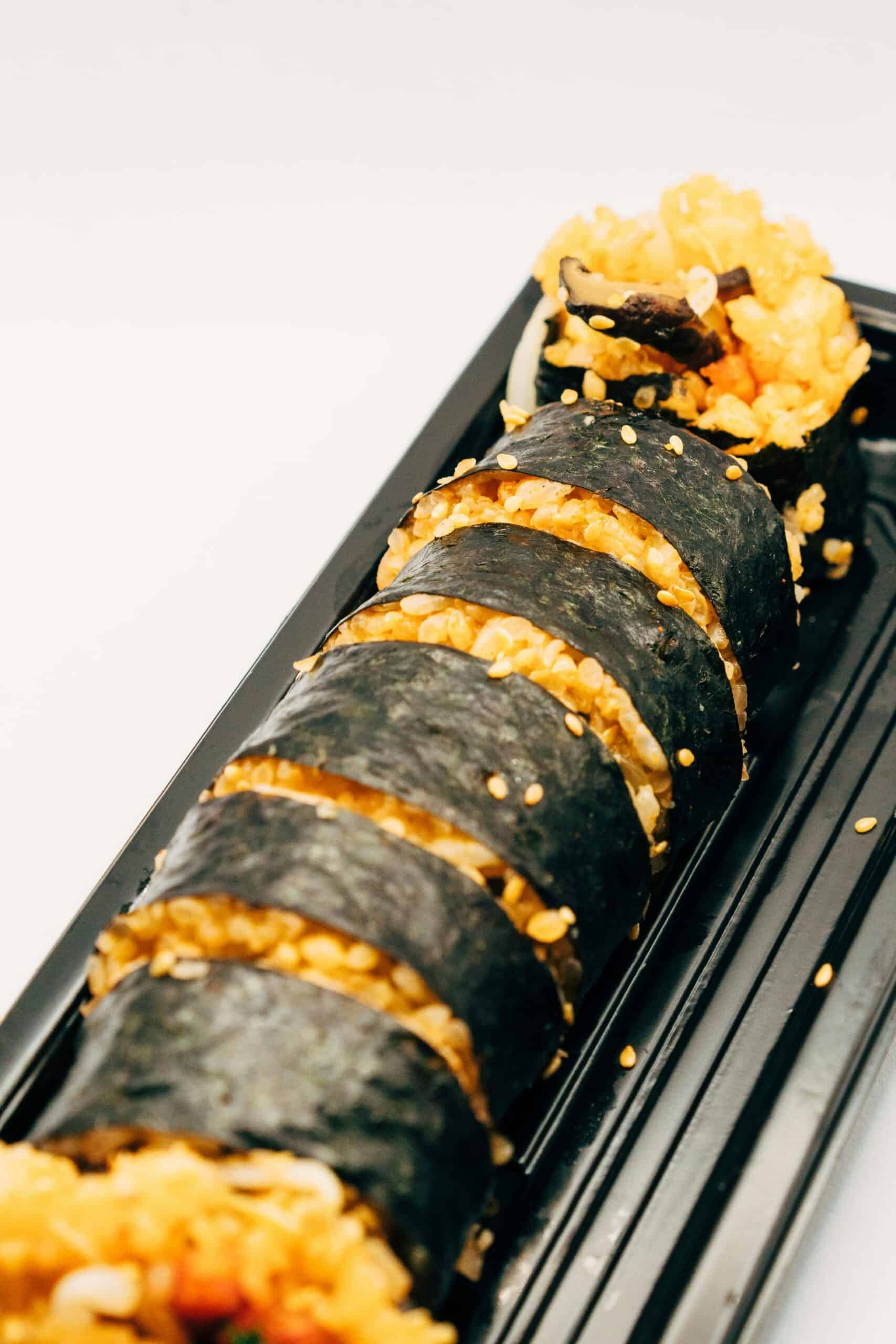
Kimbap is probably the clearest example of a Korean food going mainstream in snack form. Costco’s same-day platform currently lists Korean-made frozen kimbap, including Hanwoomul Fried Tofu & Vegetable Kimbap, while coverage from Allrecipes notes that retailers like Costco joined the growing U.S. kimbap wave after the product took off at Trader Joe’s and Aldi.
Trader Joe’s version got plenty of attention, but Food & Wine’s 2025 Korean-products roundup was a little more mixed on it, saying the rice texture was not as strong as fresh kimbap from Korean markets. That is actually useful to know: frozen kimbap is worth trying as a gateway snack, but it is not necessarily the peak version of the food.
🌶️ 2. Tteokbokki
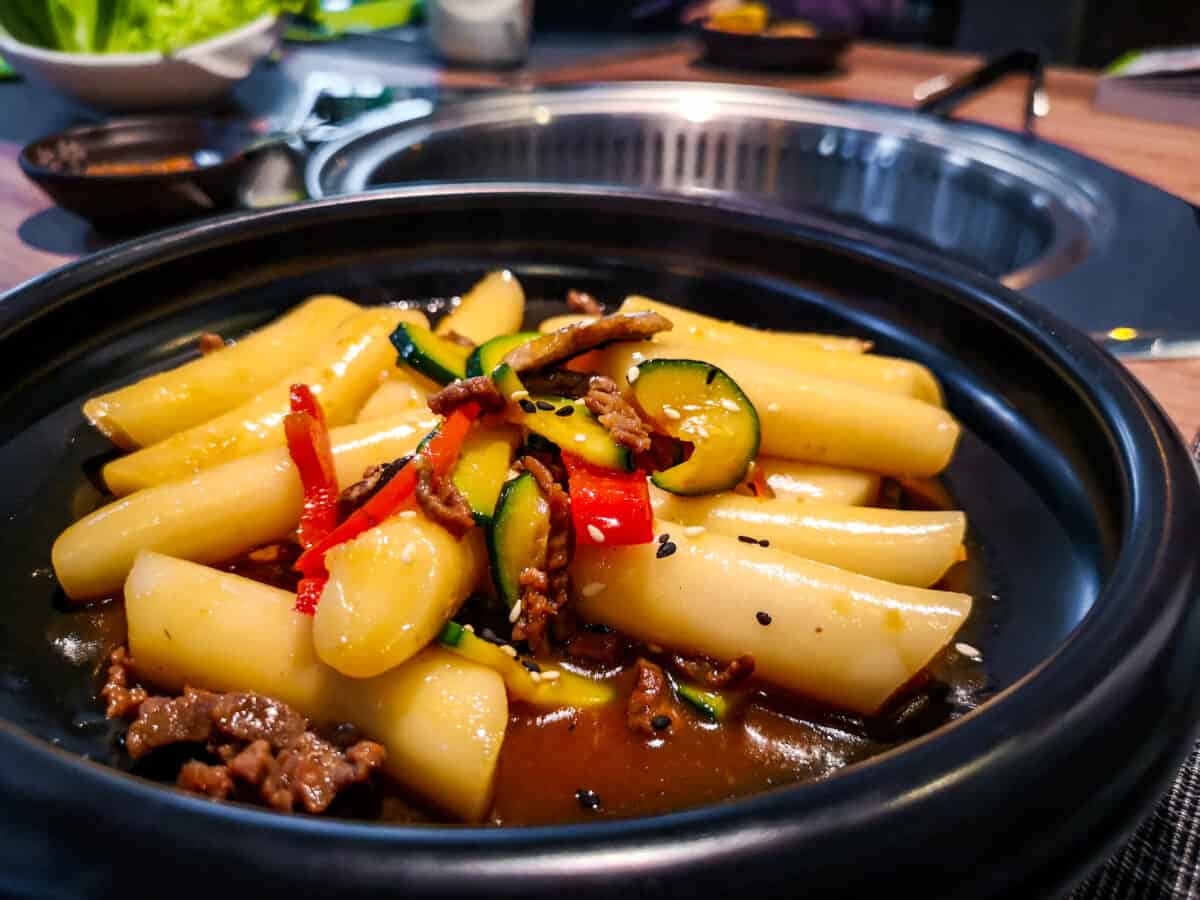
Tteokbokki is one of the most recognizable Korean snack foods globally now, and Trader Joe’s has helped casual shoppers try it without much effort. Food & Wine specifically recommended Trader Joe’s Tteok Bok Ki, describing it as chewy rice cakes in a sweet and spicy gochujang sauce that are easy to prepare and satisfying.
This is a good one to try if you want something that feels very “Korean snack shop” without needing to build the sauce from scratch. It is also useful because it introduces you to the chewiness of rice cakes, which is one of the textures people either instantly love or need a minute to understand.
🧂 3. Roasted Seaweed Snacks
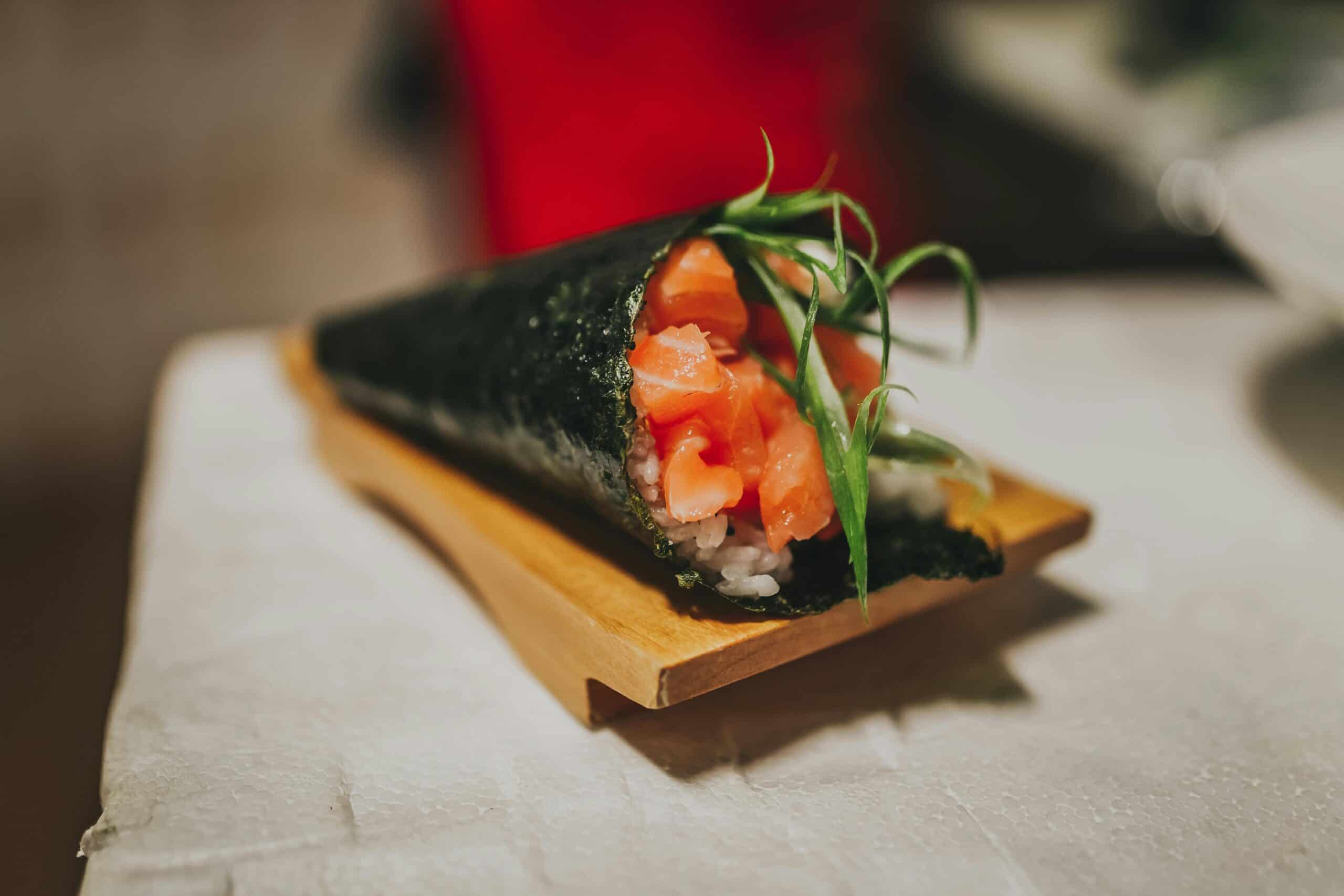
Seaweed snacks are one of the easiest Korean-style snacks to buy and one of the least intimidating. Costco currently sells multiple roasted seaweed snack options, including Kirkland Signature Organic Roasted Seaweed and other variety packs, which makes this one of the most accessible Korean-adjacent snack habits to pick up.
This is a great starter snack if you want something light, salty, and easy to keep around. It is not flashy, but it is one of those foods that quietly teaches you how everyday Korean snacking can work.
🍘 4. Jumeokbap
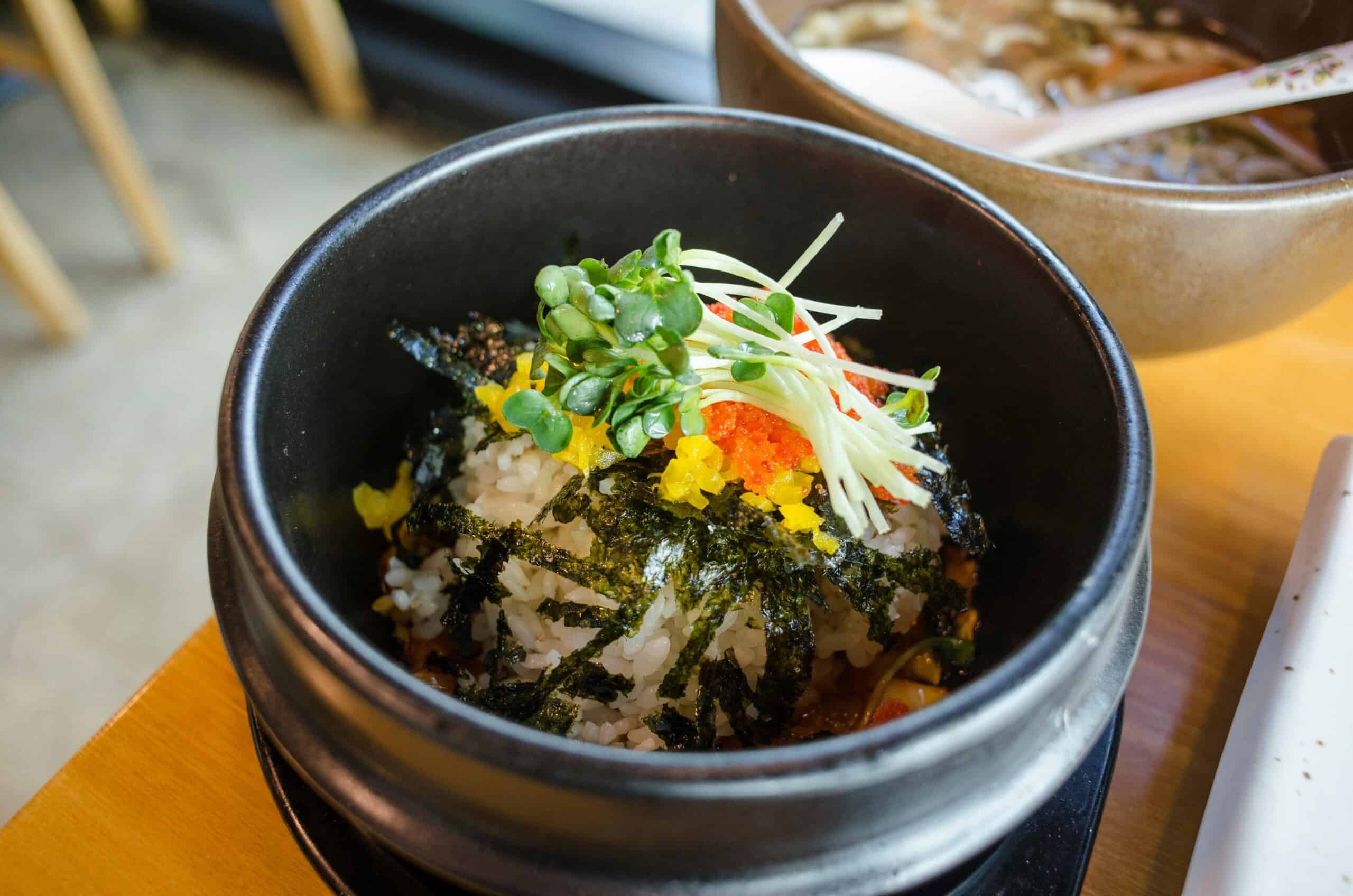
Jumeokbap is basically a Korean rice-ball style food, and Trader Joe’s has helped make it more familiar to non-Korean shoppers. Food & Wine specifically called out Trader Joe’s Jumeokbap as one of the Korean products worth buying, praising it for convenience and flavor.
This one matters because it shows how well Korean rice-based foods fit regular grocery life. It is portable, easy to heat, and feels more like a practical snack-meal than a novelty buy.
🥟 5. Mandu
If you want the easiest Korean freezer snack to love right away, start with mandu. Costco currently carries multiple Korean-style Bibigo dumpling products, including Beef Bulgogi Mandu and Pork and Vegetable Mandu, both sold as quick frozen items.
Mandu works so well in mainstream stores because dumplings already make sense to a lot of shoppers. Korean dumplings feel familiar enough to buy casually, but different enough in seasoning and filling to feel like a real Korean-food step instead of just another frozen appetizer.

🍯 6. Hotteok
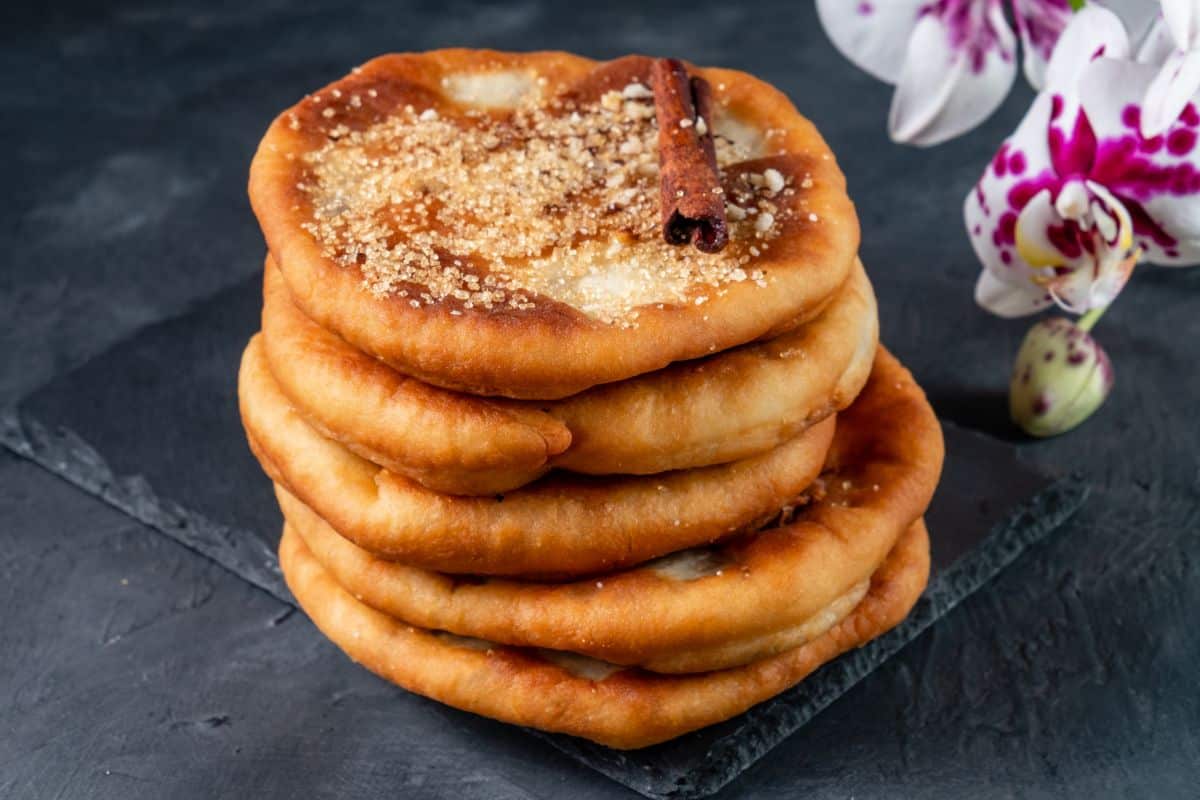
If you want something sweet on this list, hotteok is the easy pick. Food & Wine’s Trader Joe’s Korean-products roundup specifically recommended Trader Joe’s Hotteok, saying it felt authentic and nostalgic to the Korean-American recipe developer they interviewed.
Hotteok matters because it gives you a dessert-side version of Korean snack culture. Most beginners start with savory snacks first, but hotteok is one of the better examples of a Korean sweet that still feels distinct and memorable.
🍜 7. Ramyeon Cups and Convenience-Store Noodle Snacks
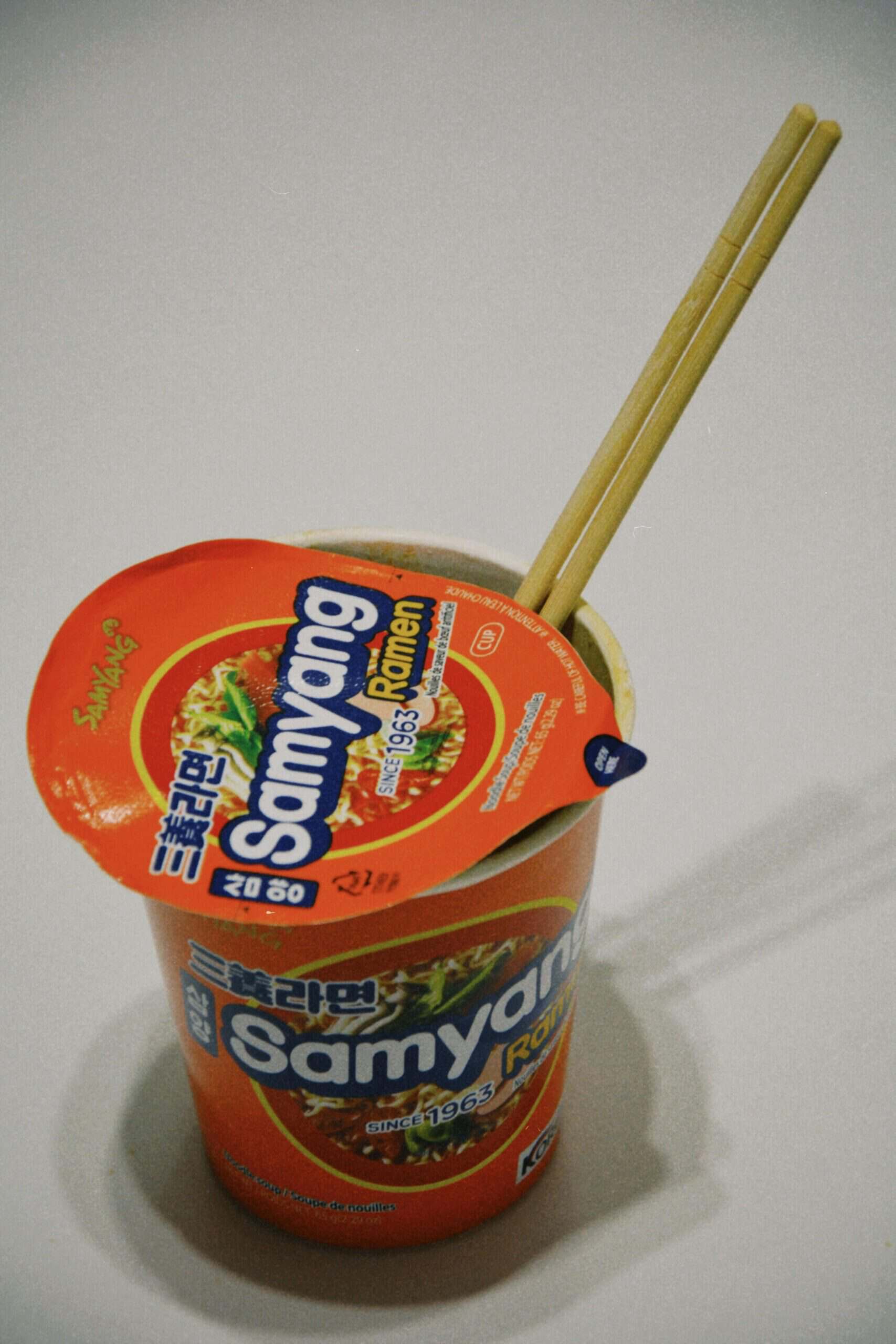
No Korean snack list really works without ramyeon. It may blur the line between snack and meal, but it is too central to leave out. VisitKorea’s official “Convenience Store Must-Eats!” guide frames convenience-store foods as a real part of the Korean travel experience, and instant noodles are one of the most recognizable pieces of that culture.
This is where 7-Eleven comes in best. If Costco is your bulk/freezer stop and Trader Joe’s is your “curious beginner” stop, 7-Eleven is the fast, casual, convenience-store side of the Korean snack world. Cup ramyeon, triangle-rice meals, and quick hot snacks are exactly the kinds of things people associate with Korean convenience-store runs.
🧭 Which store is best for what
Costco is best for bulk and freezer-friendly Korean items. Right now that clearly includes frozen kimbap, mandu, and seaweed snacks.
Trader Joe’s is best for beginner-friendly Korean grocery finds with low commitment. Food & Wine’s roundup specifically highlighted jumeokbap, tteokbokki, hotteok, japchae, and more as approachable picks.
7-Eleven is best for convenience-store-style snacking: hot noodles, quick rice-based foods, and the grab-and-go energy that makes Korean convenience-store food culture so fun in the first place.
💡 What to try first if you’re new to Korean snacks
If you want the easiest starter picks, go in this order:
- Mandu if you want something familiar and freezer-friendly
- Seaweed snacks if you want the lowest-risk snack
- Kimbap or jumeokbap if you want a rice-based grab-and-go option
- Tteokbokki if you are okay with some spice and chewy texture
- Hotteok if you want to see the sweeter side of Korean snacks
That order makes the whole thing feel less random and helps you avoid jumping straight into the item you are least likely to understand right away.
❓ Frequently Asked Questions
It depends on the item. Costco’s current kimbap listings are Korean-made, while Trader Joe’s lineup includes Korean products and Korean-inspired items selected for mainstream U.S. grocery shoppers.
Mandu, seaweed snacks, and kimbap are the easiest first buys because they are simple to understand and do not require much adjustment in taste.
Yes, especially for convenience. Just keep expectations realistic: frozen versions are often a gateway, not always the best possible version of the food. Food & Wine made that point clearly with Trader Joe’s kimbap.
Big retailers make Korean snacks easier to access, but the range is usually narrower and more beginner-focused. Korean grocery stores will usually give you more choice and often more traditional versions. That said, Costco and Trader Joe’s are now good places to start.



Comments
No Comments