
A lot of people think Korean food tastes amazing because of complicated recipes. Sometimes that is true. But a big part of the magic is much simpler: the sauces and pastes do a huge amount of the work.
Once you have a few core Korean cooking sauces in your kitchen, your food starts tasting deeper, richer, brighter, and way less boring. You do not need to cook a full Korean feast every night either. These sauces can wake up eggs, noodles, roasted vegetables, chicken, rice bowls, soups, and even random “what is left in the fridge?” dinners.
Here are five Korean cooking sauces and pastes that can genuinely change the way you cook.
Jump to:
- 🥢 Why Korean Cooking Sauces Make Such a Big Difference
- 🍶 1. Ganjang: The Korean Soy Sauce That Does More Than Salt
- 🌶️ 2. Gochujang: The Sweet, Spicy Staple That Builds Deep Flavor
- 🫘 3. Doenjang: The Savory Fermented Paste That Adds Real Depth
- 🍯 4. Ssamjang: The Bold, Ready-to-Use Sauce That Makes Everything Better
- 🧄 5. Yangnyeom-Style Sauce: The Fast Flavor Booster for Lazy Cooking Days
- 🍳 How to Start Using Korean Sauces Without Cooking Full Korean Meals
- 🛒 What to Buy First and How to Build a Korean Sauce Starter Kit
- ⚠️ Common Mistakes Beginners Make With Korean Sauces
- ❓ Frequently Asked Questions
- 💬 Comments
🥢 Why Korean Cooking Sauces Make Such a Big Difference
Korean cooking is full of strong flavors, but not always in a loud way. A lot of the depth comes from ingredients that are fermented, balanced, or built to do multiple things at once. That is why one spoonful can change a whole dish.
These sauces are useful because they do more than add salt or heat. They add:
- savory depth
- sweetness
- funk
- body
- color
- that “why does this taste so much better than usual?” feeling
And once you get used to them, you start noticing how many easy meals they can improve.
🍶 1. Ganjang: The Korean Soy Sauce That Does More Than Salt
If you only know soy sauce as “the dark thing for dumplings or fried rice,” Korean ganjang will feel like a step up.
Ganjang is Korean soy sauce, but it is not exactly the same as every other soy sauce you have tried. Depending on the type, it can taste cleaner, deeper, or more rounded, and it is used in a lot of Korean cooking not just for saltiness, but for structure.
Why it matters
Ganjang makes food taste more complete. It gives you salt, yes, but also that deeper savory feeling that makes broths, marinades, and side dishes taste less flat.
Best ways to use it
- seasoning soups and stews
- making dipping sauces
- marinating beef, chicken, tofu, or mushrooms
- seasoning vegetable side dishes
- mixing into noodle sauces or rice bowls
Easy beginner move
Mix ganjang with a little sesame oil, chopped scallions, and sesame seeds. Suddenly you have a sauce that can make plain rice, tofu, dumplings, or eggs taste much better.
🌶️ 2. Gochujang: The Sweet, Spicy Staple That Builds Deep Flavor
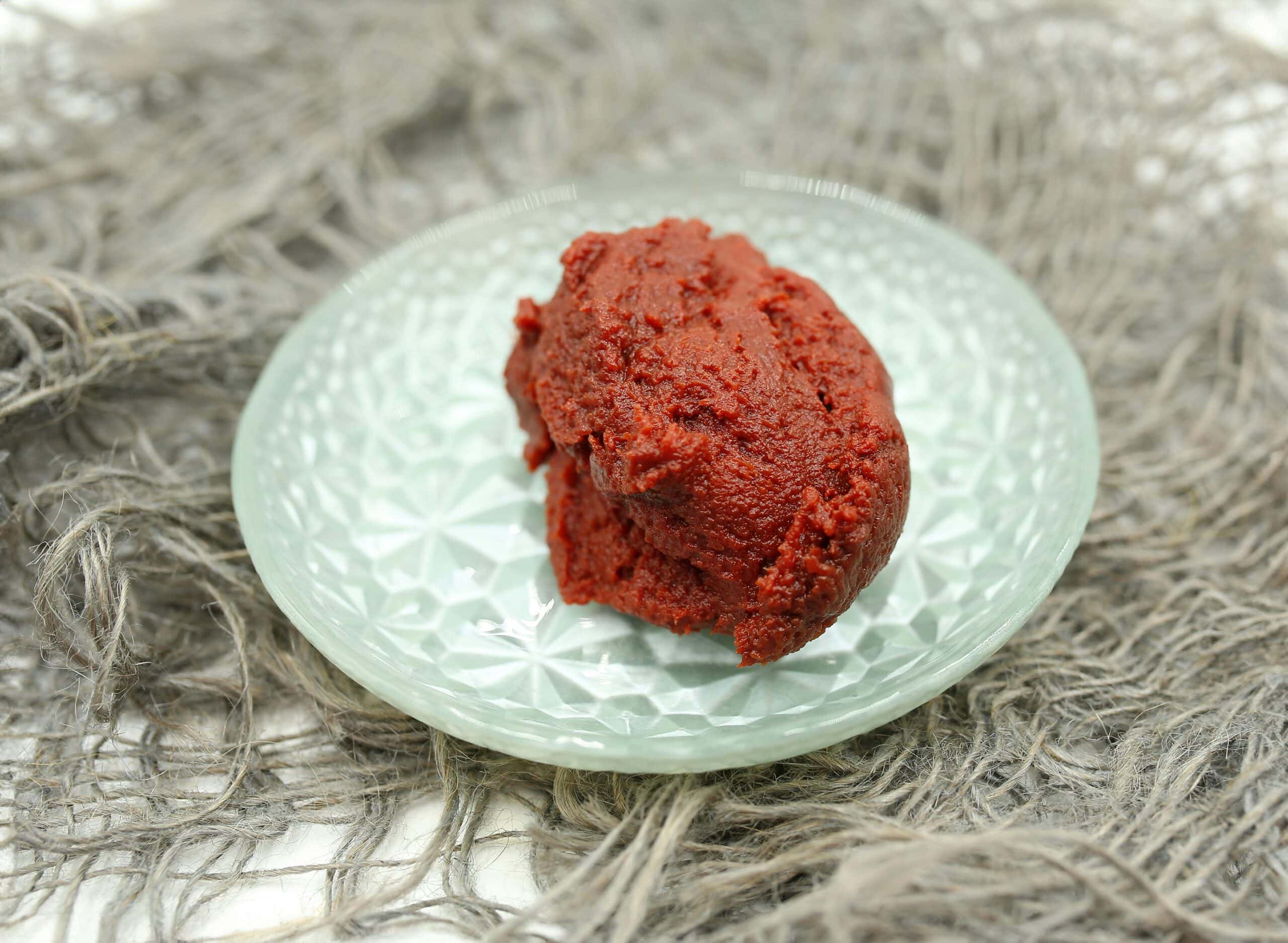
Gochujang is probably the Korean ingredient most people recognize first, and for good reason. It is sweet, spicy, salty, and fermented all at once.
But this is where beginners often get it wrong: gochujang is not just “Korean hot sauce.” It is much thicker, richer, and deeper than that. It does not just add heat. It adds weight and character.
What it tastes like
- spicy, but usually not in a sharp way
- slightly sweet
- savory
- fermented and a little funky in a good way
Best ways to use it
- bibimbap sauce
- spicy marinades
- stir-fries
- tteokbokki-style sauces
- glazes for roasted chicken or salmon
- stew bases
Easy beginner move
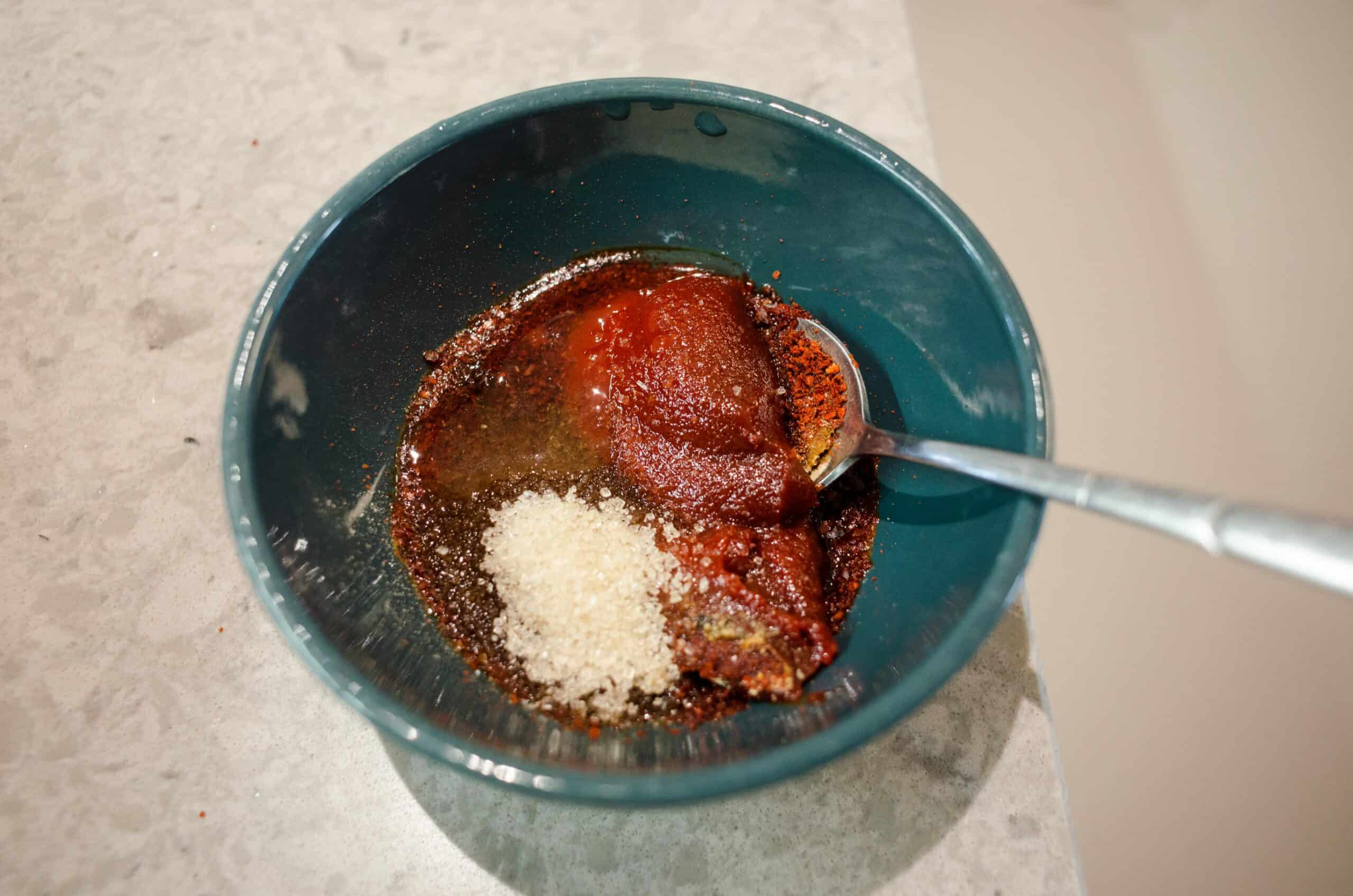
Whisk gochujang with a little soy sauce, honey, garlic, and sesame oil. Use it on chicken or tofu before roasting. Very easy, very good.
🫘 3. Doenjang: The Savory Fermented Paste That Adds Real Depth
If gochujang is the crowd-pleaser, doenjang is the one that makes you feel like you actually know what you are doing.
Doenjang is a fermented soybean paste, and yes, it can smell intense if you are new to it. But in cooking, it turns into something warm, savory, earthy, and weirdly comforting.
Why it matters
Doenjang gives dishes depth fast. It is one of those ingredients that makes soups and stews taste like they took much longer than they actually did.
Best ways to use it
- doenjang jjigae
- soups with tofu, zucchini, mushrooms, or greens
- vegetable side dishes
- mixed with other sauces for marinades or dipping
- braising liquids
Easy beginner move
Stir a spoon of doenjang into a pot with water or stock, tofu, zucchini, onions, and mushrooms. Add garlic and chili if you want. It is one of the easiest ways to make something that tastes genuinely satisfying.
🍯 4. Ssamjang: The Bold, Ready-to-Use Sauce That Makes Everything Better
If you want the easiest Korean sauce for beginners, ssamjang is probably it.
Ssamjang is usually made from a mix of gochujang, doenjang, sesame oil, garlic, and other ingredients, so it already gives you multiple flavors in one spoonful. It is bold, savory, slightly spicy, and very easy to use right away.
Why it is great for beginners
Because it is already doing so much. You do not have to “build” it as much as the other sauces. It is ready to make food taste exciting.
Best ways to use it
- lettuce wraps with grilled meat or tofu
- rice bowls
- dipping cucumbers, peppers, or carrots
- spreading a little into wraps or sandwiches
- mixing into noodle bowls
Easy beginner move
Put rice, grilled chicken or tofu, sliced cucumber, and a little ssamjang into a lettuce leaf. That is basically a very fast, very satisfying meal.
🧄 5. Yangnyeom-Style Sauce: The Fast Flavor Booster for Lazy Cooking Days
For the fifth spot, instead of one single bottle, it helps to think about yangnyeom-style red sauce blends.
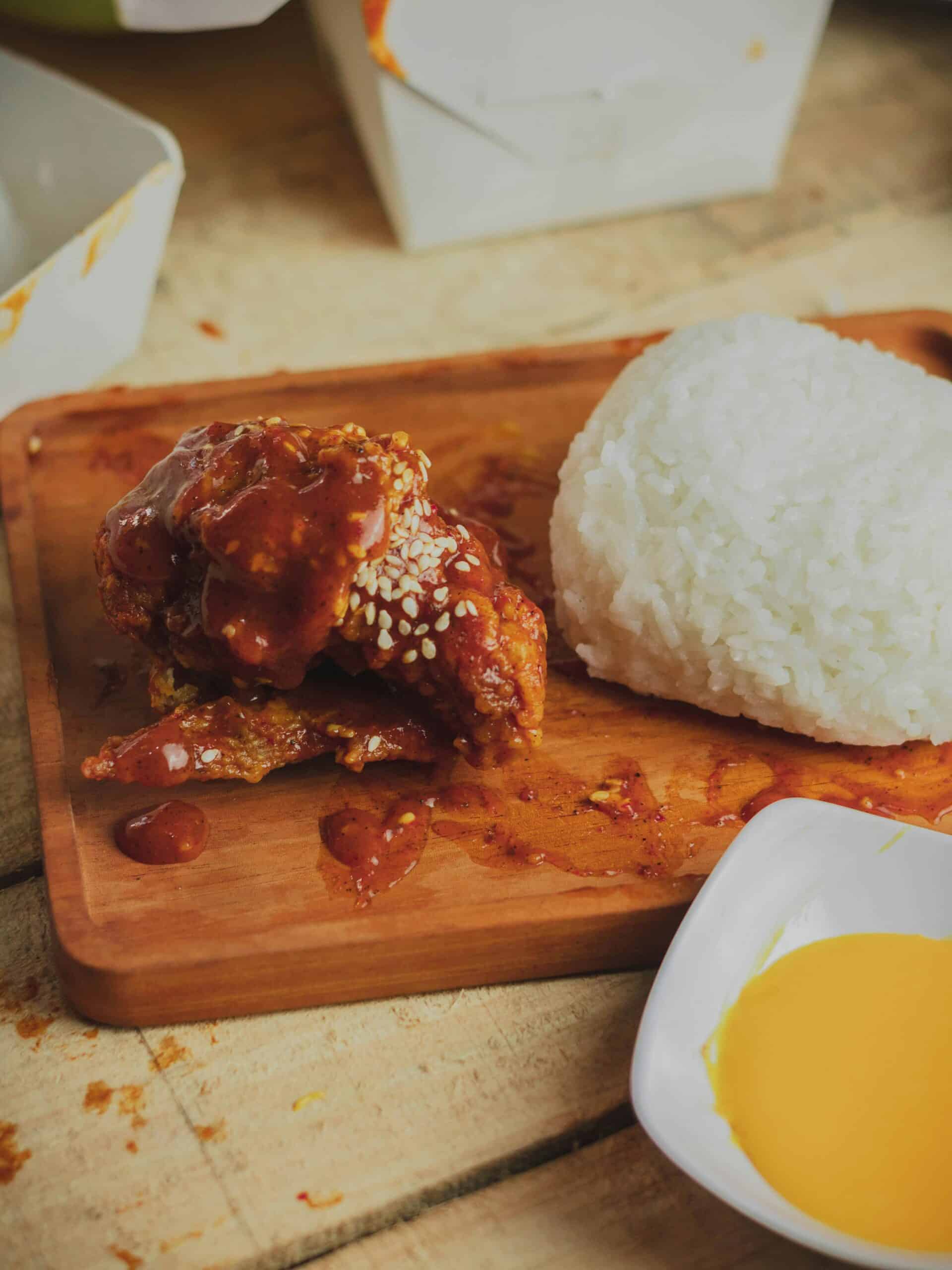
This is the kind of sauce family you see in things like Korean fried chicken, spicy stir-fries, and glossy red sauces that feel punchy and addictive. Some people make it from scratch with gochujang, gochugaru, garlic, sugar or syrup, ketchup, and soy sauce. Some buy bottled versions.
Either way, it is worth knowing because it is one of the fastest ways to get that “Korean-style” flavor without building a dish from zero.
Why it works
It gives you heat, sweetness, tang, and gloss very quickly.
Best ways to use it
- coating fried chicken
- stir-frying rice cakes or noodles
- spicy wings
- dipping sauce for fried foods
- glazing roasted vegetables or shrimp
Easy beginner move
Toss crispy chicken bites or roasted cauliflower with a quick yangnyeom-style sauce and serve over rice. Instant mood improvement.
🍳 How to Start Using Korean Sauces Without Cooking Full Korean Meals
This is the part people miss: you do not need to start making only Korean food to use Korean sauces well.
You can start much smaller.
Easy ways to use them:
- add gochujang to scrambled eggs or egg sandwiches
- use ganjang in salad dressings or noodle sauces
- stir a little doenjang into soup or beans for depth
- spread ssamjang in wraps or burgers
- use a yangnyeom-style sauce on wings, roasted potatoes, or tofu
This is honestly the best way to learn them. You do not need to memorize a bunch of dishes first. Just let the sauces start showing up in the food you already make.
🛒 What to Buy First and How to Build a Korean Sauce Starter Kit
If you do not want to buy all five at once, here is the easiest way to build up.
If you want the most beginner-friendly combo:
Start with:
- ganjang
- gochujang
- ssamjang
That gives you:
- one flexible savory base
- one spicy fermented sauce
- one ready-to-use all-in-one flavor bomb
If you like soups and deeper savory flavors:
Start with:
- ganjang
- doenjang
If you like bold spicy food:
Start with:
- gochujang
- a yangnyeom-style sauce or ingredients to make one
A small starter kit goes a long way. You do not need a full Korean pantry on day one.
⚠️ Common Mistakes Beginners Make With Korean Sauces
1. Using too much too fast
These sauces can be strong. Start small, taste, then build.
2. Expecting gochujang to taste like hot sauce
It is thicker, sweeter, deeper, and more fermented. It is not supposed to behave like sriracha.
3. Ignoring balance
A lot of Korean sauces work best when balanced with:
- sesame oil
- garlic
- sweetness
- acid
- scallions
Even something powerful like gochujang often tastes better once rounded out.
4. Treating fermented sauces like one-note ingredients
Doenjang and gochujang are not just “salty” or “spicy.” They bring body and complexity. Let them do more than one job.
❓ Frequently Asked Questions
Some are, but not all. Ganjang is not spicy. Doenjang is not spicy. Ssamjang and gochujang have some heat, but they also bring more than that.
Ssamjang is probably the easiest because it already tastes full and ready to use.
No. Start with two or three based on what you cook most often.
Comments
No Comments