
Every K-beauty cycle produces one ingredient everyone suddenly needs to know about, and for 2026 that ingredient is PDRN, which stands for polydeoxyribonucleotide. It sounds like something out of a lab, which is fair, because that's exactly where it started.
PDRN is a chain of DNA fragments, most commonly purified from salmon sperm cells, and it's currently one of the fastest-growing K-beauty search terms in markets like the UK, with monthly searches climbing toward 4,000 since late 2025.

Jump to:
🐟 What PDRN Actually Is (Yes, It's From Salmon)
The salmon part tends to get all the attention, but the more relevant detail is what the ingredient does once it's in a formula. PDRN was originally used almost exclusively in professional dermatology treatments in Korea, injected in clinics for wound healing and tissue repair long before it ever showed up in a serum. It's only in the past couple of years that brands have figured out how to bring a version of that same regenerative effect into an at-home product.
🧬 Why Salmon DNA Works on Human Skin
The reason salmon specifically works comes down to structure. Salmon DNA is remarkably similar to human DNA, close enough that skin can recognize the fragments and use them as raw material for its own repair processes rather than treating them as a foreign substance. That similarity is what let PDRN move from purely medical use into cosmetic formulas without needing a completely different delivery approach.
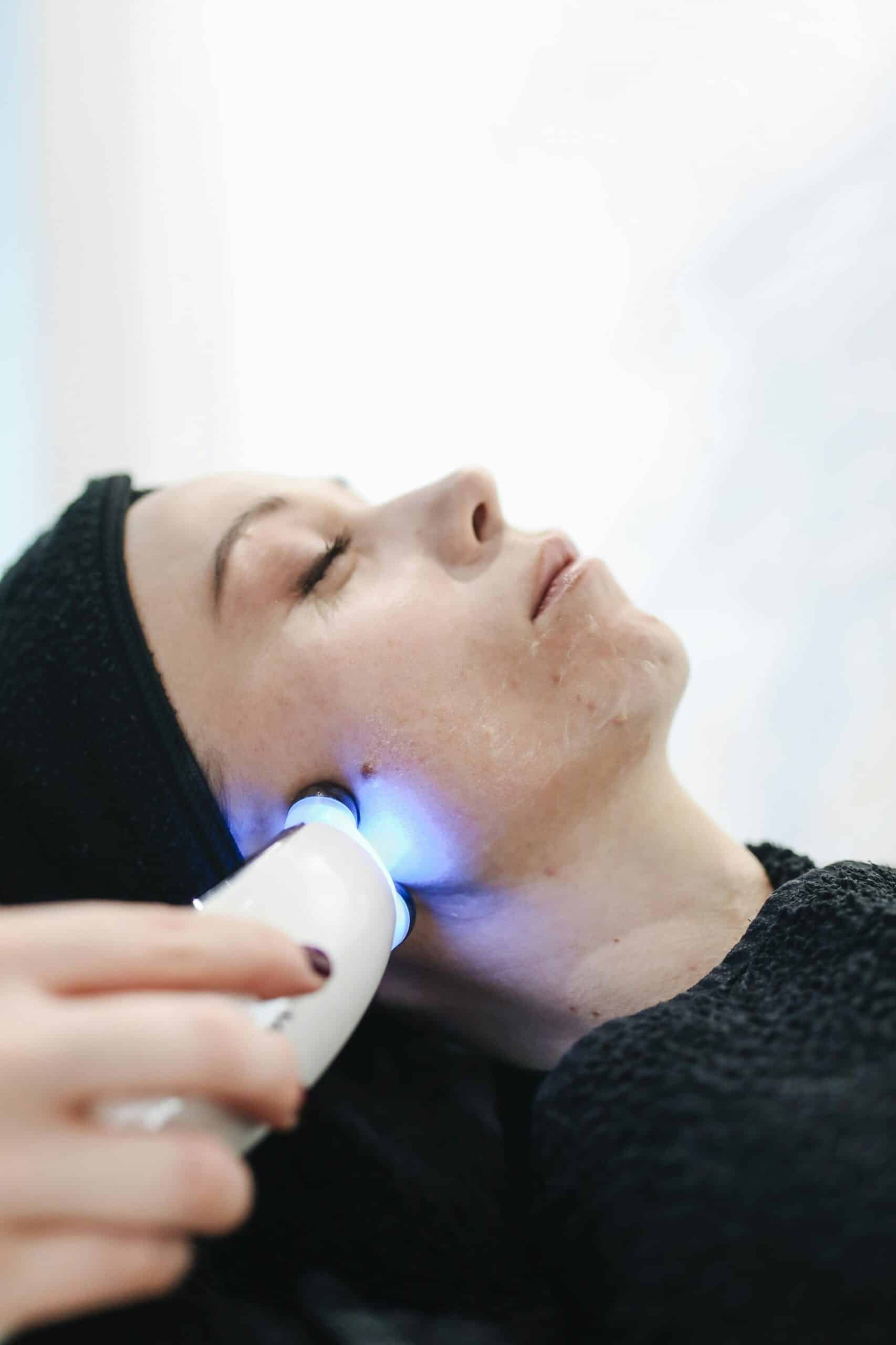
💉 From Clinic-Only to Your Bathroom Shelf
This move from clinic to shelf mirrors a bigger shift happening across K-beauty right now, the same one that's pulled ingredients like retinoids and now PDRN out of dermatology offices and into daily routines. It sits alongside trends like the cloud skin look, where the goal isn't a flawless finish so much as skin that genuinely looks regenerated and healthy rather than filtered.
🔬 PDRN vs Exosomes: What's the Difference
PDRN often gets mentioned in the same breath as exosomes, and the two are related but not identical. Exosomes are microscopic particles that help cells communicate with each other, while PDRN is specifically a DNA fragment used for tissue repair. Korean R&D teams have spent roughly two years figuring out how to deliver both of these previously clinic-only molecules, alongside other biotech actives like growth factors and polynucleotides, in textures that actually feel like skincare instead of a medical treatment.
🧴 How to Actually Try It
PDRN shows up most often in serums, ampoules, and sheet masks aimed at repair and elasticity rather than in cleansers or sunscreens, so it works best layered into a routine as an active step rather than a replacement for the basics. It pairs naturally with the kind of cooling, repair-focused routines that have already been trending this year, since both are built around calming and rebuilding skin rather than masking how it looks in the moment.
❓ Frequently Asked Questions
Over-the-counter PDRN products use lower concentrations formulated for topical, at-home use and are generally considered safe, though anyone with sensitive skin or a specific skin condition should patch test first or check with a dermatologist.
Most modern formulas use lab-synthesized or vegan versions of the DNA fragment rather than direct salmon extract, particularly in products marketed for 2026, which also makes them more consistent and allergen-conscious than earlier clinic-derived versions.
Retinol and vitamin C primarily work by speeding up cell turnover and brightening, while PDRN is more specifically regenerative, supporting tissue repair and elasticity, which is why the two are often used together rather than as substitutes for each other.
Most brands suggest a visible difference in elasticity and texture after four to six weeks of consistent use, though results vary based on concentration and how the product is layered into an existing routine.
PDRN treatments are often booked alongside other in-clinic beauty procedures during a Seoul trip — if brow work is on your list too, our guide to microblading in Seoul covers what to know before booking.
PDRN isn't the only ingredient trend chasing that overnight, wake-up-glowing effect — collagen face masks have built their own following around the same promise, just through a mask instead of an injection or serum.




Comments
No Comments