
Korean dermatology has a concept called pibu-yeol, or "skin heat," and it's become the defining idea behind one of 2026's biggest K-beauty movements. As global temperatures climb and heat-related skin concerns become harder to ignore, cooling skincare has moved from a niche summer category to something brands are building entire product lines around, with beauty data platforms naming Cooling Care one of the top K-beauty trends of the year.
The logic behind it is simpler than the marketing makes it sound: elevated skin temperature accelerates redness, sensitivity, oil production, and premature aging, so cooling the skin down is doing more than just feeling nice in the heat.
Jump to:
🌡️ What "Skin Heat" Actually Means
Pibu-yeol refers to a build-up of heat and inflammation in the skin, something Korean skincare philosophy has addressed for years but has only recently gotten a Western-friendly framing. It shows up as flushing, increased oil production, and a general reactivity that gets worse the longer skin stays overheated, whether from sun exposure, humidity, or just a hot commute. Cooling the skin isn't just about comfort in the moment, it's treated as a way to interrupt that whole inflammatory cycle before it compounds.
❄️ The Products Built Around It
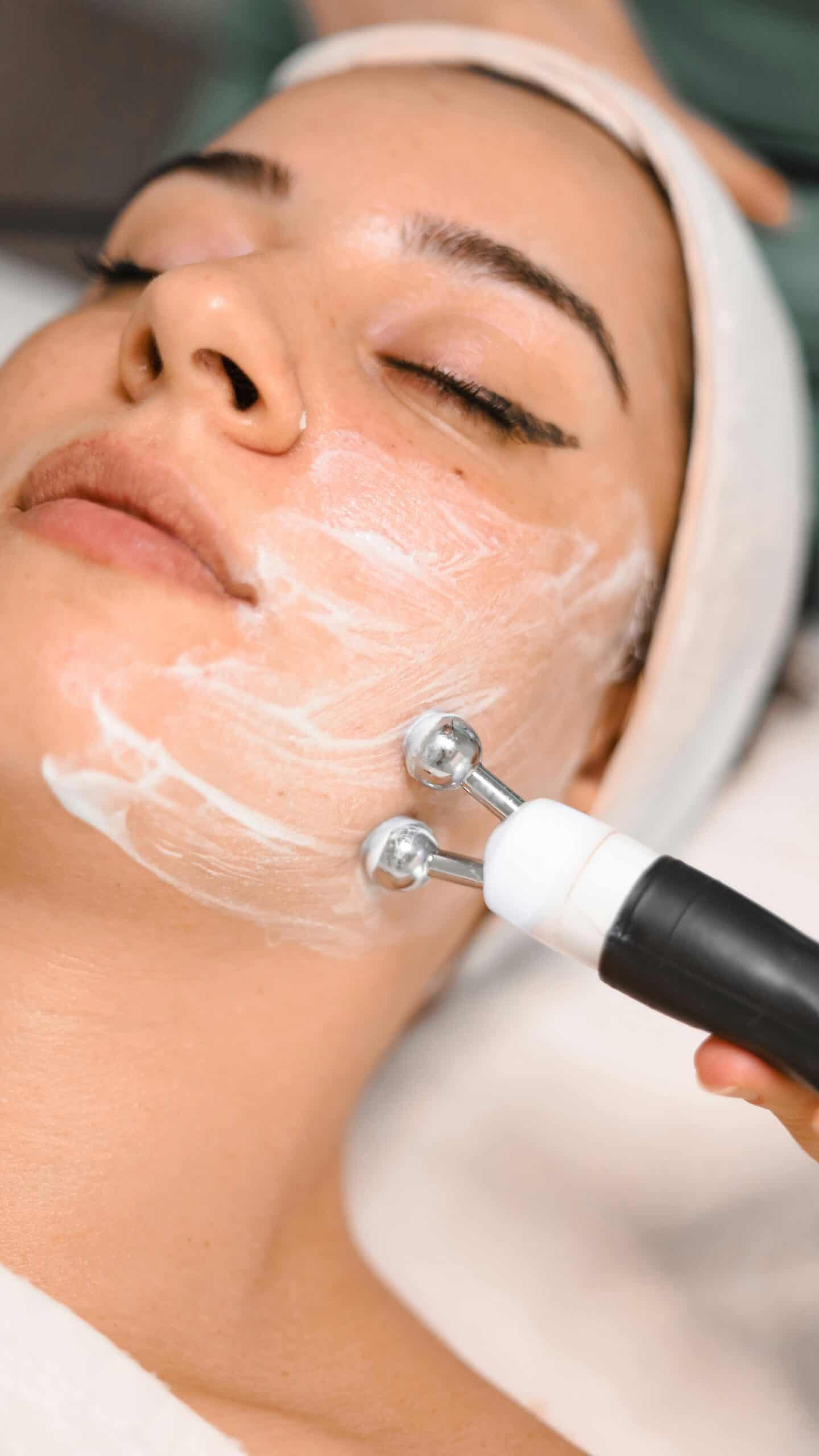
Rising temperatures have pushed brands toward genuinely new formats: swipe-on cooling sticks, lightweight water-gel textures, and mists formulated with active cooling agents that produce a measurable drop in skin temperature on contact. These sit alongside more familiar tools, like jade rollers and gua sha, which have always leaned on a cooling, de-puffing mechanism even before "cooling skincare" became an official category with its own product line.
☀️ Sunscreen's New Job Description
Korean sunscreens have always been known for lightweight, non-greasy textures, but the cooling trend has pushed formulation even further, with more brands adding cooling agents directly into SPF products rather than treating sun protection and heat management as two separate steps. That overlap makes sense: sun exposure is one of the biggest daily contributors to skin heat in the first place, so a sunscreen that also cools is solving two problems in one step.
🌙 Where This Fits Into an Existing Routine
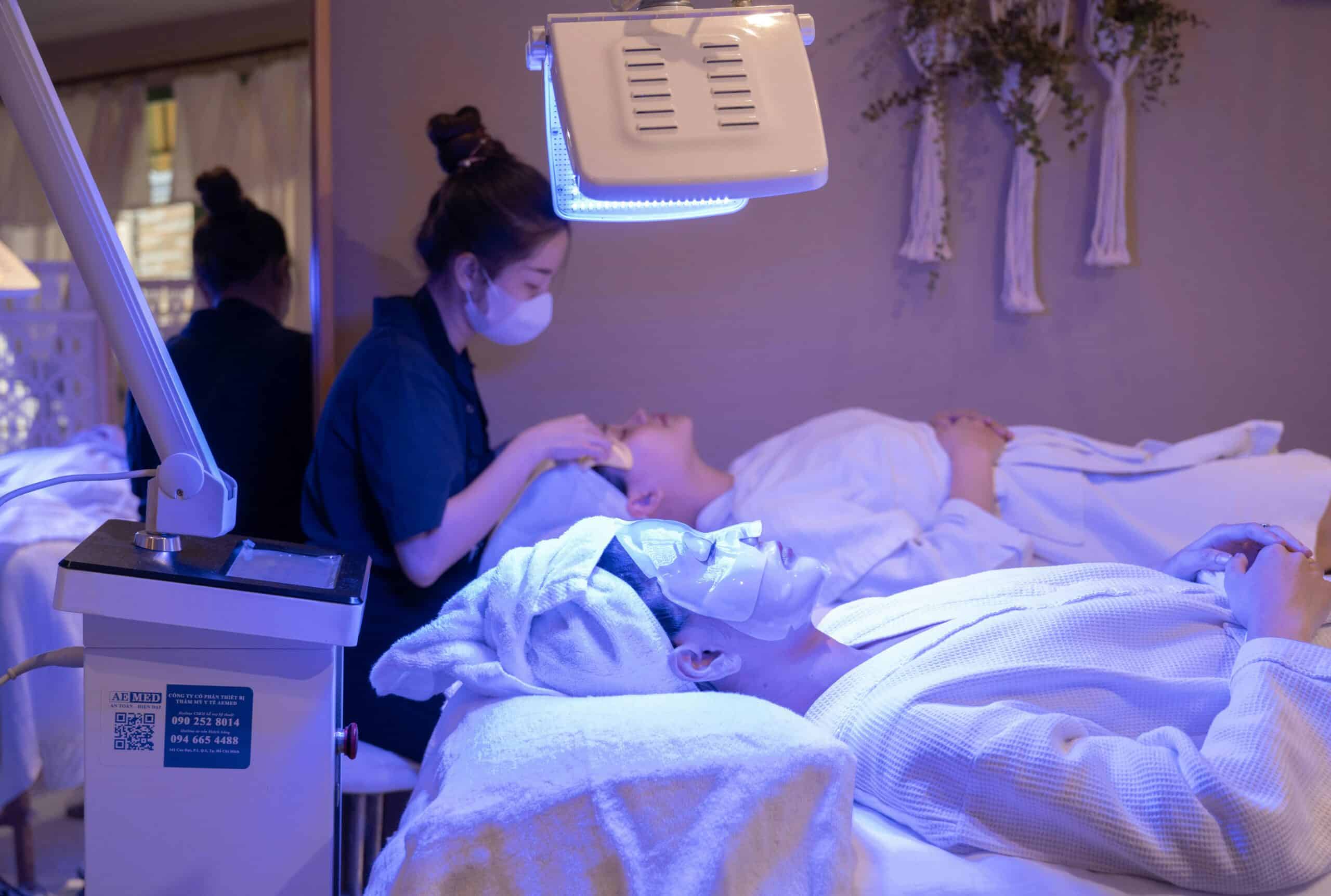
Cooling doesn't require rebuilding a routine from scratch. It's mostly about swapping in cooling-forward textures at the steps that already exist, which is easier when day and night skincare routines are already dialed in and there's a clear sense of where a cooling mist or gel actually slots in. The tools driving this shift matter too. A lot of the newer K-beauty devices, from LED masks to cooling-adjacent cleansing tools, have been engineered specifically with heat management in mind rather than as an afterthought feature.
🔥 Why Now, Specifically
The timing isn't a coincidence. As industry trend coverage has pointed out, climate-responsive skincare, including cooling textures, temperature-adaptive formulas, and chilled tools, is emerging as one of the defining categories of the year, driven directly by consumers noticing real changes in how their skin behaves as temperatures rise.
🧊 A Few Easy Ways to Start
Cooling skincare doesn't require a full routine overhaul to try. Keeping a mist or gel moisturizer in the fridge, swapping a heavier daytime cream for a water-gel version in warmer months, and choosing an SPF formulated with cooling agents are all low-effort entry points. None of it requires abandoning an existing routine, it's more about noticing where heat tends to build up during the day and addressing that specific moment rather than reworking every step at once.
❓ Frequently Asked Questions
No. While the effects are most noticeable in hot weather, indoor heating, hot showers, and general inflammation can trigger skin heat year-round, so many cooling products are formulated for use across seasons.
Both work. Products with cooling agents (menthol derivatives, water-gel textures) deliver the effect on their own, while tools like jade rollers and chilled rollers add a mechanical cooling boost on top.
Yes, that's a large part of the appeal. Reducing skin heat is directly linked to calming redness and reactivity, since inflammation and elevated skin temperature tend to go hand in hand.
The concept originates from Korean dermatology's pibu-yeol framework, but the trend itself is showing up in skincare markets globally as more brands respond to rising temperatures and consumer demand for heat-responsive formulas.



Comments
No Comments