
Gut health stopped being a niche wellness topic a while ago. It's now a mainstream grocery category, with food and drink launches carrying a gut-health claim jumping sharply over the past couple of years, and supermarkets stocking fermented products that used to be specialty-only items. Korean grocery staples happen to sit right in the middle of that shift, since fermentation has been the backbone of Korean food for centuries, long before "gut health" was a marketing term.
Here's what that actually looks like on shelves right now, and why Korean fermented staples keep showing up in gut-health conversations that have nothing to do with Korean food specifically.
Jump to:
🫙 Fermented Staples Aren't New, They're Just Trending
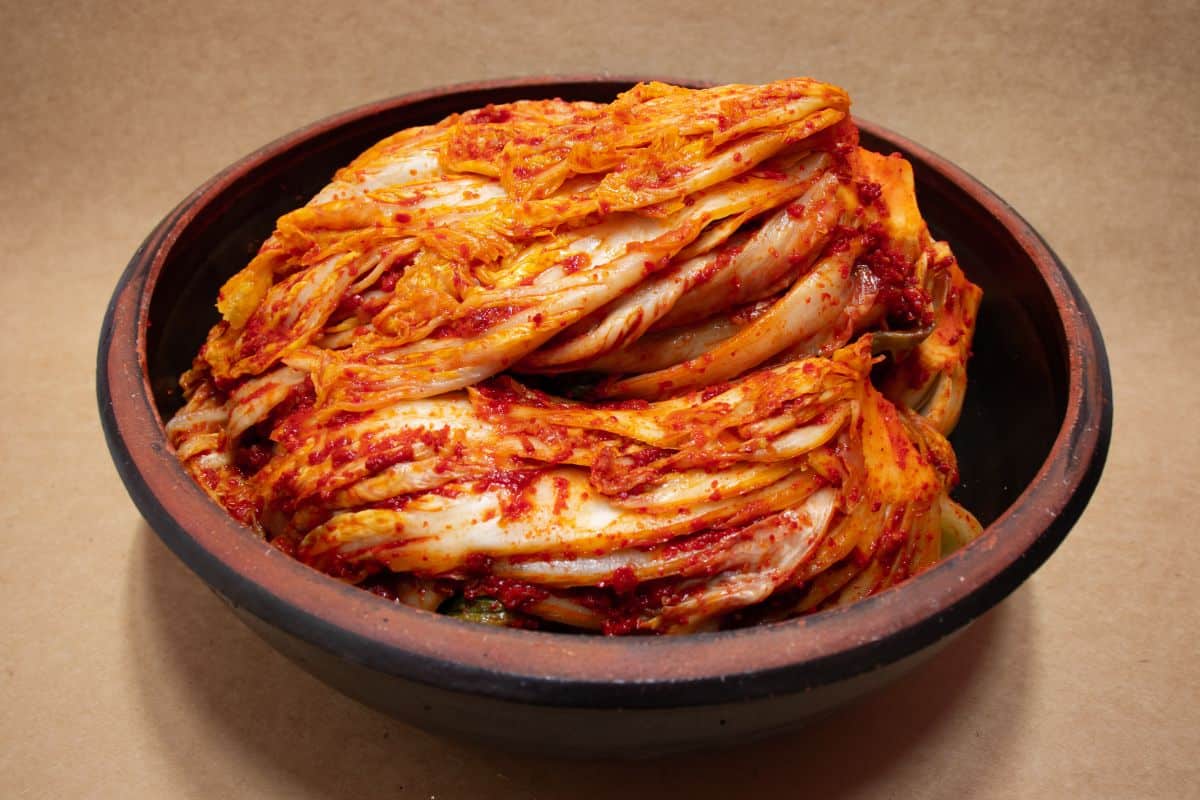
Kimchi gets cited constantly in gut-health content, but it's really one entry point into a much bigger category. The wellness world's growing interest in Korean fermented foods has pulled doenjang, gochujang, and a handful of lesser-known fermented pastes into the same conversation, mostly because they were built on exactly the principles gut-health marketing is now trying to sell as new.
🧂 Doenjang's Second Life as a Health Food
Doenjang, Korea's fermented soybean paste, has quietly become one of the more interesting crossover ingredients in this space. It's a live-culture, slow-fermented product that predates the term probiotic by centuries, and it's increasingly showing up in conversations that have nothing to do with Korean cooking specifically, just gut-focused eating in general.
🏪 Convenience Stores Have Noticed, Too
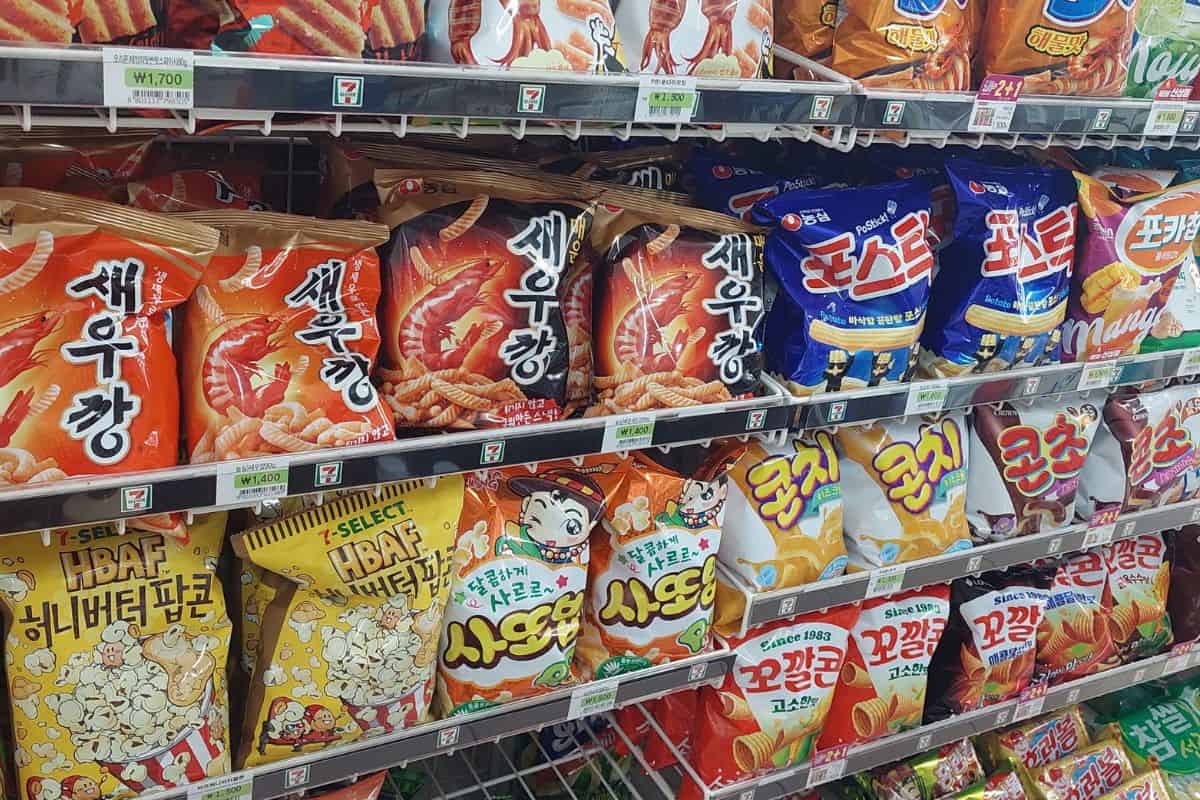
It's not just specialty grocery stores adjusting to this demand. Korean convenience store food trends have shifted noticeably toward fermented and probiotic-forward snacks and drinks, which says a lot about how mainstream the demand has become. When 24-hour convenience chains start stocking kombucha-adjacent products next to the usual triangle kimbap, that's a demand signal worth paying attention to.
🛒 Korean Brands Expanding Into Global Grocery Aisles
The export side of this trend is just as notable. A growing number of Korean food brands are showing up in grocery aisles well outside Korea, and fermented products are a meaningful part of that expansion, riding the same gut-health wave that's driving demand for kefir and kombucha more broadly.
📈 The Numbers Behind the Trend
This isn't a small shift. The global fermented foods market is projected to grow from roughly $273 billion in 2026 to over $400 billion by 2033, and more than 80% of consumers now say gut health matters to them, with over half expecting to prioritize it even more in the next few years. As industry coverage of the trend has noted, gut health has moved well past its early-adopter phase and is now driving mainstream product development across grocery categories.
🧑🍳 What to Actually Put in the Cart
Translating the trend into a real grocery list is simpler than it sounds: a jar of traditionally fermented kimchi (checked for live cultures rather than a vinegar-brined shortcut version), a tub of doenjang for soups and marinades, and a bottle of naturally fermented soy sauce cover most of the foundational bases. From there, it's mostly about frequency, working small amounts of these staples into meals regularly rather than treating any single product as a one-time fix.
❓ Frequently Asked Questions
Kimchi and doenjang are the easiest starting points, both widely available outside Korea now and mild enough in preparation to work into an existing diet without much adjustment.
Most traditionally fermented staples (kimchi, doenjang, gochujang) contain live cultures that support gut health, though pasteurized or shelf-stable versions may have reduced live-culture content compared to traditionally made versions.
Rising consumer awareness of the gut-immune system connection, paired with growing research support, has pushed gut health from a niche wellness topic into mainstream food marketing and product development.
Supplements can help, but whole fermented foods typically offer a broader range of live cultures and additional nutritional benefits that isolated supplements don't fully replicate.


Comments
No Comments