
Skincare gets most of the attention when people talk about Korean wellness exports, but there's a bigger, quieter industry doing just as much work: functional food. Korea's functional foods market reached roughly $9.4 billion in 2025 and is on track for about $10 billion in 2026, projected to climb to $16 billion by 2033. It's less photogenic than a serum, but it's arguably just as central to how Korea thinks about health.
Jump to:
💊 A Market Built on Prevention, Not Trend-Chasing
South Korea's functional food culture is structurally driven by high consumer awareness of the gut-brain axis and immune health, a rapidly aging population (over 20% will be 65 or older by 2026), and a deeply ingrained culture of preventive health. Around 70% of South Koreans actively seek out dietary supplements that support digestive function, which is a strikingly high number for what's often treated as a niche category elsewhere.
🦠 Probiotics Are the Category's Quiet Powerhouse
Probiotics now rank as the second most popular health functional food category in Korea, trailing only red ginseng. The domestic probiotics market is valued at roughly $437.5 million in 2026, with projected growth to $666.6 million by 2031. That's the same gut-health logic behind the fermented pantry staples we cover in our gut-health grocery haul guide, just packaged into a capsule or powder instead of a jar of doenjang.
🌿 What's Actually Driving Exports
Exports of Korean functional food ingredients are estimated at $400 to $550 million in 2026, driven mostly by probiotic strains, collagen peptides, and ginseng extracts. Korean probiotic makers have earned international recognition for strain stability and clinical documentation, which lets them command premium prices abroad rather than competing purely on cost. It mirrors the same clinical-first credibility that's helped ingredients like PDRN cross over from dermatology offices into mainstream skincare shelves.
🍚 Where Food and Supplement Culture Overlap
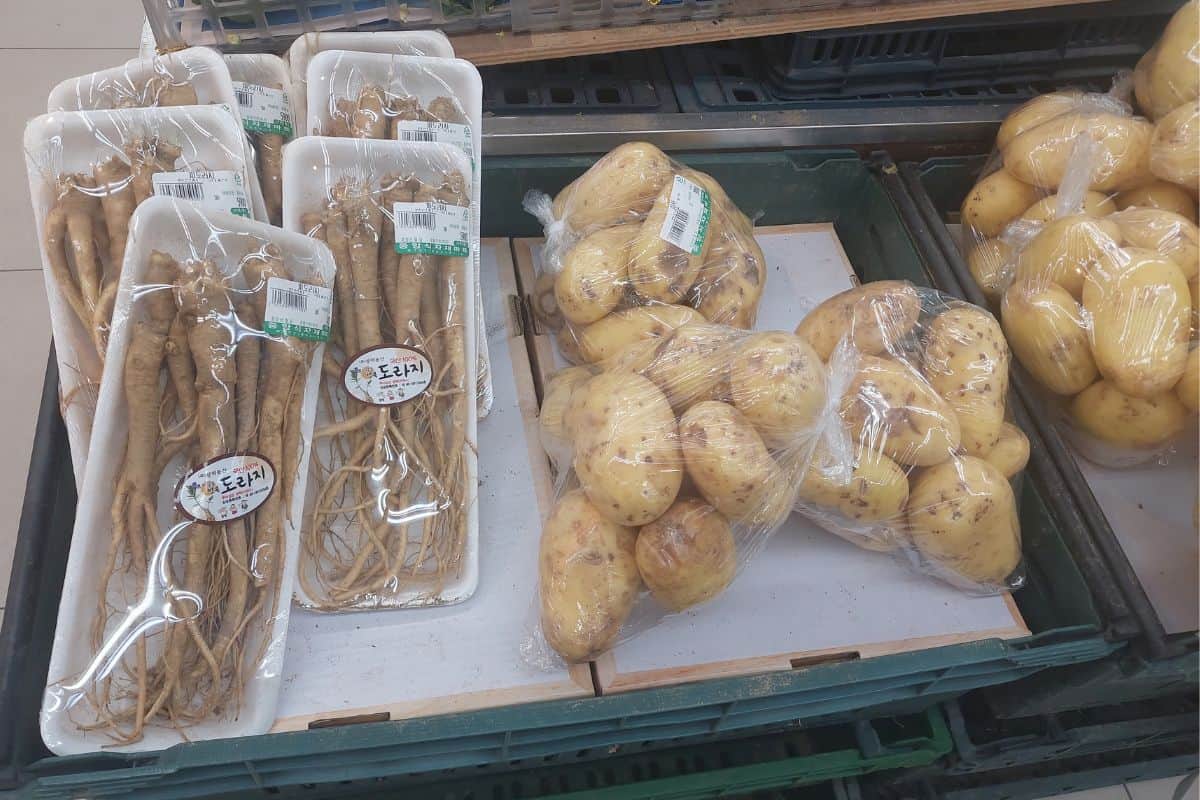
The line between "food" and "supplement" is unusually blurry in Korea compared to a lot of other markets. Red ginseng shows up in everything from candy to concentrated shots sold at convenience stores, and collagen peptides are marketed as both a beauty ingredient and a daily wellness habit, the same overlap driving the collagen boom we covered in our piece on collagen face masks. It's less about a single hero product and more about a culture where eating for long-term health is just assumed.
❓ Frequently Asked Questions
It's a regulatory and cultural category covering foods and supplements marketed for a specific health benefit beyond basic nutrition, things like immune support, digestive health, or joint function, often backed by clinical documentation required for certain claims.
Red ginseng has centuries of use in traditional Korean medicine behind it, giving it a level of cultural trust that newer ingredient categories are still building, even as probiotics and collagen peptides close the gap.
Not fundamentally, but Korean manufacturers have built a reputation for strain stability and rigorous clinical documentation, which has helped their products earn international recognition and command premium pricing abroad.
Yes, in ingredient overlap if nothing else. Collagen peptides and other actives popular in functional foods, like PDRN-adjacent bio-regenerative ingredients, are also driving major trends in Korean skincare, reflecting a broader "beauty from within" approach.


Comments
No Comments