
Anyone who has spent a night drinking soju with Koreans learns fast that the hangover cure isn't an afterthought — it's practically its own food category. There's a specific soup for it, a specific drink you grab at the convenience store, and everyone has an opinion about which one actually works.
Not every hangover fix in Korea involves a hot bowl of soup. Our piece on why chocolate milk became Gen Z's go-to hangover cure covers the sweeter, faster alternative that's taken over convenience store fridges.
A lot of that culture is downstream of how normalized drinking is here. If you want the context for why the night before looks the way it does, our breakdown of somaek, the soju-beer combo behind a good chunk of these mornings, is worth reading first.
Here are the five soups and four drinks Koreans actually reach for — not the tourist-guide version, the real one.
Jump to:
- 🧪 Why Korea Treats Hangovers Like a Science
- 🌱 Kongnamul-guk (Bean Sprout Soup)
- 🐟 Bukeoguk (Dried Pollock Soup)
- 🦴 Ppyeo-haejangguk (Ox Bone Soup)
- 🩸 Seonjiguk (Ox Blood Soup)
- 🥔 Gamjatang (Pork Bone Potato Stew)
- 🍐 Korean Pear Juice
- 💊 Condition
- 🧪 Bacchus-D
- ☀️ Morning Care
- 🛒 Where to Actually Get These
- ❓ Frequently Asked Questions
- 💬 Comments
🧪 Why Korea Treats Hangovers Like a Science
Korea's drinking culture is built around group rounds and long nights, so the hangover cure industry had to keep up. That's why there's an entire aisle for it in most convenience stores, and why an entire category of soup, haejang-guk, exists almost entirely for this one purpose. None of this is folk medicine exactly — some of it has real research behind it, and some of it is just what worked well enough that it stuck around for decades.
🌱 Kongnamul-guk (Bean Sprout Soup)
Kongnamul-guk is the soup most Koreans will name first. It's a light, slightly spicy broth built around soybean sprouts, and it's popular specifically because it's easy on a rough stomach while still being warm and savory enough to feel like real food.
Bean sprouts are also genuinely high in asparagine, an amino acid some research has linked to easing hangover symptoms, which is part of why this soup keeps showing up on hangover-cure lists that aren't just repeating folklore.
🐟 Bukeoguk (Dried Pollock Soup)
Bukeoguk is a clear, mild broth made from dried pollock, and it's often the soup people reach for when kongnamul-guk feels too plain but a spicy stew still sounds unbearable. The dried fish gives the broth a deep savoriness without adding heat.
It's a common breakfast order specifically because it's gentle. You'll see it on menus near business districts and older neighborhoods where a quiet, no-frills hangover breakfast is a daily ritual, not a special occasion.
🦴 Ppyeo-haejangguk (Ox Bone Soup)
This is the heavier option. Ppyeo-haejangguk is made by boiling ox bones for hours until the broth turns rich and slightly gelatinous, usually with potatoes, napa cabbage, and chunks of meat still clinging to the bone.
It's less about being gentle and more about replacing whatever your body burned through the night before. This is the soup people order when they want to actually feel full afterward, not just settled.
🩸 Seonjiguk (Ox Blood Soup)
Seonjiguk is the one that surprises visitors most. It's made with congealed ox blood, similar in texture to blood pudding, simmered in a spicy broth with radish and vegetables. It looks intense on the menu, but the texture is closer to soft tofu than anything alarming.
It's iron-rich and filling, which is exactly the reputation it has: a soup for people who want their hangover cure to double as an actual meal.
🥔 Gamjatang (Pork Bone Potato Stew)
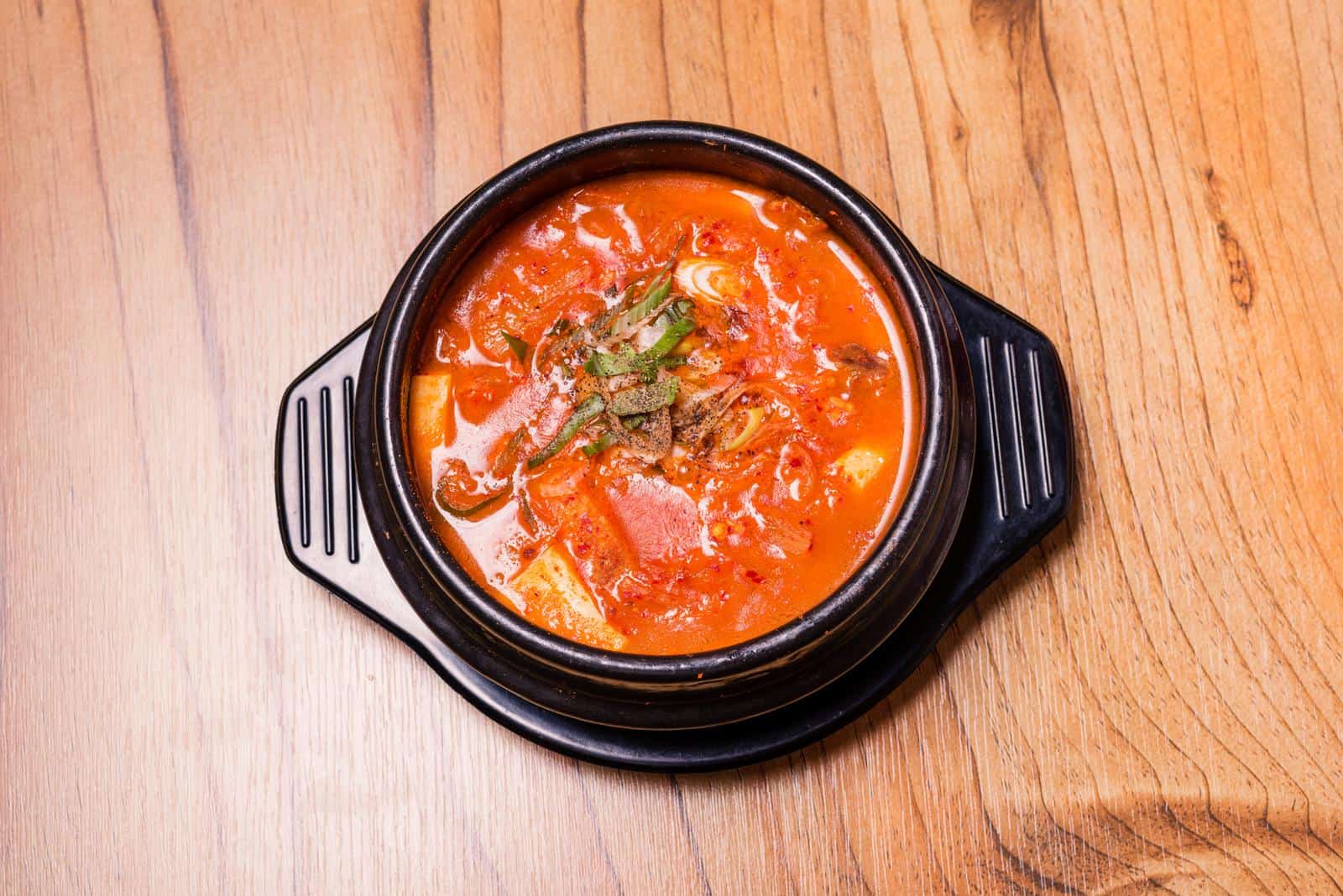
Gamjatang isn't always filed under hangover food, but it functions as one constantly. It's a spicy stew built on pork spine bones and potatoes, often ordered late at night as a second stop after drinks or the next morning as the cure itself.
It's spicier and heavier than the other soups on this list, which is exactly why some people swear by it — the theory being that sweating through a spicy meal resets you faster than a mild broth ever could.
🍐 Korean Pear Juice
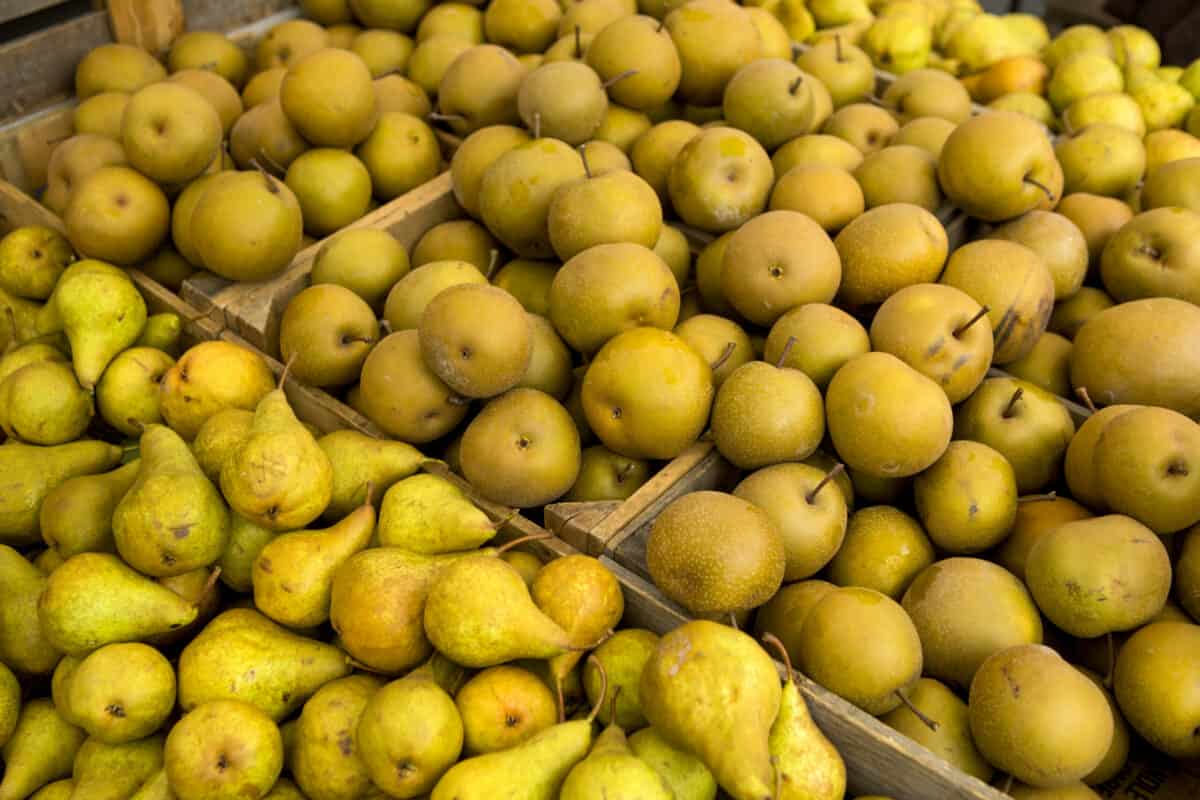
Korean pear juice is the one hangover remedy that's actually been studied. Research has looked at whether compounds in Korean pear (a variety that's notably larger and juicier than Western pears) can help the body process alcohol faster, and early findings have been promising enough that it shows up constantly in hangover-food roundups outside Korea too.
The catch is timing: most people drink it before or during a night out, not the morning after, since the theory is about slowing alcohol absorption rather than reversing a hangover that's already set in.
💊 Condition
Condition is one of the most recognizable hangover products in Korea, sold as a small bottled drink you're meant to take before you start drinking, not after. It's marketed around liver support ingredients, and it's become common enough that ordering a round of shots alongside a round of Condition isn't unusual at a company dinner.
🧪 Bacchus-D
Bacchus-D predates most of the newer hangover products by decades. It's a small energy tonic that's less about hangover prevention specifically and more about a general pick-me-up, but it's been part of Korean drinking and recovery culture for so long that it's practically a cultural fixture rather than just a product.
☀️ Morning Care
Morning Care is the modern, more clinical-feeling option — usually a small vial or shot marketed specifically around next-day recovery, with milk thistle or similar liver-support ingredients front and center on the label. It's become one of the default grabs at a convenience store counter the morning after.
🛒 Where to Actually Get These
Every one of these drinks is sold at basically any Korean convenience store, usually near the register or in a small fridge section by itself. If you want a broader sense of what else those stores carry and why they're worth exploring beyond just hangover drinks, our guide to what makes Korean convenience stores unique covers that. The soups are easiest to find at small local restaurants that open early, since a lot of them cater specifically to the breakfast hangover crowd.
If you're curious what else Koreans drink besides soju in the first place, our list of Korean drinks that aren't soju is a good next stop.
❓ Frequently Asked Questions
Kongnamul-guk (bean sprout soup) is the one most Koreans name first, mainly because it's gentle enough to eat first thing in the morning while still being warm, savory, and filling.
Before or during, not after. The theory behind Korean pear juice is that it helps slow how the body processes alcohol, so it's meant to be preventive rather than a cure once the hangover has already set in.
Some of them show up in Korean grocery stores and H-Marts abroad, but availability is inconsistent. Bacchus-D has the widest international reach since it's been around the longest.
Kongnamul-guk and bukeoguk can be made or ordered in lighter, less meat-heavy versions, but most traditional haejangguk recipes are built around beef, pork, or fish broth, so options are limited for strict vegetarians.


Comments
No Comments