
Seongsu used to be known more for factories and workshops than for lines outside brand activations. Now it is one of Seoul’s biggest trend neighborhoods, and pop-ups are a huge reason why.
Seoul’s official tourism channels describe Seongsu as the place where Gen MZ trends are born and spread, with new pop-ups opening constantly alongside flagship stores, cafés, and cultural spaces. Travel Korea also notes that the area’s old industrial look helped turn it into a hot spot for “emotional consumption,” meaning people come not just to shop, but to feel something, photograph it, and remember it.
That is why Seongsu does not feel like normal retail. It feels like the whole neighborhood is one big rotating event.
Jump to:
- 🏙️ Why Seongsu Became Seoul’s Pop-Up Capital
- 🛍️ What Seongsu Pop-Up Culture Actually Looks Like
- 📸 Why Seongsu Pop-Ups Blow Up on Social Media
- ⏳ The Queue Culture: Waiting, Timing, and FOMO
- ☕ Pop-Ups, Cafés, and the Full Seongsu Day-Out Feel
- 🎨 What Makes Seongsu Feel Different From Regular Retail
- 💡 Tips for Enjoying Seongsu Pop-Up Culture Without the Stress
- ❓ Frequently Asked Questions About Seongsu Pop-Up Culture
- 💬 Comments
🏙️ Why Seongsu Became Seoul’s Pop-Up Capital
A lot of Seongsu’s appeal comes from contrast. The area still carries traces of its industrial past, with old factories, red-brick buildings, and workshop-style streets, but those spaces now sit next to polished cafés, design stores, and temporary brand worlds. Visit Seoul highlights Yeonmujang-gil as a street where the industrial traces of former shoe factories blend with newer cultural energy, while Time Out describes Seongsu as a former hub for leather, printing, and shoemaking that has evolved into one of the coolest neighborhoods around.
That mix makes brands love it. Seongsu feels less polished than a department store and more interesting than a standard shopping street. A pop-up here can feel edgy, artsy, and “discovered,” even if thousands of people are already posting it.
🛍️ What Seongsu Pop-Up Culture Actually Looks Like
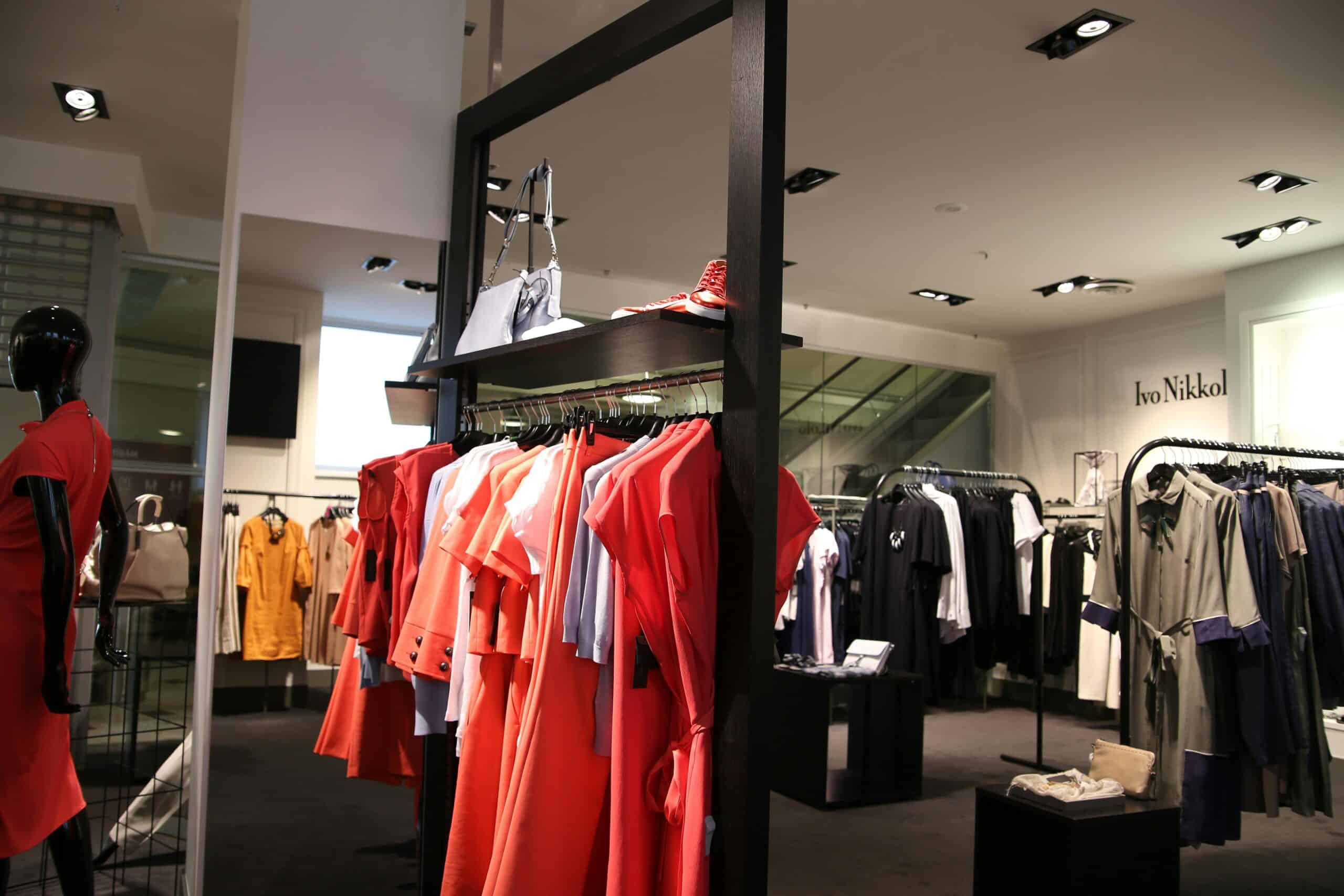
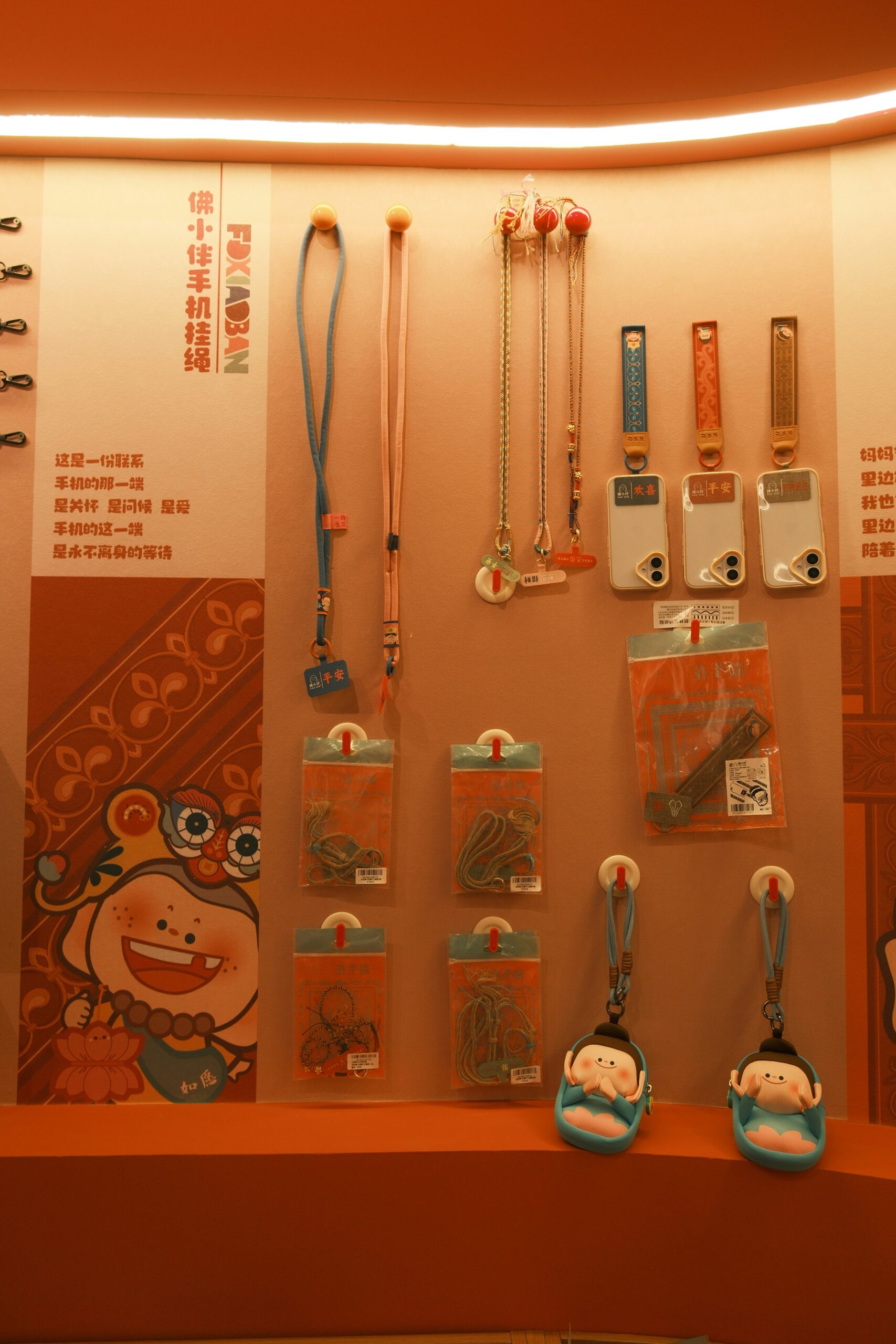
A Seongsu pop-up is usually not just a shop. It is more like a short-lived mini world.
You walk in and usually get some combination of:
- a themed entrance or facade
- photo zones
- limited merch
- interactive displays
- drinks, desserts, or freebies
- a space designed to make you stay longer than a normal store would
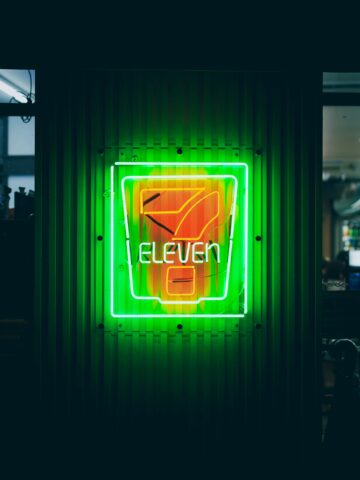
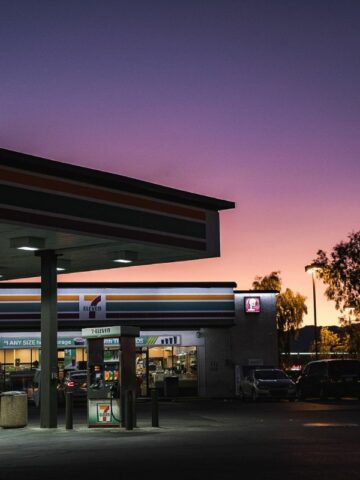
That is part of why brands keep choosing the neighborhood. Korea JoongAng Daily reported that even convenience-store companies are now opening specialty branches in Seongsu because the area draws Gen Z and younger millennials looking for trends and experiences, not just products.
So when people say they are “going to a pop-up” in Seongsu, they usually do not mean they are running in and out in ten minutes. They mean they are building part of their day around it.
📸 Why Seongsu Pop-Ups Blow Up on Social Media
Seongsu is basically built for “I need to post this before everyone else does” energy.
The pop-ups work online because they usually have three things:
- they are visually strong
- they are limited-time
- they make people feel like they found something current
Vogue recently described Seoul retail as a space where pop-ups, art installations, and social-media shareability all blend together, and Seongsu keeps showing up as one of the strongest examples of that. Visit Seoul’s 2025 trend report says new pop-ups open there constantly, which helps explain why people feel pressure to go now, not later.
It is also why one pop-up can flood your feed for two weeks and then disappear like it never happened.
⏳ The Queue Culture: Waiting, Timing, and FOMO
The line is part of the Seongsu experience.
Sometimes it is because capacity is limited. Sometimes it is because there are timed-entry systems, freebies for early visitors, or exclusive products that sell out quickly. Sometimes it is just because the pop-up is hot and everyone wants the same photo.
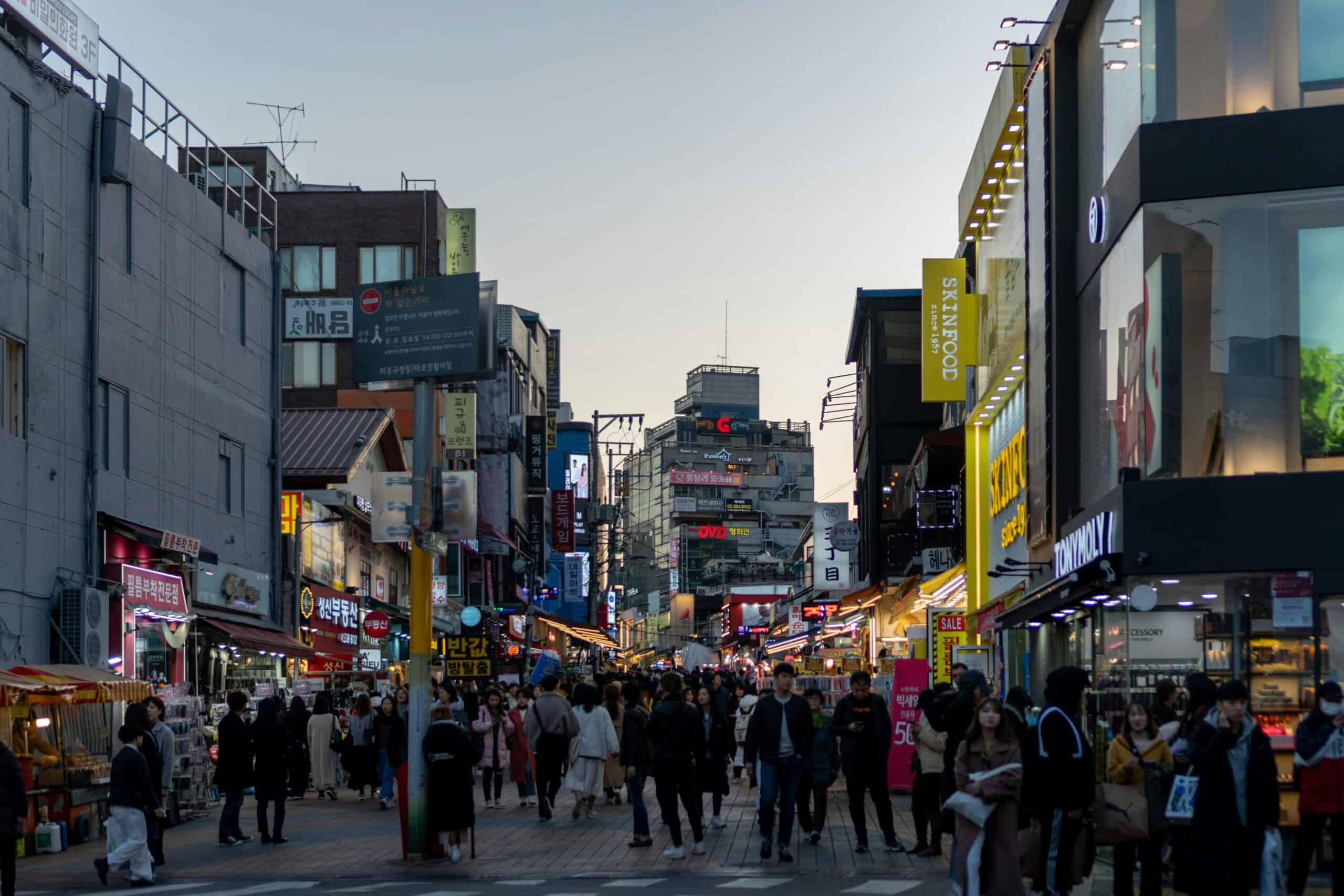
Recent reporting paints a pretty clear picture: Seongsu is packed on weekends, lined with stylish pop-ups, and full of people who very much know they are in a place where trends happen. Korea Times and Korea JoongAng Daily both covered major Seongsu pop-ups in late 2025, from entertainment-themed events to specialty retail spaces, and both emphasized the crowds and the immersive experience as part of the draw.
That means the fear of missing out is real. If something only runs for two weeks and your whole feed is suddenly there, people will line up.
☕ Pop-Ups, Cafés, and the Full Seongsu Day-Out Feel
One reason Seongsu works so well is that it is not a one-stop area. Even if you only have one pop-up in mind, the neighborhood naturally turns into a full day out.
A normal Seongsu plan often looks like this:
- one pop-up
- one café
- one concept store or flagship
- a slow walk around the side streets
- maybe another pop-up you did not know existed until you saw the queue
That is also why brands keep investing in bigger, more permanent-feeling spaces here. Vogue’s feature on Seoul retail and its separate piece on Gentle Monster’s Haus Nowhere both point to Seongsu as a place where immersive retail and culture blend together especially well. Haus Nowhere itself is a huge example of that mindset: not just a store, but a giant experience space in the middle of Seongsu.
🎨 What Makes Seongsu Feel Different From Regular Retail
The biggest difference is that Seongsu pop-ups feel experimental.
Brands seem more willing to test:
- bolder interiors
- more playful layouts
- temporary concepts
- niche collaborations
- strange but memorable visual ideas
That fits what both Visit Seoul and broader culture coverage keep saying about the area: Seongsu is where newer tastes spread fast, especially among younger consumers. It is not only a place to sell things. It is a place to test whether people care enough to line up, post, and come back with friends.
That is also why the neighborhood can feel exciting even when you do not buy much.
💡 Tips for Enjoying Seongsu Pop-Up Culture Without the Stress
A few things make the experience much easier:
Go early for popular pop-ups. Weekends get crowded fast, and some activations feel busiest from late morning onward. Reporting and visitor guides both suggest that queues and high foot traffic are just part of the Seongsu reality now.
Check socials before you go. Pop-ups often post reservation info, entry rules, dates, and merch limits on Instagram or event pages first.
Wear comfortable shoes. Seongsu is best on foot, and a “quick stop” easily turns into hours.
Have a backup plan. Even if you miss one pop-up, the neighborhood still has enough cafés, shops, and streets to make the trip worth it.
❓ Frequently Asked Questions About Seongsu Pop-Up Culture
Yes. The neighborhood itself is part of the appeal. Even official Seoul tourism content presents Seongsu as a full trend district, not just a single-event destination.
Many are, but some use reservations, timed entry, or special purchase rules. It depends on the brand and the event.
Not necessarily. A lot of pop-ups are visually driven, and staff in trend-heavy areas are used to visitors. You can usually get by with simple English, translation apps, and screenshots.
Comments
No Comments