
Bokbunja, also known as the Korean raspberry, is a unique fruit native to Korea, Japan, and China. These berries, scientifically named Rubus coreanus, are often called Korean blackberries or Korean brambles.
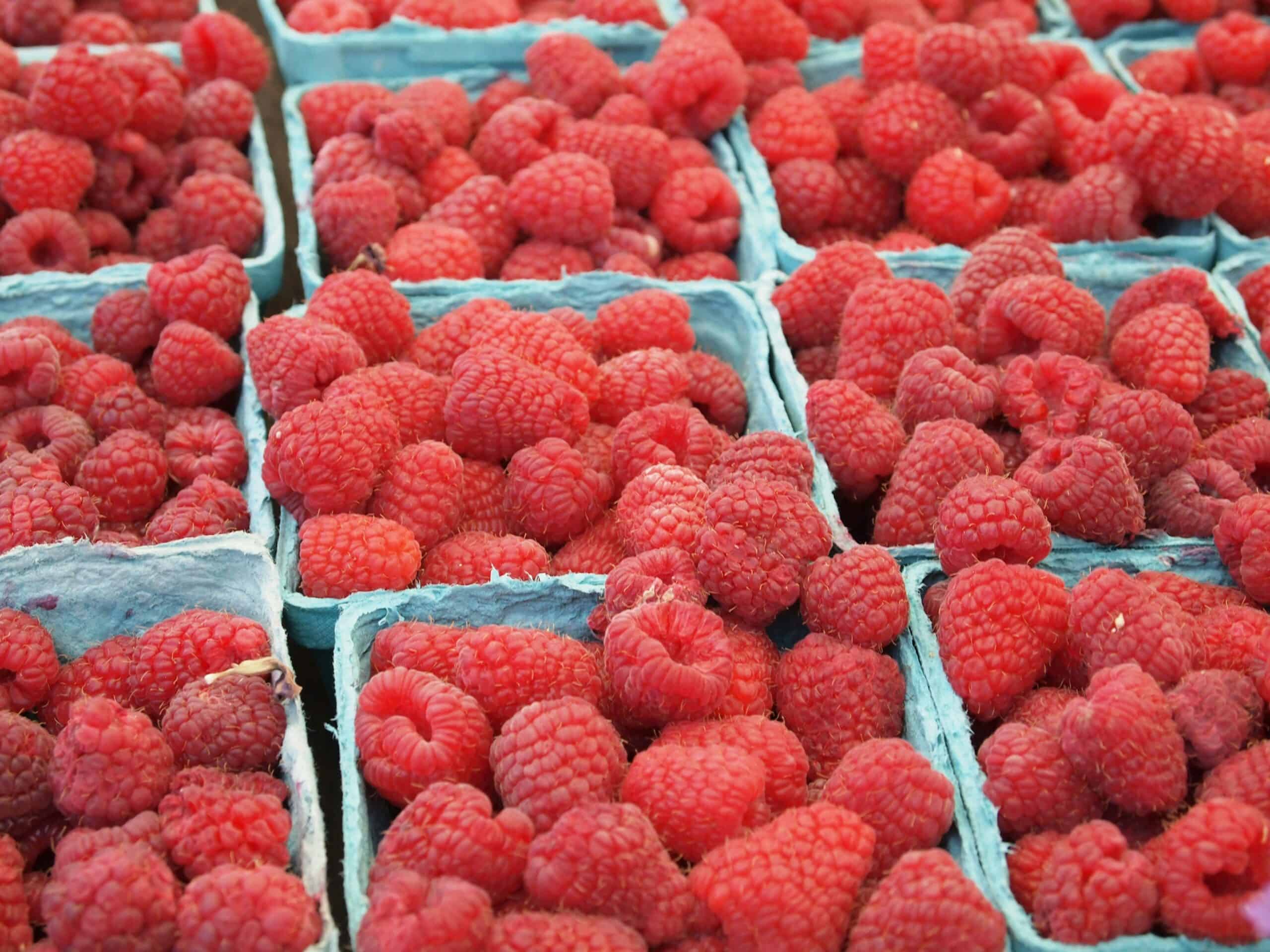
They are renowned for their health benefits and are commonly used to make a special fruit wine called bokbunja-ju. If you visit Korea during the summer months, you might see these berries harvested and sold in local markets.
The appeal of bokbunja isn't just in its taste but also in its health perks. Many people consume bokbunja for its purported benefits, such as improved eye health and enhanced brain functions. These berries are rich in vitamins and minerals, which make them a valuable addition to anyone's diet.
Bokbunja can be enjoyed in various ways, from fresh berries to fermented wine. The deep, rich flavor of bokbunja-ju has made it a popular choice among locals and a fascinating find for visitors.
If you're curious about trying something new and healthy, bokbunja might be the perfect addition to your culinary adventures.

Jump to:
🫐 What Is Bokbunja?
Origins and Classification
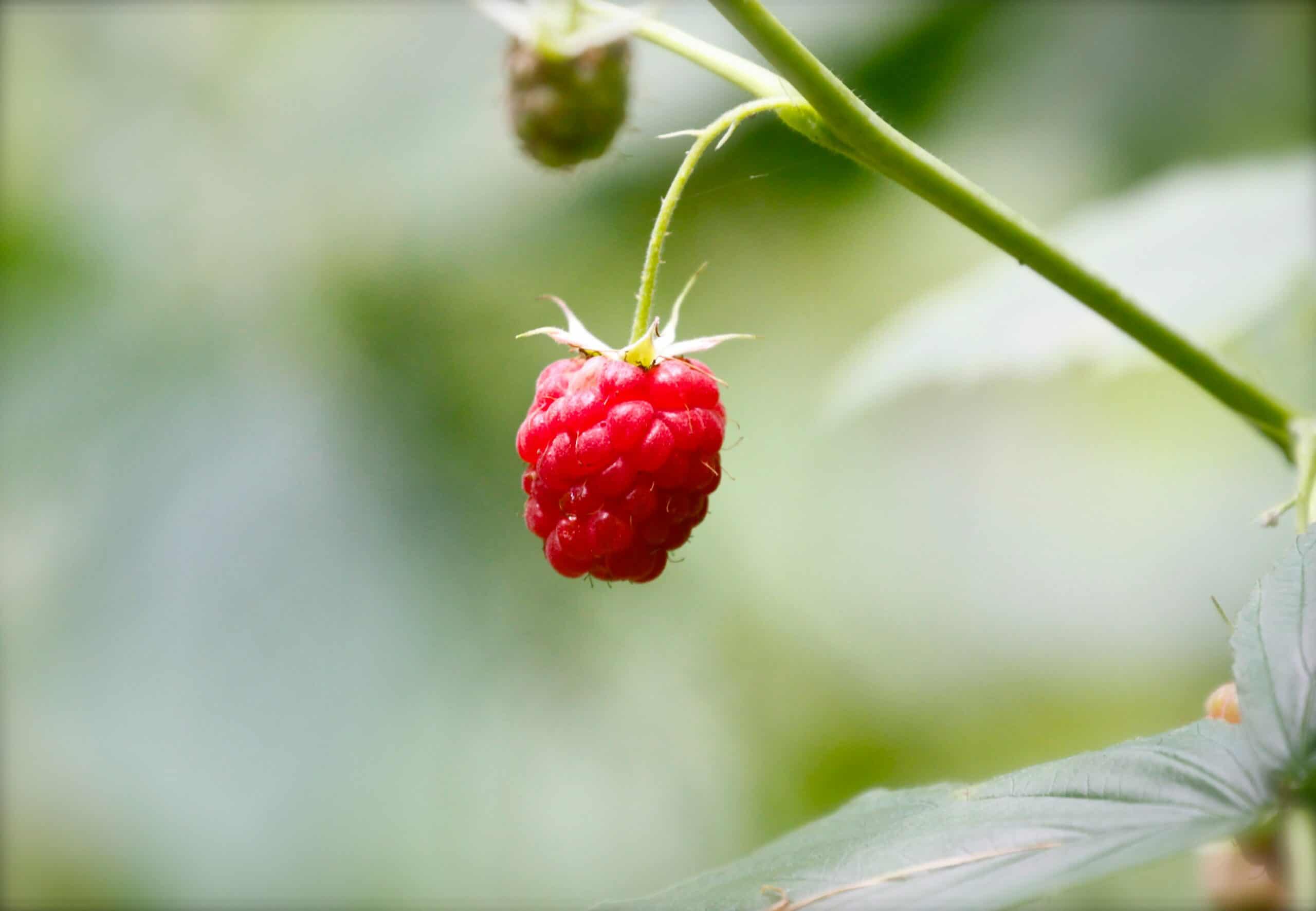
Bokbunja is derived from a type of black raspberry native to East Asia, particularly Korea, Japan, and China. It's scientifically known as Rubus coreanus.
These berries have been part of Korean culture for centuries and are sometimes called Korean blackberries. Traditional bokbunja wine was historically made from wild and cultivated raspberry varieties.
In recent years, Rubus occidentalis, a species originally from North America, has also been used for bokbunja wine production. Despite the mix, the essence of the wine remains deeply rooted in Korean traditions.
Physical Characteristics
The black raspberries used in bokbunja are small, round, and dark-colored. Their deep hue is due to high levels of natural pigments called anthocyanins. These pigments give the raspberries their rich color and contribute to their antioxidant properties.
When ripe, the berries are juicy and flavorful, combining sweetness with a slight tartness. This flavor profile makes bokbunja wine especially tempting. The rich pigments in the berries impart a dark red, almost black color to the wine, adding to its visual appeal.
These berries are not true in the botanical sense, but they are widely appreciated for their unique taste and health benefits, like boosting eye health and enhancing concentration.
🥧 Culinary and Commercial Uses
Bokbunja in Traditional Korean Alcohol
Bokbunja is often used to make a popular wine called bokbunja-ju. This wine is made from fermented Korean black raspberries and is famous for its deep red color and rich flavor.
The taste is both sweet and slightly tart, making it appealing to a wide audience. Bokbunja-ju typically has an alcohol by volume (ABV) of about 15%, making it a strong yet enjoyable drink.
Fermentation is a crucial part of the process, as it enhances the flavor and preserves the fruit's natural sweetness. The wine is commonly enjoyed in Korean social gatherings and traditional ceremonies.
Other Bokbunja Products
Beyond wine, bokbunja is used in a variety of other products. One popular option is bokbunja extract, often added to juices and smoothies for its health benefits and vibrant color. These extracts are usually made in high-tech production facilities to ensure top quality and purity.
Another common product is bokbunja vinegar. This vinegar is prized for its unique taste and potential health benefits. It can be used in salad dressings or even consumed directly for its supposed health properties.
Finally, bokbunja honey, which combines the fruit with honey, offers a natural sweetener for teas and desserts. The blend of sweet honey and the tartness of bokbunja provides a delightful flavor combination.
🧑⚕️ Health Benefits and Nutritional Value
Nutrient Content
Bokbunja is packed with vitamins and minerals that contribute to its health benefits. It contains vitamin C, which is important for immune function and skin health, and iron, which helps prevent anemia.
These berries are also high in dietary fiber, which promotes a healthy digestive system and helps lower cholesterol levels, reducing the risk of heart disease. The antioxidants in bokbunja, especially anthocyanins and polyphenols, protect cells from damage and reduce inflammation.
Additionally, these berries contain other important nutrients, including calcium and potassium, which contribute to bone health and proper muscle function. Their low-calorie and high water content make them a great addition to a balanced diet.
Potential Therapeutic Effects
Bokbunja has several potential therapeutic effects. Their high levels of antioxidants can help slow the aging process and improve skin health. These berries are also believed to support eye health by reducing the risk of macular degeneration.
The polyphenols present in bokbunja may reduce the risk of certain cancers. They're thought to have anticancer properties by preventing the growth and spread of cancer cells. Anthocyanins in these berries help improve blood circulation and stamina, benefiting cardiovascular health.
Bokbunja can also help boost energy levels and reduce fatigue, enhancing stamina and performance. Additionally, their nutrients support bone health, making them beneficial for people of all ages.
Combining low-calorie content and essential nutrients makes bokbunja a valuable addition to a healthful diet.
🚜 Agricultural and Environmental Studies
Agricultural research focuses on the best practices for growing bokbunja sustainably. Studies show that bokbunja can thrive in various soil conditions, which is good news for diverse climate regions. This flexibility may lead to increased crop yields and support sustainable practices.
Researchers are also looking at the environmental impact of cultivating bokbunja. Efforts are being made to improve soil health and reduce the use of chemical fertilizers.
Sustainable farming methods are essential for maintaining the balance of local ecosystems, making bokbunja a promising candidate for eco-friendly agriculture.
🍷 Bokbunja in the Beverage Industry
Processing and Production
Bokbunja is often used to make wine and other alcoholic beverages. The production process starts with harvesting the berries, which can be either wild or cultivated varieties. The berries are then cleaned and mashed.
Fermentation is key in producing bokbunja wine. The mashed berries are usually fermented with rice or other grains. Traditional methods involve letting the berries ferment naturally over several months, which helps develop the rich, fruity flavor.
Soju can also feature bokbunja as a flavoring. In this case, the berries are soaked in the distilled spirit, transferring their essence to the alcohol. This creates a sweeter, raspberry-infused soju that's enjoyed by many.
Market and Trends
Bokbunja beverages have seen growing popularity in the alcohol market. With an increasing interest in unique and traditional wines, bokbunja wine meets consumer demands for new and exciting flavors.
Trends show that consumers are drawn to the potential health benefits of Korean fruit wines. Bokbunja wine is often marketed with health claims, such as improved stamina and antioxidant properties, which appeal to health-conscious buyers.
Retailers and producers are also exploring new markets outside Korea. As the global interest in Korean cuisine grows, so does the demand for traditional drinks like bokbunja wine.
This expansion is helping to introduce these unique beverages to a broader audience, ensuring their place in the international wine industry.
📜 Cultural Significance
Bokbunja in Korean Tradition
In Korea, bokbunja has been cherished for centuries. Traditionally, these berries, known as bokbunja in Hanja (覆盆子), have been used to create bokbunja-ju, a popular fruit wine. The name in Hanja translates roughly to "pot-overturning berry," hinting at its legendary potency.
Bokbunja-ju is often homemade, steeping the berries to enhance the wine's rich flavor. It's said to have various health benefits, including improving stamina and vitality. As a result, bokbunja-ju is often served during special occasions, celebrations, and ancestral rites, symbolizing good health and prosperity.
The fruit's deep red color is also associated with vitality and longevity, making it a common gift among friends and family.
Bokbunja beyond Korea
Outside Korea, bokbunja is gaining popularity, especially in culinary and alcoholic beverages. The berries, known as Korean bramble or Korean black raspberry, have started appearing in international markets.
Bokbunja-ju, the fruit wine, has intrigued many with its unique taste and reported health benefits. It's now featured in various food and wine festivals, introducing new audiences to this traditional Korean drink.
Chefs and home cooks are experimenting with bokbunja, adding a unique twist to desserts, sauces, and marinades. The berry’s rich flavor and vibrant color add a splash of authenticity and exotic appeal to dishes, bridging culinary traditions and modern tastes.
Korean restaurants worldwide also highlight bokbunja-ju on their menus, inviting diners to experience a taste of Korean culture with every sip.
🔪 Culinary Applications
Cooking With Bokbunja
Bokbunja can be used in many recipes, from desserts to savory dishes. One popular use is in sauces and marinades. The sweet and sour berries make them an excellent base for glazes on meats like pork and chicken.
Bokbunja adds a tangy twist to desserts. It's often used in jams, jellies, and syrups. A drizzle of bokbunja syrup can elevate pancakes, ice cream, and yogurt.
Traditional Korean cooking also loves bokbunja wine. This dessert wine served chilled, is sometimes used in dishes to add depth of flavor. It pairs well with rice-based dishes, including rice cakes and sweet drinks.
Pairing Flavors
When pairing bokbunja, consider its strong, sweet, and sour taste. It complements rich, savory dishes and brightens up lighter fare.
For savory foods, bokbunja pairs well with meats. The berry’s natural acidity cuts through the richness of fatty cuts like pork belly. Bokbunja glazes, or sauces can add complexity to roasted duck or grilled chicken.
For sweet pairings, bokbunja goes well with honey and other fruits. In desserts, the combination of bokbunja and honey creates a delightful balance. Consider using bokbunja with fruits like pears, apples, and citrus to make refreshing salads or desserts.
Bokbunja's versatility in the kitchen makes it a fantastic ingredient to experiment with in different culinary applications.
🌳 Agriculture and Production
Farming Practices
Bokbunja farming is highly concentrated in regions like Gochang. The area's yellow soil, abundant nutrients, and minerals create an ideal environment for cultivation. Farmers opt for organic approaches, avoiding chemicals to maintain the purity of the produce.
Constant ocean breezes help regulate the temperature and keep the plants healthy. Additionally, carefully spacing the bushes ensures each plant gets enough sunlight and airflow, reducing the risk of pests and diseases.
Harvesting and Processing
Harvesting bokbunja berries involves picking ripe fruits by hand. This gentle method minimizes damage to the delicate berries. Harvest season typically spans mid-summer, allowing the full flavor to develop under Korea's sunny skies.
Processing begins immediately after harvesting to preserve freshness. The berries are cleaned, sorted, and often immediately frozen to maintain quality. Some are used fresh, while others are used for making jams, juices, and wines.
Fermentation and Aging
Fermenting bokbunja berries into wine is a traditional practice. Once harvested and cleaned, the berries undergo a natural fermentation process. Traditionally, bokbunja wine was made using wild berries, but now, cultivated ones are also used.
Fermentation periods can vary, but the product is typically aged to enhance flavor. The aging process allows the unique taste of Korean mountain raspberries to deepen, resulting in a rich, complex wine enjoyed by many. Using modern techniques alongside traditional methods ensures the final product's quality and consistency.
❓ Frequently Asked Questions
Bokbunja has a distinct, sweet, and slightly tart flavor. It's often described as a mix of raspberry and a blackberry, with a rich, deep berry taste.
Drinking bokbunja wine can help improve eye health and brain development. It may also enhance concentration and focus. Bokbunja is known for its antioxidant properties and can benefit people of all ages.
Bokbunja wine is crafted using Korean wild black raspberries, which are harvested from May to July. The fruit is then fermented to produce the wine, which captures the berries' unique flavors and health benefits.
Bokbunja is native to Korea, Japan, and China. It has high levels of anthocyanins and other tannin structures contributing to its antioxidant properties, setting it apart from other raspberry varieties.
Bokbunja wine typically has an alcohol content of around 15-20%. This is slightly higher than many fruit wines, making it a unique choice for wine enthusiasts.
Bokbunja wine is generally priced higher than other fruit wines due to its specialized production process and the limited regions where bokbunja grows. The unique health benefits and flavors also contribute to its premium pricing.



Comments
No Comments