
Korean cuisine is renowned for its bold flavors, often accompanied by a notable level of heat. However, not everyone has a palate for spicy food, or sometimes, one might simply crave something milder.
For those who enjoy the depth of Korean flavors without the fiery kick, a variety of non-spicy Korean foods are equally capable of delighting the taste buds. These dishes offer a window into Korea's diverse culinary landscape, perfect for those who are traveling or exploring Korean culture through its cuisine.
One can begin their culinary journey with Kimbap, a popular Korean dish reminiscent of sushi, but filled with an assortment of ingredients such as vegetables, egg, and sometimes meat or fish. It's a versatile snack that can be enjoyed on-the-go, making it a common sight at picnics and casual gatherings.
Another staple to try is Bibimbap, a mixed rice dish typically served with a variety of sautéed vegetables, a fried egg, and sliced meat, all atop a bed of warm rice.
Each dish in the wide spectrum of non-spicy Korean foods provides an opportunity to taste the country's rich culinary history without the heat.
From savory bulgogi, marinated and grilled beef, to comforting Seolleongtang, a milky beef bone soup, there's a delightful array of flavors awaiting those who seek the milder side of Korean food. Whether one is exploring Korea's vibrant food streets or recreating these classic dishes at home, the experiences are sure to be memorable.
Jump to:
Staple Ingredients in Non-Spicy Korean Foods
Korean cuisine is known for its variety, including an array of non-spicy dishes that are as delicious as their fiery counterparts. These dishes are often characterized by their use of staple ingredients such as rice, noodles, meats, seafood, and a variety of vegetables, all seasoned with classic condiments like soy sauce and sesame oil.
Rice-Based Dishes
Rice is fundamental to Korean meals and serves as the base for many non-spicy dishes.
Bibimbap features a bed of rice topped with an assortment of vegetables, a fried egg, and sometimes meat, all mixed with a savory sauce. It highlights the harmony of different textures and tastes (Bibimbap recipe).
Kimbap, resembling sushi rolls, are rice rolls filled with ingredients such as spinach, pickled radish, and egg, offering a nutritious on-the-go snack or meal (Kimbap recipe).
Lastly, Juk, a comforting rice porridge, can be a gentle, nourishing meal, often served with mild toppings like pumpkin or seafood (Juk recipe).
Wheat and Noodle Dishes
Wheat and noodles form the base of many satisfying Korean dishes.
Japchae combines sweet potato starch noodles with a colorful mix of vegetables and sometimes thinly sliced beef, all tossed in a lightly sweet and savory sauce (Japchae recipe).
Mandu are savory dumplings filled with ingredients like minced pork, tofu, and green onions, typically steamed or fried to a delicate finish (Mandu recipe).
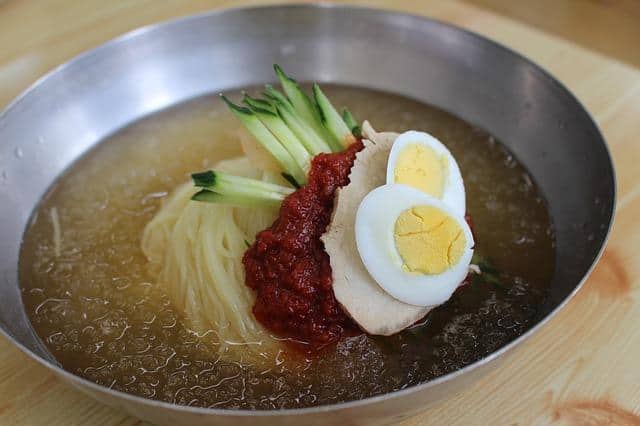
For noodle soup lovers, Kalguksu, or knife-cut noodle soup, is a heartwarming dish of handmade, chewy noodles served in a rich, non-spicy broth (Kalguksu recipe).
Meat Dishes
Korean meat dishes often feature sweet and savory flavors without the inclusion of spice.
Bulgogi is made with thinly sliced beef marinated in a mix of soy sauce, sugar, and garlic, then grilled or stir-fried to perfection (Bulgogi recipe).
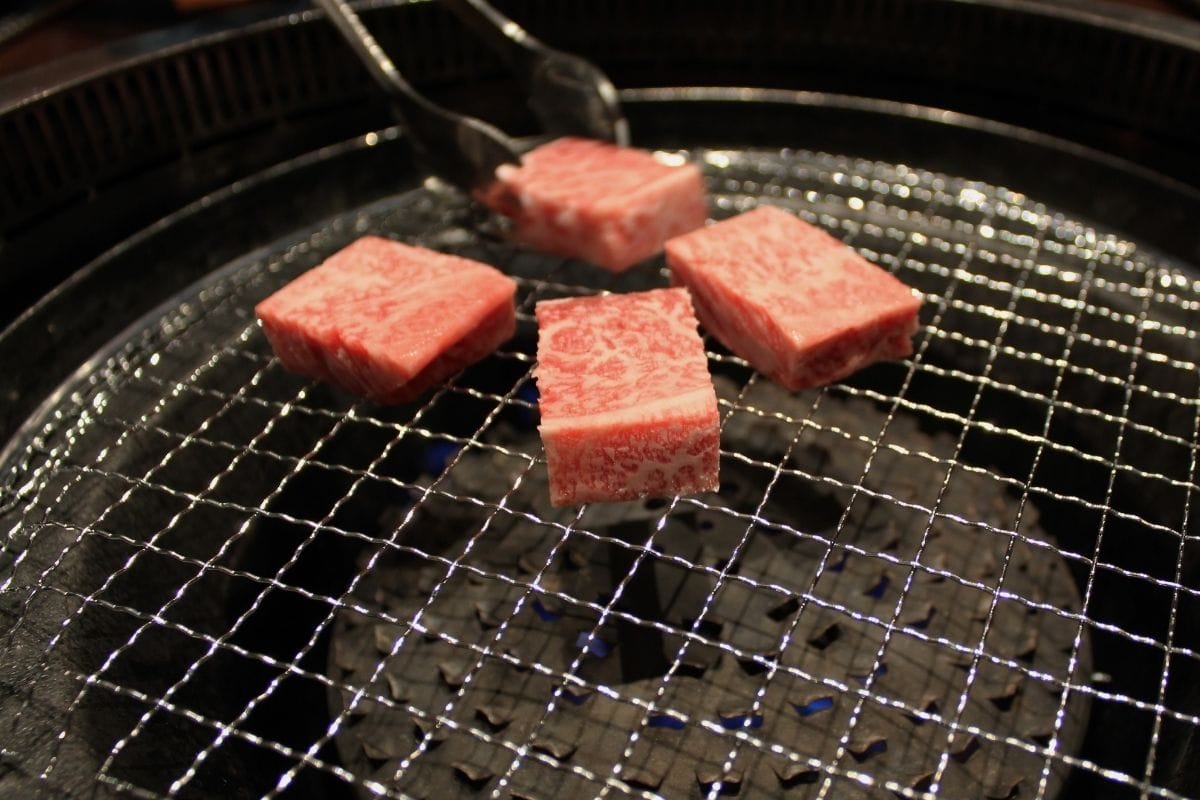
Galbi involves tender ribs, usually marinated and then grilled, presenting a delightful combination of flavors that come from the meaty ribs and the sweet marinade (Galbi recipe).
Additionally, Korean fried chicken is beloved for its crispy exterior and tender meat, which can be enjoyed without hot sauce for a non-spicy treat (Korean fried chicken recipe).
Seafood Varieties
Seafood is a major component of the Korean diet and is featured in an array of non-spicy dishes.
Haemul Pajeon, a savory pancake filled with scallions and a variety of seafood, makes for a satisfying meal with a crisp texture and ocean-fresh flavor (Haemul Pajeon recipe).
Eomuk Bokkeum refers to stir-fried fish cakes, which are a common side dish with a pleasant chewy texture (Eomuk Bokkeum recipe).
Hwedeopbap is a bowl of sashimi over rice with vegetables and a sweet and tangy sauce, perfect for a refreshing and filling lunch or dinner (Hwedeopbap recipe).
Vegetarian Delights
For those who prefer plant-based options, Korean cuisine offers numerous vegetarian delights.
Doenjang Jjigae, a soybean paste stew, is a staple in Korean households—warm, comforting, and packed with tofu and vegetables (Doenjang Jjigae recipe).
Kongguksu is a cold noodle dish in a chilled soy milk broth with a subtle nutty flavor, ideal for hot summer days (Kongguksu recipe).
Vegetarians can also enjoy Mandu with a variety of veggie fillings for a satisfying snack or meal (Vegetarian Mandu recipe).
Traditional Non-Spicy Dishes
Korean cuisine offers a plethora of flavors beyond its famed spiciness. Traditional non-spicy dishes are equally significant, satisfying diverse palates with a range of soups, stews, porridges, and grilled delights.
Soups and Stews
Seolleongtang, a milky beef bone soup, is a comforting bowl of nourishment. Its broth is simmered for hours to extract flavor from ox bones and is often enjoyed with rice and sliced green onions. For the full recipe, visit making Seolleongtang.
Galbitang is another hearty option that features tender beef short ribs in a clear and refreshing broth. Known for its delicate taste, this dish is typically garnished with julienned radish and scallions. Here's a comprehensive guide to cook Galbitang at home.
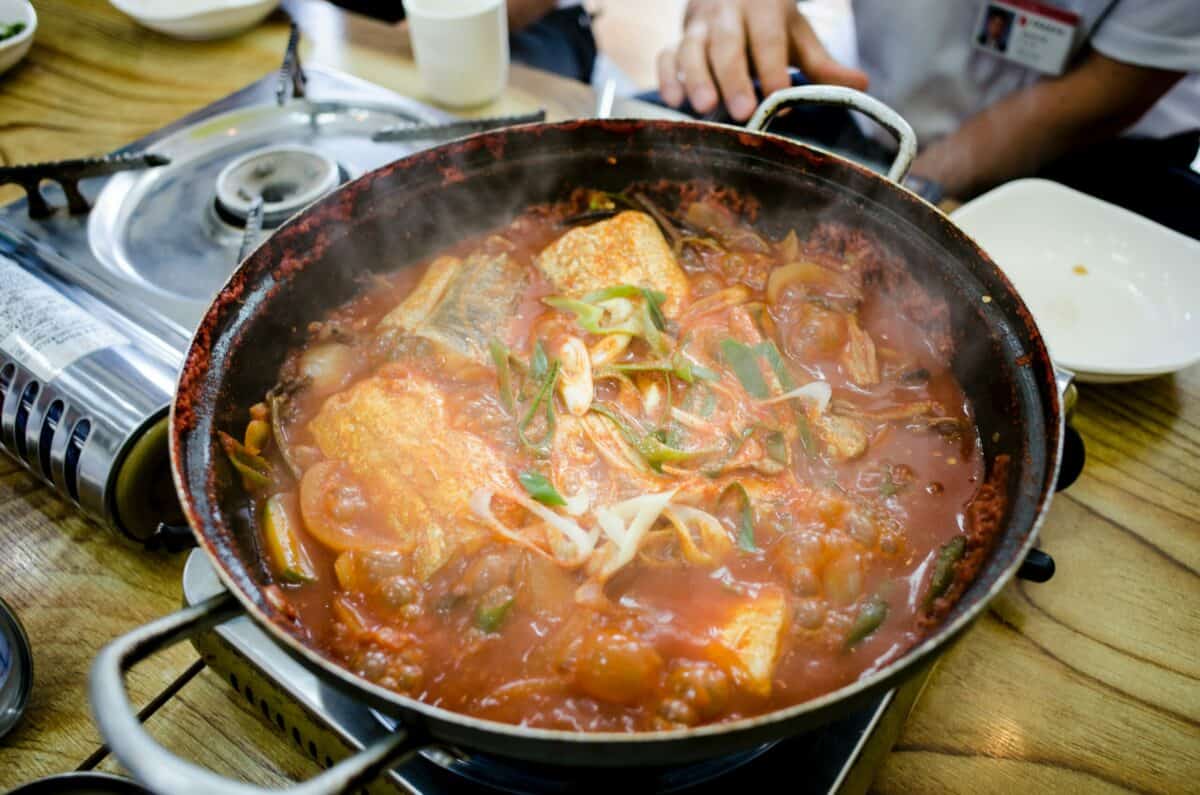
Doenjang-jjigae, or soybean paste stew, stands out with its deep and savory flavors without the heat. Made with doenjang (fermented soybean paste), a variety of vegetables, and tofu, it's a staple in Korean homes. Discover a Doenjang-jjigae recipe that can add some warmth to your table.
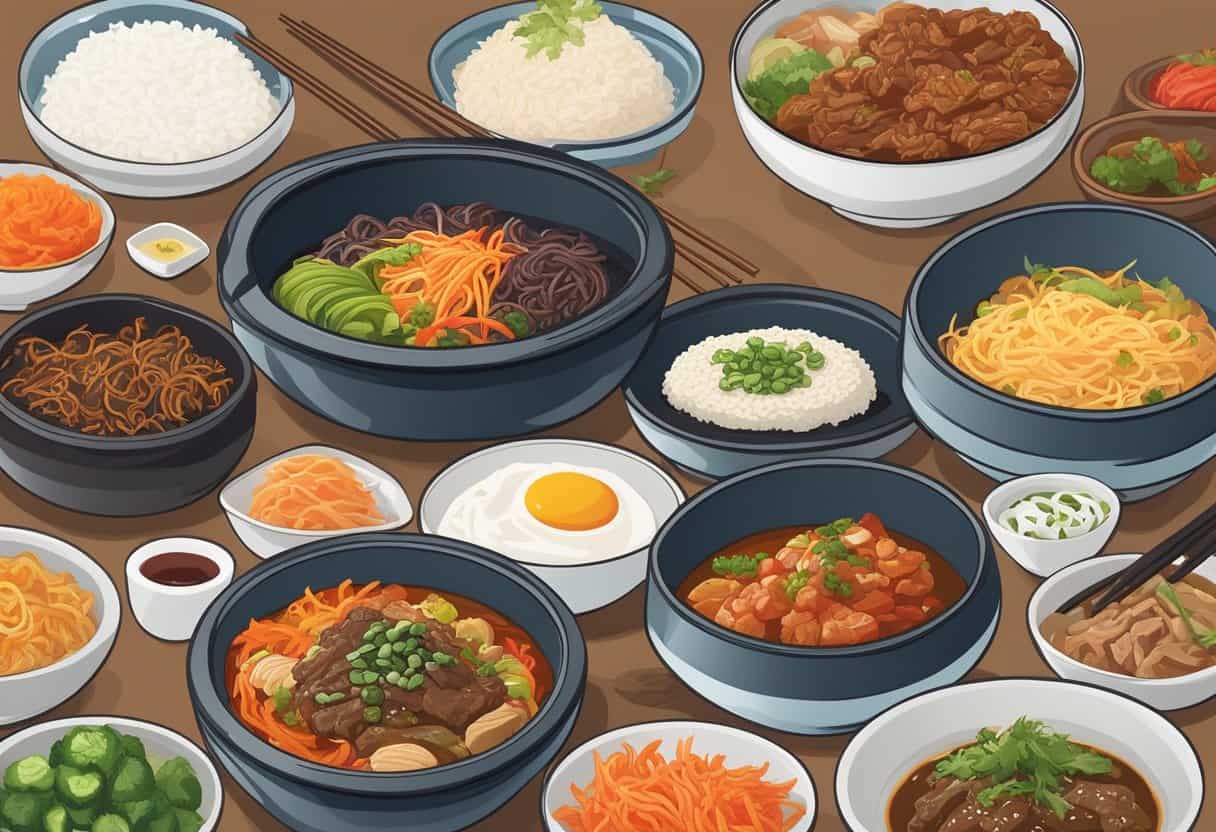
White Kimchi and Fermented Dishes
Baek-kimchi, or white kimchi, is a non-spicy version of Korea's iconic fermented vegetable dish. This milder kimchi often includes ingredients like napa cabbage, radish, and pear. To try making it yourself, here's a recipe for homemade Baek-kimchi.
Doenjang is a fermented soybean paste that's central to many Korean dishes, contributing a hearty umami flavor without heat. It's used in stews, marinades, and as a condiment. This Doenjang guide offers ways to incorporate it into your cooking.
Porridge (Juk)
Porridge, or juk, is a staple comfort food in Korean cuisine, soothing and gentle on the stomach. Varieties range from savory options like abalone or chicken to sweet red bean flavors. For a basic staple, try this juk recipe.
Pancakes and Fritters
Pajeon, a green onion pancake, balances a crispy exterior with a soft inside and is enjoyed with a dipping sauce. For an additional twist, haemul pajeon includes seafood. Create your own with this Pajeon recipe.
Twigim, akin to Japanese tempura, are Korean fritters with a variety of ingredients like vegetables and seafood in a light, crispy batter. To make your own, check out this Twigim recipe.
Korean BBQ Options
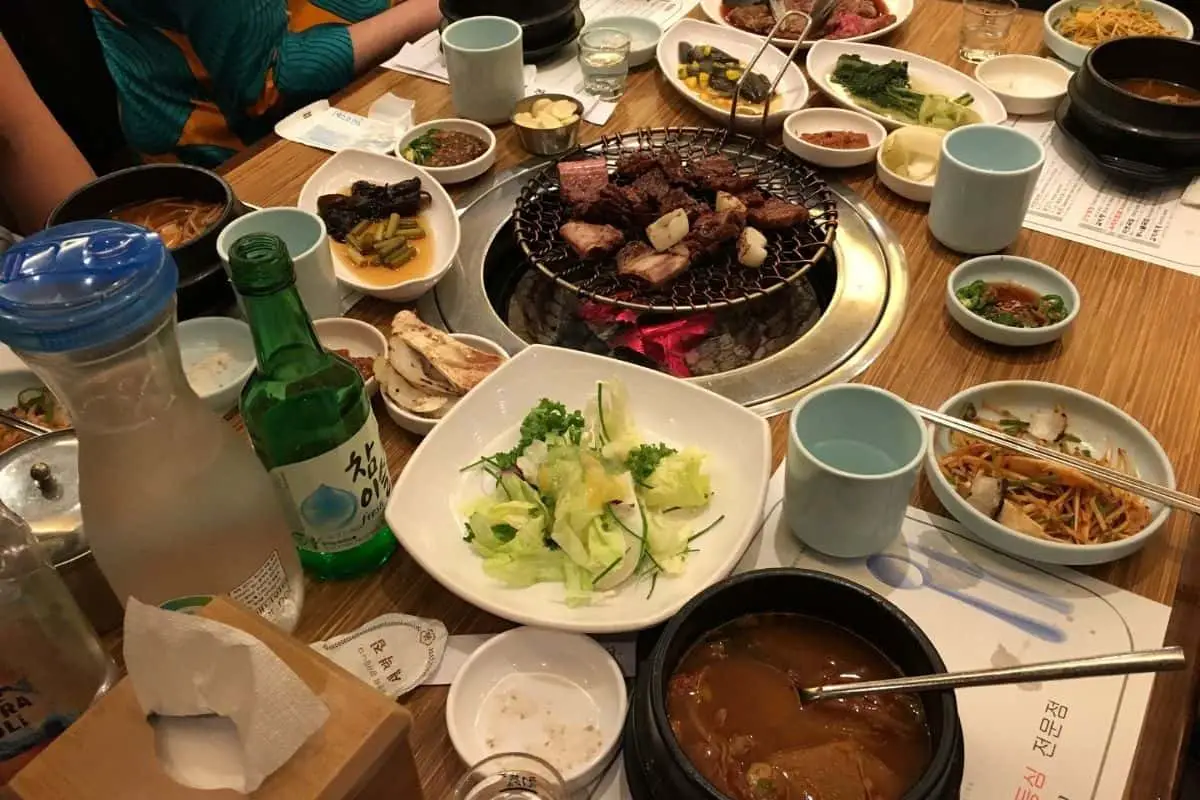
For those who appreciate grilled dishes, Korean BBQ has non-spicy options such as samgyupsal—grilled pork belly typically enjoyed with lettuce wraps and garlic. Here is a guide to enjoy Samgyupsal at home.
Galbi, or marinated beef short ribs, is usually prepared with a soy sauce-based marinade that's sweet and savory instead of spicy. It's a beloved BBQ dish that's perfect for gatherings. Master the art of making Galbi with this recipe.
Modern and Fusion Non-Spicy Dishes
In the world of Korean cuisine, not everything sets your mouth on fire. Several modern and fusion dishes blend traditional flavors with a milder palate appeal, perfect for those less inclined toward spicy food.
Jajangmyeon, a Korean-Chinese noodle dish smothered in a thick black bean sauce, offers a savory and sweet flavor profile that is deeply satisfying, without the burn.
Traditionally made with diced pork and vegetables, this dish has become a staple in Korea, particularly as a takeout option. Often enjoyed on Black Day by singles, jajangmyeon has an interesting cultural significance as well. You can try making it at home with this jajangmyeon recipe.
Dak Kalguksu is a comforting chicken noodle soup with a homemade touch.
Korean chefs often prepare the noodles from scratch, resulting in an exceptionally fresh and hearty meal. It's especially beloved during cooler weather, and the broth, seasoned with mild spices, allows the flavor of the chicken to shine through. Find a recipe and try your hand at this cozy dish with dak kalguksu instructions.
Korean dumplings, known as mandu, come in various non-spicy fillings, including minced meat, tofu, and vegetables. They can be steamed, boiled, or pan-fried.
Mandu makes for a versatile dish that fits seamlessly into a larger meal or can be savored on their own as a snack. Discover how to make these delightful pockets with this dumplings guide.
Doenjang is a fermented soybean paste used in many Korean dishes to add umami without spiciness.
It's commonly used in stews and marinades and is a staple in Korean kitchens. One can experience the rich, deep flavor of doenjang in a bowl of Doenjang Jjigae, a soybean paste stew that's both comforting and flavorful. Here's a simple way to prepare this traditional soup: doenjang jjigae recipe.
Crispy and delicious, Korean fried chicken, often simply called KFC, has taken the world by storm.
It's twice-fried for extra crunch and then lightly brushed with a selection of sauces, which can range from sweet to savory—a sure hit for those who prefer their chicken without added heat. Check out this flavor-packed Korean fried chicken recipe.
Tangsuyuk is a Korean-Chinese dish featuring crispy fried pork or beef in a sweet and tangy sauce.
It's made without the chili peppers that characterize many Korean sauces, maintaining a delightful flavor that's approachable for all taste buds. Prepare this tangy delight at home following this tangsuyuk recipe.
Finally, Korean street food is not only about spice; it's also home to an array of mild yet tantalizing options, such as egg bread (gyeran-ppang), sweet pancakes (hotteok), and tteokbokki made without the gochujang-based sauce.
These dishes showcase the sweeter and savory sides of Korean cuisine and are perfect for a quick bite that doesn't overpower. Get inspired by exploring these Korean street food options.

Street Food and Snacks
Korean street food offers an abundance of flavors suitable for every palate, enticing foodies with a variety of savory snacks, sweet treats, and convenient on-the-go meals. The allure of these dishes is not just in their taste, but also in their accessibility and role in Korea's vibrant street food culture.
Savory Snacks
Kimbap is often likened to sushi, but it is distinctively Korean, featuring uniquely local fillings wrapped in seaweed with rice.
It is a favorite among those who prefer non-spicy food options. For anyone keen on trying to make their own kimbap at home, here's a classic kimbap recipe.
Moving from rice to noodles, Kalguksu is a warming noodle soup with handmade, knife-cut wheat flour noodles that are comforting and filling.
Those looking to replicate the dish can follow this Kalguksu guide.
Fish cake lovers can enjoy Odeng (or Eomuk), a fish cake often skewered and served with a savory broth, a common sight at Korean street food stalls.
For those interested, this Eomuk bokkeum recipe details how to stir-fry fish cakes in a delightful mix of flavors.
Chimaek: a portmanteau of "chicken" and "maekju" (beer), this delicacy describes the beloved combination of fried chicken and beer. It's a flavor pairing enjoyed by many late into the evening, combining the savory, sometimes sweet, often crispy chicken with the crisp coolness of beer.

Sweet Treats
A famed sweet snack, Hotteok, is a sugar-filled Korean pancake that's especially popular in winter.
The sweet syrup oozing from the hot, fried dough makes it irresistible. Try making some at home with this Hotteok recipe.
Another cooling dessert perfect for summer is Patbingsu, Korea's version of shaved ice.
Typically adorned with sweet red beans, fruit, and condensed milk, it's the ideal treat to beat the heat. Dive into making your own with this Patbingsu recipe.

On-The-Go Meals
Tteokbokki appeals to those who like their snacks chewy but not too spicy.
These stir-fried rice cakes can be found in a milder version, featuring a gentle savory flavor as opposed to the classic red, spicy sauce.
For noodle aficionados, Jjajangmyeon offers a hearty meal, featuring thick wheat noodles covered in a thick black bean sauce.
While it has some kick, it's less about heat and more about deep, savory notes. To make this dish at home, this Jjajangmyeon recipe could be your guide.
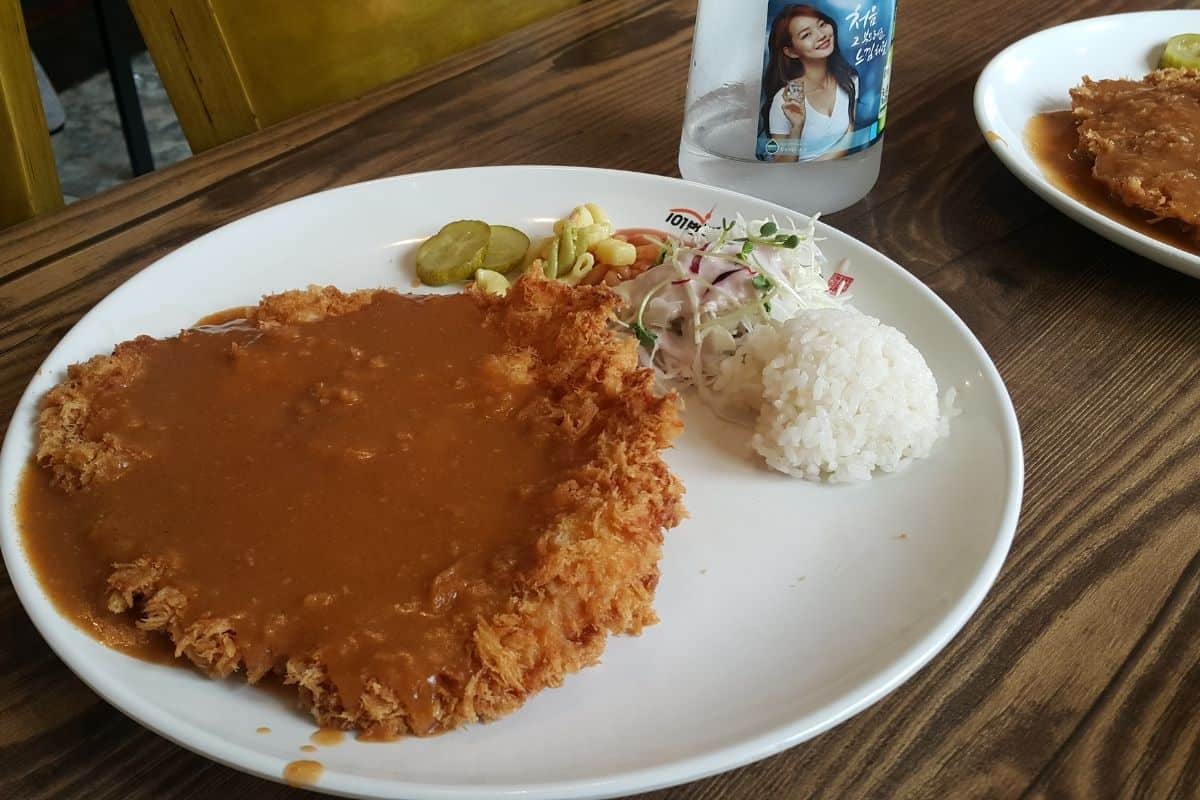
Lastly, those craving a meaty dish can indulge in Donkatsu, a breaded and deep-fried pork cutlet, often served with a side of shredded cabbage and sweet sauce.
While traditionally Japanese, Korea has embraced Donkatsu as a beloved street food item. For those interested, here is a simple Donkatsu recipe.
Beverages and Desserts
In Korean cuisine, while many dishes are known for their vibrant heat, an array of non-spicy and delectable sweets and beverages provides a delightful balance. From traditional rice-based confections to cooling drinks and inventive desserts, there's a treat to satisfy every palate.
Refreshing Drinks
Sikhye: A traditional sweet beverage made from fermented rice, Sikhye is enjoyed for its subtle sweetness and refreshing qualities.
It often contains grains of rice and is sometimes garnished with pine nuts. It's a classic drink that is believed to aid digestion. Here's a Sikhye recipe to try at home.
Sujeonggwa: A persimmon punch that is perfumed with ginger and cinnamon, Sujeonggwa is a chilled drink that's typically served after meals.
It's known for its deep reddish-brown color and is often garnished with pine nuts. This drink is a perfect palate cleanser and is heralded for its refreshing nature. Try making this traditional drink with a Sujeonggwa recipe.
Frequently Asked Questions
For a start, one might enjoy making Kimbap, a Korean rice roll that is often filled with a variety of ingredients such as vegetables, egg, and ham. Another favorite is Bulgogi, a marinated beef dish that is both sweet and savory, grilled to perfection. Those looking for comfort food might find Gyeranjjim, a steamed egg casserole, to be a simple yet satisfying choice.
Certainly. Japchae, a dish of stir-fried sweet potato noodles, mixed with a colorful selection of vegetables and sometimes meat, is a beloved classic. Another noodle dish to consider is Kalguksu, which includes handmade, knife-cut wheat flour noodles served in a large bowl with broth and other ingredients. Naengmyeon is also an option; these are cold buckwheat noodles, often served with a tangy iced broth, thinly sliced cucumbers, and Asian pears.
One can find a variety of hearty stews, such as Sundubu-jjigae, which is a comforting soft tofu stew that can be made without the usual spicy elements. Another stew to enjoy is Samgyetang, a traditional chicken soup with ginseng, which is known for its nourishing properties. Then there is Seolleongtang, a milky beef bone soup that has a deep, rich flavor and is typically seasoned to taste at the table.
Yes, not all Korean sauces pack heat. Ssamjang is a thick, savory sauce often used for wraps. It typically contains a combination of soybean paste and sesame oil. There's also Ganjang, a soy sauce that is less salty compared to other varieties. It's used in many dishes to add umami without spice. Another versatile condiment is sesame oil, which can be used to season and add a nutty flavor to dishes such as bibimbap and grilled meats.



Comments
No Comments