
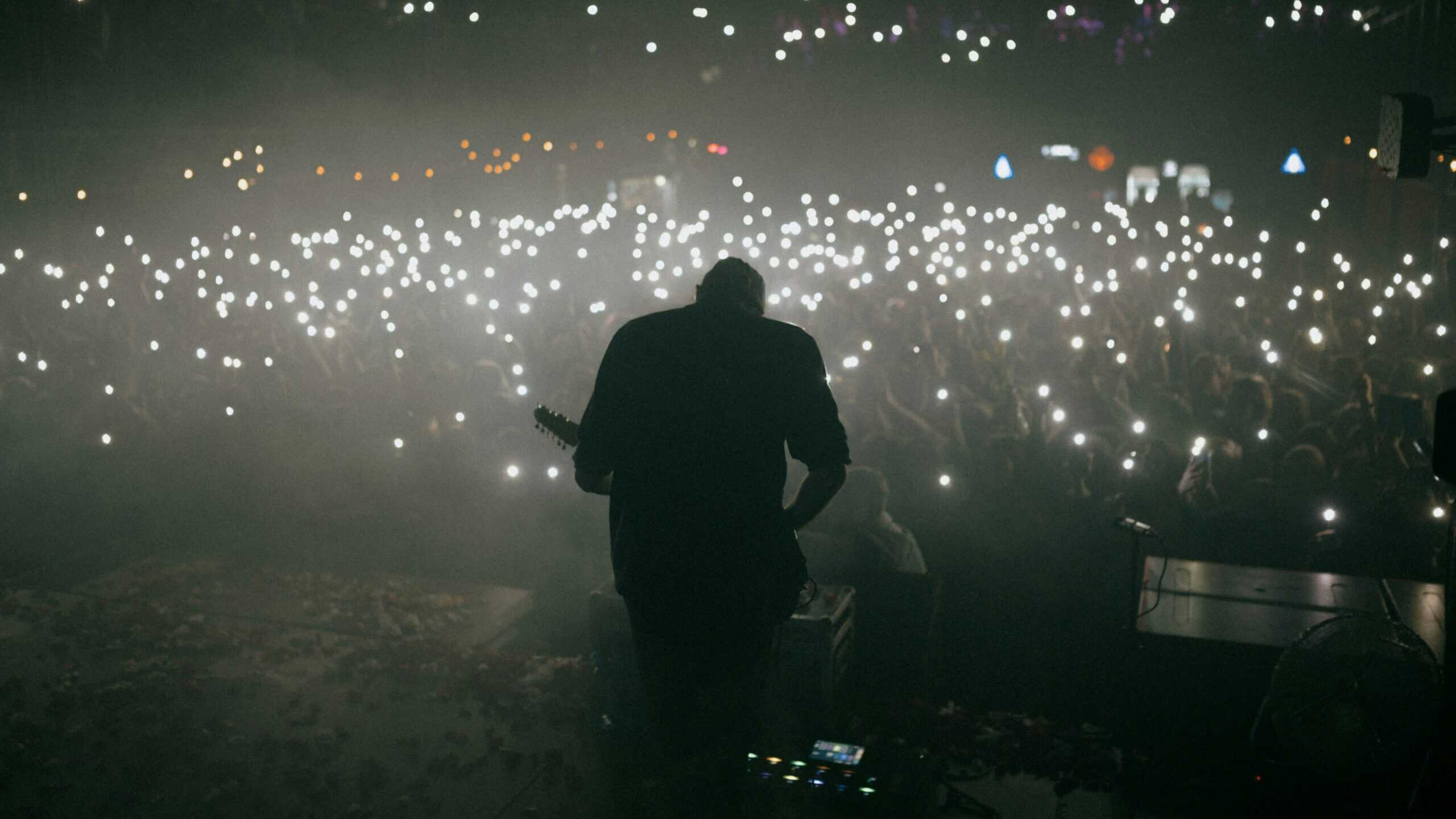
Fandom used to end at a livestream or a resale ticket for a tour stop close to home. Increasingly, it ends with a flight to Seoul instead. K-pop concert tourism has moved from a niche fan behavior to a structural part of Korea's tourism economy, and the industry is now organizing around it rather than treating it as a side effect.
The scale makes the shift hard to dismiss as a trend that'll fade. According to the Korea Performing Arts Box Office Information System, ticket sales in Korea's concert market hit 1.7326 trillion won in 2025, up 18.8% from the year before, a jump largely credited to international pop stars adding Korea to their touring routes and Korean fans traveling domestically for shows.
Jump to:
🎤 The Numbers: Korea's Concert Market Just Hit $1.7 Billion
That figure, roughly $1.7 billion, has turned Korea into what industry reporting is calling a "must-visit hub" for Asia tours, not just a K-pop-specific stop. Global acts are increasingly routing through Seoul the same way they'd route through Tokyo or Singapore, which means the fan travel driving this boom isn't limited to K-pop fandoms anymore, even if K-pop is still the primary draw.
🕺 Beyond the Show: Dance Workshops & Recording Studio Experiences
What's changed most isn't just that more people are showing up, it's what they're doing once they land. Fans are increasingly building entire itineraries around the culture behind the music: dance workshops taught by working choreographers, music recording experiences in professional studios, and guided tours through entertainment districts that go well beyond a single concert night. The show itself has become one stop on a longer, more immersive trip rather than the entire point of it.
🏙️ Seoul's Entertainment Districts Are Becoming Their Own Itinerary
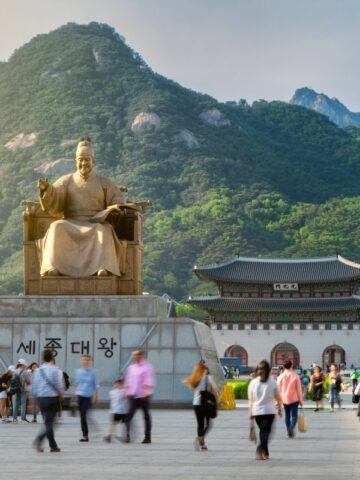
Seoul sits at the center of all of it, unsurprising given its role as K-pop's birthplace. Entertainment company buildings, themed cafés, music stores, and pop-up events tied to specific groups or comebacks now function as attractions in their own right, distinct from the concert itself. Anyone planning a trip around a show benefits from treating concert prep as just one part of a bigger visit, since the surrounding neighborhood often has as much going on as the venue does.
🔁 Why Fans Keep Coming Back
The bigger question the industry has started asking is whether this converts into repeat travel rather than a single bucket-list trip, and early signs suggest it does. Fan-driven travel is increasingly treated as a long-term, structural part of the tourism industry rather than a one-off spike tied to a single tour, which has pushed travel companies to design specialized fan packages instead of treating concertgoers as a side audience within general tourism.
❓ Frequently Asked Questions
No. Many visitors build a trip around the broader K-pop ecosystem, entertainment districts, themed cafés, dance studios, even without a confirmed concert, though timing a visit around an actual show or tour stop is still the most common approach.
Most beginner-friendly workshops are designed specifically for visitors and fans with no professional background, though skill levels and class structures vary by studio, so it's worth checking requirements before booking.
Seoul is the primary hub since it's home to most major entertainment companies and venues, but concerts and related events increasingly happen in Busan, Incheon, and other cities as the touring circuit expands.
Demand has increased significantly, and popular shows can sell out fast, so booking early and monitoring official ticket platforms directly is increasingly important for anyone planning a trip specifically around a concert date.

Comments
No Comments