
When the first real cold hits Korea, the cafes start fogging up and the menu boards fill with warm drinks. At the top of nearly every list is yuja tea, a sweet, tangy citrus drink that is as much a winter habit as it is a beverage.
If you've seen it on a menu and wondered what you'd be ordering, here is what's in it, how it's made, what else people drink when it's cold, and what to keep in mind before you make it your daily cup.
Jump to:
🍋 What Yuja Tea Is
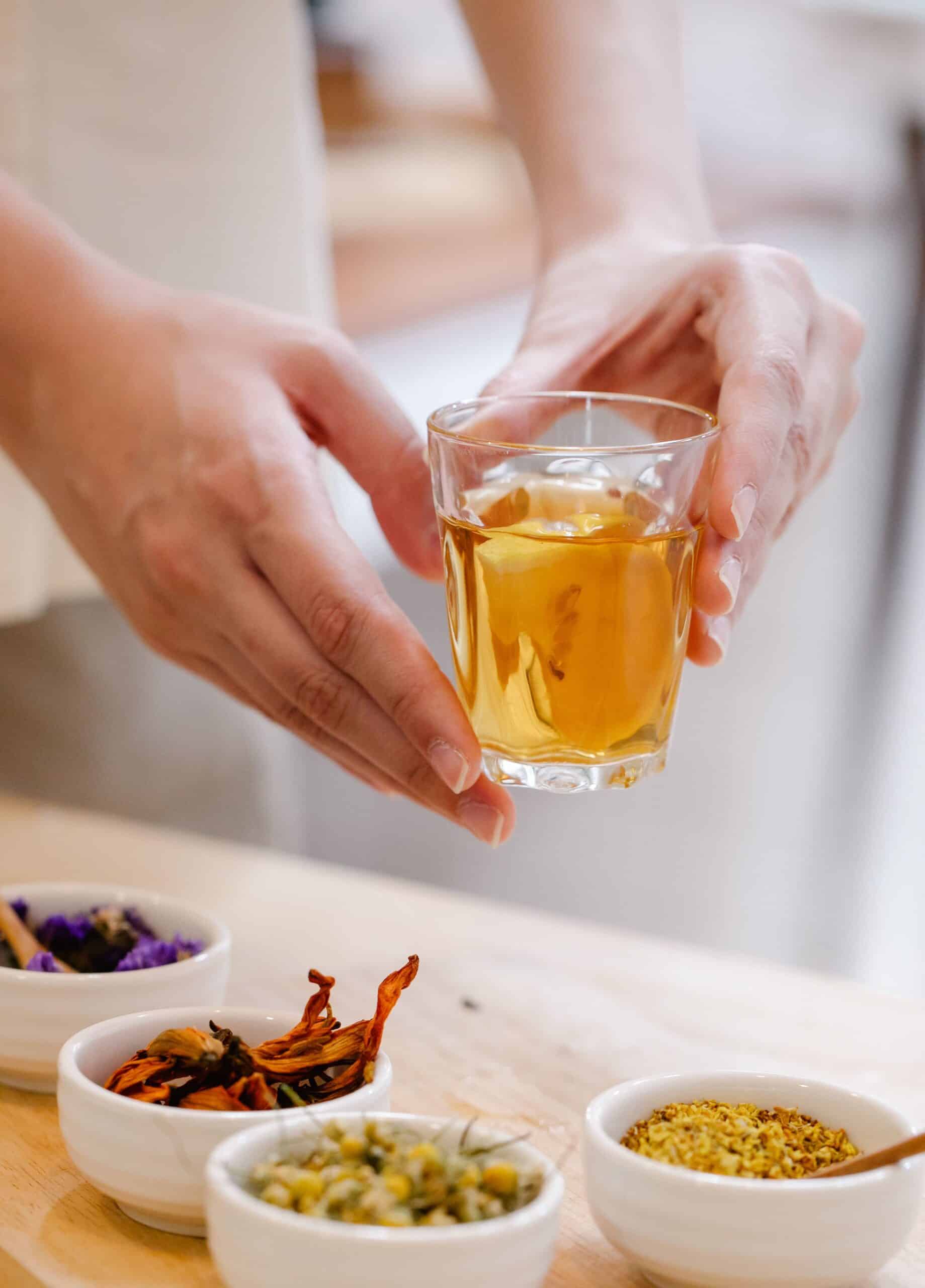
Despite the name, yuja tea isn't brewed from tea leaves. It's made from yuja-cheong, a thick preserve of sliced yuja and its peel layered with sugar or honey. You stir a couple of spoonfuls into hot water and the fruit, syrup and peel soften into a drink that is part tea, part marmalade.
Yuja is the Korean name for yuzu, a citrus fruit that's more fragrant than a lemon and less sour than a grapefruit, with a floral, almost perfume-like smell. If you'd like to know more about the fruit itself, we cover it in our guide to yuja. Korea has a long tradition of sweet, fruit-based “teas” like this one, and our overview of Korean tea goes into the wider family.
🏠 How It’s Made
The recipe is simple, which is part of why so many families make a batch every year. The usual ratio is about one part fruit to one part sugar or honey. The rind is sliced thinly, the pulp and juice are mixed in, and everything sits in a jar with the sugar until it dissolves. That can take a few days at room temperature before the jar goes into the refrigerator.
To drink it, dissolve two or three teaspoons of the preserve in a cup of hot water and stir. In summer people dilute it with cold or sparkling water over ice, which you'll often see sold as yuja ade. If you can't find yuzu, the same method works with lemon or other citrus, though you'll lose that distinctive aroma. According to the Wikipedia entry on yuja tea, it is also a traditional remedy people reach for during colds.
☕ Other Winter Drinks to Try
Yuja tea has company. Daechu-cha is jujube tea, made from dried red dates, with a deep, honeyed sweetness. Saenggang-cha is ginger tea, warm and peppery, and a favorite when you feel a chill coming on. Boricha, roasted barley tea, isn't sweet at all and is often served hot in winter, especially with meals.
You will also find herbal blends sold as ssanghwa-cha, a darker, medicinal-tasting drink that traditional cafes serve in cold weather. If you want to branch out beyond tea, our list of Korean drinks that aren't soju has more ideas.
🩺 Is It Actually Good for You?
Here's the honest version. Yuja does contain vitamin C, and a warm citrus drink can feel soothing when you have a sore throat. But the claims that it cures colds are traditional, not proven. The NIH fact sheet on vitamin C is a useful reminder of how much vitamin C adults actually need and where it comes from.
The more practical thing to know is the sugar. With a one-to-one preserve, even a small spoonful adds up, so yuja tea is closer to a treat than a health tonic. If you're watching your sugar, use less preserve per cup or ask for a smaller size. It is a lovely drink on a cold afternoon, just don't count on it as medicine.
🛍️ Where to Find It
Almost every cafe in Korea sells it in winter, and so do convenience stores and supermarkets, which stock jars of yuja-cheong and instant sachets. A jar makes an easy souvenir and a good gift. Check the ingredient list: the best jars list yuja and sugar and little else.
If you're planning a winter trip, our 7-day winter itinerary has ideas for where to warm up between sights.
❓ Frequently Asked Questions
No. There are no tea leaves in it. Yuja tea is made by stirring a spoonful of yuja-cheong, a preserve of sliced citrus and sugar or honey, into hot water. “Tea” here just means a hot drink, which is how Korean uses the word.
It's a traditional home remedy, and yuja does contain vitamin C. But the idea that it cures or prevents colds is not proven. A warm, sweet citrus drink can feel good on a sore throat, which is probably much of its appeal.
A lot. Yuja-cheong is typically made with roughly equal parts fruit and sugar or honey, so even a small spoonful adds sweetness. If you want to cut back, use less preserve per cup or ask for a smaller serving at the cafe.
Yes. Jars of yuja-cheong are sold at Korean grocery stores and online, and you can make your own with fresh yuzu. If yuzu is hard to find, the same method works with other citrus such as lemon, though the flavor will be different.


Comments
No Comments