
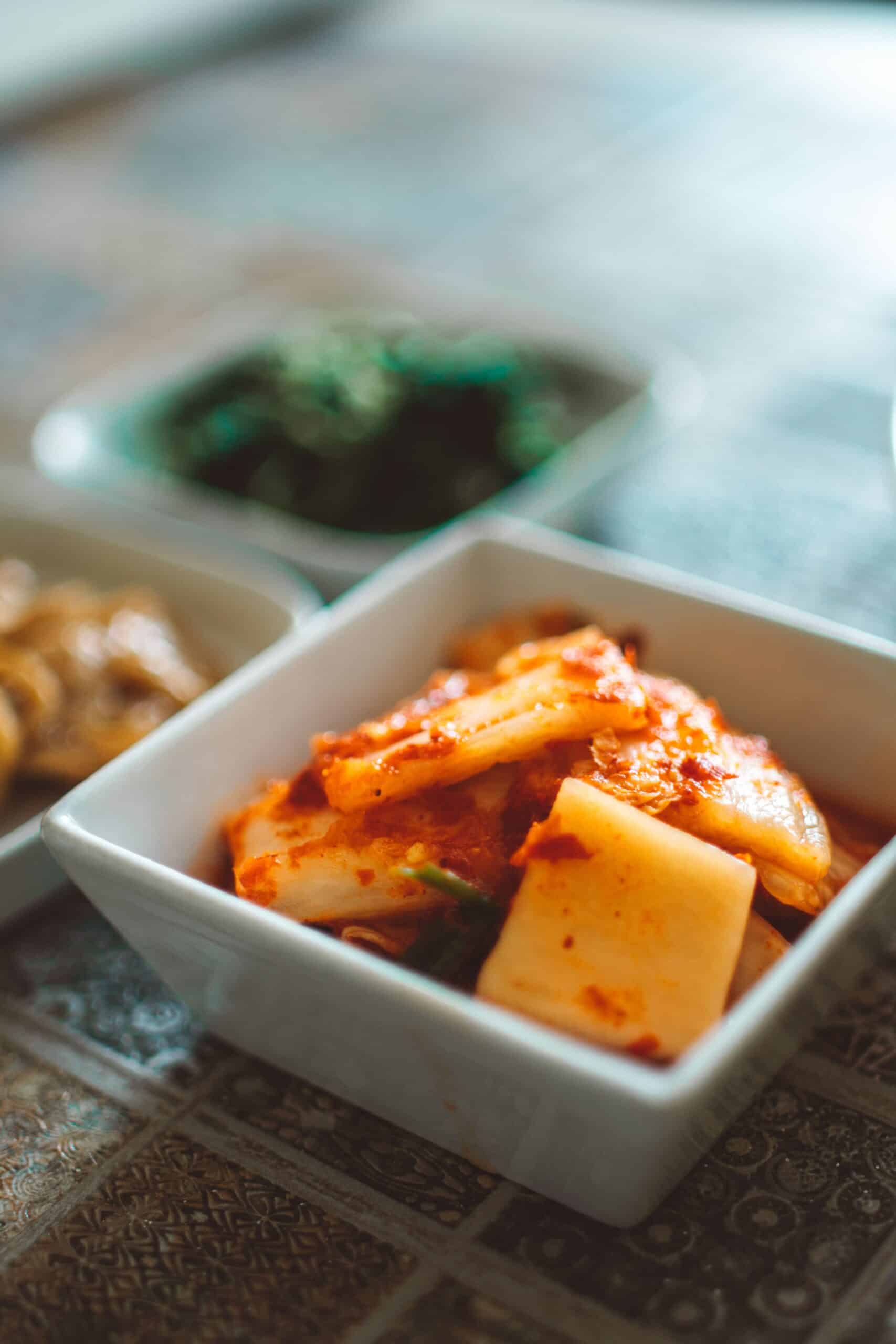
Every year as the air turns cold, Korean kitchens and community centers fill with mountains of salted cabbage, red chili paste, and the sound of people working side by side. This is kimjang, the tradition of making kimchi in bulk to carry a household through winter, and it remains one of the most beloved seasonal rituals in the country.
Jump to:
🥬 What Kimjang Actually Is
Kimjang is more than a cooking task. It is a communal event in which families, neighbors, and friends gather to make and share large batches of kimchi. UNESCO added "Kimjang, making and sharing kimchi in the Republic of Korea" to its Intangible Cultural Heritage list in December 2013, recognizing the way it strengthens community bonds and passes knowledge between generations.
🗓️ When It Happens
There is no single fixed date. Kimjang falls in late autumn, usually around November into early December, and families often watch the weather forecast to choose a day. Kimchi is said to keep best when stored at roughly 0 to 4°C, so the first real cold snap is the cue to start. Preparation begins long before, with seafood for the seasoning bought in spring, sea salt for brining in summer, and chili peppers dried and ground in late summer.
🧂 How a Kimjang Day Unfolds
Napa cabbages are halved, salted, and left to brine, then rinsed and drained. Meanwhile, a seasoning paste of chili flakes, garlic, ginger, salted seafood, and radish is mixed by the bowlful. Everyone then stuffs the paste between the cabbage leaves, often with a rhythm that makes the work feel like a shared performance. Many households today make 20 to 40 cabbages rather than the enormous batches of the past, since apartment living and kimchi refrigerators have changed the scale.
🤝 Sharing Is the Point
Sharing is the heart of the tradition. Finished kimchi is divided among relatives and neighbors, and organized events donate large volumes to people in need. Seoul's annual kimjang festival has drawn thousands of volunteers making well over a hundred tonnes of kimchi for donation, a good example of how the custom has grown into civic generosity.
✈️ How Visitors Can Join In
Travelers in Korea in November can look for kimjang festivals, such as the World Kimchi Culture Festival in Gwangju, and for cooking classes where visitors can try the stuffing technique themselves. Many classes let you take a small jar home. If you want to understand the dish before you go, our guide to the types of kimchi is a good primer, and the story of National Kimchi Day shows how seriously Korea takes it.
❓ Frequently Asked Questions
Kimjang is the Korean word for making kimchi in large quantities in late autumn so a household has enough to eat through the winter.
It happens in late autumn, typically November into early December. The exact timing depends on the weather and the region.
UNESCO listed it as intangible cultural heritage in 2013 because it is a communal practice that builds solidarity, shares knowledge across generations, and reflects Korea's relationship with nature.
Yes. Some festivals and cooking classes in November let visitors help make kimchi, and many offer a jar to take home.

Comments
No Comments