• Skip to primary navigation
  • Skip to main content
  • Skip to primary sidebar
Seoul Korea Asia
  • Recipes
  • Summer in Korea
  • Korea
  • About
  • Subscribe
menu icon
go to homepage
  • Recipes
  • Summer in Korea
  • Korea
  • About
  • Subscribe
    • Amazon
    • Facebook
    • Pinterest
  • search icon
    Homepage link
    • Recipes
    • Summer in Korea
    • Korea
    • About
    • Subscribe
    • Amazon
    • Facebook
    • Pinterest
  • ×
    Home » South Korea

    Rose Tteokbokki Is the Softer, Creamier Side of Korea's Spiciest Snack

    Updated: Sep 19, 2026 by Max · This post may contain affiliate links · Leave a Comment

    Tteokbokki has always been the loud, fire-red street food everyone associates with Korean snacking. In 2026, a softer pink version has taken over feeds instead. Rose tteokbokki cuts the classic gochujang sauce with cream, and the result has become one of the most-shared Korean food trends of the year, less about heat and more about that pastel, almost dessert-like bowl.
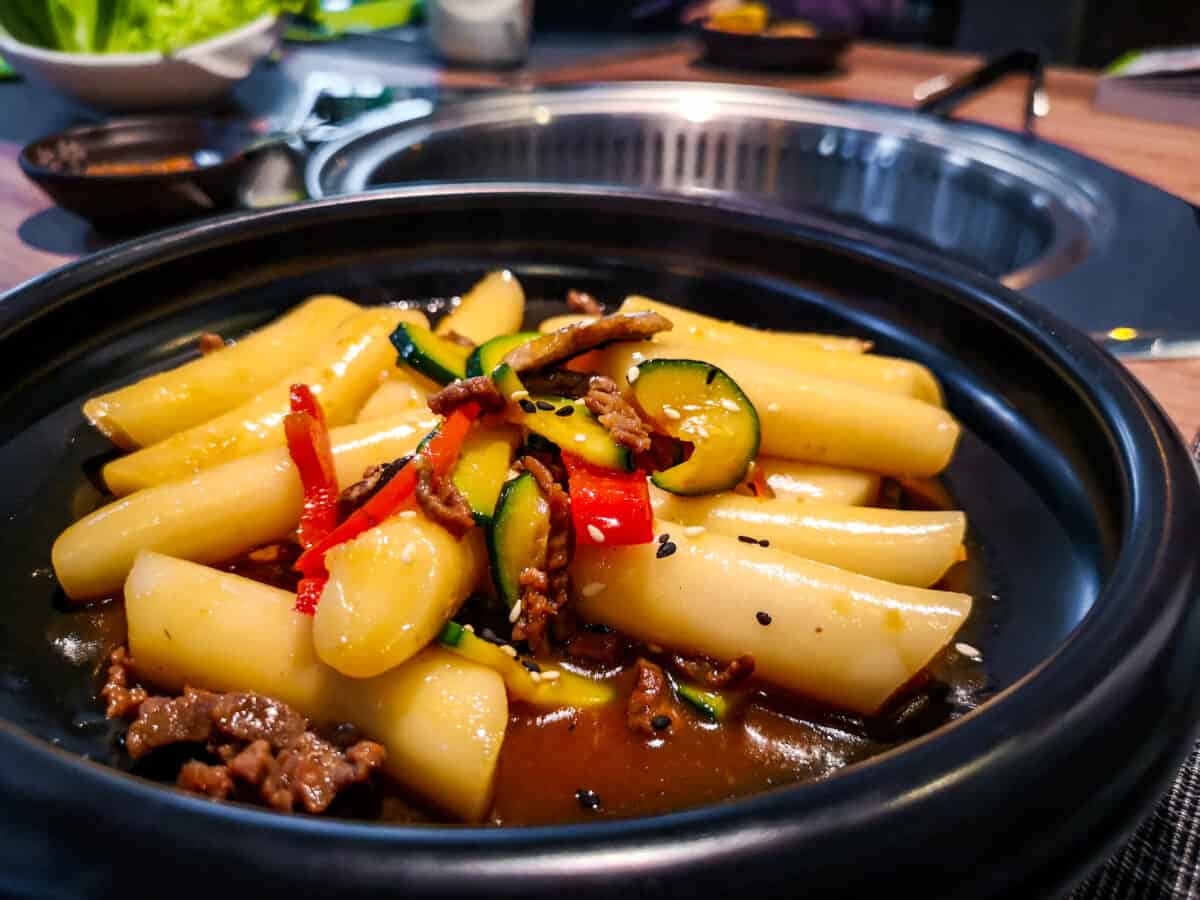
    Bowl of tteokbokki representing Korea's viral rose tteokbokki trend
    Jump to:
    • 🌹 What Actually Makes It "Rose"
    • 🌶️ Less Heat, Not No Heat
    • 📱 Why It Photographs (and Performs) So Well
    • 🍜 Where It Fits in Korea's Comfort Food Canon
    • ❓ Frequently Asked Questions
    • 💬 Comments

    🌹 What Actually Makes It "Rose"

    The color and the name both come from the same move: blending heavy cream or milk into the traditional gochujang-and-gochugaru sauce base. The dairy softens the sharp heat and turns the sauce a dusty pink, closer to a spicy vodka pasta sauce than the sharp red of classic tteokbokki. It's the same logic Italian-American kitchens used to invent vodka sauce, applied to Korean rice cakes instead of penne.

    🌶️ Less Heat, Not No Heat

    Rose tteokbokki isn't a mild dish, it's a rebalanced one. The gochugaru is still there, so the spice is present, it's just rounded out by fat and dairy instead of hitting straight and sharp. That makes it noticeably more approachable for people who find standard tteokbokki too aggressive, without losing the flavor identity that makes the dish recognizably Korean in the first place.

    📱 Why It Photographs (and Performs) So Well

    Part of the trend's spread comes down to simple visual appeal. A bowl of glossy pink sauce coating chewy white rice cakes reads as almost dessert-adjacent, which makes it stand out sharply against the sea of red-sauce Korean food content that's dominated feeds for years. That contrast is a big part of why it caught on so fast among the same creators who've been fueling Korea's other viral street food moments, the kind covered in our roundup of Korean street foods that went viral on TikTok.

    🍜 Where It Fits in Korea's Comfort Food Canon

    Rose tteokbokki is best understood as a variation, not a replacement. Classic tteokbokki isn't going anywhere, and most tteokbokki specialists in Korea still sell far more of the original than the rose version. But it's a good example of how Korea's most iconic comfort foods keep getting reinterpreted for new audiences and new platforms, the same pattern behind a lot of the dishes in our guide to Korean comfort food beyond kimchi.

    ❓ Frequently Asked Questions

    Is rose tteokbokki spicier or milder than regular tteokbokki?

    It's generally milder. The cream or milk base softens the sharp heat of the traditional gochujang sauce, though the gochugaru still gives it real spice, just rounded out rather than sharp.

    What gives rose tteokbokki its pink color?

    Blending dairy, usually heavy cream or milk, into the classic red gochujang-based sauce turns it a dusty pink, similar to how cream mellows a tomato sauce into a rosé-style pasta sauce.

    Is rose tteokbokki a new dish or a new version of an old one?

    It's a variation on classic tteokbokki rather than a separate dish. The rice cakes and base seasoning stay the same; the cream addition is what defines the "rose" style.

    Can I make rose tteokbokki at home easily?

    Yes. It typically just requires adding heavy cream or milk to a standard tteokbokki sauce recipe, making it one of the more approachable Korean street food trends to recreate in a home kitchen.
    More All Things South Korea

    • K-pop themed merchandise display with posters, caps, and skateboards in Seoul Korea Asia.
      Why Everyone in Korea Suddenly Has a Tiny Turtle on Their Phone
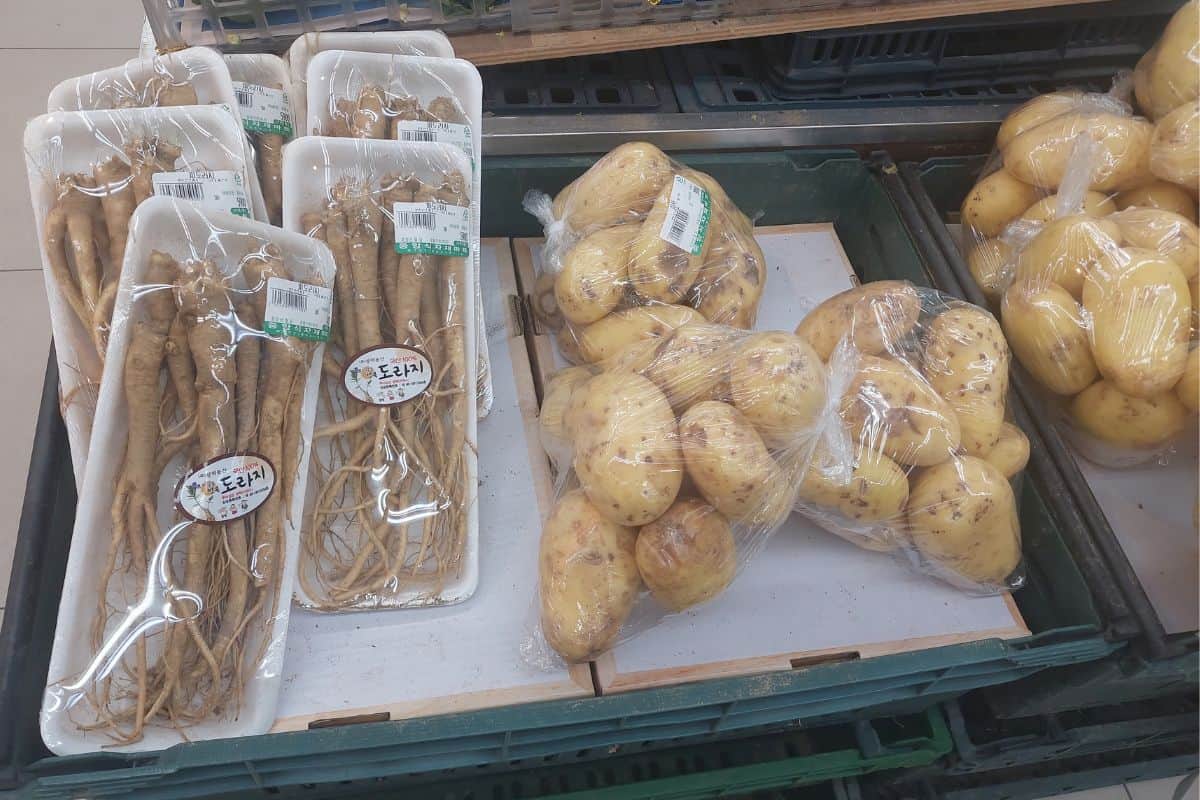
    • Korean ginseng in the grocery store Korean vegetables.
      Functional Foods Are Quietly Becoming One of Korea's Biggest Exports
    • Elegant Korean cuisine with modern presentation.
      Plant-Based Korean Cuisine Is Having a Real Moment in 2026
    • Newtro: Why Korea's Youth Keep Reviving Its Own Past

    Sharing is caring!

    0 shares
    • Share
    • Tweet

    Reader Interactions

    Comments

    No Comments

    Leave a Reply Cancel reply

    Your email address will not be published. Required fields are marked *

    Recipe Rating


    Primary Sidebar

    Hi, I'm Max!

    I'm a 3-year resident of rural South Korea, and a writer & chocoholic from the USA - I'm passionate about helping you have the best trip possible in Korea & beyond!

    More About Me

    Spring

    • Complete Guide to Spring in Korea (27+ Things to Do & See)
    • 7 Places to Go Hiking in Seoul (for Free!)
    • Tulip flower field in Suncheon Bay National Garden, South Korea.
      Comprehensive Guide to Suncheon Bay National Gardens
    • Where to See Cherry Blossoms in Seoul (6 Best Spots)

    Popular Posts

    • 19 Tips for Learning Korean Language + Alphabet Quickly
    • 19 Korean Side Dishes (Types of Banchan + Recipes)
    • What is Dalgona Candy? (Ingredients, Origin & How to Make)
    • 15 Best Neighborhoods in Seoul (Guide From a Local!)

    Footer

    ↑ back to top

    About

    • About Me
    • Accessibility
    • Privacy Policy

    Newsletter

    • Sign Up! for emails and updates

    Contact

    • Contact

    As an Amazon Associate I earn from qualifying purchases.

    Copyright © 2026 Seoul Korea Asia

    0 shares