
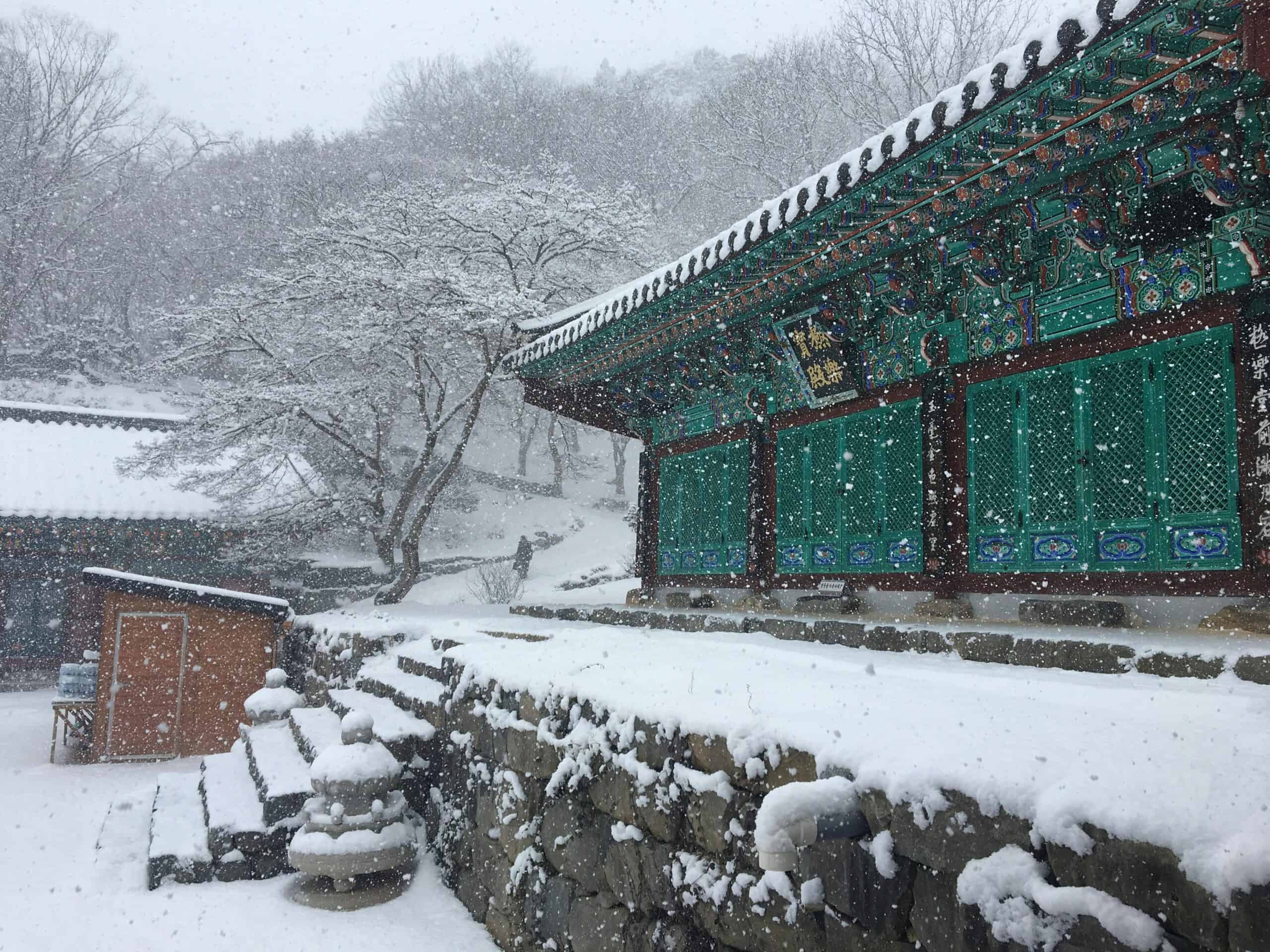
If Korea’s nightlife is all neon and noraebang, its calm travel side is temple courtyards, slow meals, and steaming cups of herbal tea. Temple food and traditional tea houses are where that softer pace really shows up.
Here’s how to experience them without feeling lost or intimidated.
Jump to:
- 🌿 What Is “Calm Travel” in Korea?
- 🛕 Introduction to Temple Food: Philosophy, Flavors & Traditions
- 🍽️ Where to Try Temple Food: From Temple Stays to City Restaurants
- 🧳 Temple Stay 101: What to Expect from an Overnight Calm Experience
- 🍵 Traditional Tea Houses: Finding Quiet Corners in Busy Cities
- 🗺️ Calm Travel Routes: Pairing Temple Food with Tea House Visits
- 💸 Budget, Etiquette & How to Book Calm Experiences
- ❓ Frequently Asked Questions
- 💬 Comments
🌿 What Is “Calm Travel” in Korea?
“Calm travel” is basically low-stimulation Korea:
- Fewer shopping marathons, more slow walks.
- Less bar-hopping, more warm tea and early nights.
- Experiences that center silence, nature, and ritual.
In Korea, that often means:
- Eating Buddhist temple food (plant-based, seasonal, very intentional).
- Joining a templestay for meditation and simple living.
- Visiting traditional tea houses tucked inside hanok courtyards.
You still get culture and flavor, just without the sensory overload.
🛕 Introduction to Temple Food: Philosophy, Flavors & Traditions
Korean temple food (사찰음식) comes from Buddhist monastic cooking. For about 1,700 years, monks and nuns have cooked with a few core principles:
- No meat or seafood
- No animal by-products in traditional forms
- No “five pungent vegetables” (garlic, onion, green onion, chives, leeks), believed to disturb meditation
- Heavy focus on seasonal vegetables, wild greens, mountain herbs, and fermentation
- Cooking as a form of mindfulness and gratitude, avoiding waste
What it tastes like:
- Lots of rice, soups, braised roots, wild greens, kimchi, and pickles
- Flavors are clean, earthy, and subtle rather than super salty or spicy
- Fermented pastes (doenjang, gochujang, ganjang) add depth instead of animal stock
It’s calm, but not boring, think “plant-based tasting menu with a side of philosophy.”
🍽️ Where to Try Temple Food: From Temple Stays to City Restaurants
You don’t have to stay overnight at a temple to taste this style of cooking. There are a few easy ways:
1. Temple Food Restaurants in the City
In Seoul, the most famous example is Balwoo Gongyang, run by the Cultural Corps of Korean Buddhism near Jogyesa Temple.
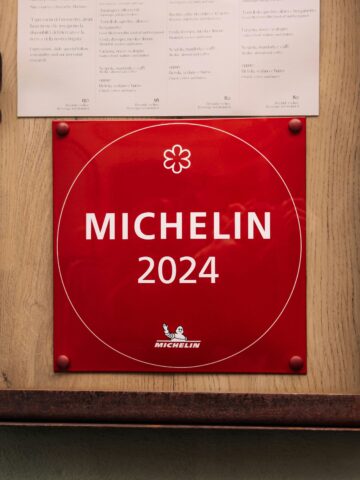
- It’s known as the world’s first Michelin-recognized temple cuisine restaurant, serving multi-course meals based on monastic recipes.
- Expect beautifully plated seasonal dishes and set-course pricing rather than cheap eats.
Also in Seoul, the Korean Temple Food Center in Insadong offers classes and tasting experiences that introduce temple food basics to visitors.
In Busan, places like Musimjeong, a restaurant near Geumjeongsanseong Fortress, serve temple-style set menus with many seasonal banchan and simple soups.
There are also newer plant-based spots, such as Bium in Seoul, that draw directly from temple food traditions while staying fully vegan.
2. Temple Cafeterias & Simple Meals
At some temples, especially those with active visitor programs, you can join:
- Simple monastic-style cafeteria meals (often buffet-style)
- Donation-based lunches where you eat what the monastics eat that day
For example, places like Beomeosa Temple have hosted guests for temple food as part of their programs, serving rice, kimchi, and various vegetable dishes in a communal hall.
These meals are more about daily temple life than about fine dining, but they’re incredibly grounding.
🧳 Temple Stay 101: What to Expect from an Overnight Calm Experience
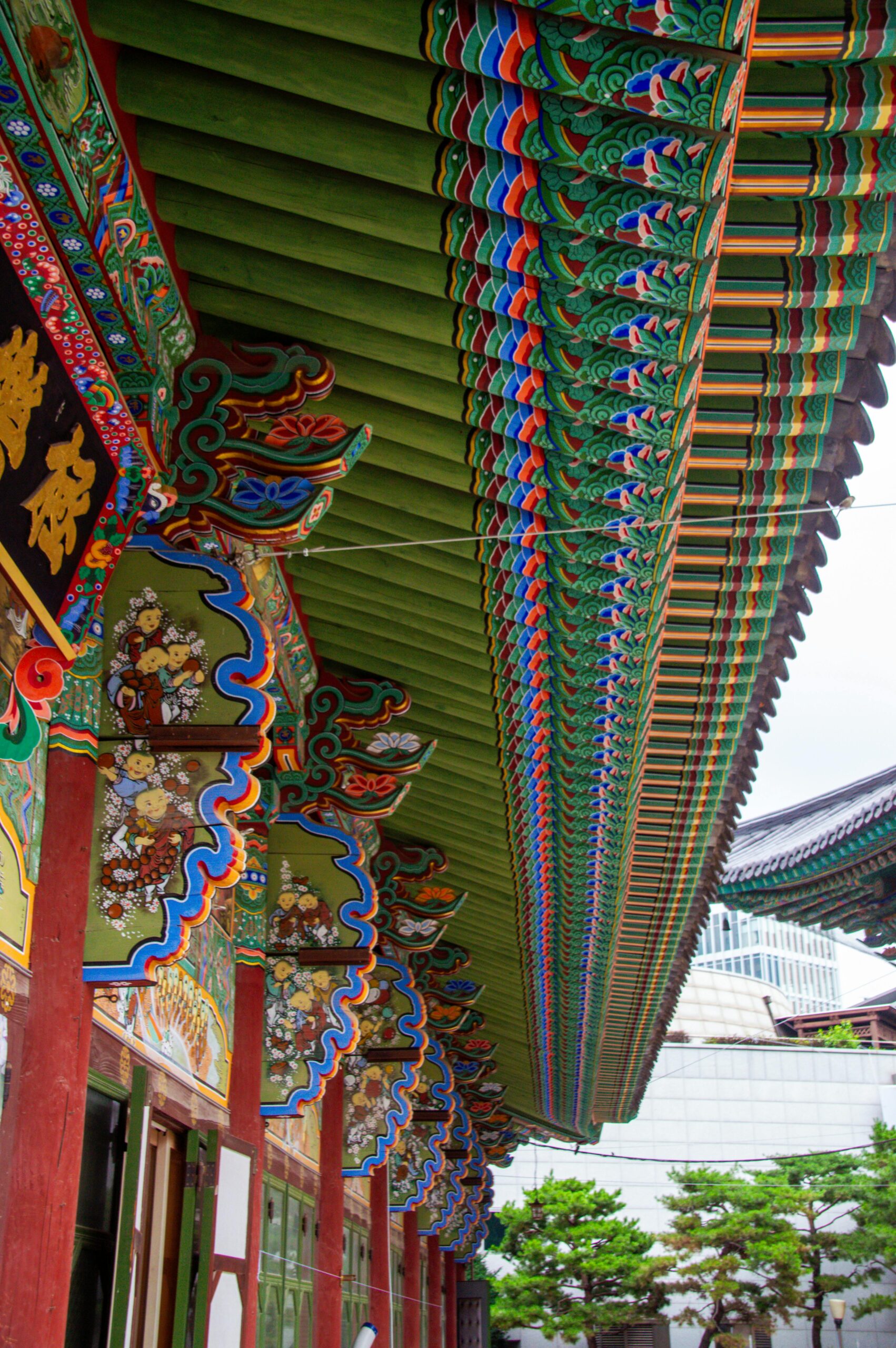
A templestay is a program where you stay at a functioning Buddhist temple and follow a simplified version of the monastic schedule.
Common elements:
- Early wake-up (sometimes around 4–5 a.m.)
- Meditation and chanting in the main hall
- Simple communal meals of temple food
- Tea time or conversation with a monk or program leader
- Free time for walking in nature or journaling
Templestays exist all over Korea, and the official Templestay website lists options with English-friendly programs and booking details.
In Seoul, the International Seon Center runs residential and day-templestay programs focused on Seon (Zen) meditation, specifically welcoming international visitors.
What it feels like:
- Very quiet.
- Structured but not intense, more reflective than “bootcamp.”
- Perfect if life feels noisy and you want a reset without a full digital detox retreat.
🍵 Traditional Tea Houses: Finding Quiet Corners in Busy Cities
Korea’s traditional tea houses (다원 / 찻집) are like mini calm pockets inside busy neighborhoods.
What to expect:
- Often inside hanok (traditional wooden houses) or old-style buildings.
- Floor seating on cushions or low tables, or small wooden tables and chairs.
- Warm lighting, plants, old ceramics, and sometimes a courtyard view.
Teas you’ll commonly see:
- Herbal & root teas – ginger, jujube (date), ginseng
- Flower teas – chrysanthemum, plum blossom, magnolia berry (omija)
- Grain teas – roasted corn, barley, or rice
- Teas are usually served with small rice cake snacks or traditional sweets.
In Jeontong Dawon, a long-running hanok tea house in Insadong, guests can sit either inside the wooden building or by the garden, drinking traditional teas alongside snacks like yugwa (fried rice sweets).
Other neighborhoods like Bukchon, Ikseon-dong, and some parts of Busan also have hanok-style or traditional-inspired tea houses where you can sit and simply not rush.
🗺️ Calm Travel Routes: Pairing Temple Food with Tea House Visits
Here are a few simple “calm day” ideas you can plug into an itinerary.
Seoul: Old Town Calm Day
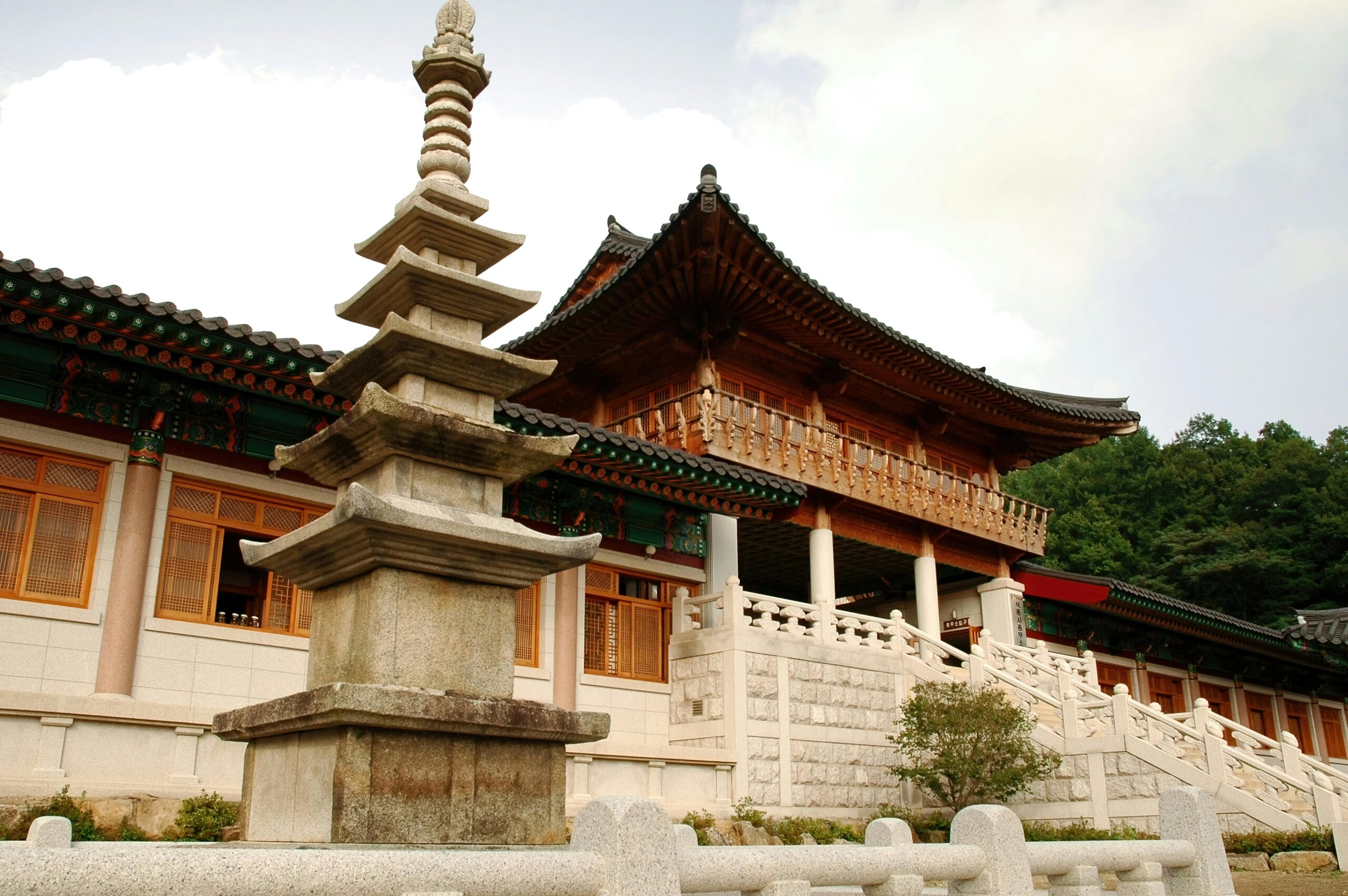
- Morning – Visit Jogyesa or another central temple for a quiet walk around the courtyard.
- Lunch – Try a temple-food course meal at Balwoo Gongyang or a simpler plant-based restaurant nearby.
- Afternoon – Wander around Insadong’s side streets and finish at a hanok tea house like Jeontong Dawon for herbal tea and rice cakes.
Seoul: Temple Food Class + Tea
- Late Morning / Afternoon – Join a cooking or tasting class at the Korean Temple Food Center (many sessions are designed for foreigners and sometimes offer interpreters).
- After Class – Walk to a nearby tea house in Insadong for a quiet hour with tea, journaling, or reading.
Busan: Mountain Temple + Sea Breeze
- Daytime – Head to Beomeosa Temple or another mountain temple for a templestay or just a daytime visit, including a simple temple-style meal if available.
- Evening – Return to the city and visit a café or tea house for dessert and tea, keeping the same slow, reflective pace.
💸 Budget, Etiquette & How to Book Calm Experiences
Budget Snapshot
- Temple food restaurants (course menus):
Often in the range of ₩30,000–₩80,000+ per person, depending on course and time of day. - Temple cafeterias/simple meals:
Sometimes donation-based or inexpensive, especially when included in templestays. - Templestay programs:
Many overnight stays fall roughly around ₩60,000–₩100,000 per night, including meals and activities (varies by temple and program). - Traditional tea houses:
Teas usually range around ₩7,000–₩15,000, more if you add snacks or bingsu.
Etiquette Basics
- Dress modestly at temples: shoulders and knees covered, no loud slogans.
- Speak quietly, especially in prayer halls and dining areas.
- Follow the “take only what you’ll finish” idea during temple meals; wasting food is frowned upon.
- At tea houses, it’s fine to linger, but keep volume low and avoid big video calls.
How to Book
- For templestays, use the official Templestay website or local tourism board pages; many have English booking options.
- For temple food restaurants, reservations are often recommended—especially for places like Balwoo Gongyang.
- Tea houses usually accept walk-ins, but small or famous ones can get busy during weekends and holidays.
❓ Frequently Asked Questions
Traditional temple food avoids meat, fish, and animal products and even skips pungent allium vegetables like garlic and onion.
Some modern “temple-inspired” restaurants may bend those rules slightly, so if you’re strictly vegan, it helps to confirm when you order.
No. Templestays were designed to help visitors, local and international, experience Korean Buddhist culture, regardless of religion. The focus is on mindfulness, cultural understanding, and rest, not conversion.
At major spots:
- Many templestay programs, temple food centers, and central tea houses in Seoul offer some English support, translated leaflets, or simple English menus.
- In smaller local places, you may need to rely on photos, simple phrases, or translation apps, but staff are usually patient and kind.


Comments
No Comments