
For most of the year, Seoul's five grand palaces are beautiful but static, places you walk through and photograph rather than places where anything is actually happening. For a little over a week each autumn, that changes completely. The 2026 K-Royal Culture Festival runs October 7 through 11, and it's built specifically around turning those palaces and the nearby Jongmyo Shrine into working stages again.
Jump to:
🏯 What the Festival Actually Is
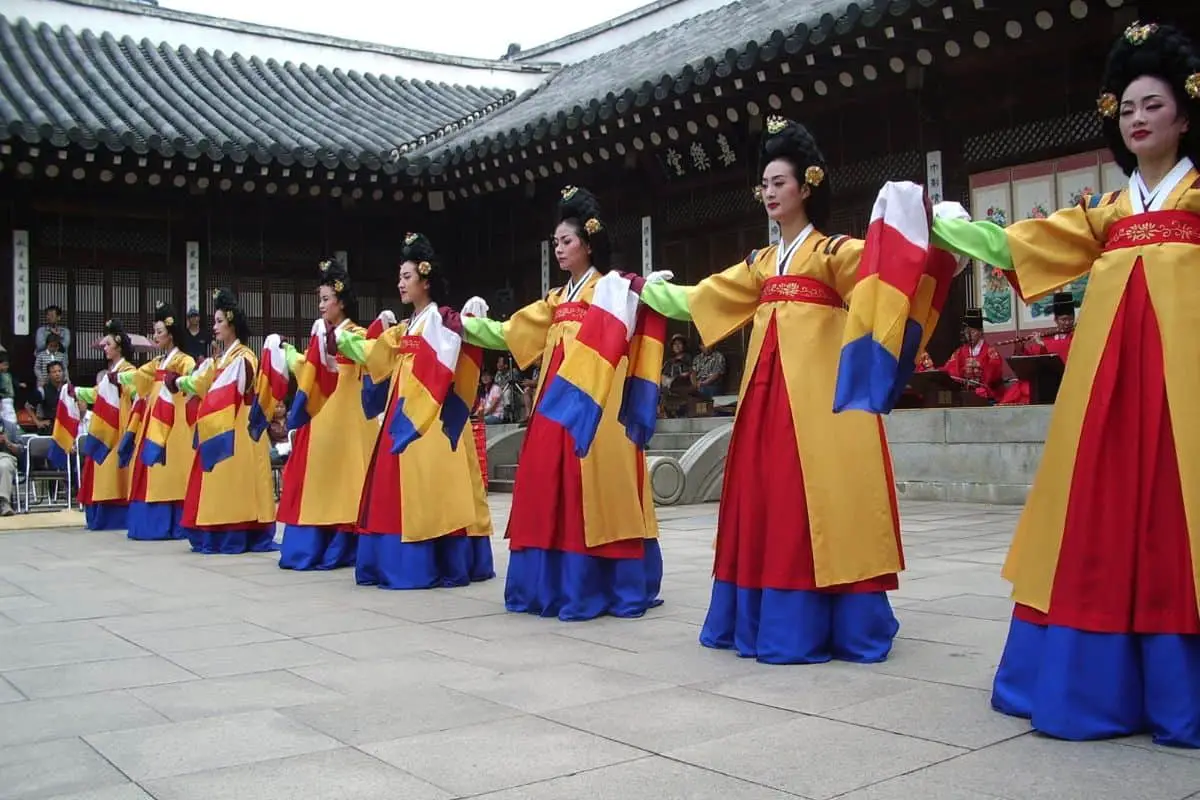
The K-Royal Culture Festival is Korea's flagship national heritage festival, presenting performances, exhibitions, hands-on experiences, and historical reenactments across Seoul's five grand palaces and Jongmyo Shrine. It's less a single event than a coordinated program spread across multiple historic sites simultaneously, meaning the experience changes significantly depending on which palace you visit and when.
👑 Why the Palaces Themselves Are the Draw
Most of the year, a palace visit is self-guided: you walk the grounds, read placards, and imagine what court life might have looked like. During the festival, that imagining gets replaced with an actual reconstruction, performers in period dress, staged ceremonies, and reenactments designed to show what these spaces were built for in the first place. It's the same instinct behind the growing interest in royal court cuisine, where a historical practice gets recreated closely enough that visitors can actually experience it rather than just read about it.
🎭 Hands-On, Not Just Watch-From-a-Distance
A defining feature of the festival is its hands-on programming alongside the performances, activities that let visitors try elements of royal-era culture themselves rather than only observing. That distinguishes it from a lot of heritage festivals elsewhere that lean entirely on spectacle, and it's a big part of why it draws repeat visitors who come back for a different palace or a different hands-on session each year.
🌙 Jongmyo Shrine's Different Register
Jongmyo Shrine, included alongside the five palaces in this year's programming, operates on a more solemn register than the palace performances. As the site where royal ancestral rites were traditionally performed, its inclusion adds a layer of the festival that's less pageantry and more ceremony, worth building into a visit if the palace performances are the main draw but you want to see the full range of what royal Seoul actually involved.
🍂 Timing It With the Rest of Fall in Seoul
Early-to-mid October in Seoul tends to bring the first real hints of autumn color, making a festival visit easy to pair with a broader fall itinerary. If ghost stories and folklore are more your speed than court ceremony, the same season is also a good window for exploring the darker side of Korean heritage covered in our guide to haunted Korea, since several of the same historic sites carry their own local legends alongside their royal history.
❓ Frequently Asked Questions
The Autumn Edition runs October 7 through October 11, 2026, across Seoul's five grand palaces and Jongmyo Shrine.
Many outdoor performances and exhibitions are free to attend, though some hands-on experiences and special programs may require advance registration or a separate ticket; checking the official festival schedule closer to the dates is recommended since programming varies by location.
There's no single correct answer since programming differs by site, but visitors short on time often prioritize Gyeongbokgung for its scale and Changdeokgung for its more intimate, garden-integrated setting.
Yes. The hands-on activities and reenactments are generally designed to be accessible and engaging for visitors of all ages, not just history enthusiasts.
Comments
No Comments