
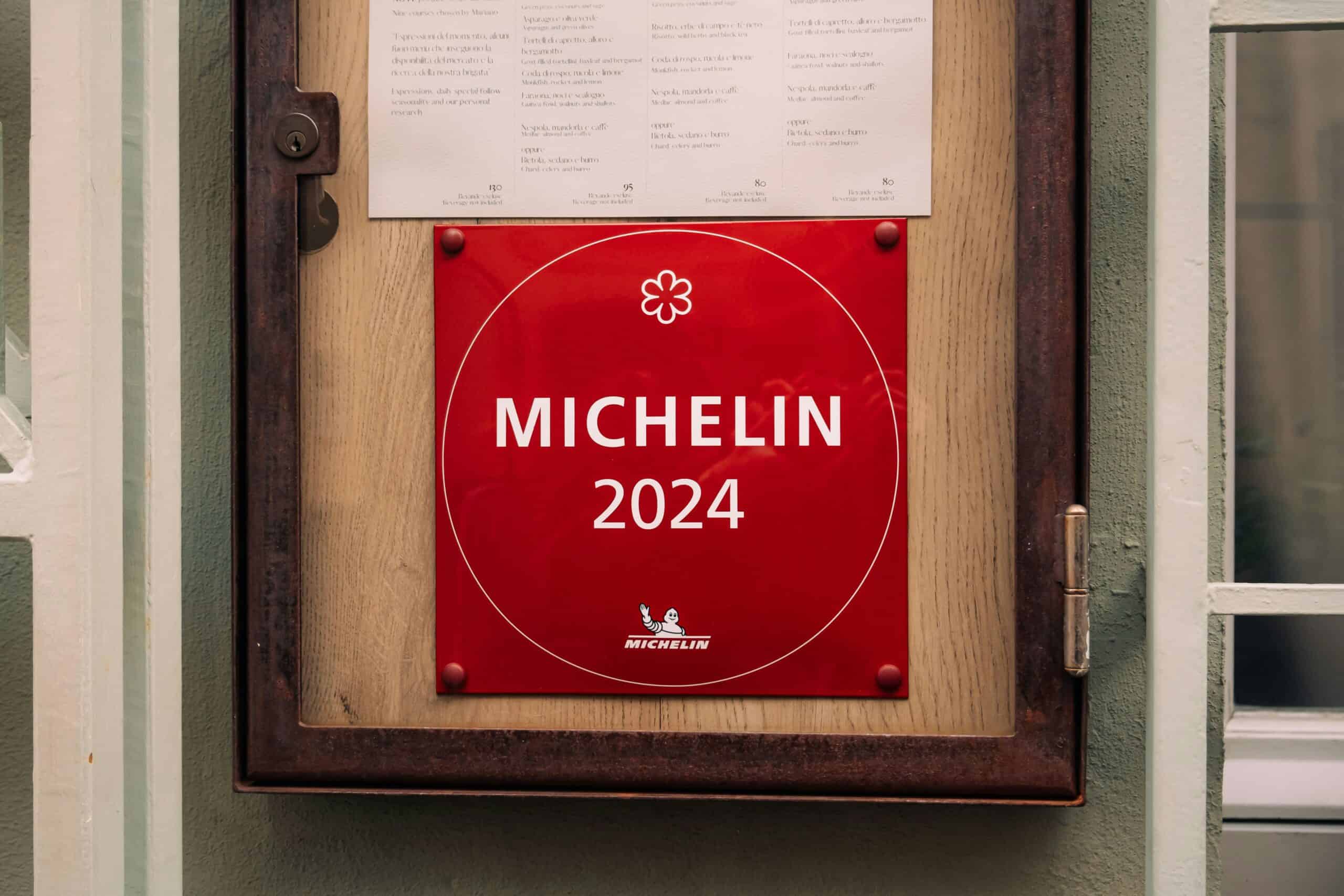
Seoul’s food scene in 2026 is wild in the best way: steaming bowls of kalguksu in jam-packed alleys, icy naengmyeon in old-school dining rooms, and multi-course tasting menus that feel more like theater than dinner. One of the easiest ways to navigate it all is to use the MICHELIN Guide Seoul & Busan, which now covers 40 starred restaurants across South Korea plus dozens of Bib Gourmand picks and “Selected” spots.
The list below pulls from the most recent MICHELIN Guide for South Korea (2025 edition) plus early 2026 Bib Gourmand updates, so it stays as current as possible for trips in 2026. It moves from budget-friendly noodle and dumpling joints up to three-star fine dining, so it’s easy to plug one or two into any Seoul itinerary.
Jump to:
🍽️ How to Use the Seoul Michelin Guide in 2026
Before diving into the restaurants, a quick snapshot of what the MICHELIN categories actually mean:
- Stars (★, ★★, ★★★)
Focus on the food, not the decor. One star = “worth a stop,” two stars = “worth a detour,” three stars = “worth a special journey.” - Bib Gourmand
Not about luxury – it highlights places that offer good quality, good value cooking at more modest prices. Seoul now has over 50 Bib Gourmand spots across the capital alone. - Selected Restaurants (no symbol)
These don’t carry stars or Bib Gourmand status but have been singled out by inspectors as worth a visit, often with strong neighborhood vibes or a tight menu done really well.
The restaurants below are grouped into budget, mid-range, and fine dining so it’s easy to match them to whatever the trip (and wallet) looks like.
💸 Budget-Friendly Bib Gourmand Heroes (₩)
These are the places to get classic Korean comfort food that locals genuinely queue for, all recognized as Bib Gourmand in the MICHELIN Guide.
1. Myeongdong Kyoja (명동교자) – Kalguksu & Mandu in the Shopping District
MICHELIN category: Bib Gourmand
Myeongdong Kyoja runs on a laser-focused, four-item menu: hand-cut knife noodles in rich chicken broth (kalguksu), plump mandu (dumplings), cold bibim-guksu, and rice with meat sauce. The broth is deep and garlicky, the noodles are chewy, and the kimchi is famously intense – you can smell it before it hits the table.
Why it belongs on a 2026 list:
- Still packed daily thanks to its central location in Myeongdong and consistent quality.
- Great “first meal in Seoul” option: extremely low decision fatigue, short wait times, fast turnover.
- MICHELIN highlights it as a staple for simple, satisfying bowls that over-deliver for the price.
Best for:
A comforting lunch in between skincare shopping and street food grazing.
2. Woo Lae Oak (우래옥) – Old-School Bulgogi & Cold Noodles
MICHELIN category: Bib Gourmand
Woo Lae Oak dates back to the 1940s and is now a heritage name for Pyeongyang-style naengmyeon and classic bulgogi in Seoul. The naengmyeon arrives in a chilled beef broth that’s clean and subtle rather than spicy, with buckwheat noodles that are firm but bouncy.
Why it belongs on a 2026 list:
- MICHELIN notes the historical roots and the way the restaurant maintains North Korean–style recipes from the founder’s home region.
- Bulgogi is grilled over charcoal at the table, so there’s theater without full-on BBQ chaos.
- Naengmyeon is a perfect summer-in-Seoul dish and beloved year-round.
Best for:
Travelers interested in the “heritage” side of Korean food, not just trends.
3. Bongsanok (봉산옥) – Hwanghae-Style Dumpling Soup
MICHELIN category: Bib Gourmand
Bongsanok specializes in Hwanghae-style mandu-guk: big, slightly rustic dumplings in a light beef broth, tracing its flavors to what is now North Korea’s Hwanghae Province.
Why it belongs on a 2026 list:
- Celebrated by MICHELIN for its regional focus and handmade dumplings.
- Feels cozy and local, not touristy, even though it’s in the guide.
- Perfect for cold or rainy days, or as a gentle, warming meal after spicy food marathons.
Best for:
A quiet, comforting meal that still checks the “Michelin-listed” box.
🍲 Mid-Range Favorites for a Special Meal (₩–₩₩₩)
These spots are still accessible – they don’t hit three-star tasting menu prices – but they feel more “destination” than everyday. Expect lines or reservations and a bit more ceremony.
4. Buchon Yukhoe (부촌육회) – Raw Beef in the Heart of Gwangjang Market
MICHELIN category: Bib Gourmand
At Buchon Yukhoe, the star is yukhoe – Korean-style seasoned raw beef, usually served with pear, egg yolk, and sesame oil. MICHELIN highlights it as one of the key reasons Gwangjang Market keeps drawing both locals and tourists for “real” market flavors.
Why it belongs on a 2026 list:
- Recognized for careful ingredient handling: fresh beef, clean prep, consistent seasoning.
- Add a yukhoe gimbap or live octopus (san-nakji) if everyone at the table is feeling brave.
- Eating here turns Gwangjang from a photo stop into an actual meal.
Best for:
Adventurous eaters who want to try raw beef in a respected, well-regarded setting.
5. Gomtang Lab – Modern Take on Beef Bone Soup
MICHELIN status: Selected restaurant / Bib-level comfort (in the guide’s Seoul section)
Gomtang Lab is one of chef Yim Jung-sik’s side projects, focused on gomtang – a slow-simmered beef bone soup that’s all about collagen-rich, milky broth. It’s been spotlighted in coverage of Korea’s new-wave comfort food, and MICHELIN lists it as a recommended spot in Seoul.
Why it belongs on a 2026 list:
- Takes a very traditional dish and polishes it: deep flavor, clean presentation, better ingredients.
- Still far more casual and affordable than full fine dining at Jungsik.
- Great “bridge” restaurant for travelers moving from street food to more chef-driven spots.
Best for:
Anyone who wants to taste how modern chefs are upgrading everyday Korean dishes.
6. Seokyonanmyunbang (석요냉면방) – Refined Cold Noodles
MICHELIN status: Bib Gourmand / Selected
Seokyonanmyunbang is part of the new wave of noodle-focused eateries, doing cold buckwheat noodles with serious attention to broth clarity, buckwheat ratio, and toppings. MICHELIN’s write-ups and local coverage describe it as a place where naengmyeon is treated almost like a tasting dish rather than a quick lunch.
Why it belongs on a 2026 list:
- Helps show how deep Korean noodle culture runs – especially beyond mainstream spots.
- Broths and toppings change a bit with the seasons, keeping things interesting.
- Lines can form, but turnover is fast.
Best for:
Travelers who already love naengmyeon and want a slightly more “chef-y” version.
7. Gosari Express – Plant-Forward Everyday Korean
MICHELIN category: Bib Gourmand (new addition)
Gosari Express is a plant-forward, everyday Korean restaurant that made the new Bib Gourmand list for 2026, praised for its vegetable-based plates and balanced flavors.
Why it belongs on a 2026 list:
- Proof that Seoul’s Michelin scene isn’t just meat-heavy BBQ and luxury tasting menus.
- Good option for mixed groups where some people want lighter or mostly-vegetarian meals.
- Bib Gourmand status means it’s still considered good value by inspectors.
Best for:
Plant-curious or vegetarian-leaning travelers who still want “real” Korean flavors.
🥂 Big-Splash Fine Dining: Seoul’s Star-Studded Icons
These are the “save-up-and-go” restaurants – the ones that show up in international rankings and food media, and that often need reservations weeks (or months) ahead.
8. Mingles (미들스) – Three-Star Modern Korean
MICHELIN category: ★★★ (three stars, 2025)
Mingles is currently South Korea’s only three-star restaurant in the MICHELIN Guide, after being elevated from two to three stars in the 2025 Seoul & Busan selection. Chef Mingoo Kang is known for weaving classic Korean pantry elements like jang (fermented pastes) and cho (vinegars) into contemporary plates that wouldn’t look out of place in Paris or Copenhagen.
What to expect:
- Multi-course tasting menus that explore seasonal Korean ingredients in unexpected forms.
- A dining room in Cheongdam-dong that feels polished but not stiff.
- Strong wine pairings and a globally recognized level of execution.
Best for:
Travelers who want the flagship modern Korean fine-dining experience in 2026.
9. Jungsik (정식당) – Two-Star “New Korean” Pioneer
MICHELIN category: ★★ (two stars, 2025)
Jungsik is often credited with pioneering “New Korean” – Michelin-level tasting menus built around Korean flavors and techniques. Its Seoul branch holds two Michelin stars in the 2025 guide, while its New York outpost has three.
What to expect:
- Elegant, composed dishes that reference banchan, gimbap, and classic Korean ingredients in very refined ways.
- A polished dining room in Gangnam’s Cheongdam area, with service that matches its star level.
- Tasting menus that feel like a tour of how far Korean fine dining has come over the last decade.
Best for:
Food travelers who like seeing tradition transformed rather than preserved one-to-one.
10. Onjium (온지음) – Royal Court Cuisine Reimagined
MICHELIN category: ★ (one star, 2025)
Onjium is part restaurant, part cultural institute: chefs Cho Eun-hee and Park Sung-bae study historical royal court recipes and then reinterpret them in a minimalist, modern dining room near Gyeongbokgung Palace. It holds one Michelin star and has been climbing Asia’s 50 Best Restaurants list.
What to expect:
- Tasting menus that unfold like a history lesson: pheasant broth, soy-braised beef, seasonal banchan made from old manuscripts.
- A calm, almost museum-like space with views and references to royal Seoul.
- Optional pairings that highlight Korean liquors and traditional drinks.
Best for:
Travelers fascinated by history and heritage who still want a polished, modern meal.
🚇 Practical Tips: Reservations, Neighborhood Pairings & Budgeting
A few planning notes to make these Michelin stops easier to slide into a 2026 Seoul itinerary:
- Reservations
- Fine-dining spots like Mingles, Jungsik, and Onjium usually require advance bookings via Catchtable or direct websites; same-day walk-ins are rare.
- Bib Gourmand spots often still run on walk-ins, but lunch and dinner peaks can mean queues.
- Neighborhood pairings
- Myeongdong Kyoja & Woo Lae Oak → pair with a Myeongdong shopping stroll or Namsan visit.
- Buchon Yukhoe → make it part of a Gwangjang Market crawl.
- Mingles, Jungsik, Gomtang Lab, Seokyonanmyunbang → all tie in nicely with Gangnam/Cheongdam or Apgujeong shopping and café hopping.
- Onjium → perfect after a Gyeongbokgung Palace visit or Samcheong-dong walk.
- Budget framing (very rough)
- Bib Gourmand noodle/mandu markets: typically in the “everyday meal” range for locals; inspectors highlight them specifically for good value.
- Fine dining: expect seasonal tasting menus at Mingles, Jungsik, and Onjium to sit firmly in special-occasion territory, closer to other major Asian capitals’ pricing.
❓ Frequently Asked Questions
As of early 2026, the latest fully published star ratings for Seoul are from the 2025 MICHELIN Guide for South Korea, which lists 40 starred restaurants, plus Bib Gourmand and Selected spots. This blog uses those official listings plus Bib Gourmand updates announced ahead of the 2026 guide (like Gosari Express), so it’s aligned with the most recent public information when planning for travel in 2026.
Most of the list focuses on Korean food in different forms – from traditional naengmyeon and dumpling soup to modern tasting menus at Mingles, Jungsik, and Onjium. However, chefs often bring in international techniques and influences, especially at the fine-dining level (for example, Mingles and Jungsik are known for blending Korean ingredients with global methods).
Yes. That’s exactly where Bib Gourmand and many “Selected” restaurants come in: they highlight spots where inspectors feel the food is excellent and the pricing is still reasonable. Places like Myeongdong Kyoja, Woo Lae Oak, Bongsanok, Gomtang Lab, Buchon Yukhoe, Seokyonanmyunbang, and Gosari Express are all ways to taste guide-listed food without committing to a multi-course tasting menu.


Comments
No Comments