
Dessert in Korea is not just “something sweet after dinner” anymore. It is a full thing: people line up for it, post it, hunt limited drops, and sometimes build half a day around trying one trending item before it disappears.
That pace is part of why Korea’s dessert scene feels so alive right now. The Korea Times described the country’s food scene as one where viral snacks and desserts rise fast through social media buzz, scarcity, and novelty, while Korea JoongAng Daily reported long lines and fast sellouts around trend desserts all through late 2025 and early 2026.
🍰 Why dessert culture in Korea feels so big right now
A lot of this comes down to two things: café culture and trend speed. In Korea, dessert is often part of a full café outing, not just a quick bite. At the same time, food trends move fast, especially once TikTok, Instagram, YouTube Shorts, and convenience stores get involved.
Recent reporting in Korea described long lines for baked goods as so common that “bread pilgrimage” has become everyday language, which tells you dessert is not sitting quietly in the background anymore.
It also helps that desserts now sit across different spaces at once. A trend can start in a bakery, get copied by cafés, then land in convenience stores, where it reaches even more people.
CU’s new dessert-focused branch in Seongsu is a perfect example: it opened in February 2026 with extra cream breads, fruit sandwiches, and a version of the viral Dubai chewy cookie because demand for sweets had grown fast enough to support an entire specialty store.
🍞 The cream-filled craze is still going strong
If one dessert family has really defined the current moment, it is cream-heavy bread. Korea JoongAng Daily reported that CU’s Seongsu Dessert Park put cream buns and seasonal sweet breads front and center, and the chain said its Yonsei Milk Cream Bread series is on track to reach 100 million cumulative sales. That is not a small niche trend anymore; that is a full-blown dessert category.
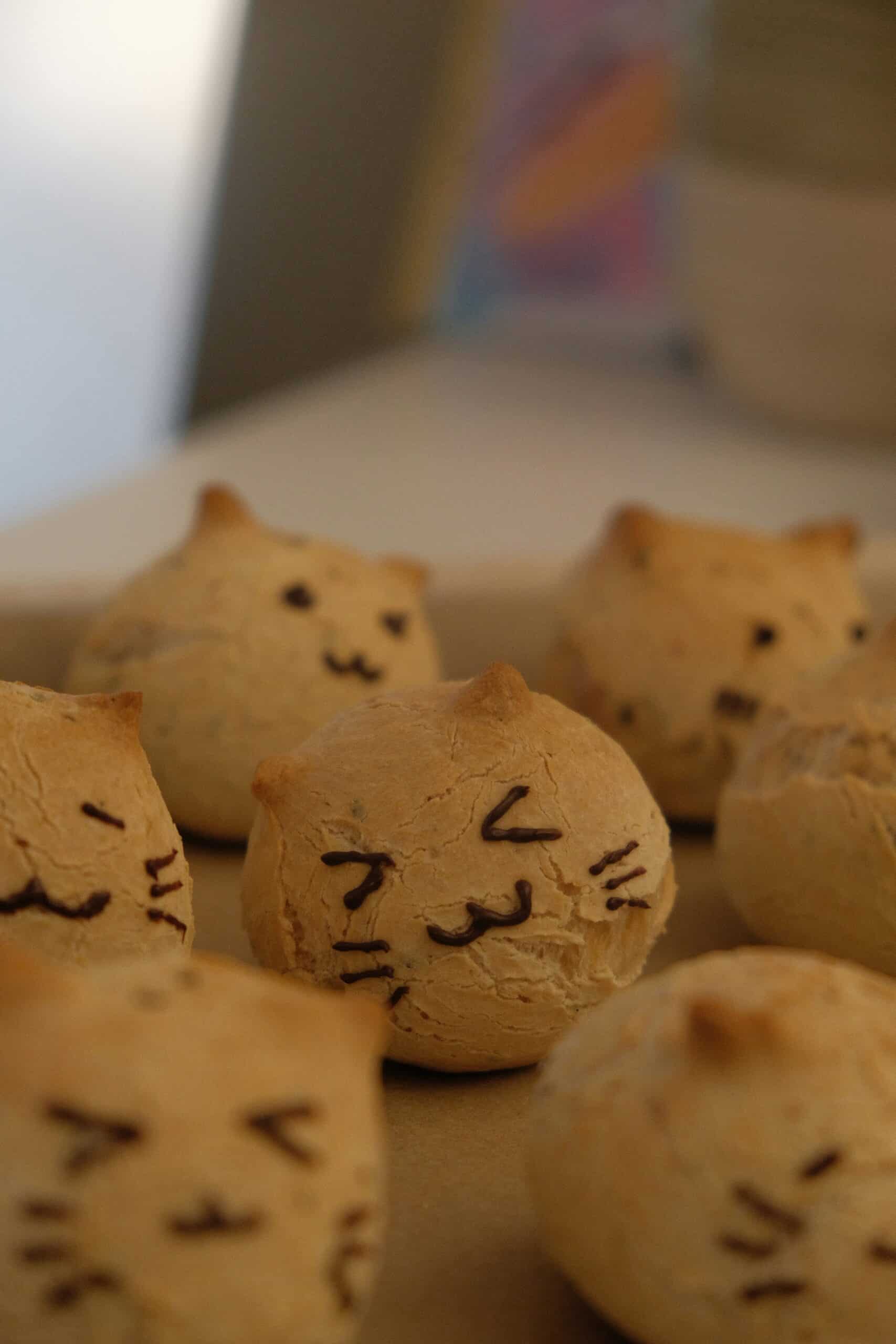
Part of the appeal is honestly how over-the-top it is. Korean cream breads are often soft, fluffy, and visibly overstuffed, which makes them fun to photograph and satisfying in a very immediate way. The Korea Times also noted that Korea’s current bread obsession is tied to a broader “bread pilgrimage” culture, where people queue for bakery items that feel trend-driven, emotional, and very shareable.
🍓 Seasonal fruit desserts still make people lose their minds
Fruit desserts are another huge part of the craze, especially in winter and spring. The Korea Times wrote that in Korea, winter practically turns pink because strawberry cakes, limited-edition strawberry desserts, and glossy berry displays take over cafés and social feeds every year.
It also reported that Korean strawberries have become especially prized for sweetness and quality, which helps explain why they keep turning into full dessert events instead of just a topping.
That seasonal pattern matters because Korea is very good at turning fruit into urgency. When strawberry season hits, cafés start dropping cakes, drinks, sandos, and cream desserts all at once.
Then the cycle moves on. In convenience stores, CU said it rotates fruit sandwiches in and out based on trends, which shows how quickly fruit-based dessert hype now moves from cafés into retail shelves too.
🧁 Convenience store desserts and café desserts are now feeding each other
One of the most interesting things about dessert culture in Korea right now is that convenience stores and cafés are no longer in totally separate worlds. They are bouncing trends off each other.
The CU Seongsu dessert branch was built around this exact idea: people come in for trending sweets, customize desserts on-site, and treat the store as an experience instead of just a place to pay and leave.
That means convenience stores are no longer just the “cheap version” of café desserts. Sometimes they are where trends spread fastest. Korea JoongAng Daily said CU’s dessert sales rose 62.3 percent last year, and the company openly framed the dessert-focused branch as a response to rising interest in K-desserts from both local and international customers.
📱 Social media can turn one dessert into a national obsession overnight
This might be the biggest reason the dessert scene feels so intense. Once one item catches on, it spreads fast. Korea JoongAng Daily’s year-end sweets roundup described 2025 dessert hits as foods that sparked long lines, sold out within hours, and sent people constantly refreshing apps to secure them.
The Korea Times said the same broader pattern applies across Korea’s viral food culture: social media, scarcity, and novelty keep pushing trends up fast, even if they fade just as quickly later.
The Dubai chewy cookie is the clearest example. It became one of Korea’s biggest dessert obsessions in late 2025 and early 2026, with bakeries selling out before opening and customers lining up hours early.
Korea JoongAng Daily reported one bakery selling out all 400 cookies by 10:30 a.m., before its official opening time, while the Korea Times and later coverage said the trend moved so hard it inspired copycats, price pressure, and then almost immediately made room for the next craze.
And now that “next craze” is already here. In March 2026, the Korea Times reported that butter rice cakes were emerging as the next viral dessert after the Dubai chewy cookie, with long lines forming at bakeries and social media helping push the trend among younger consumers. Korea JoongAng Daily later added that the boom was already showing signs of cooling, which honestly says everything about how fast dessert trends move in Korea right now.
🍧 The classics are still here, and they are not getting pushed out
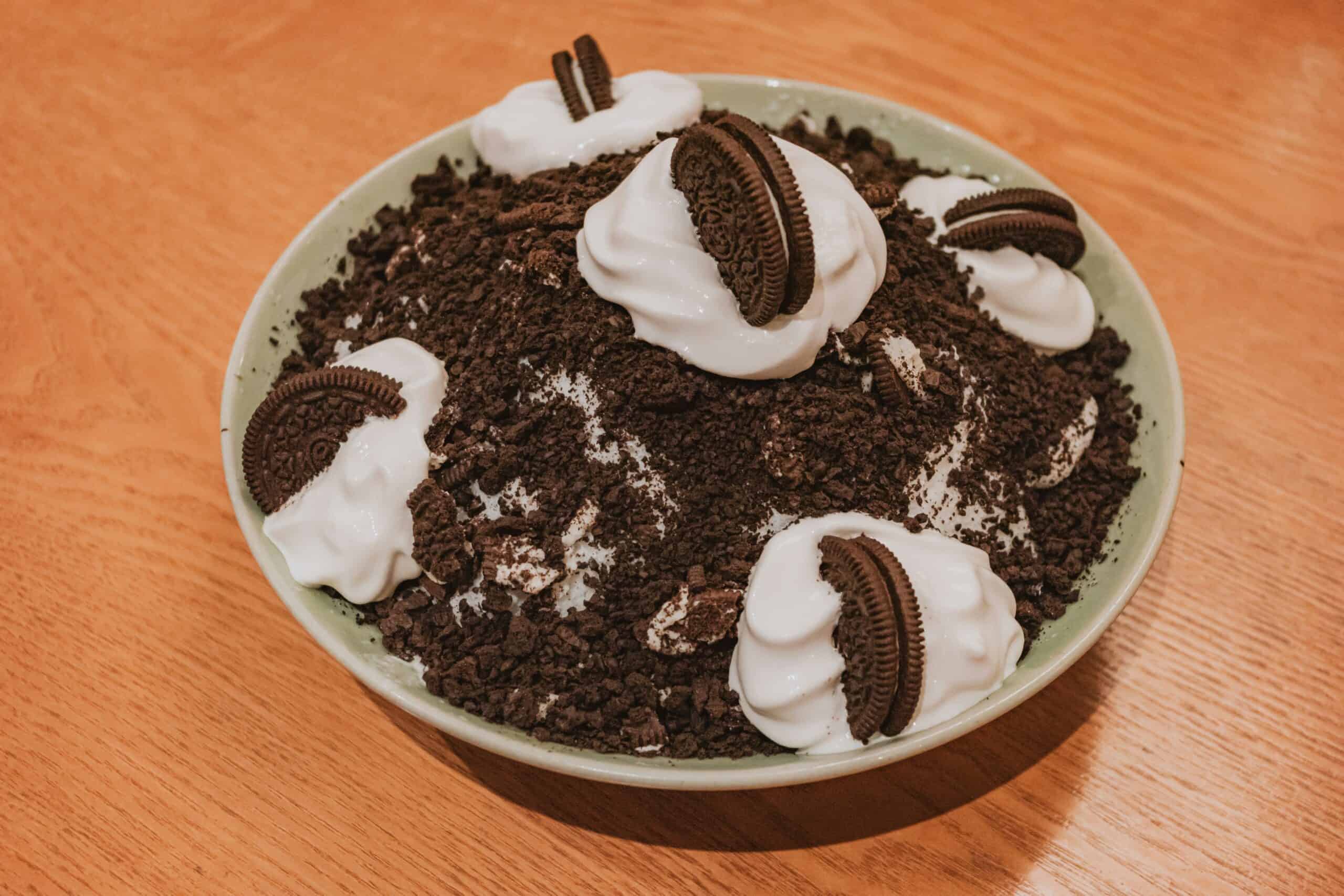
Even with all the flashy new stuff, classic Korean desserts still hold their place. Bingsu is the easiest example. The Korea Times described it as a Korean summer essential that has grown from a simple shaved-ice dessert into everything from traditional red bean versions to fruit-heavy and even luxury-style bowls. It is still one of the most recognizable Korean desserts for a reason.
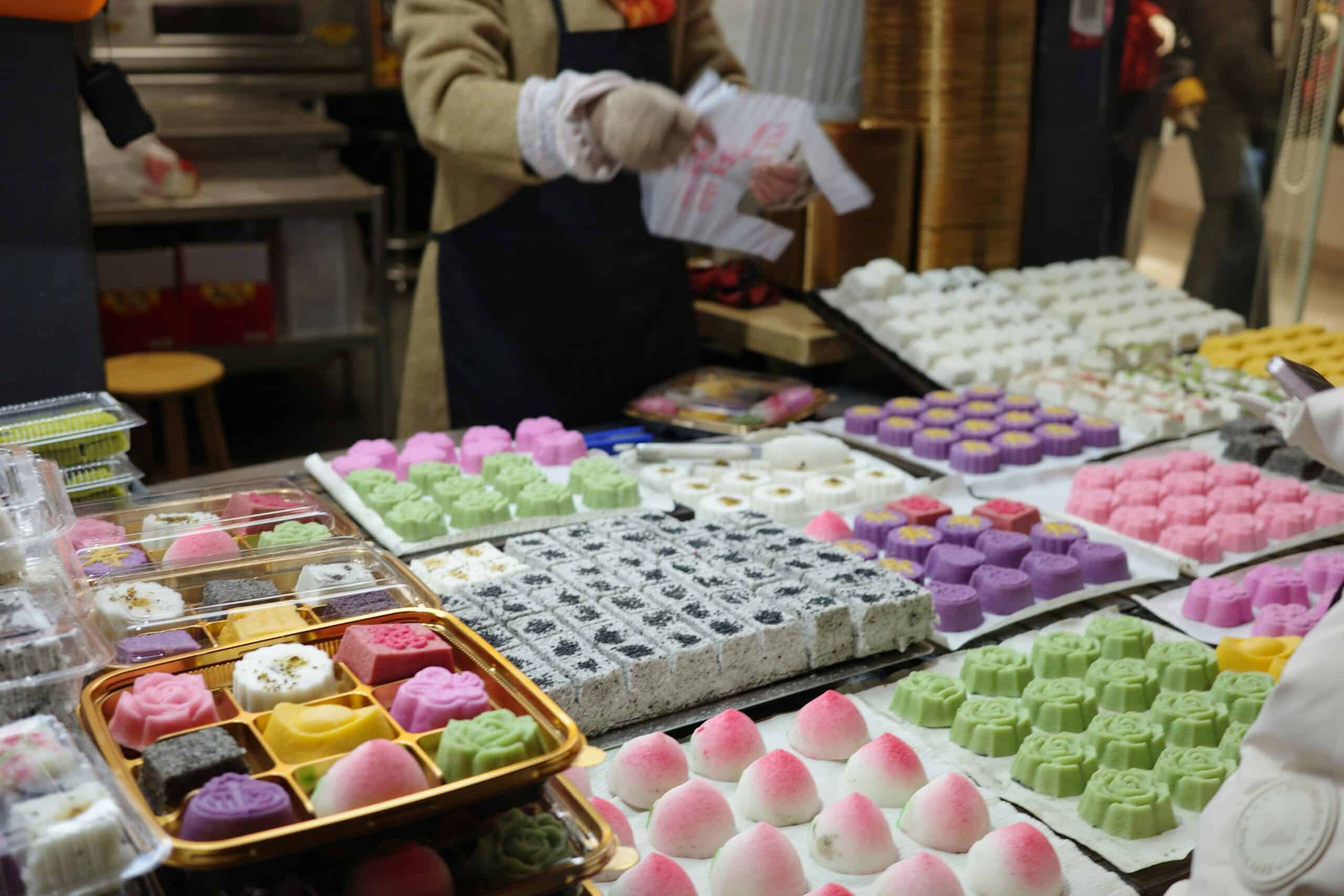
Traditional sweets are also getting a real comeback. In January 2026, the Korea Times said younger Koreans were lining up for rice cakes and yakgwa, calling them “halmaenial desserts,” basically grandma-style sweets rediscovered by younger people through a more modern lens.
The article also said yakgwa has been made smaller and lighter so it works better as a café snack instead of the heavier old-school version some younger people used to avoid.
So the dessert scene is not just about new things replacing old things. It is more like old desserts getting refreshed while new ones explode around them.
💡 How to try Korea’s dessert crazes without wasting money or time
The easiest mistake is trying to chase every viral thing. That gets expensive fast, and not every trend is worth the line. A smarter move is to split your dessert plan into three lanes: one current viral item, one seasonal fruit dessert if the timing is right, and one classic.
That way you get the full picture without turning your trip into a sugar emergency. The rise-and-fall pattern the Korea Times described is a good reminder that not everything trendy ends up being that memorable.
It also helps to go early for hype-heavy bakery items. The Dubai chewy cookie boom showed how quickly things can sell out, sometimes even before official opening. On the flip side, classics like bingsu or café yakgwa are usually easier to fit into a normal day without that kind of pressure.
❓ Frequently Asked Questions
Some are, especially the cream breads and trend-driven bakery items. But the overall scene has range. Bingsu can feel lighter and more refreshing, while updated yakgwa and rice cakes are being marketed as gentler café sweets rather than heavy sugar bombs.
Sometimes yes, sometimes not really. The Dubai chewy cookie clearly delivered enough novelty and texture to create a huge wave of demand, but Korea’s own trend coverage keeps pointing out how fast these crazes rise and fade. It is worth trying one or two, just not every single one.
Café desserts usually feel more polished, seasonal, and experience-based. Convenience store desserts move faster, are easier to access, and often act like the “mass version” of a trend once it takes off. In 2026, though, the gap is smaller than it used to be, especially with dessert-focused branches like CU’s Seongsu store.


Comments
No Comments