
Have you ever underestimated the heat of chili peppers or powders added to your dish? Me, always! This has frequently led me to overly spicy homemade Asian sauces and spicy chicken sauce recipes. Well, fret not, as I've got some of the best ways to make sauce less spicy.
You can make sauce less spicy by diluting it with broth, adding dairy, adding acidic ingredients, and adding starch. But this isn't all you can do to fix a spicy sauce, so let's hop in!
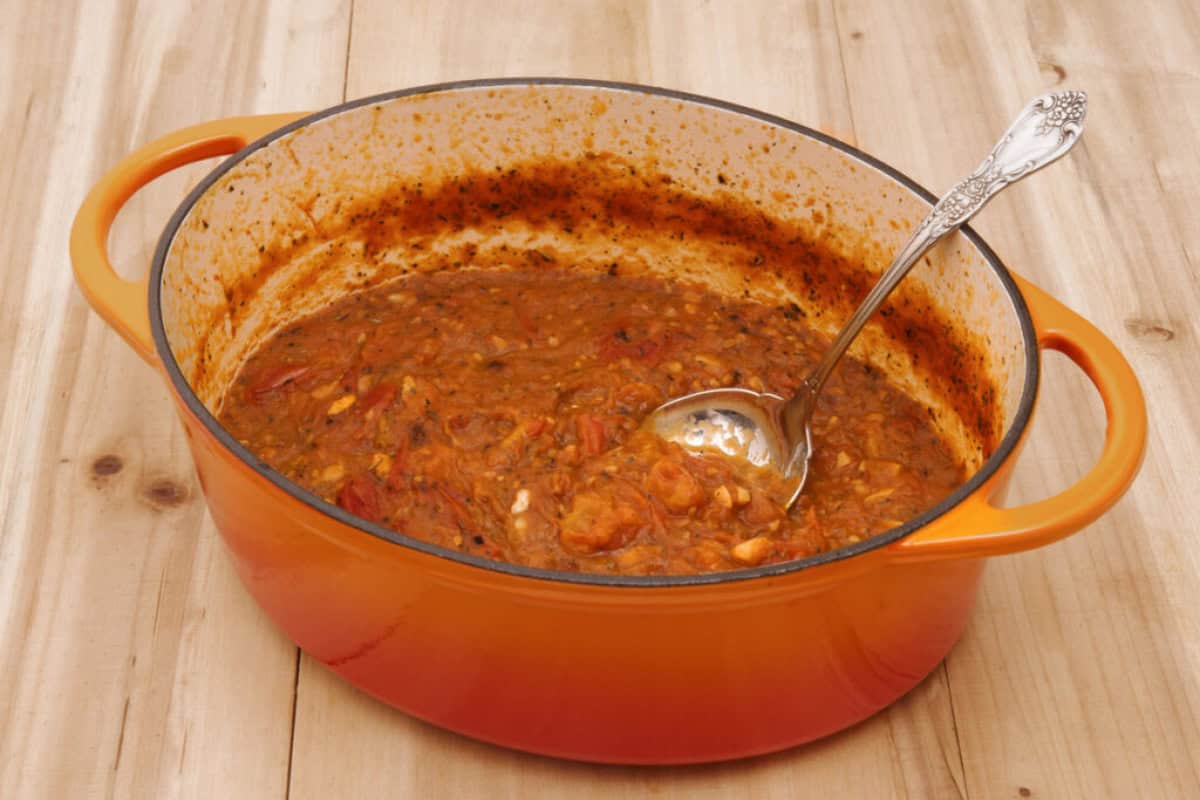
🤷 What Causes Sauce to Become Spicy?
Excessive Use of Chili Peppers: Adding too many chili peppers or using particularly spicy varieties can make sauce overly spicy.
Spicy Seasonings: Using spices like cayenne pepper, black pepper, or red pepper flakes generously can contribute to the spiciness of the sauce.
Spicy Sauces or Condiments: Incorporating hot sauces, chili pastes, or other spicy condiments liberally in cooking can intensify the spiciness of sauce.
Incorrect Pepper Handling: Failing to remove seeds or membranes from peppers, where much of the capsaicin is concentrated, can result in a spicier sauce than intended.
💡 9 Ways to Make Sauce Less Spicy
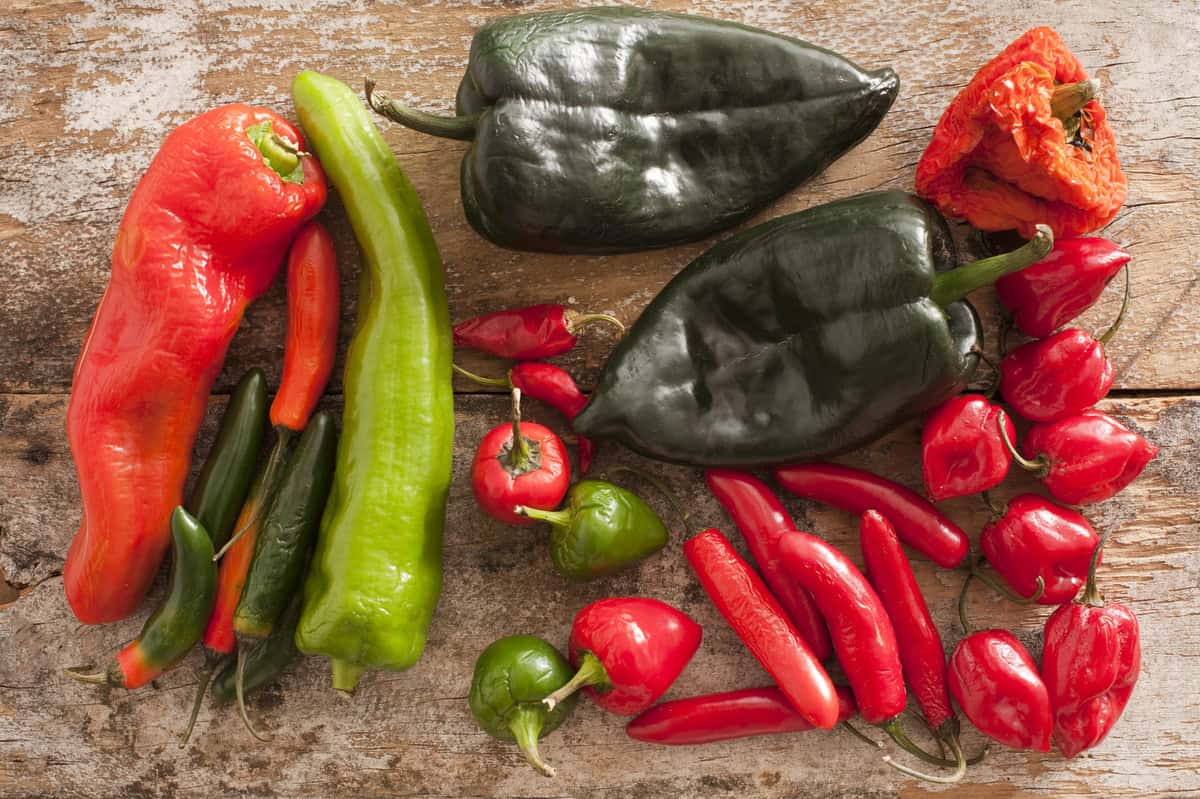
Choose the right type of pepper to use.
While this applies largely if you haven't produced a spicy sauce yet, choosing the type of pepper in your dish makes a big difference. Some recipes require certain peppers to achieve that authentic flavor only known to the dish. Substituting it with a milder one will save you the fiery heat. You could also try removing some of the pepper seeds or use scotch bonnet pepper substitutes, bird's eye chili substitutes, and poblano pepper substitutes, to name a few.
Increase the Amount of your Base Ingredients
You can make your dish less spicy by adding more major components or base ingredients. This is the best universal strategy for calming spicy dishes. Just determine the base ingredients of the sauce and increase/double the amount used. This could be vegetables, proteins, or starches. You'll get a larger quantity of what you're making but a considerably less spicy sauce. Just make sure to adjust the seasoning depending on how much you add.
Double Up the Recipe but without the Spicy Ingredient
The best way to make a sauce less spicy is to remake it without the spicy ingredient and then add it to the original. After, combine it with the spicy batch. The capsaicin in the hot dish is slowly absorbed by the additional ingredients (from the new batch) as it sits, reducing its severity over time. The heat in the dish should be more manageable by then, but make sure to adjust the seasoning to taste
Add an Acidic Ingredient
Using acidic ingredients like lemon juice, lime juice, vinegar, or citrus zest can help reduce the spiciness of a sauce by balancing it out with tartness. The acidity of these ingredients helps mellow the sauce out without overpowering the flavor. It also helps the heat receptors found in the tongue become less sensitive to heat, which is great for both in and out of the sauce.
Increase the Amount of Dairy in the Sauce
Dairy counteracts some of the capsaicin chemical reactions, cooling down spicy foods. Any full-fat dairy product will suffice in your sauce recipe, provided that dairy is already an ingredient in the recipe or you are using a roux of sorts. Adding dairy is also a great way to thicken sauce and make it tastier and creamier.

Add Any Kind of Broth to the Sauce
Even if your sauce or dish doesn't call for broth, you can rely on it to taper the heat. Broth as an additional ingredient will complement the recipe while balancing the spiciness and adding flavor. Any broth will do, so long as it complements your sauce. You can make your own chicken stock concentrate and dilute it a little to make a broth. You can also just use beef broth substitutes for similar or better flavor options.
Add Starch
Thickening the sauce with starches like cornstarch, flour, or arrowroot powder can help reduce the spiciness of sauce. These starches absorb some of the spiciness and distribute it more evenly throughout the sauce. They also release molecules that interact with the capsaicin compounds responsible for the spiciness. You can thicken sauce without cornstarch and flour by using different thickening agents, adding more ingredients, or reducing the sauce.
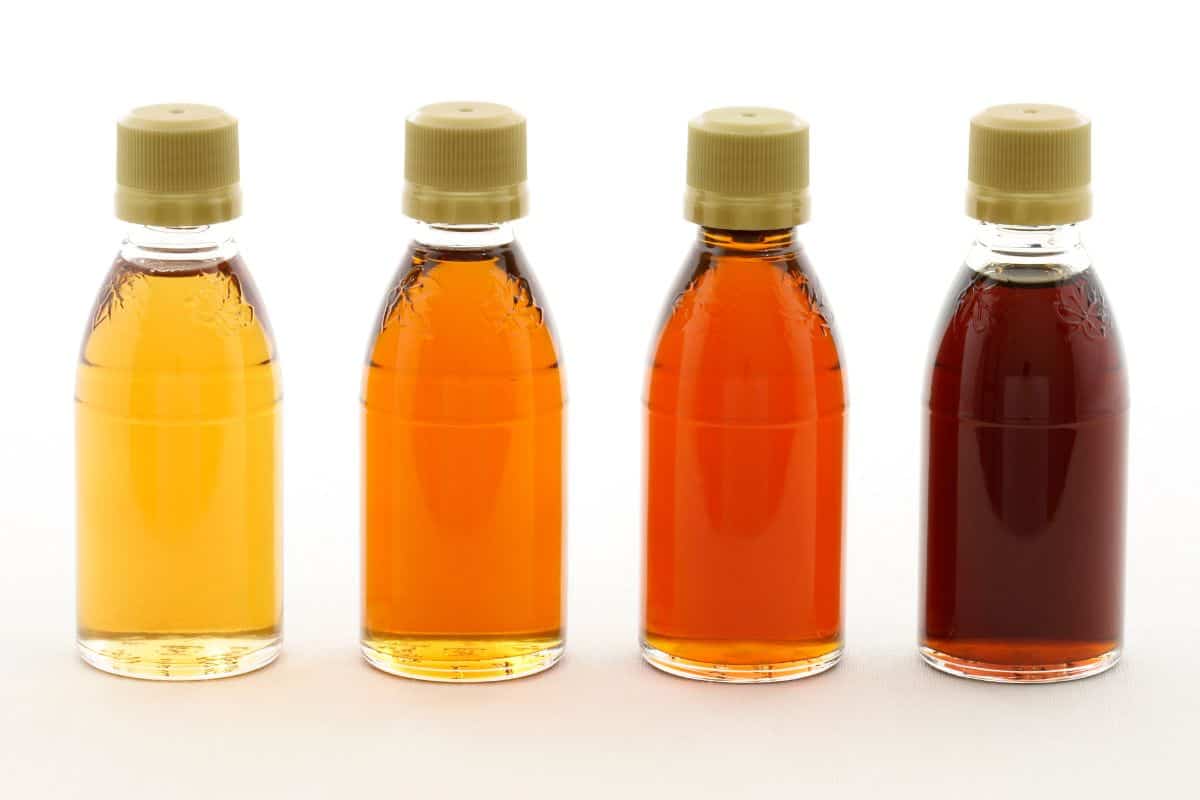
Add a Sweetener
When in doubt, increase or add sweetness to a dish to achieve a gentler and more balanced dish. A teaspoon of sugar or a drizzle of honey may be precisely what your chili sauce requires to temper the heat. Sweetness acts as a diversion from the heat because sweet flavor may overpower spice. They can change the texture and taste of the sauce, as some add bulk or increase the volume. You can use maple syrup substitutes or agave nectar alternatives to remedy this.
Add Fat like Butter or Olive Oil
Because capsaicin in chili peppers is oil soluble, you can reduce the heat by adding fat. If your sauce can handle it, try using butter or olive oil to dilute the capsaicin and make the burn more acceptable. You can add oil to some meals and then drain it off to remove some of the heat. Nut butters work best, too, like some almond butter substitutes. Just remember that whether you ground them fine or leave them coarsely crushed, they can change the texture and flavor of your sauce.
🧐 FAQs
The spiciness in food comes from compounds called capsaicinoids found in chili peppers, which stimulate receptors in the mouth that perceive heat. These trigger a sensation of burning or warm which vary in intensity depending on the type and concentration of pepper used.
If you want to get rid of the spicy taste, you can try drinking milk or eating yogurt. Another option is to eat foods that are high in starch, such as bread or rice. The starch helps to absorb the capsaicin and reduce the heat.
Adding sugar to a spicy sauce can help to reduce the heat. The sweetness of the sugar can help to counteract the spiciness of the sauce.

Comments
No Comments