
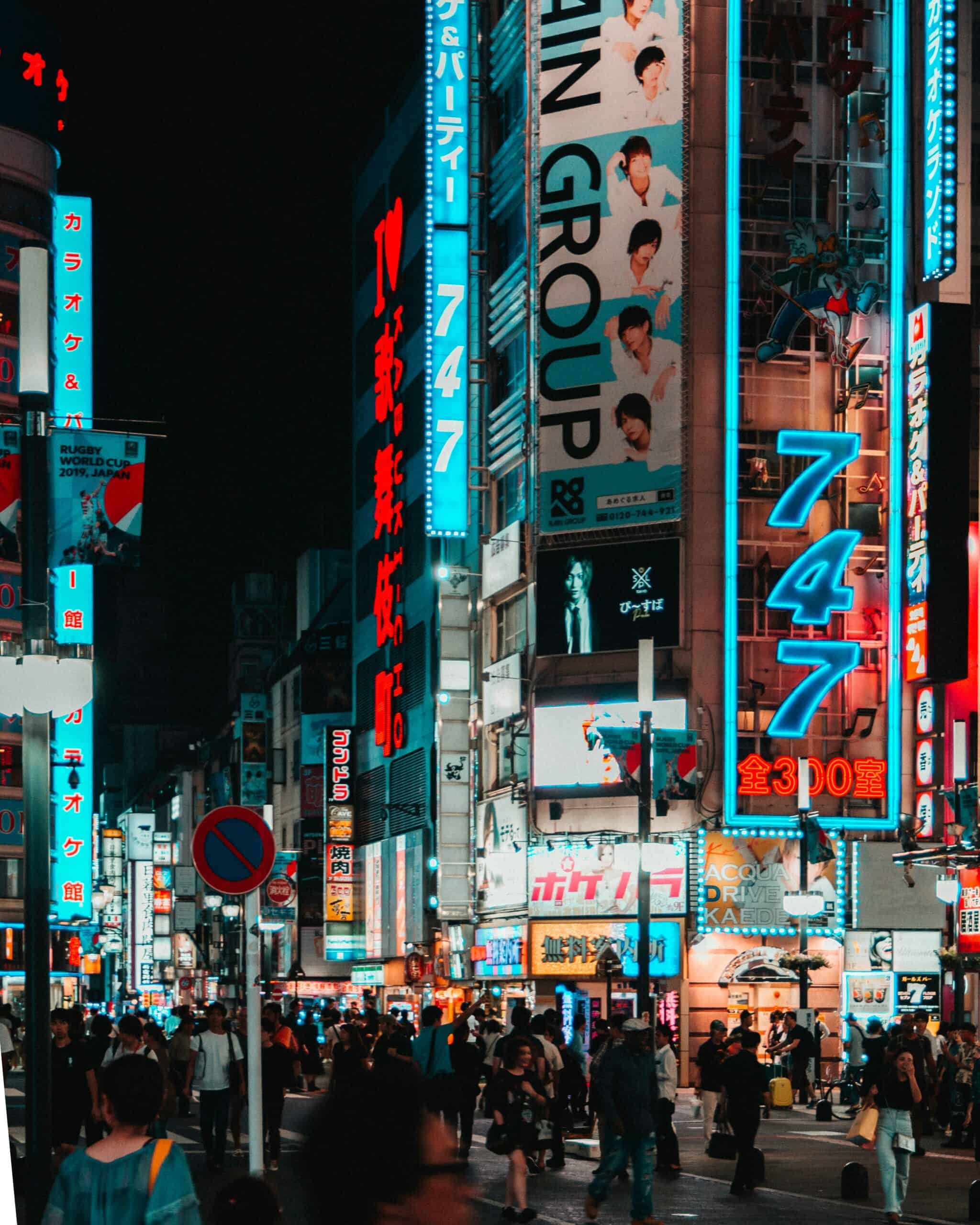
If weekdays in Korea are all about rushing, subways, and late-night work messages, weekends are the city’s collective exhale.
People sleep in, meet friends, hike mountains that are somehow always crowded, spend hours in cafés, and end the night with BBQ, karaoke, or convenience store snacks at 2 a.m. It’s not just clubs and neon signs (though those exist too), it’s a mix of cozy, noisy, outdoorsy, and lazy, all at once.
Here’s a look at how people in Korea actually spend their weekends, beyond the drama scenes and tourist checklists.
Jump to:
- 🕰️ Weekend Rhythm in Korea: Late Nights, Slow Mornings
- 🥾 Morning Plans: Hiking, Brunch & Market Runs
- ☕ Afternoons in the City: Cafés, Shopping Streets & Study Sessions
- 🎮 Chill Hangouts: PC Bangs, Noraebang & Game Rooms
- 🍻 Nightlife: From Izakaya-Style Bars to Clubs & Late-Night Eats
- 👨👩👧 Family & Couple Weekends: Dates, Day Trips & Staycations
- ❓ Frequently Asked Questions
- 💬 Comments
🕰️ Weekend Rhythm in Korea: Late Nights, Slow Mornings
Because work and school days can be long, commutes, after-hours messages, late-night study, weekends are precious. A “typical” rhythm for many people looks something like:
- Friday night: dinner or drinks with coworkers, classmates, or friends; sometimes going home late.
- Saturday morning: sleep in, do laundry, light cleaning, or grab a slow brunch.
- Saturday afternoon & night: main social time, dates, meetups, shopping, events, nightlife.
- Sunday: quieter. Café time, study catch-up, family meals, church for some, or just resting and mentally prepping for Monday.
Not everyone follows this pattern, of course, but you’ll definitely feel the “late Friday / slow Saturday / reset Sunday” energy once you’re there.
🥾 Morning Plans: Hiking, Brunch & Market Runs
Hiking Culture
Koreans love hiking enough that popular mountains are busy even at sunrise.
On weekends, you’ll see:
- Groups of friends or older hikers in matching gear heading up nearby mountains.
- Families taking easier trails with kids.
- People packing simple snacks, kimbap, or ramen for the summit.
It’s exercise, socializing, and stress relief all in one. For many, hiking is a ritual: climb, eat, chat, then come back down for a late lunch.
Brunch & Cafés
On the less outdoorsy side, brunch is a whole thing, especially among younger people.
- Cafés serve brunch-style plates: eggs, toast, pancakes, salads, pasta.
- Popular brunch spots can have queues, especially around late morning to early afternoon.
- People linger, chatting, journaling, or scrolling on their phones.
Market & Grocery Runs
For families and older adults, a weekend morning might look like:
- Visiting a traditional market to buy fresh produce, side dishes (banchan), and snacks.
- Doing a full grocery run at big supermarkets or warehouse stores.
- Picking up treats like fried chicken, tteok, or baked goods for later.
It’s practical, but still part of that “weekend routine” flow.
☕ Afternoons in the City: Cafés, Shopping Streets & Study Sessions
Once it hits afternoon, cities and towns start to buzz.
Cafés as Second Living Rooms
Cafés in Korea are more than just coffee stops, they’re places to:
- Study or work with laptops.
- Chat with friends for hours over one drink (sometimes there are time limits, but not always).
- Take photos; many cafés are designed to be “Instagrammable.”
You’ll find:
- Minimalist cafés with clean interiors.
- Dessert cafés with cakes, bingsu, and pastries.
- Themed cafés with plants, books, or unique decor.
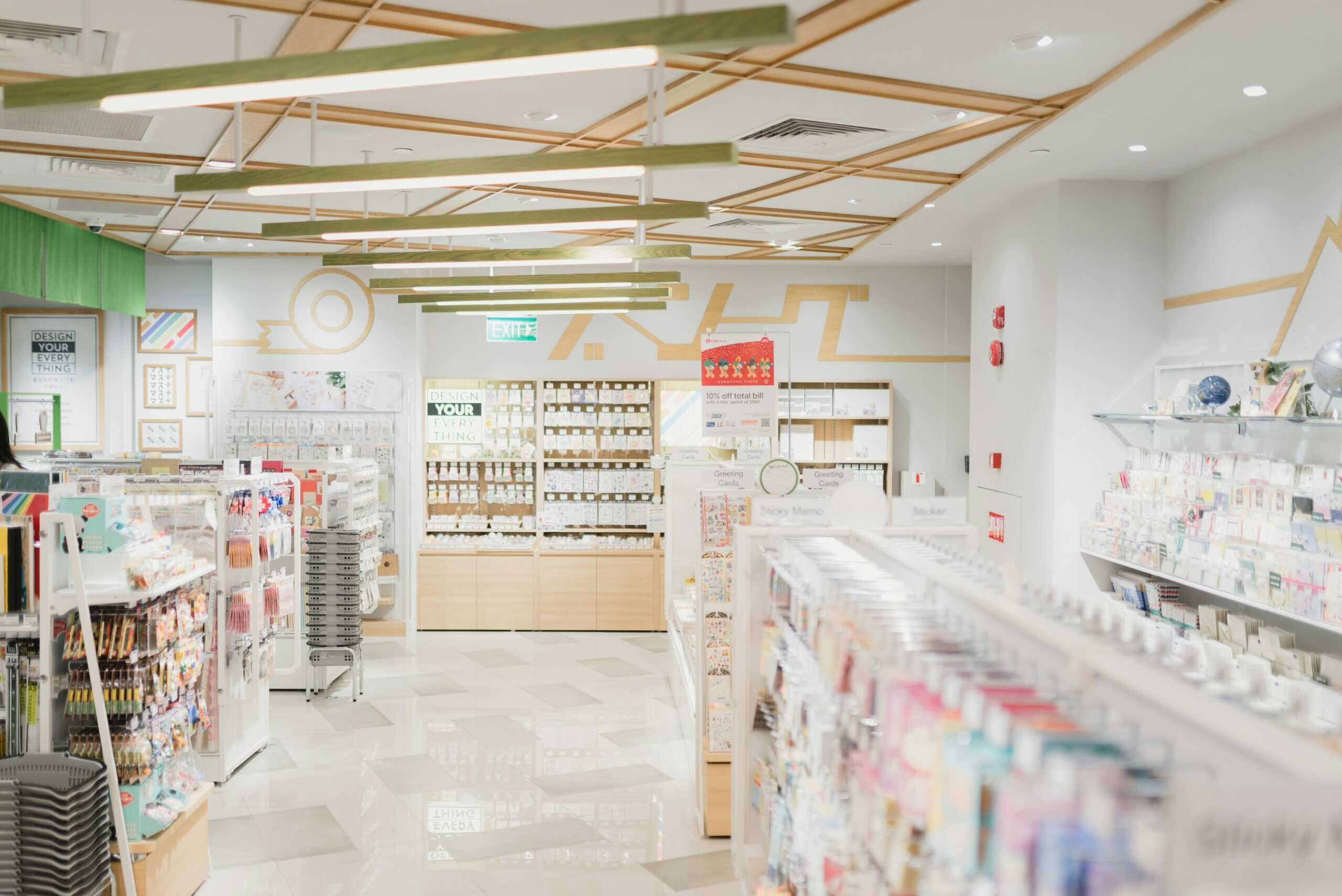
Shopping & Wandering
Popular shopping neighborhoods fill up on weekends:
- People browse clothes, beauty products, accessories, and lifestyle shops.
- Street performers, pop-up booths, and snack stalls appear in busier areas.
- Window-shopping counts as a weekend activity, no purchase required.
Study Sessions
Students don’t always get “study-free” weekends. You’ll see:
- University and high school students in cafés or study cafés with individual desks.
- People prepping for exams, language tests, or job applications.
- Laptops, notebooks, and iced Americanos everywhere.
It’s very normal to mix leisure and productivity in one afternoon: study first, then dinner or a movie.
🎮 Chill Hangouts: PC Bangs, Noraebang & Game Rooms
Korea has a whole ecosystem of casual indoor hangouts that are especially popular on weekends.
PC Bangs (PC Rooms)
These are gaming cafés with fast PCs, comfy chairs, snacks, and drinks.
- Friends come to play online games together for a few hours.
- You can order food straight to your seat.
- It’s relatively cheap and open late, making it a classic teen and young adult hangout.
Noraebang (Karaoke Rooms)
Private singing rooms are weekend staples.
- Groups of friends, couples, or coworkers rent a room by the hour.
- You pick songs from a huge catalog, sing, shout, dance, and generally be chaotic in private.
- It’s a go-to option after dinner and drinks.
Game & Board Game Cafés
You’ll also find:
- Arcades with claw machines, rhythm games, basketball hoops.
- Board game cafés where you can rent games and order snacks.
- Room escape games for puzzle-solving friend groups.
These spots are perfect if the weather’s bad, people just want to chill indoors, or they’re looking for something fun but not too physically demanding.
🍻 Nightlife: From Izakaya-Style Bars to Clubs & Late-Night Eats
Weekend evenings are when cities really light up.
Dinner & Drinks
Common patterns:
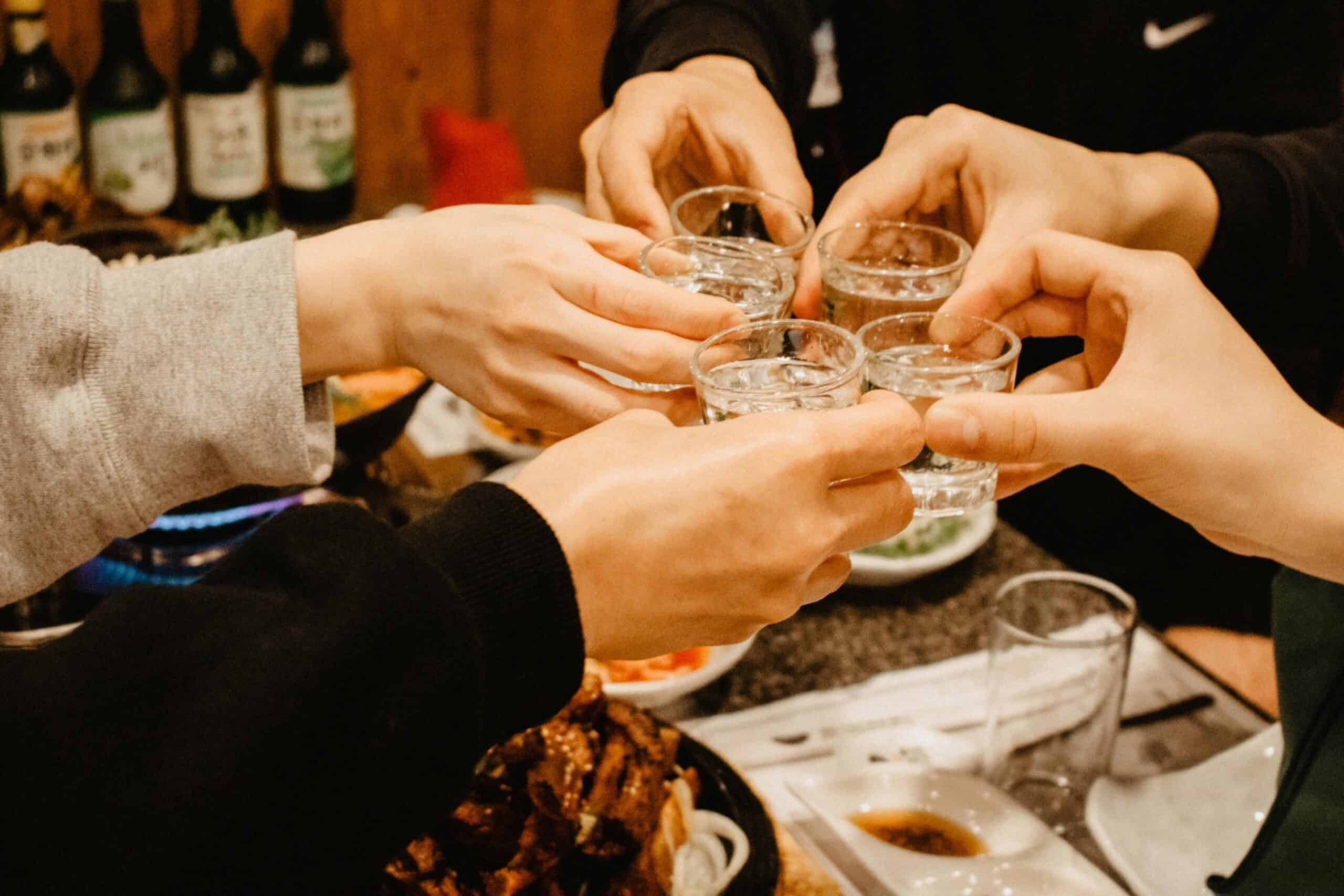
- Korean BBQ with soju and beer (samgyeopsal + soju is a classic).
- Casual pubs or izakaya-style spots with small plates (anju) and drinks.
- Chicken & beer (chimaek) at fried chicken places.
People might:
- Have a full dinner.
- Then go for a second round (itae) at another spot.
- Sometimes even a third round at a bar, noraebang, or convenience store.
Clubs & Bars
In bigger cities, clubbing and bar-hopping is part of weekend culture for some:
- Dance clubs with K-pop, EDM, or hip-hop.
- Cocktail bars, speakeasies, or wine bars.
- Standing bars or tiny neighborhood spots where regulars and bartenders know each other.
Not everyone goes clubbing, but for those who do, weekends are prime time.
Convenience Store Nights
For a simpler vibe:
- Sitting outside a convenience store with instant ramen, kimbap, snacks, and canned drinks.
- Talking, laughing, people-watching, and enjoying the fact that convenience stores are everywhere and open late.
It’s low-budget, low-pressure, and very “real life Korea.”
👨👩👧 Family & Couple Weekends: Dates, Day Trips & Staycations
Couple Weekends
Couples often turn weekends into mini date days:
- Café hopping and dessert dates.
- Watching movies at the cinema or at home with delivery food.
- Walking along rivers, parks, or popular streets.
- Visiting exhibitions, pop-up events, or photo spots.
Sometimes it’s simple, just matching outfits, strolling, and eating something good.
Family Time
For families, weekends might include:
- Outings to parks, riversides, or playgrounds.
- Visits to kids’ cafés, aquariums, zoos, or museums.
- Meals at family-friendly restaurants or at home with special dishes.
For many parents, it’s a balance between giving kids fun experiences and catching up on rest and chores.
Staycations
Another rising trend: staycations.
- Booking a hotel in the same city for one night.
- Using the pool, spa, and lounge areas.
- Ordering room service or eating out nearby.
It’s a way to feel “away” without major travel.
❓ Frequently Asked Questions
Most shops, cafés, restaurants, and entertainment spots are open, and often busier, on weekends. Some smaller businesses might close on Sundays or pick a random weekday off instead, but in major areas you’ll have plenty of options.
Yes, but expect more crowds. The upside: you’ll see local life in full swing, friends hanging out, couples on dates, families out together. If you prefer quieter sightseeing, you might plan popular attractions for weekday mornings and save cafés, markets, and riverside walks for weekends.
Both are common. You’ll see friend groups, couples, families, and also lots of people alone, studying in cafés, shopping, walking along the river, or going to movies solo. Going out by yourself doesn’t stand out as strange.

Comments
No Comments