
Maybe it's a basic gravy or a more elaborate pasta sauce that you want to thicken up. Perhaps you wanna make it a tad bit less spicy. Using either a roux, a slurry, or a reduction will help you thicken sauce.
But a sauce will only be as good as the ingredients used to make it - these are a few of the techniques on how to thicken sauce that'll make your okay sauce into the PERFECT SAUCE!
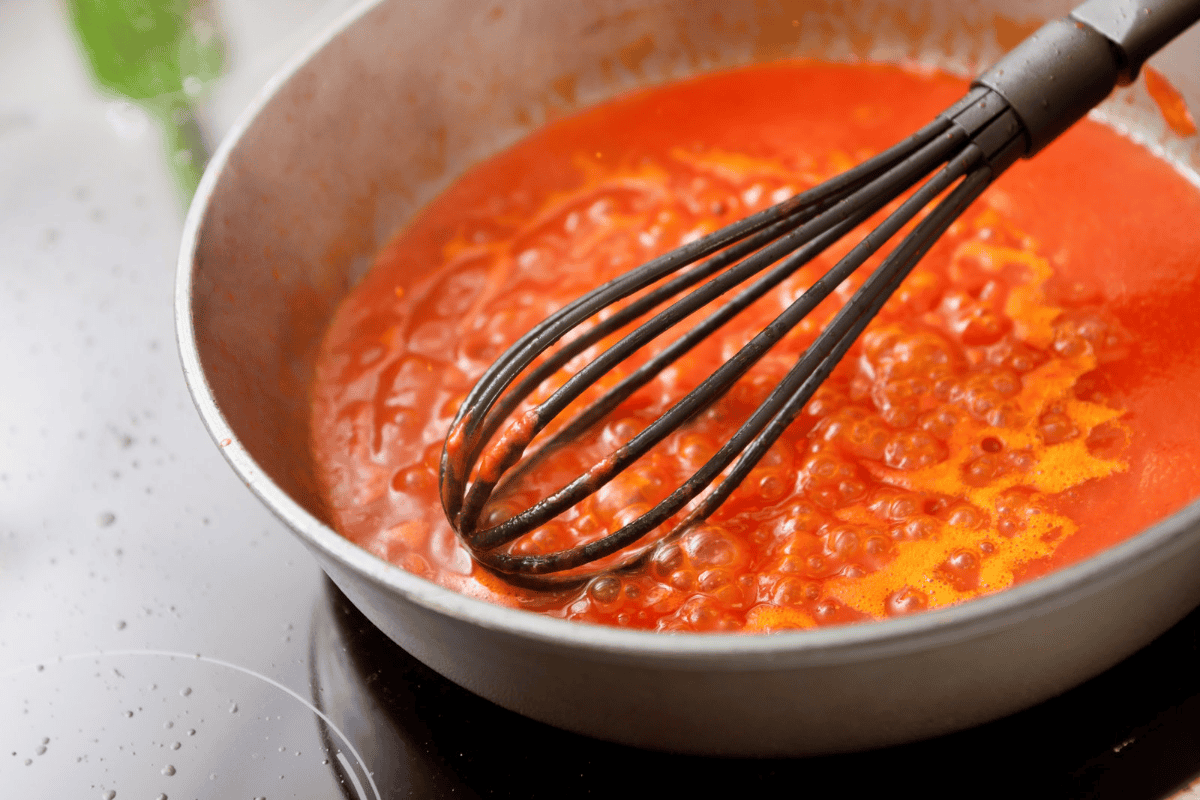
🥣 How to Thicken Sauces
You can thicken sauces by reducing the sauce, flour, butter, breadcrumbs, and much more. Make sure that the taste somewhat matches if possible, but if these options aren't enough, I've got many more.
Reduce the Liquid
This is regarded as one of the most popular techniques in cooking to thicken sauce. The gist of it involves simmering the sauce until the liquid evaporates, creating a sauce that's thicker and smoother with a more intense flavor.
You can do this by heating your sauce in a saucepan over medium heat until it comes to a gentle simmer, then reduce the heat to low and stir the sauce occasionally. But keep your eyes peeled on the sauce and stir it frequently to prevent it from burning or boiling over.
Flour
Using flour for thickening is a traditional method, though it contains gluten, which may be a concern for some. To employ this technique, create a roux by cooking equal parts flour and fat until a paste forms, then gradually whisk in the desired liquid until the sauce reaches the desired consistency.
It's crucial to start with a small amount of flour, as adding too much can make the sauce starchy, and adjust gradually to achieve the perfect thickness for your dish.
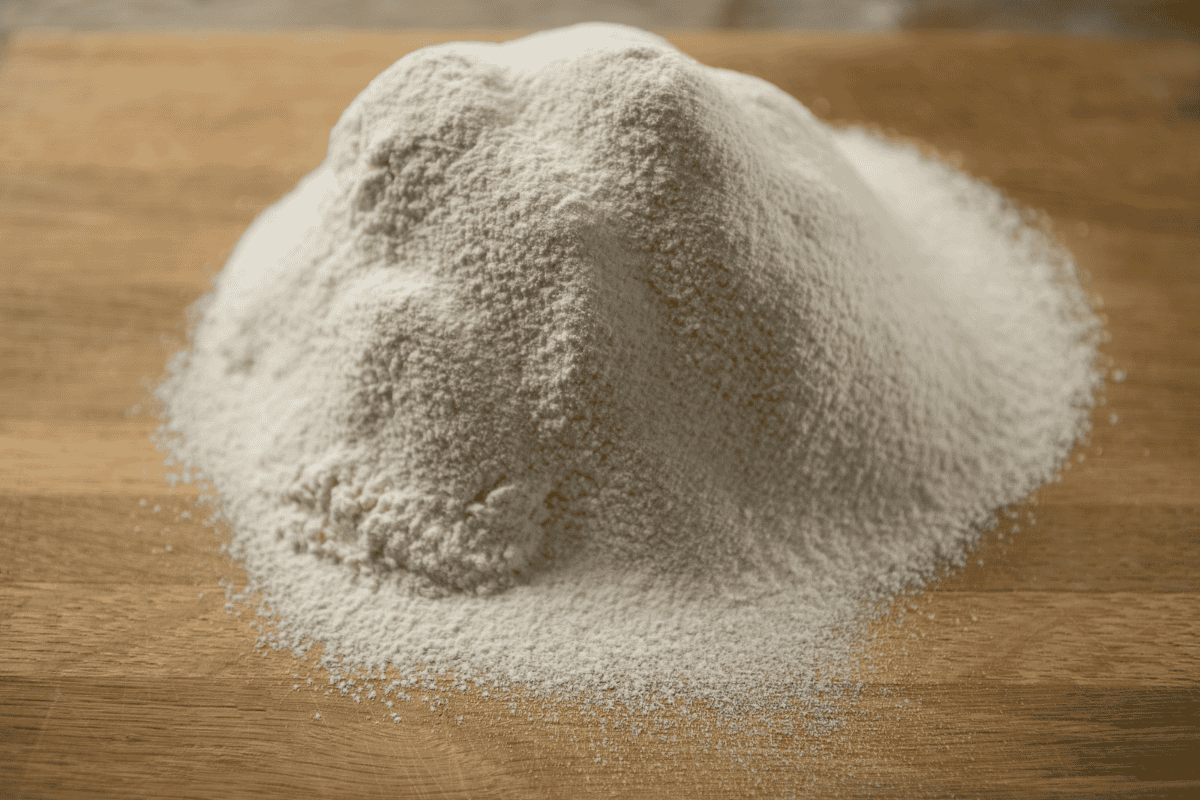
Cornstarch
Much like agar-agar, cornstarch is a great gluten-free and neutral-tasting thickening powder made from corn kernels. The ratio of cornstarch to liquid should be about one tablespoon of cornstarch per cup of liquid.
If you wanna apply it to your sauce, just mix it with a small amount of water or other liquid to create a slurry. Add the slurry to the dipping sauce, gravy, or even chocolate sauce, that you want to thicken and stir constantly to prevent lumps from forming. As the mixture heats up, the cornstarch will thicken the liquid, creating a smooth and silky texture.
Be careful not to add too much of this ingredient, as it will thicken quickly. If this happens, simply add more liquid to thin it out.
Arrowroot
Arrowroot is a fantastic natural starch derived from the roots of the Maranta arundinacea plant. It's been used for centuries as a thickening agent in recipes that require a clear or transparent sauce, as it does not cloud the liquid like other thickeners can.
It also creates a smooth and silky texture, but the ratio you use of arrowroot to liquid should be about one tablespoon of arrowroot per cup of liquid. Like most other thickening agents, you'll need to mix with a small amount of water or other liquid to create a slurry. After, add the slurry to the sauce that you want to thicken and stir constantly to prevent lumps from forming.
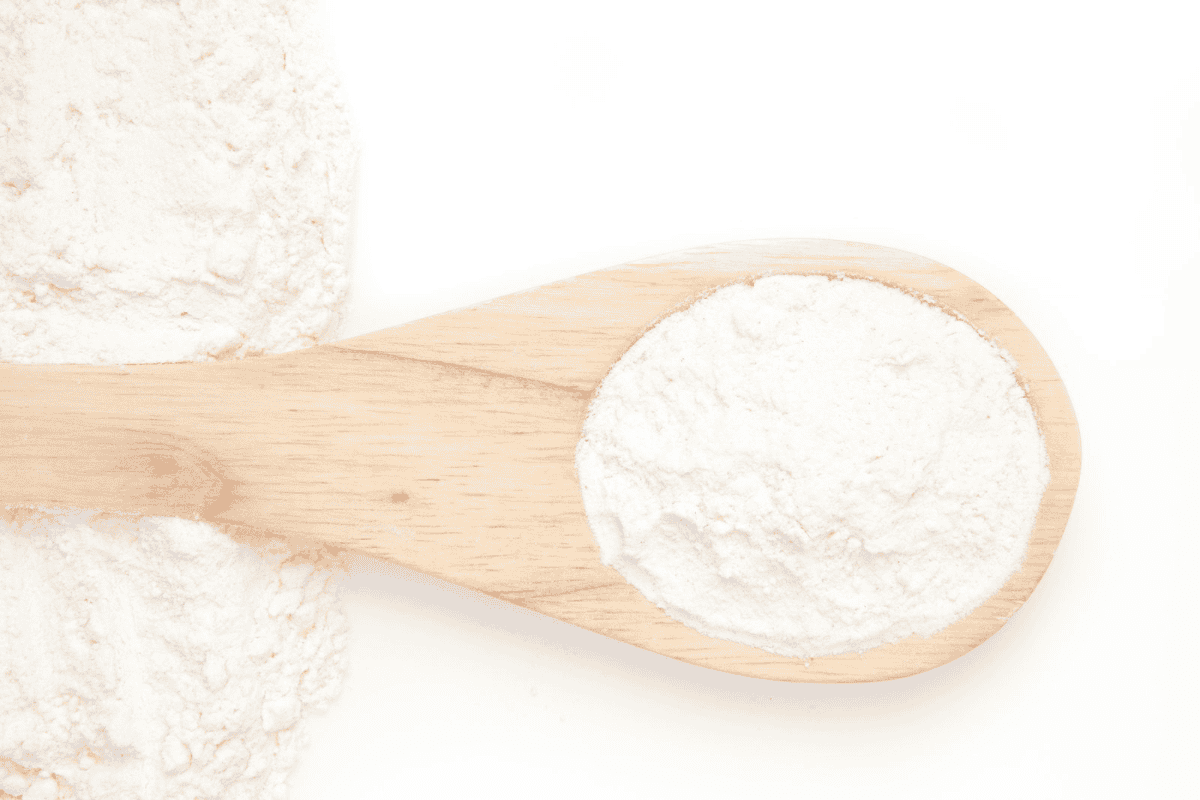
Potato Flakes
Potato flakes are another great ingredient for thickening that you don't see every day. This can be attributed to their high starch content, which is great for thickening. One of the benefits of using potato flakes is that they do not alter the sauce's flavor.
They're also readily available at most grocery stores and are very affordable, an excellent choice for home cooks on a budget. To use them, just throw in a small amount of your sauce while it's simmering on the stove. Start with one tablespoon of potato flakes per cup of liquid and add more as needed until you reach the desired consistency.
Butter
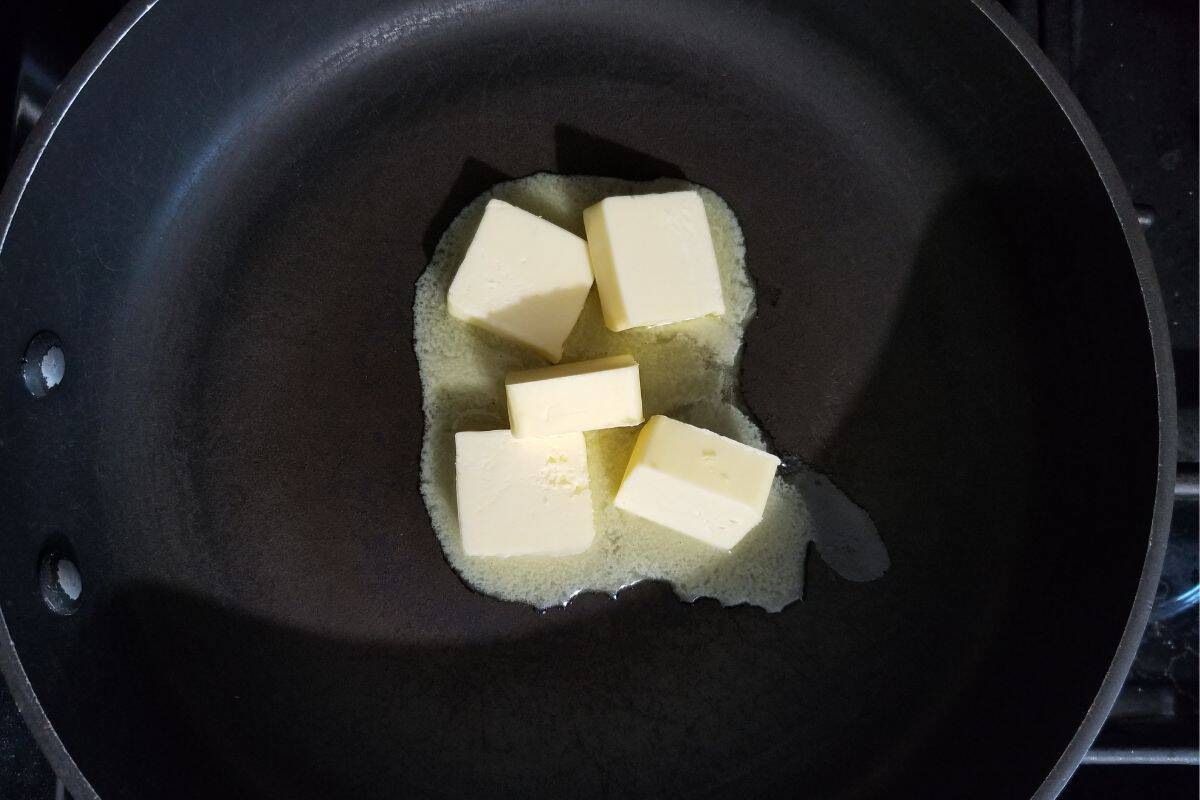
Now, this is a great thickener I'll know you'll have in your kitchen. It'll add a nice touch of richness, flavor, and texture to sauces, as it contains milk solids and fat that emulsify and thicken as it melts. To use it, just add a small blob to your sauce while it's simmering on the stove. Start with one tablespoon of butter per cup of liquid and add more as needed until you have a richer, thicker consistency.
Add an Egg Yolk
Egg yolks are a versatile thickening agent, especially effective in dairy-based sauces like béchamel or hollandaise, where they enhance richness without altering taste. To use them, whisk the yolks separately, temper with a bit of the hot sauce, then slowly reintroduce to the main sauce, ensuring gentle heat to prevent curdling.
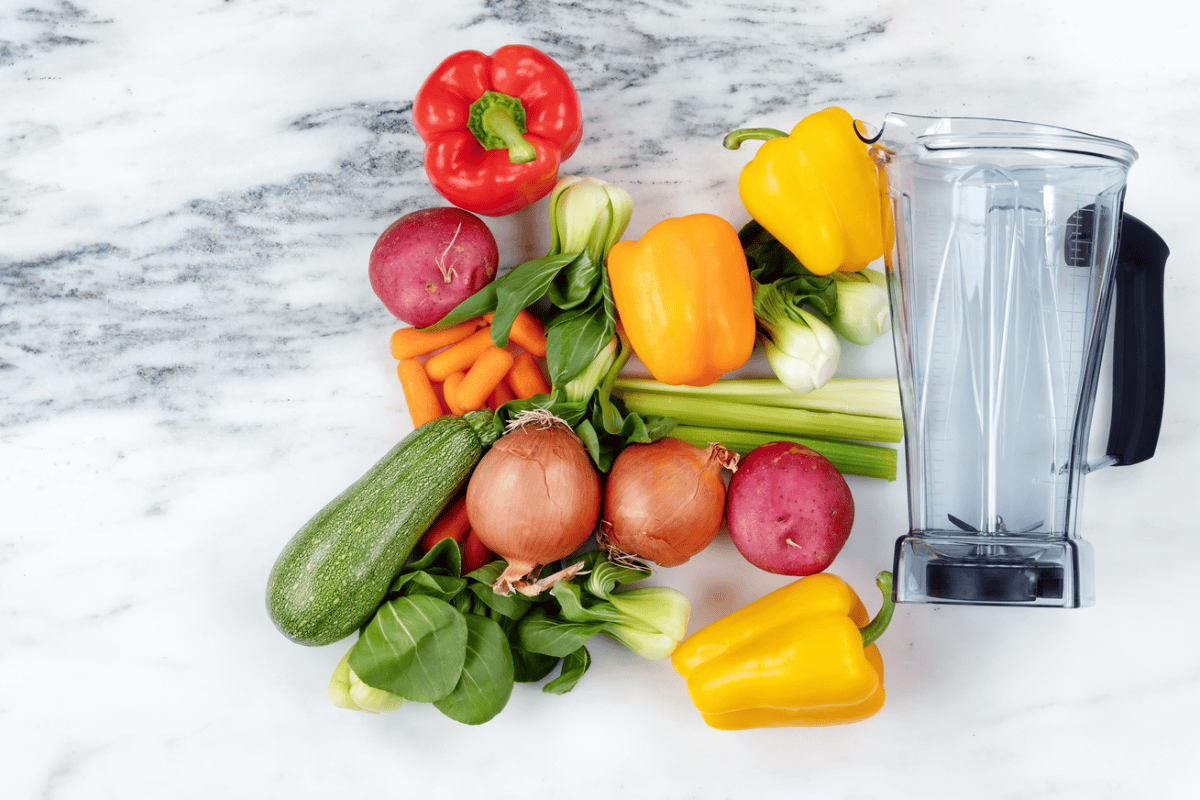
Puree Some Vegetables
Pureed vegetables can serve as a flavorful and nutritious thickening agent for sauces, offering a blend of vitamins, minerals, and antioxidants. Depending on the vegetable type, they can introduce a unique sweetness or earthiness, altering both the taste and color of the sauce. To utilize this method, cook the vegetables until soft, blend them to a smooth consistency, and then gradually whisk the puree into the sauce to ensure a lump-free texture.
Gum Powders
Gum powders are a very popular thickening agent made from various plant extracts. They work by absorbing water and swelling up, which creates a thick texture in the sauce. These can also alter the flavor and texture of the sauce and sometimes create a slimy or gummy texture if too much is used.
So follow the recommended dosage on the packaging and use gum powders sparingly to avoid any of these problems. But if you do wanna use them, you'll need to dissolve them in a small amount of cold water or another liquid and gradually add them to the sauce while whisking continuously.
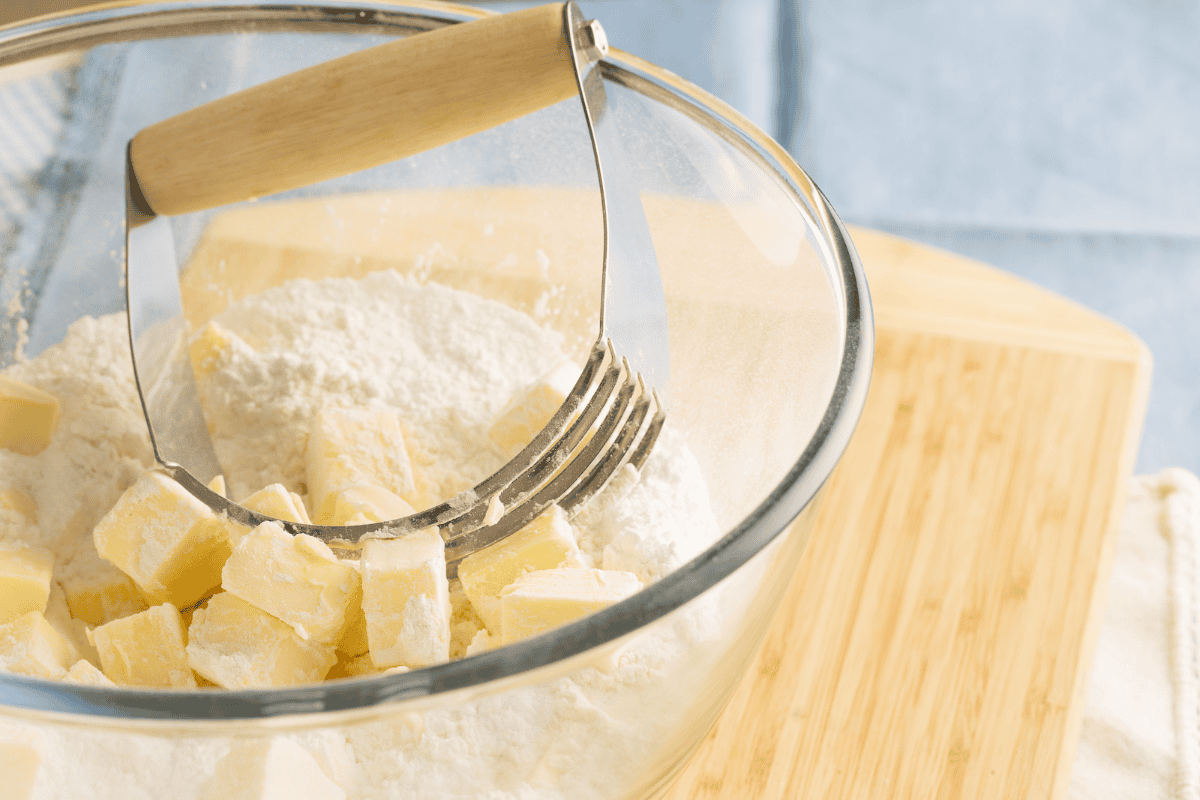
Beurre Manié
This method comes all the way from France and is a French term for a mixture of flour and butter they typically use for thickening. It's a quick and easy way to thicken a sauce without having to make a roux, which is a more time-consuming process.
One of the advantages of using it is that it allows you to thicken a sauce without changing its flavor. To make it, simply add small pieces of the mixture to the hot liquid and whisk continuously until the sauce thickens to how you like it. Be sure to cook the sauce for a few minutes after adding the beurre manie to ensure that the flour is fully cooked and the sauce has a smooth texture.
Tomato Paste
Tomato paste is another fantastic pasty option for adding flavor and body with its concentrated flavor and thick, paste-like consistency. However, it can be quite acidic, so balance it out with other ingredients in the sauce. You could even try tomato sauce, though make sure it's a thicker variant.
You may need to add a pinch of sugar or a splash of cream to mellow out the acidity and achieve a more balanced flavor. Simply add a small amount of tomato paste to your sauce and stir it in well. Start with a tablespoon or two and adjust as needed for the right thickness.
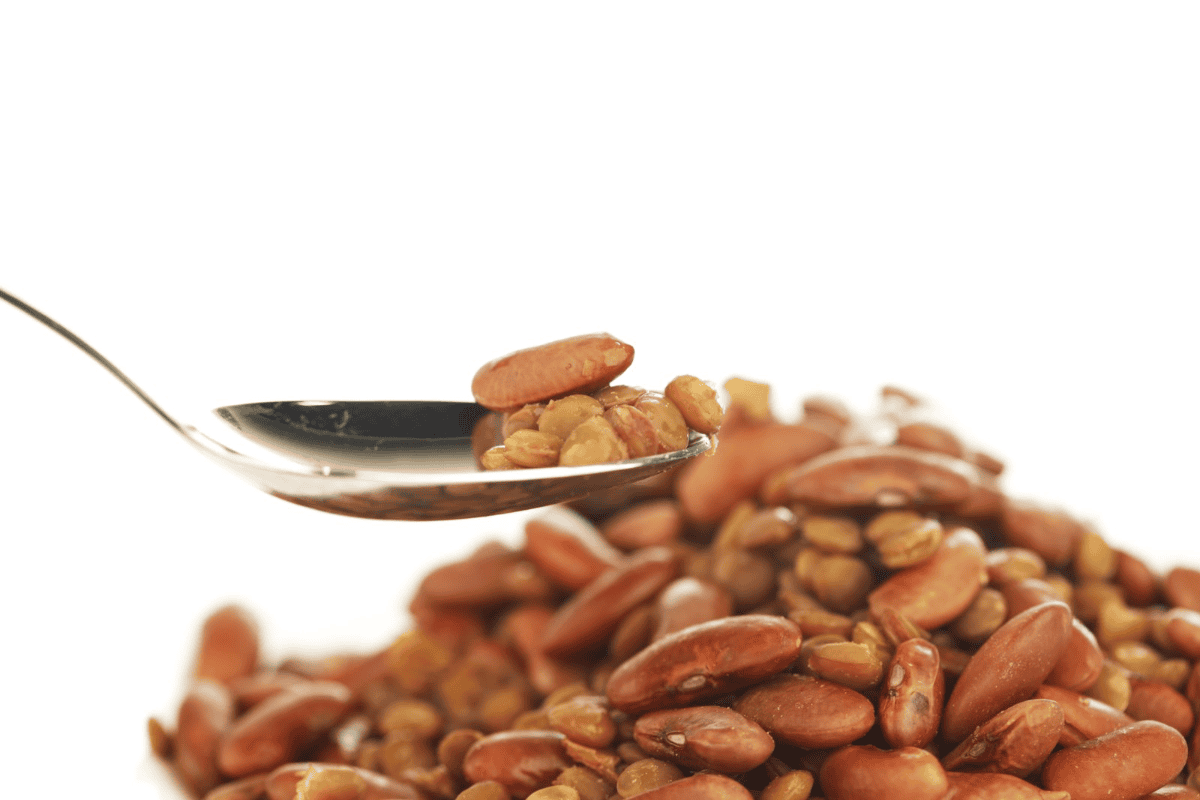
Red Beans or Lentils
Red beans and lentils are another option that isn't your typical thickener, but they still make for a healthy and great way to thicken sauces. They're a great option for vegetarian or vegan dishes, as they can add a meaty texture and flavor without using animal products.
However, use them in moderation and balance them out with other ingredients in the sauce, as they have a stronger taste than other options on the list. If you wanna use them, just cook them until they are tender, mash them up, or puree them in a blender or food processor until they form a smooth paste, and then add the paste to the sauce and stir it in well.
Pasta Starch
You can even use pasta starch to thicken sauces. It's a simple and effective technique that can enhance the overall taste and texture of your dish. Just put aside some of the pasta cooking liquid before draining the pasta, and add a small amount to the sauce. The starch in the water will help to thicken the sauce and give it a silky texture. But start with a small amount of pasta water and add more as needed, stirring well to ensure even distribution.
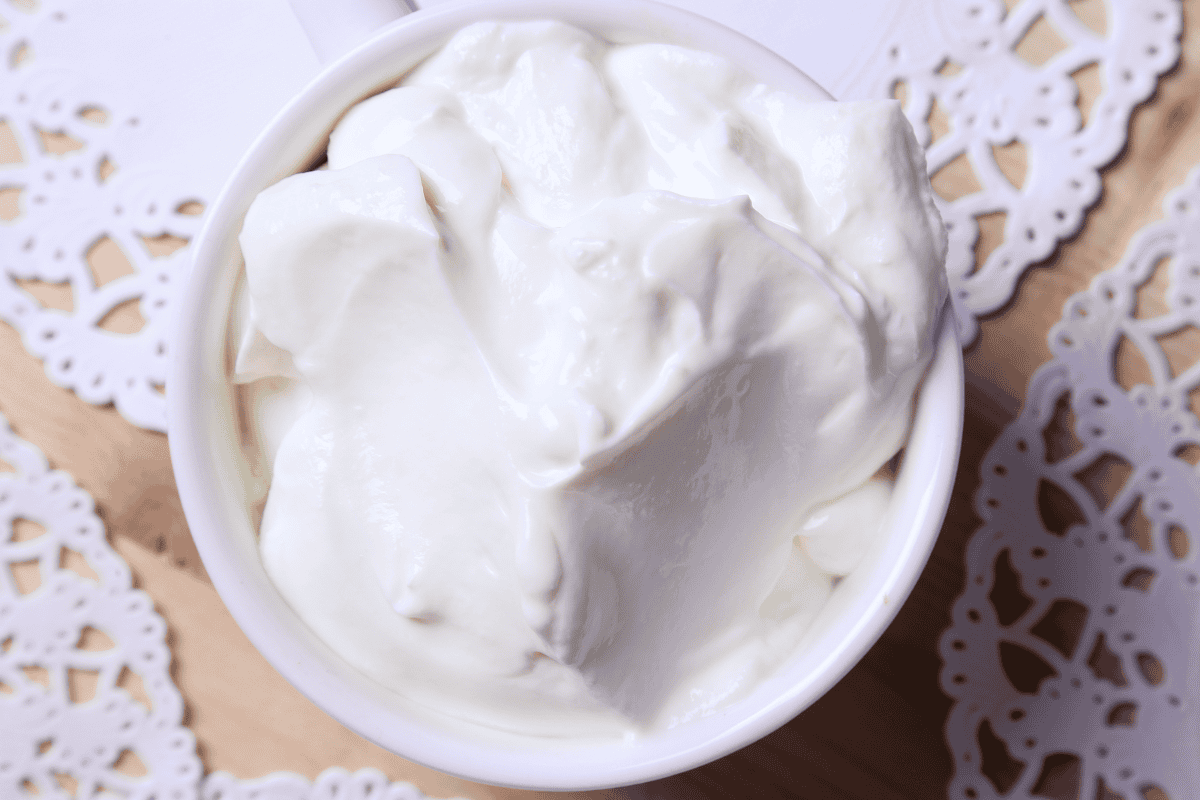
Heavy Cream or Half-and-Half
Another popular technique is to incorporate heavy cream or half-and-half. These dairy products have a high-fat content that aids in improving the sauce and providing it with a silky texture. Using them can add flavor and richness to the dish but won't be suitable for those who are lactose intolerant or have a dairy allergy. In these cases, an alternative like cornstarch or arrowroot powder is a better choice.
But if you still wanna use this method, add a small amount of the dairy product to the sauce and stir thoroughly.
Coconut Milk
You can add a splash of creaminess and flavor to your dishes with coconut milk. Though it's commonly used in Southeast Asian curries, you can add them to other various dishes to help thicken them. You can also use coconut cream, which is thicker and richer than coconut milk, for an even creamier texture. To use either, simply add them to your dish towards the end of the cooking process.
Coconut milk does have a certain taste to it that needs to be balanced out. But you can add spices and herbs such as ginger, garlic, and lemongrass to balance that flavor.
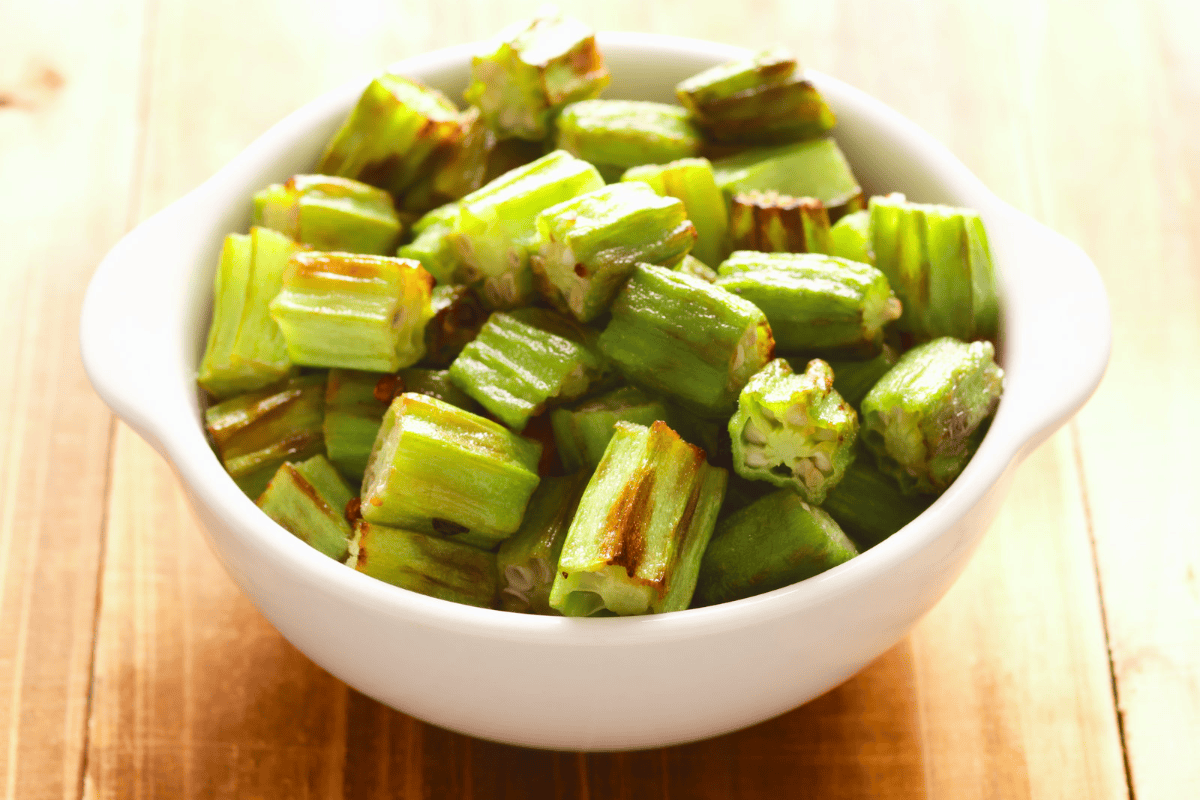
Use Okra
Now, this may seem out of this world when you think of a thickener, but trust me, it works. This ingredient works particularly well in dishes such as gumbo and jambalaya, where the okra adds both flavor and texture to the dish.
It also has a slightly slimy, rich texture when cooked, which makes it an excellent natural thickener. Did I mention that it's also rich in dietary fiber, vitamin C, and antioxidants? To use it, simply chop the okra into small pieces and add it to your dish. As the okra cooks, it releases a thick, mucilaginous liquid that helps to thicken the sauce.
Tapioca Flour
Tapioca flour is yet another great gluten-free and grain-free option made from cassava root that's commonly used as a thickener in cooking and baking. It's a versatile ingredient that can be used to thicken both hot and cold sauces.
Just mix it with a small amount of cold water to form a slurry, and then slowly pour it into your sauce while whisking constantly. It thickens quite quickly, so be careful not to add too much, or your sauce may become too thick.
Old Bread
Even using old bread can be a sustainable and cost-effective option while also adding flavor and texture to your dishes. Using old bread to help thicken sauces has been a long-standing traditional technique to add a quick splash of thickening while also reducing food waste.
It's particularly effective for creamy sauces like tomato soup or mushroom sauce but can also be used for gravies and stews. To use it, just tear it into small pieces and soak it in a liquid like milk or broth. After a few minutes, puree the bread and liquid mixture until smooth and add it to your sauce. The bread will absorb the liquid and thicken the sauce, giving it a creamy consistency and subtle bread flavor.
🙋🏻♂️ Frequently Asked Questions
The best food thickener depends on the type of sauce you are making and your personal preference, but common food thickeners include cornstarch, flour, arrowroot, potato starch, and tapioca.
The strongest thickener agent is xanthan gum. It can thicken sauces at very low concentrations. Another strong thickener agent is guar gum, which works well with acidic sauces and can also thicken sauces at low concentrations.
If you need to thicken a sauce quickly, you can use cornstarch or flour as a thickening agent. These are some of the most basic and fastest ways to thicken a sauce.

Comments
No Comments